

Mycotoxins: The Hidden Danger Lurking In Your Kitchen
Take a peek in your refrigerator. Its contents may look harmless, but what if there was an invisible danger potentially wreaking havoc on your health?
Let’s take a look at exactly why EMFs are harmful, how the up and coming 5G technology will impact EMFs, and how you can protect yourself and your loved ones from their effects.
As the old saying goes, “an apple a day keeps the doctor away”. We all know fiber is good for health but why is this? It turns out it is more complicated than just a way to help you feel full and stay regulated.
If you’re ready to kick off the new decade with less stress, here are my recommendations to help you ease into a more relaxed year.
We’ve come a long way in understanding mycotoxins and their effects on our health. Since the identification of the first mycotoxin (aflatoxin) in 1965,1 scientists have identified more than 400 of them produced by hundreds of different fungi under various environmental conditions.
The truth is, no matter how hard we try, many of us are likely not getting all of the vitamins and basic nutrients we need. Combine that with chronic stress, environmental pollution, and nutrient-depleted foods, and it’s not a surprise that so many people are suffering from chronic illnesses. But intravenous (IV) vitamin therapy may just be what you need to revitalize your body at the cellular level.
So, if lack of exercise and unhealthy diet don’t explain the whole story, what does? In this article, we’ll find out why some researchers suggest that exposure to environmental pollutants are a major contributing factor to metabolic syndrome.
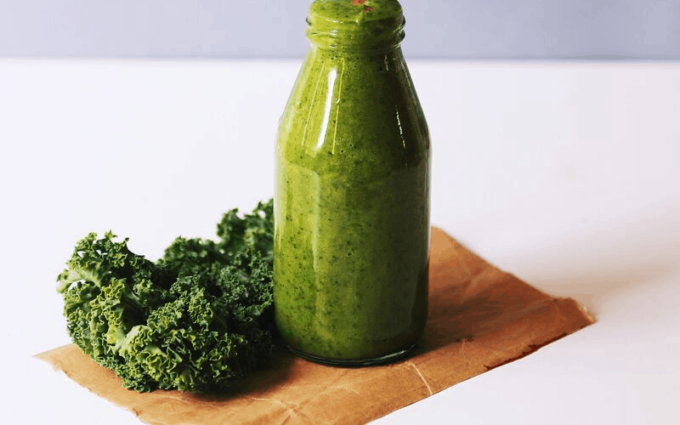
So you might be thinking — these are all healthy ingredients, so green juice must be healthy, right? Well, not necessarily. Some of the star superfoods in green drinks, like kale and broccoli, maybe hiding a dangerous secret: high levels of heavy metals, particularly thallium.
If there is one disease I ask my patients to have on their minds, it’s type 2 diabetes. According to the 2017 report from the U.S. Center for Disease Control and Prevention, more than 100 million Americans have diabetes (30.3 million) or prediabetes (84.1 million).1 This means that nearly half of Americans have the disease or its precursor.
If you’re a seafood lover, these headlines along with the already well-known risks of parasites, heavy metals, and chemicals may have you thinking twice before going to a sushi restaurant for date night. So should you stop eating seafood? The simple answer is no, but read on to find out why the benefits of seafood greatly outweigh the risks, and the steps you can take to continue enjoying seafood this summer.
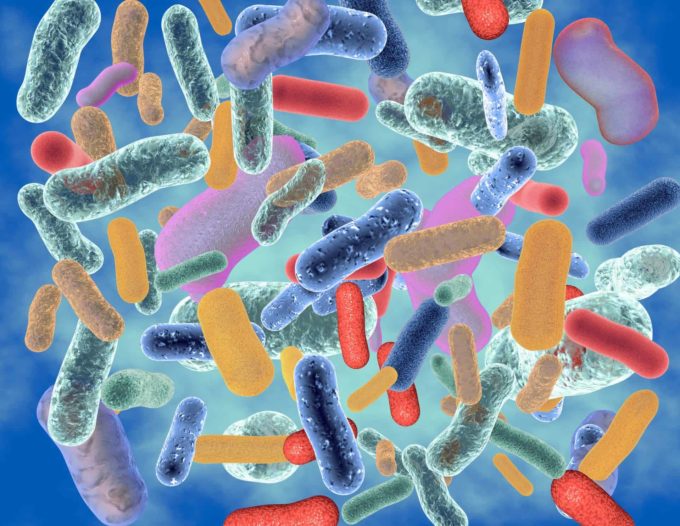
More recently, the scientific and medical communities have been abuzz regarding the topic of gut microbiome due to its potential role as a link between the gut and the heart. Specifically, some believe that a metabolic pathway involving choline and the gut microbiota could contribute to the development of heart disease in humans.
Here we’ll discuss phthalates, one of the worst offenders among EDCs, and the latest research on its potential impact on breast cancer risk.
If you or a loved one has suffered from Crohn’s disease, you may have been told that the exact cause of your misery is still unknown. They might have told you there are many possible causes for Crohn’s disease – age, ethnicity, family history, immunodeficiency, history of NSAIDs use, etc.
If you’ve ever spent time reading about allergies, you might have come across people talking about Mast Cell Activation Syndrome (MCAS). People with Mast Cell Activation Syndrome often struggle just to obtain a diagnosis – due to the complexity of the disease and the lack of awareness within the mainstream medical community, patients can go months, if not several years, without relief for their illness.
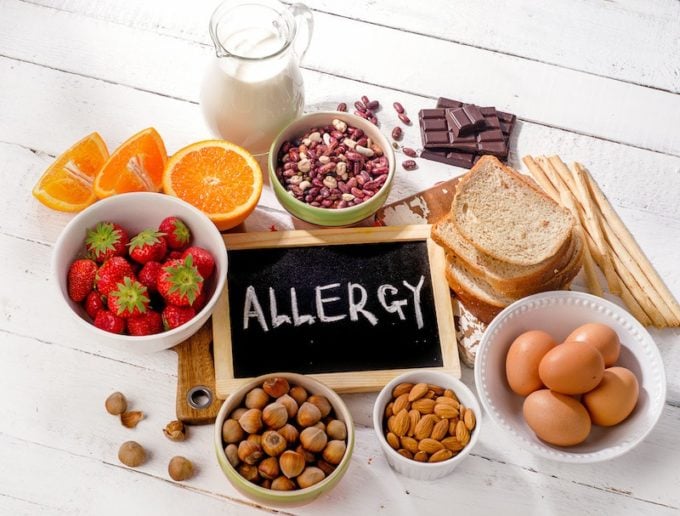
Living with food allergies can sometimes feel like a curse. Allergies require constant vigilance and lots of explaining. It can almost make eating seem like a chore. And it can be a bummer to explain that you can’t dig into that pizza at the Super Bowl party. It can also feel pretty lonely.
Growing up, your parents probably told you that an apple a day keeps the doctor away. Turns out, apple cider vinegar may do just the same. From weight loss to cold and cough remedies to insect repellent, this superfood seems to be good for, well, just about everything. People put it in food and salad dressings, and they even drink it straight.
The gut is turning out to play a major role in inflammation and related conditions throughout the body, especially in psychiatric conditions.
New research in Finland is finding that the reason could be largely mold. I’ve talked about mold and dementia before, and these findings further support the effect of mycotoxins on inflammation and dementia.
When the World Trade Center towers fell, carcinogenic substances were sprayed across an 8 mile radius. Asbestos, lead, beryllium, mercury, dioxins, volatile organic compounds (VOCs), and PCBs covered lower Manhattan. Over 17 years later, we are still seeing the effects of this terrible tragedy.
Lithium is a misunderstood naturally occurring element that’s used as a medication. It’s known for its mood stabilizing properties as a psychotropic drug. While you probably consider lithium to be a serious mind altering medication, the fact of the matter is lithium can often be found in low levels in our drinking water ranging from trace amounts to 0.17 mg/L.