

8 Practical Ways to Manage Stress In the New Year!
If you’re ready to kick off the new decade with less stress, here are my recommendations to help you ease into a more relaxed year.
The truth is, no matter how hard we try, many of us are likely not getting all of the vitamins and basic nutrients we need. Combine that with chronic stress, environmental pollution, and nutrient-depleted foods, and it’s not a surprise that so many people are suffering from chronic illnesses. But intravenous (IV) vitamin therapy may just be what you need to revitalize your body at the cellular level.
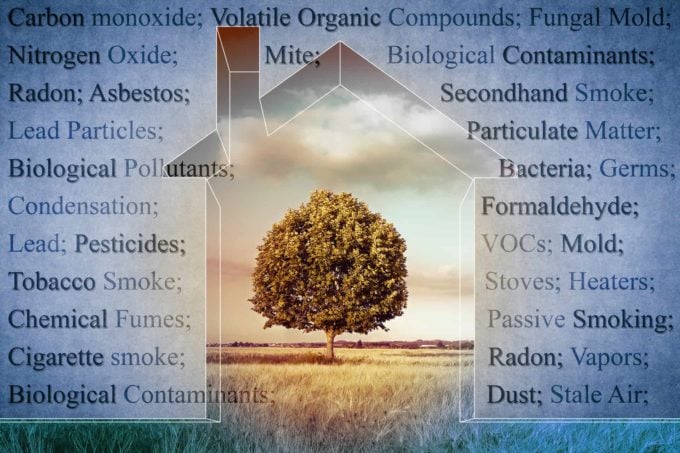
So, if lack of exercise and unhealthy diet don’t explain the whole story, what does? In this article, we’ll find out why some researchers suggest that exposure to environmental pollutants are a major contributing factor to metabolic syndrome.
So you might be thinking — these are all healthy ingredients, so green juice must be healthy, right? Well, not necessarily. Some of the star superfoods in green drinks, like kale and broccoli, maybe hiding a dangerous secret: high levels of heavy metals, particularly thallium.
Recently, a drug called disulfiram has been receiving lots of attention for its broad range of potential uses. So, can one drug deter alcohol use, kill antibiotic-resistant bacteria, treat cancer, and eradicate Lyme disease? Let’s find out.
If there is one disease I ask my patients to have on their minds, it’s type 2 diabetes. According to the 2017 report from the U.S. Center for Disease Control and Prevention, more than 100 million Americans have diabetes (30.3 million) or prediabetes (84.1 million).1 This means that nearly half of Americans have the disease or its precursor.
If you’re a seafood lover, these headlines along with the already well-known risks of parasites, heavy metals, and chemicals may have you thinking twice before going to a sushi restaurant for date night. So should you stop eating seafood? The simple answer is no, but read on to find out why the benefits of seafood greatly outweigh the risks, and the steps you can take to continue enjoying seafood this summer.
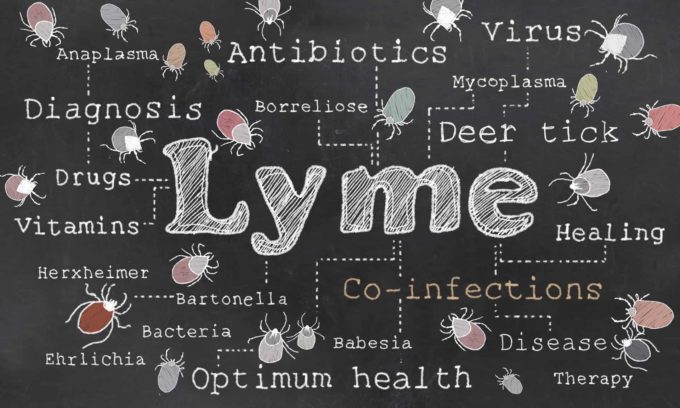
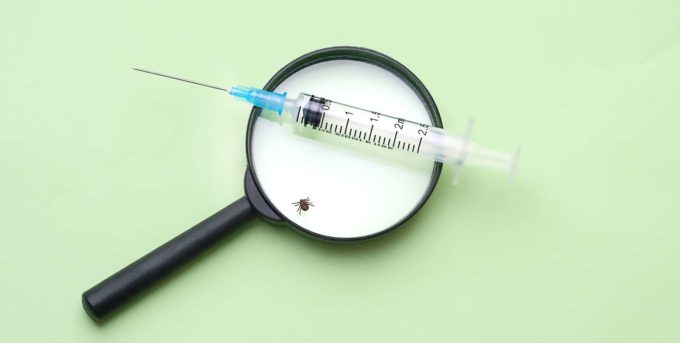
Lyme disease and other tick-borne diseases have been gaining more interest in recent years due to the explosion in tick populations, but it’s still rare to see news about ticks going viral. So, is this just another conspiracy theory? Is there any evidence that the U.S. government was involved in starting the Lyme disease epidemic?
Glyphosate toxicity is a topic I’ve written about numerous times. This time we’ll talk specifically about the various ways glyphosate exposure could lead to devastating health consequences, one of which includes pretending to be glycine, an amino acid that is crucial for protein synthesis.
Here we’ll discuss phthalates, one of the worst offenders among EDCs, and the latest research on its potential impact on breast cancer risk.
In one way or another, we’re all touched by depression. But if you or a loved one has ever sought help for depression, you’ve probably come across the same textbook explanation: Depression is a result of chemical imbalances in your brain that affect your mood. In other words, depression is “in your head.”
While the B vitamin complex might get a lot of attention, there’s one specific type that deserves a spotlight of its own – and that’s vitamin B6. This article is more than a list of benefits… It’s a deep dive into the role of B6 in your body. I think this vitamin is often overlooked and underrated so I wanted to be sure to explain exactly why it’s so important.
The gut is turning out to play a major role in inflammation and related conditions throughout the body, especially in psychiatric conditions.
New research in Finland is finding that the reason could be largely mold. I’ve talked about mold and dementia before, and these findings further support the effect of mycotoxins on inflammation and dementia.
More and more we are discovering toxins in many household products and building materials. So, if you think your home is toxin-free, think again. A recently published study suggests that polychlorinated biphenyls (PCBs) – well-known neurotoxins and carcinogens – may be lurking in the place you’d least expect: your kitchen cabinets.
When the World Trade Center towers fell, carcinogenic substances were sprayed across an 8 mile radius. Asbestos, lead, beryllium, mercury, dioxins, volatile organic compounds (VOCs), and PCBs covered lower Manhattan. Over 17 years later, we are still seeing the effects of this terrible tragedy.
Well, good news for you! People are now using all sorts of different methods to ‘biohack’ their brains and bodies for optimal performance – now, you can do it too!
Lithium is a misunderstood naturally occurring element that’s used as a medication. It’s known for its mood stabilizing properties as a psychotropic drug. While you probably consider lithium to be a serious mind altering medication, the fact of the matter is lithium can often be found in low levels in our drinking water ranging from trace amounts to 0.17 mg/L.
Molecular hydrogen or H2 gas is a very small neutrally charged molecule that has the ability to cross cell membranes and the blood-brain barrier.
If you’ve been poking around in the health and fitness world, you’ve probably heard of biohacking. Maybe you’re a biohacker yourself, or maybe you’re a complete novice. Either way, I want to share my top 11 biohacks with you because biohacking is one of my favorite concepts.