


I have a confession to make. When I finally tested positive for Bartonella henselae, alongside Borrelia, Babesia, and tick-borne relapsing fever, part of me felt a strange relief. Not because I wanted to be sick, but because I finally had a name for what had been quietly undermining my health for years. I know so many of you reading this feel exactly the same way.
Bartonella is one of the most underdiagnosed, underappreciated, and genuinely misunderstood pathogens in chronic illness medicine. It hides in the cells that line your blood vessels, hijacks your immune system, and creates a cascade of symptoms so varied that most physicians never connect the dots. Fatigue. Neurological symptoms. Anxiety. Skin changes. Joint pain. Headaches that won't quit. And because standard lab tests miss it more than 80% of the time, patients are frequently dismissed, misdiagnosed, or simply told nothing is wrong.
But something IS wrong. And in functional medicine, we go looking for it.
Today I want to share something I find genuinely exciting from a research standpoint: the emerging science of targeted nutrition and natural compounds that can directly support the treatment of Bartonella infection. This goes beyond general immune support. We now have peer-reviewed research pointing to specific nutrients that counteract how this pathogen does its damage at the cellular level.
I have written extensively about Bartonella on this blog, including Bartonella: The Sneaky Bacteria Behind Surprisingly Complex Symptoms, Hidden Infections Behind Long COVID: Unmasking Bartonella henselae, and What is Bartonella henselae? Symptoms and Treatment Options. I encourage you to start there if you are new to this topic.

What Makes Bartonella So Difficult to Treat
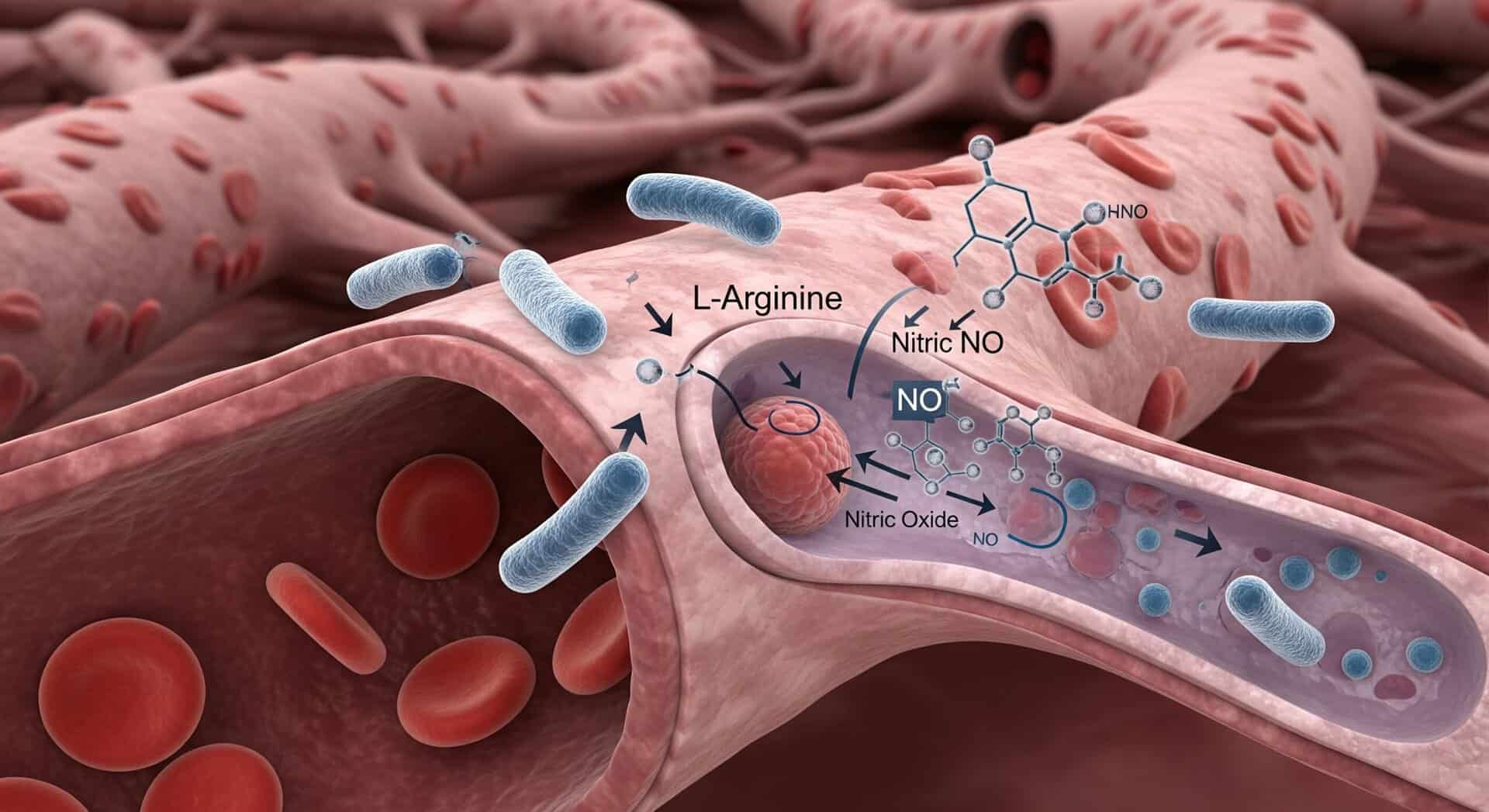
To understand why certain nutrients matter, you need to understand how Bartonella operates. This gram-negative, facultative intracellular bacterium is what I call a “cellular squatter.” It moves into the endothelial cells lining your blood vessels, hides inside red blood cells, and in some people, invades endothelial progenitor cells (EPCs), the very cells your body uses to repair damaged blood vessels.
A landmark 2008 study published in the Proceedings of the National Academy of Sciences by researchers from Federico II University of Naples demonstrated that B. henselae infects human endothelial progenitor cells, constituting what they described as a circulating niche of the pathogen. In plain terms: Bartonella doesn't just infect you, it hijacks the very cells meant to heal your vascular system and uses them as a mobile hiding place.
Once inside, Bartonella employs several clever strategies to evade your immune defenses. It suppresses nitric oxide production (which your immune system uses to kill pathogens), promotes abnormal angiogenesis in ways that benefit its survival, modulates the p38 kinase inflammatory signaling pathway, and alters gene expression in ways that dampen your immune response.
This is why conventional antibiotics alone often fall short. For 85% of individuals with Bartonella, recovery requires four to six months of continuous herbal or prescription antibiotics, and the remaining 15% may need ongoing care for months to years. The key insight from functional medicine is that we can use targeted nutrients to undermine Bartonella's strategies simultaneously, making our treatments more effective and our immune systems more capable of finishing the job.
The Vascular Connection: Why Bartonella Is a Cardiovascular Problem Too
Before we get into specific nutrients, I want to emphasize something most patients and many practitioners miss. Bartonella is not just a generalized infection. It is primarily a vascular endothelial pathogen, meaning its primary home is the cells lining your blood vessels and your heart.
Bartonella infects blood vessel endothelial cells and may damage the endothelial glycocalyx, a crucial gel-like layer lining blood vessels that regulates permeability, maintains blood flow and vessel dilation through nitric oxide production, and prevents clotting.
This explains symptoms like fatigue, brain fog, orthostatic intolerance, unusual stretch marks or skin streaking, and even cardiac involvement that plague so many Bartonella patients. When the cells lining your blood vessels are infected and dysfunctional, everything downstream suffers. And when nitric oxide production is actively suppressed by the bacteria itself, you lose one of your body's primary innate defenses against intracellular pathogens.
This is exactly where L-arginine becomes so important.
Key Nutrients That Support Bartonella Treatment
1. L-Arginine and Nitric Oxide
This is the nutrient I want to spend the most time on because the PNAS research is genuinely groundbreaking. The 2008 study by Napoli and colleagues provided evidence that L-arginine counteracts the detrimental effects of Bartonella infection in endothelial progenitor cells via nitric oxide, confirmed by DETA-NO and L-NMMA experiments, and by modulation of p38 kinase phosphorylation. Microarray analysis showed that immune-response genes dysregulated by Bartonella returned to steady state when cells were exposed to sustained doses of L-arginine.
Nitric oxide is one of the body's most potent innate antimicrobial molecules. It kills intracellular pathogens, supports healthy vascular tone, enhances microcirculation, and modulates immune signaling in ways that favor host defense over bacterial persistence. The fact that Bartonella actively suppresses NO production is not coincidental. It is a survival strategy. Supplementing with L-arginine restores what the bacteria is trying to steal.
Clinical note: Research doses ranged from 1-30 mM in vitro, and published herbal protocols for Bartonella have suggested 500-1,000 mg of L-arginine taken three times daily for endothelial protection. L-arginine should be used cautiously in those with herpes simplex virus history, as it can promote viral replication in susceptible individuals. Always work with your practitioner to determine the right dose for you.
2. N-Acetylcysteine (NAC): Biofilm Breaker and Glutathione Booster
N-acetylcysteine is derived from the amino acid L-cysteine and is one of the most powerful biofilm-disrupting agents available without a prescription. Bartonella, like many chronic intracellular pathogens, forms biofilm communities that act like a fortress around the bacteria, dramatically reducing antibiotic penetration. NAC disrupts this biofilm matrix while simultaneously raising glutathione levels, your body's master antioxidant that is almost universally depleted in chronic infection states.
In patients with co-infections like Lyme and Bartonella, NAC also supports the liver's Phase II detoxification pathways, which become overburdened during treatment. When bacteria die off rapidly during a Herxheimer reaction, the liver must process the resulting endotoxin load. NAC provides critical glutathione precursors that keep this process moving efficiently. Herbal Bartonella protocols have included NAC at 2,000 mg taken twice daily, particularly in cases with neurological involvement.
Shop: Dr. Jill Health NAC 500 (60 Caps) — pharmaceutical-grade NAC I use in my own practice.
3. Quercetin: Mast Cell Stabilizer, Antiviral, and Endothelial Protector
Quercetin is one of the most versatile therapeutic flavonoids in the functional medicine toolkit. Many Bartonella patients develop mast cell activation syndrome (MCAS) as a downstream consequence of the chronic inflammatory burden from the infection. Quercetin's mast cell-stabilizing properties help interrupt this vicious cycle of histamine release and immune dysregulation.
Quercetin also has direct antimicrobial and anti-biofilm properties, and works synergistically with EGCG (epigallocatechin gallate from green tea) to reduce the cytokine cascade that drives so much suffering in Bartonella infection. Published herbal protocols have included 800 mg EGCG combined with 1,200 mg quercetin daily for cytokine cascade reduction and endothelial cell protection.
4. Berberine: Broad-Spectrum Antimicrobial with Anti-Persistence Activity
Berberine is a plant alkaloid extracted from goldenseal, barberry, and Oregon grape root with documented activity against multiple intracellular pathogens and demonstrated anti-biofilm properties. It works partly through AMPK activation, which regulates cellular energy metabolism and creates an intracellular environment less hospitable to facultative intracellular pathogens like Bartonella.
Berberine has documented activity against bacterial persistence, the stationary phase of bacterial life that makes Bartonella so resistant to conventional antibiotics. It also supports healthy liver detoxification pathways critical during treatment, and has anti-inflammatory and antioxidant properties that help address the systemic burden of chronic infection.
Shop: Dr. Jill Health Berberine 1000 (120 Caps) — 1,000 mg pharmaceutical-grade berberine per serving.
5. Milk Thistle (Silymarin): Protecting the Liver During Treatment
Any aggressive Bartonella treatment protocol puts significant demands on the liver. Dying bacteria release lipopolysaccharide (LPS) and other endotoxins that must be processed and eliminated. If the liver is struggling, Herxheimer reactions become more severe and detoxification slows. Silymarin, the active complex from milk thistle seed, is one of the most hepatoprotective compounds we have. Published herbal Bartonella protocols include milk thistle at 1,200 mg daily standardized extract for liver protection throughout treatment.
Beyond liver protection, silymarin has antioxidant, anti-inflammatory, and documented neuroprotective effects, which matters because Bartonella has a particular predilection for neurological tissue.
6. Buffered Vitamin C: Immune Modulation and Collagen Protection
Bartonella's assault on the vascular endothelium creates significant oxidative stress in the tissues lining blood vessels. Vitamin C serves multiple roles: it is a critical cofactor for collagen synthesis (repairing damaged endothelial connective tissue), a powerful antioxidant that quenches reactive oxygen species generated during infection, and a direct immune modulator that supports neutrophil and lymphocyte function.
High-dose oral vitamin C in buffered forms that are gentler on the GI tract is a cornerstone of my support protocols for complex chronic infections.
7. Activated B-Complex: Supporting Methylation and Energy
Chronic Bartonella infection creates profound metabolic disruption. Sustained immune activation consumes enormous amounts of B vitamins, particularly B2 (riboflavin), B6, folate, and B12, which are essential cofactors for methylation, energy production, and neurotransmitter synthesis. There is also a fascinating research angle here: molecular analysis has demonstrated that the riboflavin synthesis pathway is present in Bartonella henselae, reflecting how central this cofactor is to bacterial metabolism and why host B-vitamin depletion is so common in this infection.
Many of my most symptomatic Bartonella patients also have MTHFR variants that compound their inability to clear infection. Supporting methylation with methylated B vitamins is a critical component of their healing protocol.
8. Immune Essentials and Olive Leaf: Broad Immune and Antimicrobial Support
Beyond targeted nutrients, maintaining robust foundational immune function during Bartonella treatment requires broad-spectrum support. Olive leaf extract (oleuropein) has documented activity against gram-negative bacteria and works well alongside the targeted protocol above. Combined with a comprehensive immune support formula, it provides a foundation of resilience while the more targeted interventions do their work.

Shop: Dr. Jill Health Immune Essentials (120 Caps) and Olive Leaf 500 (90 Caps) are both available at Dr. Jill Health.
The Tick Bite Prevention Protocol: Where I Always Start
If you have had a recent tick bite or known exposure and are concerned about Bartonella or Lyme co-infection, the first thing I recommend is the Dr. Jill Health Tick Bite Prevention Protocol, a bundle of herbal tinctures including Samento (Cat's Claw), known for antimicrobial properties against tick-borne pathogens, alongside complementary botanicals that support immune function in the critical window after exposure.
The Bigger Picture: Bartonella Does Not Exist in a Vacuum
One of the most important things I tell every patient coming to me with suspected Bartonella is this: Bartonella rarely travels alone. In my practice, and in the clinical experience of colleagues like Dr. Richard Horowitz and Dr. Dan Kinderlehrer, both of whom have been guests on Resiliency Radio, the vast majority of chronically ill Bartonella patients also carry Borrelia, Babesia, or both.
I have shared my own story in my conversations with Dr. Horowitz on Episode 37 of Resiliency Radio: my chemotherapy at 25 profoundly suppressed my immune system, and I now believe that dormant Bartonella and Borrelia infections became active in its aftermath, triggering my Crohn's disease. This is not just theory. This is my lived experience, and it has made me a more compassionate and more determined physician.
If you are dealing with complex, unexplained multi-system symptoms, I also encourage you to read and listen to the following:
- Tick-Borne Illnesses and the Gut: A Fascinating Look at Their Link
- Tick-Borne Relapsing Fever: Danger Lurking in the Great Outdoors
- Episode 56: Dr. Dan Kinderlehrer on Recovery from Lyme Disease
- Episode 139: Dr. Marty Ross on Hacking Lyme Disease
- Episode 122: Dr. Tom Moorcroft on Glymphatic Function and Chronic Lyme
A Word of Caution: Work with a Knowledgeable Practitioner
Nutrient support for Bartonella is not a substitute for comprehensive medical care. It is an adjunct to a well-designed treatment protocol that should include accurate testing, consideration of co-infections, careful management of detoxification pathways, and close monitoring for Herxheimer reactions.
Some of the nutrients discussed here (particularly berberine) have interactions with certain medications. L-arginine requires caution in specific populations. Herx reactions can be significant when treatment is effective and toxin load increases rapidly. This is not a self-treatment protocol. It is an informed conversation to have with your functional medicine practitioner. If you are looking for support and guidance navigating a complex chronic infection, you can learn more about working with my practice at jillcarnahan.com.
A Prayer for Those Who Are Suffering
For those of you who have been sick for years, who have been dismissed and disbelieved, who have watched your life shrink around your illness: I see you. I have been in a version of that place myself. And I want you to know that healing is possible.
I pray often for my patients and for all who suffer from these invisible, contested, complex illnesses. I pray for wisdom for the physicians who serve them, for the researchers who are slowly illuminating the science, and for the strength and courage of the patients themselves. You are not fighting alone.
The body has a remarkable capacity to heal when we give it what it needs, remove what is harming it, and support the brilliant biological systems that want, more than anything, to restore balance.

Keep fighting. Keep asking questions. Keep seeking the root cause.
References
- Napoli C, et al. Detrimental effects of Bartonella henselae are counteracted by L-arginine and nitric oxide in human endothelial progenitor cells. Proc Natl Acad Sci USA 2008; 105(27): 9427-9432. DOI: 10.1073/pnas.0803602105
- Okaro U, George S, Anderson B. What Is in a Cat Scratch? Growth of Bartonella henselae in a Biofilm. Microorganisms 2021; 9(4): 835. DOI: 10.3390/microorganisms9040835
- Greub G, Raoult D. Bartonella: new explanations for old diseases. J Med Microbiol 2002; 51(11): 915-923.
- Bereswill S, et al. Molecular analysis of riboflavin synthesis genes in Bartonella henselae. J Clin Microbiol 1999; 37(10): 3159-3166. PMID: 10488170
- Schaller JL, et al. The Use of Natural Bioactive Nutraceuticals in the Management of Tick-Borne Illnesses. Microorganisms 2023; 11(7): 1759. DOI: 10.3390/microorganisms11071759
- Buhner SH. Healing Lyme Disease Coinfections: Complementary and Holistic Treatments for Bartonella and Mycoplasma. Healing Arts Press, 2013.
- Carnahan J. Bartonella: The Sneaky Bacteria Behind Surprisingly Complex Symptoms. jillcarnahan.com, Sept 2024. Read article
- Carnahan J. Hidden Infections Behind Long COVID: Unmasking Bartonella henselae. jillcarnahan.com, June 2025. Read article
- Carnahan J. Tick-Borne Illnesses and the Gut. jillcarnahan.com, May 2023. Read article
- Horowitz RI. Resiliency Radio Episode 37: Lyme Disease Treatment. Listen
- Kinderlehrer D. Resiliency Radio Episode 56: Recovery from Lyme Disease. Listen
- Ross M. Resiliency Radio Episode 139: Hacking Lyme Disease. Listen
* These statements have not been evaluated by the Food and Drug Administration. The products mentioned in this article are not intended to diagnose, treat, cure, or prevent any disease. The information in this article is not intended to replace any recommendations or relationship with your physician. Please review references cited at the end of this article for scientific support of any claims made.
© 2026 Dr. Jill Carnahan, MD | Flatiron Functional Medicine | 400 S. McCaslin Blvd, Suite 210, Louisville, Colorado 80027 | www.jillcarnahan.com | www.drjillhealth.com







1 Comment
Thank you for this Dr. Carnahan. What test do you recommend to detect Bartonella? What to do if I can’t tolerate some of these like NAC (I have MCAS)?
Share: