


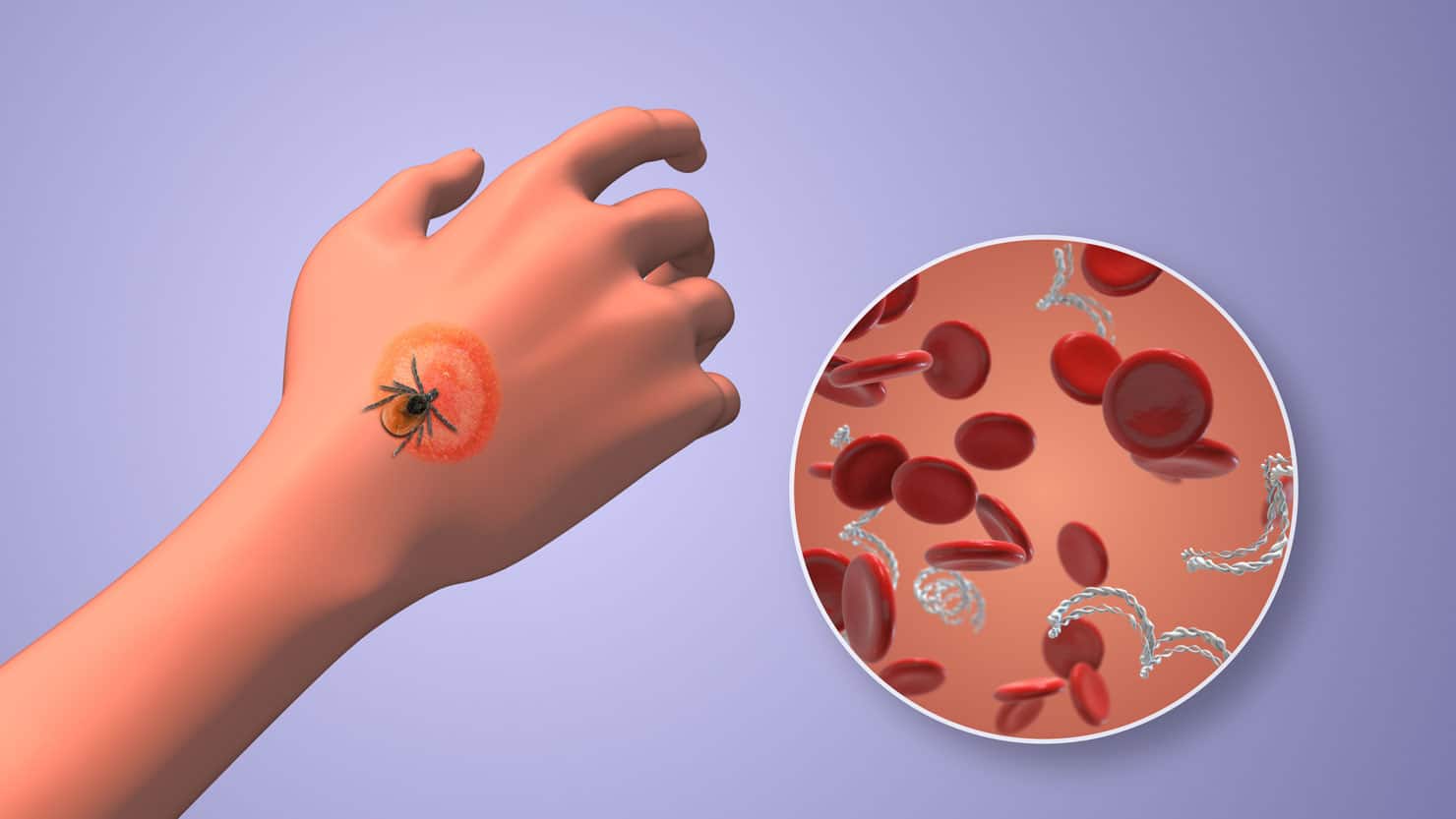
If you've been told your persistent symptoms are “all in your head” after treating Lyme disease with antibiotics, you're not alone, and you're not imagining things. What you're experiencing is very real, and emerging research is finally beginning to shed light on why approximately 10-20% of Lyme disease patients continue to suffer debilitating symptoms long after standard treatment.
I'm sharing this today because I see it in my practice almost daily: patients who've been dismissed, misdiagnosed, and left to suffer in silence. The controversy around chronic Lyme disease has created a chasm between patients desperately seeking answers and a medical system that often fails to acknowledge their reality. But the science is catching up, and what we're learning is both validating and game-changing for those who are struggling.
The Scale of the Problem: More Common Than You Think
Let's start with some sobering statistics. According to the CDC, approximately 476,000 people are diagnosed and treated for Lyme disease each year in the United States, making it far more common than most people realize. To put this in perspective, that's more cases annually than HIV/AIDS, West Nile virus, and malaria combined.
But here's where it gets concerning: while most patients respond well to standard antibiotic therapy, research consistently shows that between 10-20% develop persistent, often debilitating symptoms such as chronic pain, profound fatigue, and cognitive dysfunction. Some studies suggest this number may be even higher, with reports of 36-63% of treated patients experiencing ongoing symptoms.
The National Academies of Sciences, Engineering, and Medicine recently convened a committee of experts specifically to address what they're calling “Lyme Infection-Associated Chronic Illnesses” (Lyme IACI). The very fact that such a prestigious organization is dedicating resources to this issue validates what patients have known all along: this is a real, significant problem affecting potentially hundreds of thousands of Americans.

Why Standard Testing Often Fails Us
One of the most frustrating aspects of Lyme disease is that our current testing misses up to 60% of early-stage cases. The standard two-tiered testing (ELISA followed by Western blot) looks for antibodies against Borrelia burgdorferi, but it can take weeks for your body to develop measurable antibodies, even when the infection is actively causing symptoms.
What's more troubling is that even in endemic areas like where I practice in Colorado, many physicians still aren't thinking about tick-borne infections as a potential root cause of mysterious, migratory symptoms. Patients often go months or even years before getting the right diagnosis, by which time the infection may have disseminated throughout the body.
The Biofilm Revelation: Why Antibiotics Sometimes Fail
Here's where the science gets really fascinating, and it explains so much about why some patients don't recover with standard treatment. Recent groundbreaking research has revealed that Borrelia burgdorferi can form biofilms, which are essentially protective fortresses that make the bacteria up to 1,000 times more resistant to antibiotics than free-floating spirochetes.
Multiple studies using advanced techniques like immunohistochemistry, fluorescent in situ hybridization, and whole-genome sequencing have confirmed the presence of Borrelia biofilms in human tissues (even after extensive antibiotic treatment). In one particularly compelling autopsy study, researchers found Borrelia biofilms marked with alginate (a well-established biofilm marker) in the liver, heart, kidney, and brain tissues of a patient who had received 16 years of antibiotic therapy.
This biofilm formation isn't just theoretical. It's been documented in mouse models and human skin biopsies. The biofilms create a protective matrix that shields the bacteria from both antibiotics and immune system attack, potentially explaining the persistent inflammation and symptoms that so many patients experience.
Beyond the Bacteria: The Complex Pathophysiology
What makes chronic Lyme so challenging is that it's not just about active infection (though emerging evidence suggests that may play a larger role than previously thought). Several mechanisms appear to be at work:
Persistent Infection: Despite what we've been told, multiple studies now show that Borrelia can persist in various forms (spirochetes, biofilms, and potentially intracellular reservoirs) even after standard antibiotic treatment. The bacteria's remarkable ability to adapt and evade the immune system is one reason why it's so difficult to completely eradicate.
Immune Dysregulation: Borrelia has a unique surface protein (BBA57) that impairs the immune system's early efforts to eliminate the bacteria. Research from the University of Maryland found that even without this protein, Borrelia can undergo adaptive genomic changes to continue evading immune detection. The result? Your immune system launches an overwhelming inflammatory response that can persist long after the initial infection.
Inflammatory Cascade: Studies have shown significant infiltration of CD3+ T lymphocytes around Borrelia biofilms, suggesting that the organism triggers chronic inflammation even in its protected biofilm state. This ongoing inflammation can affect multiple body systems: neurological, musculoskeletal, cardiovascular, and gastrointestinal.
Co-infections: Ticks often carry multiple pathogens. Babesia, Bartonella, Anaplasma, and other co-infections can complicate both diagnosis and treatment, each adding their own constellation of symptoms and requiring different therapeutic approaches.

The Devastating Reality of Chronic Symptoms
The symptoms of chronic Lyme disease can be absolutely life-altering. Patients describe:
- Crushing fatigue that doesn't improve with rest
- Cognitive impairment often called “brain fog” (difficulty concentrating, memory problems, word-finding difficulties)
- Migratory joint pain, muscle aches, and nerve pain (tingling, numbness, burning sensations)
- Severe headaches and neck stiffness
- Heart palpitations and neurological symptoms
- Sleep disturbances and mood changes
- Temperature dysregulation and sensory sensitivities
What makes these symptoms particularly challenging is their fluctuating nature. Patients have good days and bad days, which can lead doctors to dismiss their concerns or suggest psychological causes. But research shows these symptoms are 5-10% more common in people who've had Lyme disease compared to the general population, even six months after treatment.
A Comprehensive Treatment Approach
In my practice, I take a multi-pronged approach to chronic Lyme disease that addresses not just potential persistent infection, but also immune support, inflammation, detoxification, and gut health. Here's what the evidence supports:
Pharmaceutical Options
While the CDC maintains that extended antibiotic therapy hasn't shown benefit in clinical trials, many integrative physicians (myself included) see clinical improvement with carefully designed protocols. The key is understanding that standard antibiotics like doxycycline and amoxicillin may not adequately penetrate biofilms or address persister forms of Borrelia.
Research suggests that combination approaches may be more effective:
- Daptomycin combinations: Studies have found that daptomycin combined with doxycycline plus cefoperazone or carbenicillin showed the most promising results in eradicating persister forms of Borrelia in laboratory studies.
- Disulfiram: Originally an anti-alcohol medication, disulfiram has shown remarkable activity against both Borrelia and Babesia in research screenings. Clinical reports suggest benefit in patients with relapsing Lyme disease, though this is still considered off-label use.
- Targeted antimicrobials: Depending on co-infections present, treatments like atovaquone for Babesia or azithromycin for Bartonella may be necessary.
Evidence-Based Herbal Protocols
Here's where the research gets really exciting. A 2020 Johns Hopkins study identified seven botanical medicines with significant anti-Borrelia activity, some of which outperformed standard antibiotics in laboratory tests against stationary-phase (persister) forms of Borrelia:
Top-tier herbs with the strongest evidence:
- Cryptolepis sanguinolenta (Ghanaian quinine): Showed the most potent activity, completely eradicating Borrelia in 7-day treatment studies at 1% concentration. Contains cryptolepine, which has traditional use against malaria and septicemia. The minimum inhibitory concentration (MIC) was remarkably low at 0.25-0.5%. Available as Nutramedix Cryptolepis.
- Japanese Knotweed (Polygonum cuspidatum): Contains high levels of resveratrol, a powerful antioxidant with anti-inflammatory, neuroprotective, and cardioprotective properties. Showed strong activity against both growing and stationary-phase Borrelia with MIC of 0.03-0.06%. This is my go-to first-line herbal for Lyme and also helps with Bartonella co-infections.
- Cat's Claw (Uncaria tomentosa): Used for thousands of years by indigenous Amazonian peoples for inflammatory conditions. Offers immune-modulating properties and has been shown to increase white blood cells including B and T lymphocytes, natural killer cells, and granulocytes. Historically used to treat syphilis before antibiotics were available. Available as Nutramedix Samento.
- Chinese Skullcap (Scutellaria baicalensis): Has potent antimicrobial and immunomodulating properties. When combined with other herbs, it demonstrates powerful synergistic effects. Root extract standardized to >30% baicalin is preferred.
- Sweet Wormwood (Artemisia annua): Contains artemisinin, known for anti-malarial properties. Shows good activity against non-growing forms of Borrelia.
- Black Walnut (Juglans nigra): Demonstrated antimicrobial activity against stationary-phase Borrelia, though clinicians should note the potential side effect of skin pigmentation with long-term use.
Important note: Interestingly, some commonly recommended herbs showed little to no activity against Borrelia in rigorous testing, including andrographis, stevia, grapefruit seed extract, and monolaurin. While these may have other beneficial properties (andrographis is excellent for immune modulation), they may not be the best choices specifically for targeting Borrelia.
For comprehensive microbial and immune support, I also recommend Nutramedix NUTRA-BRT, a synergistic blend designed to support healthy inflammatory response and immune function, and Nutramedix NUTRA-BBS, which provides broad-spectrum microbial and antioxidant support.
Supporting Products from Dr. Jill Health
My clinical experience has taught me that addressing chronic Lyme requires more than just antimicrobials—we need to support the entire terrain. Some products I've formulated specifically to support patients dealing with chronic infections include:
My clinical experience has taught me that addressing chronic Lyme requires more than just antimicrobials. We need to support the entire terrain. Some products I've formulated specifically to support patients dealing with chronic infections include:
- Gut Immune: Features ImmunoLin®, a pure source of immunoglobulin G (IgG) that binds microbes and toxins in the GI tract, supporting gut barrier integrity and healthy immune function. This is crucial since approximately 70-80% of your immune system resides in your gut.
- Ther-Biotic Complete: High-potency probiotic that activates over 1,700 genes involved in immune and inflammatory signaling, helping maintain healthy inflammatory balance during treatment. Also available in 60-capsule size.
- Probiotic 100 Billion Plus: High-dose probiotic support shown to improve immune function and maintain normal inflammatory balance.
- BloodFlowPro and LumbroPro: Contain fibrinolytic enzymes like nattokinase and lumbrokinase that help break down fibrin (a component of biofilms) and support healthy circulation. This is particularly important since Lyme can affect vascular health.
- Gut Shield: With 4g of L-glutamine, DGL licorice, and other gut-supporting nutrients, this helps maintain GI barrier integrity and normal inflammatory balance during antimicrobial treatment.
- Sodium Butyrate: Delivers concentrated butyric acid to support intestinal lining repair, healthy inflammation response, and microbiome balance.
Additional Supportive Therapies
Inflammation Management: Chronic inflammation is a hallmark of persistent Lyme disease. Beyond antimicrobials, I focus on:
- Anti-inflammatory diet (eliminating common triggers like gluten, dairy, and sugar)
- Omega-3 fatty acids, available as Omega 3 Premium
- Curcumin and other polyphenols
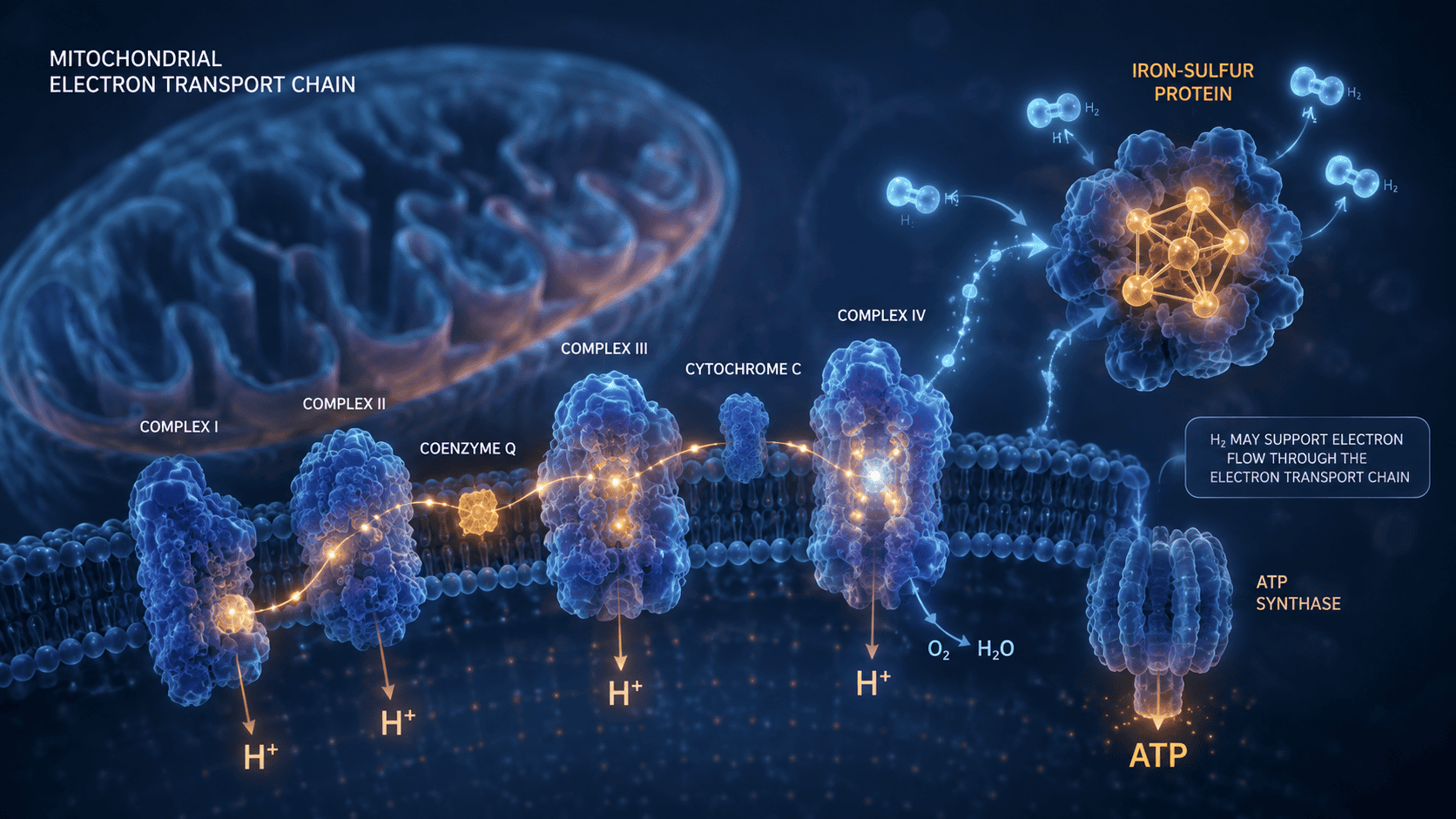
- Supporting mitochondrial function with MitoCore or similar mitochondrial support formulas
Detoxification Support: As microbes die off, they release toxins that can worsen symptoms (Herxheimer reaction). Supporting your body's natural detoxification pathways is crucial:
- Adequate hydration
- Binders such as activated charcoal, bentonite clay, or chlorella
- Liver support
- Lymphatic drainage support
- Ensuring regular bowel movements with MagGlycinate if needed
Addressing Co-infections: In my practice, I've found that addressing co-infections is often the key to full recovery. Different organisms require different approaches. Babesia may need antiparasitics, Bartonella responds to different antimicrobials than Borrelia.
Immune System Optimization: Rather than just killing microbes, we need to strengthen the immune system:
- Correcting nutrient deficiencies with high-quality multivitamins and Vitamin D
- Managing stress
- Optimizing sleep
- Addressing gut dysbiosis with probiotics
- Reducing toxic burden (mold, heavy metals, environmental toxins)
The Path Forward: Hope and Healing
I want to be clear: recovering from chronic Lyme disease is possible, but it requires patience, persistence, and a comprehensive approach. There's no one-size-fits-all protocol because each person's situation is unique based on their co-infections, immune status, toxic burden, and genetic factors.
What gives me hope is that the scientific community is finally catching up to what patients and integrative practitioners have been saying for years. The discovery of biofilms, persister forms, and the complex interplay between infection and immune dysregulation provides a framework for understanding why some patients don't respond to standard treatment.
If you're struggling with persistent symptoms after Lyme disease treatment, please know:
- Your symptoms are real and valid
- You deserve to be heard and taken seriously
- Recovery is possible with the right comprehensive approach
- You are not alone in this journey
Finding the Right Support
Working with a physician trained in complex chronic illness and tick-borne infections is crucial. Organizations like ILADS (International Lyme and Associated Diseases Society) maintain directories of practitioners experienced in treating chronic Lyme disease. I also recommend continuing to educate yourself. Knowledge is power when navigating this complex condition.
At Flatiron Functional Medicine, we specialize in complex chronic conditions including chronic Lyme disease and co-infections. If you're struggling to find answers, I encourage you to reach out for a consultation. You can learn more about our services at jillcarnahan.com and explore supportive products at drjillhealth.com.
A Note on Faith and Resilience
As someone who has personally overcome Crohn's disease and mold illness, I understand the profound journey of chronic illness. In my book “Unexpected: Finding Resilience through Functional Medicine, Science, and Faith,” I share how integrating scientific medicine with spiritual healing and prayer has been transformative, not just for me, but for many of my patients.
There is always hope. Your body has an incredible capacity for healing when given the right support, and sometimes that support includes not just physical interventions but also spiritual and emotional healing. Never underestimate the power of faith, community, and perseverance in your healing journey.
References:
Centers for Disease Control and Prevention. Lyme Disease Surveillance and Data. 2023.
Ursinus J, et al. Prevalence of persistent symptoms after treatment for Lyme borreliosis: A prospective observational cohort study. Lancet Reg Health Eur. 2021;6:100142.
National Academies of Sciences, Engineering, and Medicine. Charting a Path Toward New Treatments for Lyme Infection-Associated Chronic Illnesses. 2024.
Sapi E, et al. The Long-Term Persistence of Borrelia burgdorferi Antigens and DNA in the Tissues of a Patient with Lyme Disease. Antibiotics. 2019;8(4):183.
Sapi E, et al. Evidence for the Presence of Borrelia burgdorferi Biofilm in Infected Mouse Heart Tissues. Microorganisms. 2024;12(9):1766.
Feng J, et al. Evaluation of Natural and Botanical Medicines for Activity Against Growing and Non-growing Forms of B. burgdorferi. Front Med. 2020;7:6.
Zafar K, et al. Current and emerging approaches for eliminating Borrelia burgdorferi and alleviating persistent Lyme disease symptoms. Front Microbiol. 2024.
These statements have not been evaluated by the Food and Drug Administration. The products and protocols mentioned are not intended to diagnose, treat, cure, or prevent any disease. Always consult with your healthcare provider before beginning any new treatment protocol, especially if you have underlying health conditions or are taking medications.









Share: