

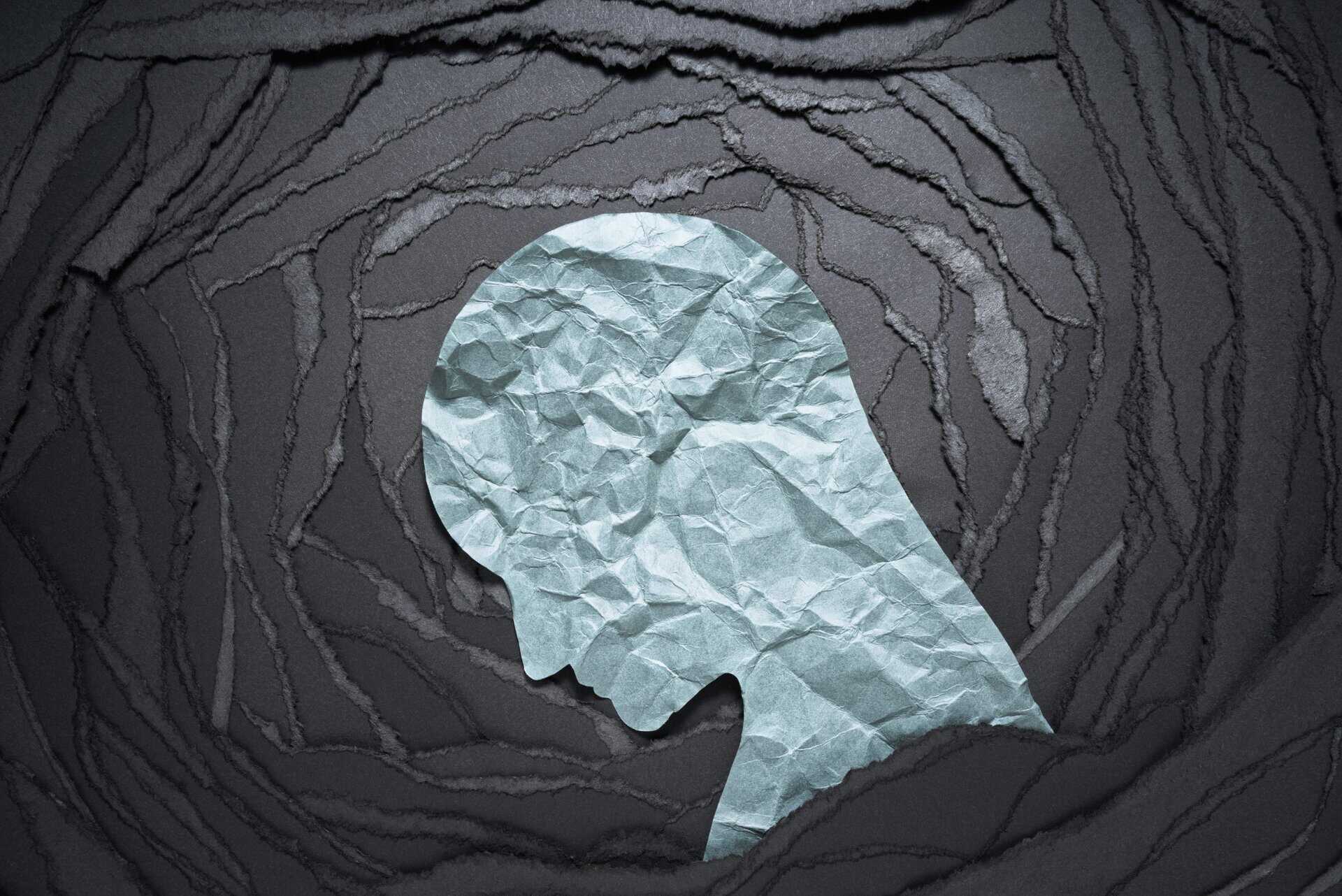
Millions of people do not respond to standard care, and for them living with depression feels like being caught in a relentless cycle where many experience persistent sadness, physical exhaustion, mental fog, irritability, disrupted sleep, and emotional flatness that can make even simple tasks feel overwhelming.
They try several medications, therapy, lifestyle changes, and supplements but nothing seems to bring lasting relief. They feel better for a short period, then the symptoms return, leaving them discouraged and confused about why nothing works.
Many people blame themselves for not getting better, when in reality conventional treatments often fall short because they do not address the underlying root causes driving depression.
In 2021, about 21 million U.S. adults experienced a major depressive episode. And because about 50% do not respond to their first antidepressant trial, combined with research showing that the benefit of antidepressants over placebo has been shown to be not clinically meaningful, a large number of people get trapped in a cycle of persistent symptoms, medication side effects, and dismissing hope as their depression becomes chronic and they are labeled as being treatment-resistant.
A Case Study: Meet John
This was the reality for John, who was diagnosed with major depression at age 18. For more than ten years, he described his depression as a wall between him and the life he wanted. He woke up exhausted, struggled to make decisions, and felt disconnected from life. Every day was a struggle, and even seeing friends and family felt too hard, so he also felt isolated.
After almost a decade of trying more than ten medications, countless supplements, ketamine, psychotherapy, EMDR, and even considering ECT, he began to believe he might never get better.
But something shifted for him when he attended the Healing Depression Project and entered a healing environment that addressed his body, brain, emotions, and daily habits together. Later in this article, we will share more of his story, hear a testimonial from him, and see what his life looks like nearly a year after completing the program.
What's most important is that people living with depression know that there is hope, and whole-person and root-cause approaches are redefining what's possible in psychiatry.
Depression as a Whole-Body Condition: The Scientific Evidence
Most people think of depression as a mental health issue that exists only “in your head.” But groundbreaking research over the past decade reveals something remarkable: depression involves your entire body, from the cells in your gut to the energy factories in your brain. This discovery helps explain why traditional treatments work well for some people but leave others searching for answers.
The Inflammation Connection: Your Body's Hidden Fire
When scientists measure blood samples from people with depression, they consistently find higher levels of inflammatory molecules; the same substances your body produces when fighting an infection or healing from an injury.
A comprehensive study analyzing data from over 10,000 people (5,166 with depression and 5,083 healthy individuals) published in Brain, Behavior, and Immunity (2020) found clear differences in inflammation levels.
What the researchers found: People with depression had notably higher levels of inflammatory markers including:
- C-reactive protein (CRP) – significantly elevated
- Interleukin-6 (IL-6) – significantly elevated
- Tumor necrosis factor-alpha (TNF-α) – significantly elevated
These differences were consistent and meaningful—similar to the difference between having a mild cold that never goes away versus feeling completely healthy. In practical terms, many people with depression have immune systems acting as if they're fighting a chronic, low-grade infection—even when no infection is present.
Think of inflammation like a low-grade fire smoldering throughout your body. While a short burst of inflammation helps heal injuries, chronic inflammation, like a fire that never goes out, can affect how your brain functions and how you feel emotionally.
The Energy and Metabolism Link: When Your Body Can't Process Fuel Properly
Your cells need energy to function, just like a car needs gas. When your body can't process that energy properly, a condition called insulin resistance which directly impacts your mood. Stanford researchers discovered this connection affects millions of Americans.
The Stanford Study found:
- People with insulin resistance have about double the risk of developing major depression
- Higher triglyceride-to-HDL ratio was linked to 89% increased risk (hazard ratio 1.89)
- Those who developed prediabetes within 2 years faced 2.66 times higher risk of depression
To understand these numbers: If 14 out of 100 healthy people developed depression over 9 years (as in this study), then about 26 out of 100 people with insulin resistance would develop it, nearly double.
About 1 in 3 American adults has insulin resistance, often without knowing it. This means millions of people are walking around with a hidden risk factor for depression that could be addressed through diet, exercise, and sometimes medication.
The Cellular Power Crisis: When Your Brain Runs Out of Energy
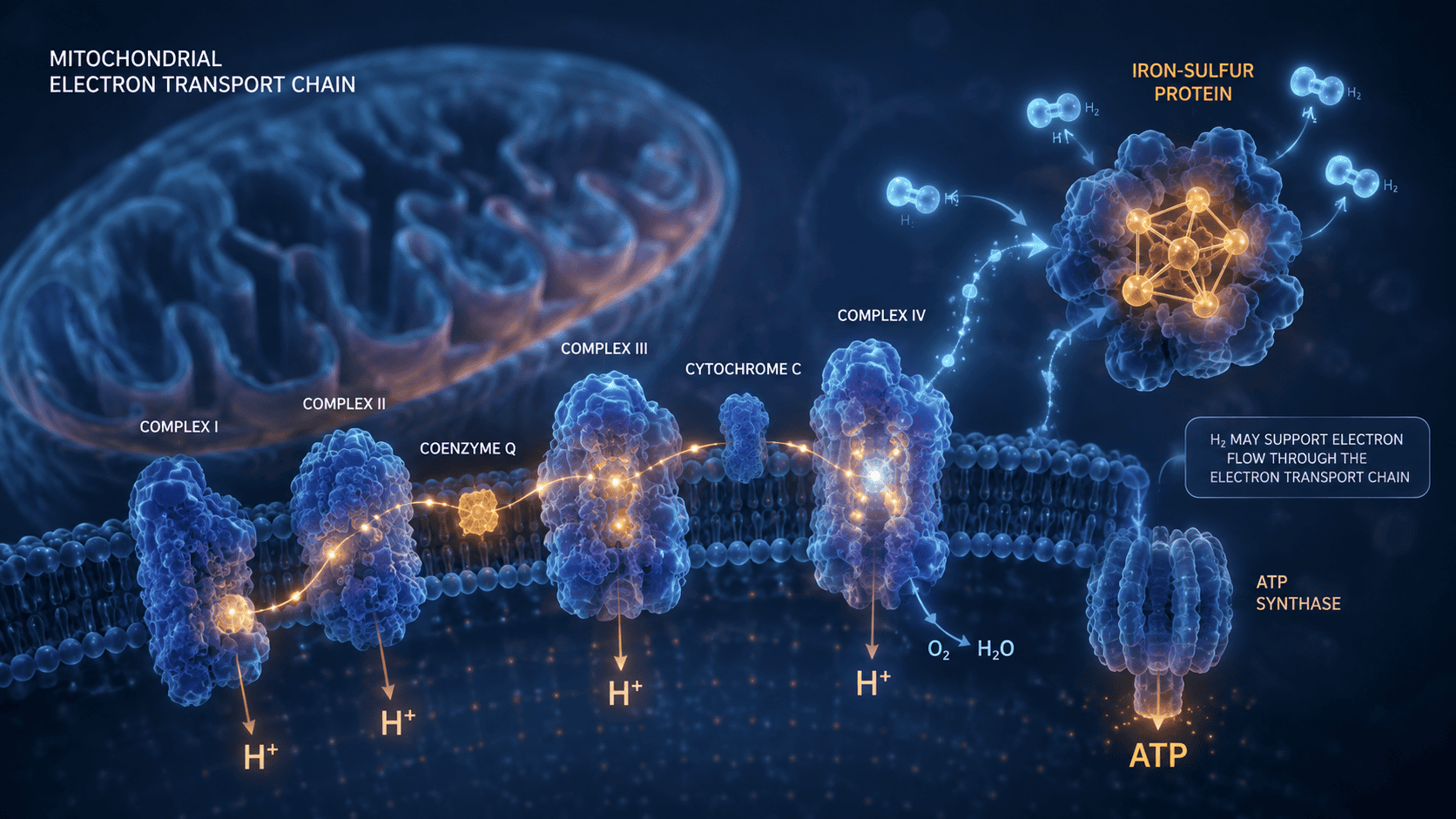
Inside nearly every cell in your body are tiny power plants called mitochondria. They convert the food you eat into energy your cells can use. Your brain uses about 20% of your body's total energy, so when these power plants malfunction, your brain is often the first to suffer.
Research shows that people with depression consistently have problems with their mitochondria:
- Energy production in brain cells is reduced
- The cellular “cleanup crew” that removes damaged parts doesn't work properly
- Communication between brain cells becomes disrupted
Think of it like a city experiencing rolling blackouts, some neighborhoods lose power, phones stop working, and normal daily activities become difficult or impossible.
[Sources: Multiple studies 2021-2024 in CNS Neuroscience & Therapeutics and Biomedicine & Pharmacotherapy]
Imagine your brain cells as a bustling city that suddenly experiences widespread power outages. Some neighborhoods (brain regions) go dark, communication systems fail, and the normal rhythm of daily life gets disrupted. This is what happens when mitochondria aren't working properly.
The Gut-Brain Highway: Your Second Brain's Role
Your gut contains about 500 million neurons (that's more than your spinal cord!) and produces many of the same neurotransmitters as your brain, including 90% of your body's serotonin. Scientists now know that the trillions of bacteria living in your gut (your microbiome) play a crucial role in mental health.
A major systematic review published in Nature Translational Psychiatry (2023) analyzing data from over 2,500 participants found consistent differences in gut bacteria between people with depression and healthy individuals:
People with depression typically have:
- Lower levels of beneficial bacteria that produce anti-inflammatory compounds
- Higher levels of pro-inflammatory bacteria
- Reduced production of short-chain fatty acids – compounds that support brain health
- Altered gut barrier function – allowing inflammatory substances to enter the bloodstream
The most remarkable evidence comes from studies where researchers transplanted gut bacteria from people with depression into healthy mice. The mice developed depression-like behaviors, proving these bacteria can directly influence mood.
How Life Experiences Change Your Biology
Chronic stress and trauma don't just affect your thoughts—they create real, measurable changes in your body:
- About 70% of adults have experienced at least one significant traumatic event
- Trauma and chronic stress can alter how your body responds to challenges for years
- Poor sleep (affecting most people with depression) makes inflammation worse
- Social isolation affects your body similarly to physical injury
Why This Matters: The Path Forward
Understanding depression as a whole-body condition explains why traditional treatments have limitations, only about one in three achieve full recovery with their first antidepressant. Many people need more than medication to achieve remission.
When several of these factors are present, symptoms often persist despite multiple treatment attempts. Real, lasting change requires addressing these root causes together, which is where an immersive and comprehensive approach becomes life-changing for people like John.
This is why the Healing Depression Project is so groundbreaking, because it treats depression by uncovering and addressing biological, metabolic, emotional, and lifestyle root causes that keep people stuck.
Healing Depression Project: A Recovery Approach That Finally Integrates Everything
This is a unique, immersive program created for people who have tried everything and still don’t feel well.
It is a rare program that brings together Functional and Metabolic Psychiatry, trauma healing, and lifestyle transformation in a residential, retreat-style environment where all root causes are addressed together.
What the program includes:
• Functional Medicine Psychiatry
Functional Psychiatrists identify and treat physical root causes through in-depth assessments, specialized labs and testing before arrival, and individualized treatment plans.
• Metabolic Psychiatry & the Therapeutic Ketogenic Diet
A medical-grade ketogenic nutrition protocol created by leading metabolic experts is implemented with full guidance to improve metabolic and brain health and mood stability.
• Lifestyle Transformation Based on Habit Science
Participants learn science-based habits that support long-term wellbeing, including structured morning routines that enhance energy, focus, and positive behavioral and thought patterns.
• Trauma and Nervous System Healing
Psychodrama, somatic therapies, and individual sessions help release unresolved trauma patterns that often keep people stuck.
All of this happens in an immersive 30-day residential retreat, followed by 15 days of guided integration at home to support long-term change and lasting results.
For people like John, this whole-person model is what finally allows symptoms to lift and real transformation to begin. He was part of the first program run, and what's impressive is that the entire group experienced similar results.
Thirty Days to Transformation…
By Day 30, every participant experienced clear, noticeable improvement in how they felt and functioned.
• Everyone reported better mood and more energy
• Most described feeling hopeful and optimistic for the first time in years
• Many noticed clearer thinking, more stable emotions, and improved day-to-day functioning
• The gains were long-lasting for those who continued the ketogenic diet and lifestyle habits after going home
These changes happened in adults who had lived with depression for years and had not improved with other treatments. For many, this was the first time anything had worked and they had made real progress.
These outcomes are unusually strong in psychiatry, but the lived experience is only half the story. Here are the clinical results that support what participants felt.
The Clinical Results Behind These Improvements
Ten participants, ages 28 to 66, enrolled in the program. On average, they had lived with treatment-resistant depression for more than twenty years.
Outcomes were measured with four widely used and clinically validated assessment tools:
- Hamilton Depression Rating Scale (HAM-D17)
- Beck Depression Inventory (BDI-II)
- 9-Question Patient Health Questionnaire (PHQ-9)
- Generalized Anxiety Disorder Scale (GAD-7)
- 100% of Participants Improved
Every participant showed significant improvement by Day 30, with group mean symptom reductions of 60–73% across all four scales. - Up to 90% Reached Remission or Mild Severity
By Day 30, 80% were in remission or minimal range on BDI-II, and 90% were in remission or mild on HAM-D17. No one remained in the severe range. - Exceptionally Large Treatment Effects
Cohen’s d (within-subjects) values of 1.6–2.3 across validated scales, far exceeding the effect sizes typically reported for antidepressants. (For context, design differs, a PLOS Medicine meta-analysis estimated the antidepressant effect, after removing placebo, at about 0.30 standard deviations.) - Long-Term Outcomes
At the 6-month follow-up (latest time point available at the time of publishing), the mean BDI-II remained in the mild range (17.0), nearly 50% lower than baseline (32.3). Overall, 70% of participants were still in remission, minimal, or mild range. At baseline, the group averaged severe depression.
Case study continued…
Coming back to John, let’s see how the program felt for him and how he is doing now. By the end of the program, John described his experience as a complete transformation in both mind and body. The depression that had ruled his life for more than ten years was no longer in control.
In his own words:
“This program not only changed my life, it actually gave me a new one. A lifestyle change, together with the tools I learned here, has done more for me in 30 days than medication did in ten years. I feel as if a huge weight has been lifted. I have so much more love for myself, and now I truly believe the sky is the limit for me.”
Almost a year later (at the time of publishing), John is still in full remission. He wakes up early, exercises, eats in a way that keeps his brain stable, and has become the morning person he always wished he could be. He is working, in a healthy relationship, and actively building a future he feels excited about.
John’s experience was not unique. Sandy, a 62-year-old participant who had been suffering from depression for more than three decades, described her transformation like this: “For so long, I identified with depression, it was who I was. Now I don’t even recognize that person. This program has been a gift. I feel like a completely different person. I feel like a part of me has come back to life. I have no desire to go lay in bed, just have too much to do, too much life to live. This must be how it feels to live without depression.”
If You’ve Been Struggling Without Relief, This Program May Be the Turning Point
Stories like John’s and Sandy’s show what becomes possible when depression is addressed at the biological, metabolic, emotional, and lifestyle levels at the same time.
If you are wondering whether this program could finally help you feel better, the next step is simple. You can book a free call to explore whether this approach is right for you.
The Healing Depression Project only runs two programs a year, each limited to 10 participants so the team can focus deeply on each person’s care. Early application is encouraged.
The next program begins on March 1, 2026, and applications are being reviewed now in December 2025 and early January 2026, so this is an ideal time to reach out.
They offer limited scholarships that can cover up to 70% of the investment.
If you would like to find out if this approach is right for you and if you qualify for a scholarship, you can book a short, friendly conversation with the team.
For clinicians: If you have a patient who may benefit from this program, you can connect with the team here and the program director will reach out to you.
P.S. Many participants say the hardest step was simply reaching out. If you have been struggling for a long time, a short call can be the beginning of getting your life back. Scheduling now gives you the best chance at securing a scholarship and one of the ten spots in the next program.
About the Program Leadership of Healing Depression Project
The Healing Depression Project is led by internationally recognized experts including:
- Dr. Kat Toups, MD, DFAPA, IFMCP – Research Director and leading authority in Functional Medicine Psychiatry
- Dr. Achina Stein, DO, DFAPA, ABIHM, FACN, IFMCP – Clinical Director and bestselling author
- Beth Zupec-Kania, RDN, CD – Renowned ketogenic therapy expert
- Stacey Johnson, LPC, MAMFT – Trauma and therapy specialist
This unprecedented collaboration brings together the most advanced, evidence-based approaches to create a truly transformative healing experience.
* These statements have not been evaluated by the Food and Drug Administration. The product mentioned in this article are not intended to diagnose, treat, cure, or prevent any disease. The information in this article is not intended to replace any recommendations or relationship with your physician. Please review references sited at end of article for scientific support of any claims made.



3 Comments
Hi Jill
Is this program online, or does the patient have to travel to participate ?
it is a residential program
This collage shows exactly what it feels like. I had an adverse drug reaction 15+ years ago rendering me comletely unable to fall asleep naturally. 15 years later, almost no med will give me sleep. It’s true agony… the depression and hopelessness are complete. Before this, I was truly joyful and productive.
Share: