



As both a functional medicine physician and someone who has personally battled environmental illness, I've learned that the air we breathe carries more than just oxygen—it carries invisible threats that can profoundly impact our health. Today, I want to share something that should concern us all: the emerging science linking ambient air pollution to devastating neurological diseases, including Alzheimer's disease and dementia.
The Invisible Enemy We All Face
Every single day, we're exposed to microscopic particles floating in the air around us. These particles—categorized by size as PM10, PM2.5, and PM1.0 (also called ultrafine particles or PM0.1)—are so small that they slip past our body's natural defenses and travel deep into our lungs, bloodstream, and even our brains.
Think about that for a moment. The air pollution you're breathing right now isn't just irritating your lungs—it's potentially reaching your brain and accelerating cognitive decline.
According to the World Health Organization, no country in the world met safe air quality standards in 2019. We're all breathing polluted air, and the health consequences are staggering: air pollution contributes to more deaths than wars, malaria, tuberculosis, HIV, and other infectious diseases combined.

Understanding the Three Types of Particulate Matter
Not all air pollution particles are created equal. The size of these particles determines where they travel in your body and how much damage they can cause:
PM10 (Coarse Particles) These particles are 10 micrometers in diameter or less—about one-seventh the width of a human hair. PM10 includes dust from construction sites, landfills, agriculture, wildfires, pollen, and fragments of bacteria. These larger particles tend to deposit in the upper airways of your lungs.
PM2.5 (Fine Particles) Fine particulate matter measures 2.5 micrometers or less in diameter—30 times smaller than a human hair. PM2.5 primarily comes from combustion sources: vehicle exhaust, power plants, diesel fuel, wood burning, and wildfires. Because of their smaller size, these particles travel deeper into your lungs and can enter your bloodstream. PM2.5 is the most studied form of air pollution and has been linked to premature mortality, heart attacks, strokes, and cognitive decline.
PM1.0 and PM0.1 (Ultrafine Particles) The smallest and potentially most dangerous category includes particles measuring 1 micrometer or less, with ultrafine particles (PM0.1) measuring just 0.1 micrometers or smaller—some as tiny as 0.003 microns. These nanoparticles are so minute that they can cross directly from your lungs into your bloodstream, travel throughout your entire body, cross the blood-brain barrier, and even travel up your olfactory nerves directly into your brain. Research shows that ultrafine particles cause more inflammation, stay in the lungs longer, and may be more toxic than larger particles.
The Alzheimer's Connection: Groundbreaking New Research
A landmark study published in JAMA Neurology in 2025 examined the brains of 602 individuals after death and made a disturbing discovery: exposure to higher levels of PM2.5 was directly associated with more severe Alzheimer's disease brain pathology.
Here's what the researchers found:
- Higher PM2.5 exposure was linked to increased odds of more severe Alzheimer's neuropathologic changes in the brain
- Greater PM2.5 exposure correlated with worse cognitive and functional impairment during life
- Remarkably, 63% of the association between air pollution and cognitive decline was mediated by actual Alzheimer's disease brain changes—meaning the pollution wasn't just correlating with symptoms, it was actually driving the disease process itself
This study provides the “smoking gun” we've been looking for—concrete evidence that air pollution doesn't just correlate with dementia risk, it actively accelerates the toxic protein buildup and brain changes characteristic of Alzheimer's disease.
Air Pollution's Devastating Impact on Brain Health
The connection between air pollution and neurological disease goes far beyond Alzheimer's. Multiple large-scale studies have now demonstrated that exposure to PM2.5 and other pollutants significantly increases risk for:
Dementia and Cognitive Decline A 2025 systematic review in The Lancet Planetary Health found strong evidence linking long-term air pollution exposure to increased dementia risk. An NIH-funded study estimated that as many as 188,000 cases of dementia per year in the United States might be attributable to PM2.5 exposure alone. The research showed that PM2.5 from agriculture and wildfires posed particularly high risks.
Parkinson's Disease and Lewy Body Dementia Groundbreaking research published in Science revealed that PM2.5 exposure accelerates the development of Lewy body dementia and Parkinson's disease with dementia in genetically predisposed individuals. For every 4.14 μg/m³ increase in PM2.5 exposure, the risk of hospitalization for Parkinson's disease dementia increased by 17%, and for dementia with Lewy bodies by 12%.
Brain Inflammation and Cognitive Impairment Studies show that PM2.5 triggers systemic inflammation, with elevated white blood cell counts—particularly monocytes—mediating a significant portion of pollution's effects on cognitive processing speed. This systemic inflammatory response can cross the blood-brain barrier and trigger neuroinflammation, microglial activation, and oxidative stress in brain tissue.
How Air Pollution Attacks Your Brain: The Mechanisms
Understanding how air pollution damages your brain helps us appreciate the urgency of this issue. Research has identified several pathways:
- Direct Brain Entry: Ultrafine particles can travel up olfactory nerves from your nose directly into your brain, bypassing the blood-brain barrier entirely.
- Blood-Brain Barrier Disruption: Air pollutants can damage and increase permeability of the blood-brain barrier, allowing toxins greater access to brain tissue.
- Systemic Inflammation: Pollution particles trigger inflammatory responses throughout your body, with inflammatory molecules then crossing into the brain and activating microglia (your brain's immune cells).
- Oxidative Stress: The metal and organic components of particulate matter generate free radicals that cause oxidative damage to neurons and other brain cells.
- Protein Misfolding: PM2.5 exposure appears to accelerate the misfolding and aggregation of proteins like amyloid-beta (in Alzheimer's) and alpha-synuclein (in Parkinson's and Lewy body dementia).
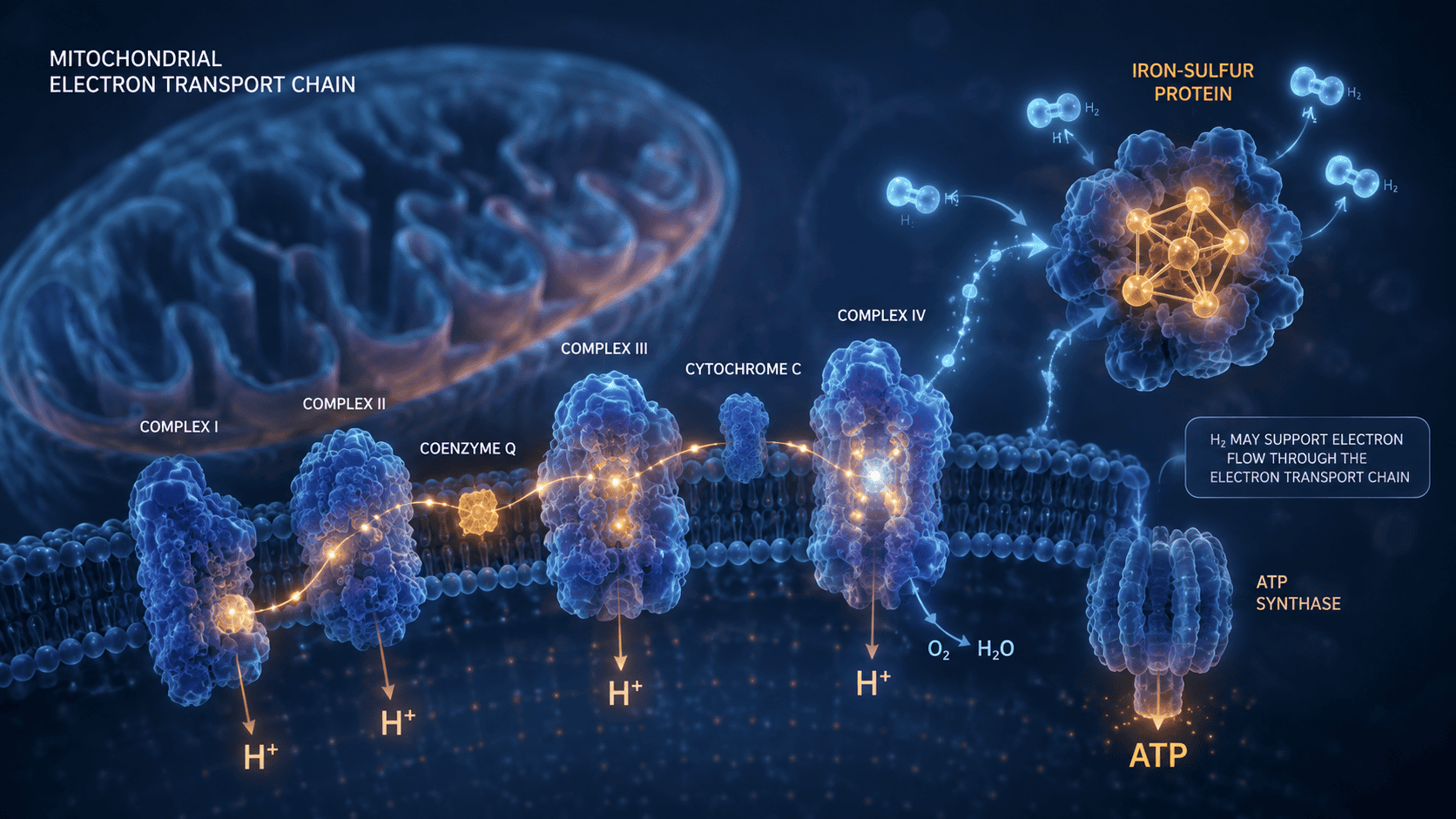
- Mitochondrial Dysfunction: Air pollutants can damage cellular power plants, reducing energy production in brain cells.
The Cardiovascular Connection
While brain health is my focus today, I can't ignore air pollution's devastating impact on your heart and blood vessels—which ultimately affects brain health too. Research shows that PM2.5 exposure significantly increases risk for:
- Heart attacks and sudden cardiac death
- Stroke and cerebrovascular disease
- Atherosclerosis (plaque buildup in arteries)
- Hypertension and heart rhythm disturbances
- Heart failure hospitalizations
The World Heart Federation reported that PM2.5 is linked to 1.9 million deaths from ischemic heart disease and 900,000 deaths from stroke annually. Cardiovascular disease accounts for almost 70% of deaths attributed to ambient air pollution.
As a functional medicine physician, I see these systems as interconnected. When pollution damages your cardiovascular system, it reduces blood flow and oxygen delivery to your brain, creating a perfect storm for cognitive decline.
Beyond the Brain: Air Pollution's Full Body Assault
The health impacts of particulate matter extend to nearly every organ system:
Respiratory System: Asthma exacerbations, COPD progression, lung cancer, and increased respiratory infections
Metabolic Health: Increased risk of type 2 diabetes, with studies showing significant associations between PM2.5 and PM10 exposure and diabetes development
Immune Function: Altered immune responses, increased susceptibility to infections, and potential exacerbation of autoimmune conditions
Pregnancy and Development: Low birth weight, preterm birth, and developmental issues in children
Cancer Risk: Certain air pollutants are classified as Group 1 carcinogens by the World Health Organization
Who's Most Vulnerable?
While air pollution affects everyone, certain populations face elevated risks:
- The Elderly: Older adults experience the most severe health consequences from pollution exposure
- Those with Pre-existing Conditions: People with heart disease, lung disease, diabetes, or neurological conditions are more vulnerable
- Children: Developing brains and bodies are particularly susceptible to pollution's toxic effects
- Pregnant Women: Both maternal and fetal health can be compromised by air pollution exposure
- People Living Near High-Traffic Areas: Those residing close to roadways, airports, or industrial zones face higher exposure levels
- Genetically Susceptible Individuals: People with certain genetic variants (like APOE ε4 for Alzheimer's risk) may be more vulnerable to pollution's effects
A Functional Medicine Approach to Protection
As someone who has personally recovered from environmental illness, including toxic mold exposure (which shares many mechanisms with air pollution toxicity), I know that we can't wait for perfect air quality to take action. Here's my functional medicine approach to protecting yourself:
1. Monitor and Minimize Exposure
- Check Air Quality Daily: Use the EPA's AirNow.gov or similar apps to monitor your local air quality index
- Stay Indoors on Poor Air Quality Days: When PM2.5 levels are elevated, limit outdoor activities
- Avoid High-Traffic Times and Areas: Peak traffic hours produce the highest pollution levels
- Close Windows During Poor Air Quality: Don't let outdoor pollution infiltrate your home
2. Purify Your Indoor Air
Since we spend 90% of our time indoors, indoor air quality is critical:
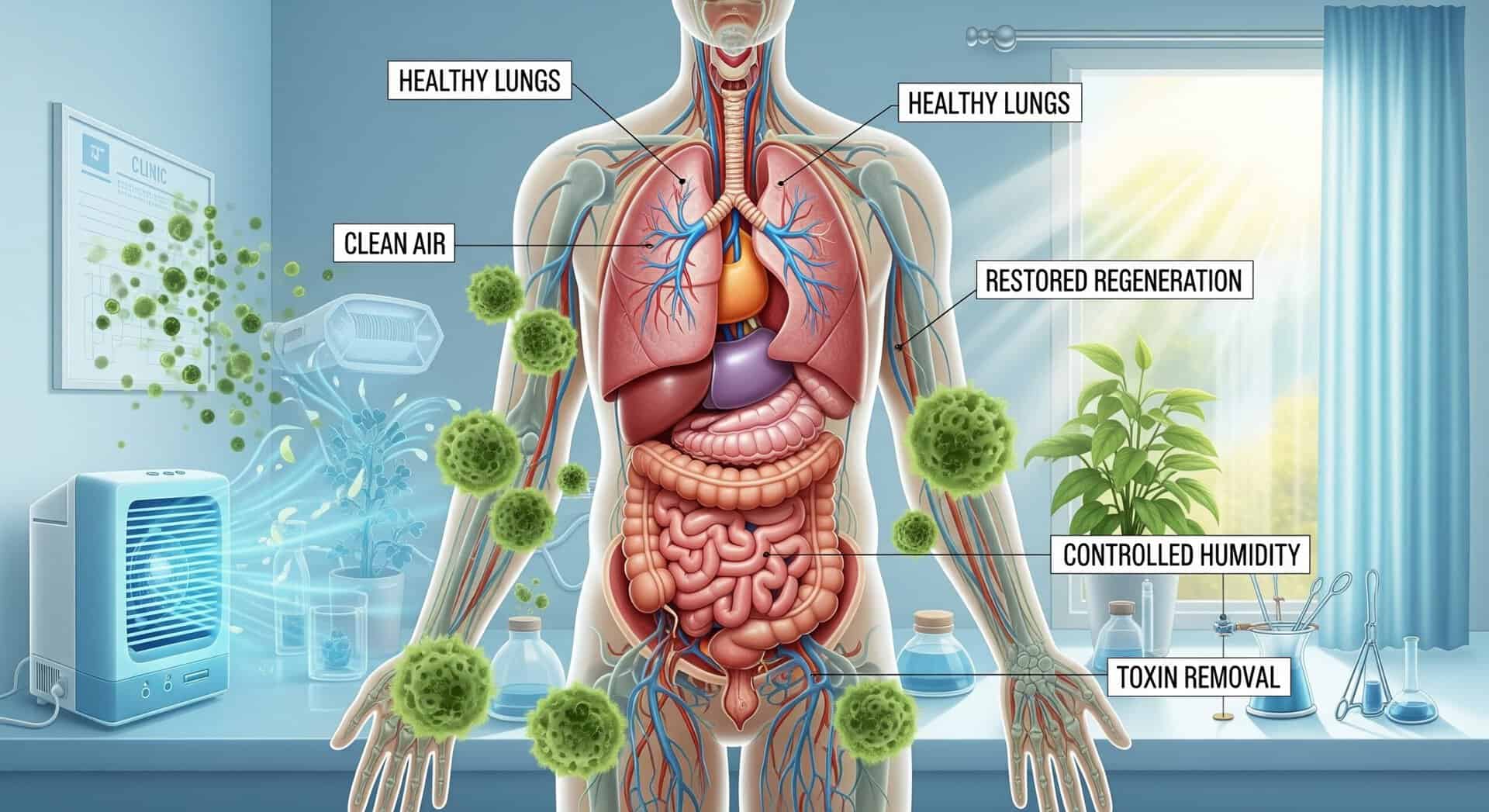
- Invest in High-Quality Air Purifiers: Use HEPA filters combined with activated carbon filtration. I recommend medical-grade air purifiers for bedrooms and main living areas
- Maintain HVAC Systems: Use MERV 13 or higher filters and keep systems well-maintained
- Control Indoor Humidity: Keep levels below 50% to prevent mold growth, which compounds air pollution's toxic effects
- Eliminate Indoor Pollution Sources: Avoid smoking, limit wood burning, use low-VOC products, and ensure proper ventilation when cooking
- Add Air-Purifying Plants: While not a replacement for mechanical filtration, plants can help improve indoor air quality
For air purification solutions, I recommend high-quality air filtration systems designed specifically for those with environmental sensitivities.
3. Support Your Body's Detoxification Pathways
Your body has natural mechanisms to eliminate toxins, but they need support:
Optimize Liver Function: The liver is your body's primary detox organ. Support it with:
- Cruciferous vegetables (broccoli, Brussels sprouts, cauliflower)
- Sulfur-rich foods (garlic, onions)
- High-quality protein for phase II detoxification
- Milk thistle (Siliphos) for liver protection and antioxidant support
- NAC (N-acetyl cysteine) to boost glutathione production
- Glutathione Essentials – the master antioxidant for cellular detoxification
- Liver Sauce – a comprehensive blend of drainage botanicals with R-Lipoic acid and milk thistle
Enhance Elimination Pathways:
- Stay well-hydrated to support kidney function
- Ensure regular bowel movements (at least once daily)
- Support lymphatic drainage through movement and massage
- Consider infrared sauna therapy to promote toxin excretion through skin
Use Strategic Binders: Just as I've used binding agents for mold toxicity, certain compounds can help bind and eliminate air pollution particles and their metabolites. ZeoBind Plus combines zeolite, activated charcoal, humic and fulvic acids for comprehensive binding capacity.
4. Reduce Inflammation and Oxidative Stress
Since air pollution works primarily through inflammatory and oxidative pathways, we can intervene:
Anti-inflammatory Diet:
- Emphasize colorful fruits and vegetables rich in antioxidants
- Include omega-3 fatty acids from wild-caught fish or algae
- Use anti-inflammatory spices like turmeric, ginger, and rosemary
- Minimize processed foods, sugar, and inflammatory oils
Key Supplements (work with your healthcare provider on dosing):
- Omega-3 Fatty Acids: Reduce systemic inflammation and support brain health
- Vitamin D: Supports immune function and reduces inflammation
- N-Acetyl Cysteine (NAC): Boosts glutathione, your master antioxidant
- Glutathione Essentials: The body's most powerful antioxidant for cellular protection
- Omega Curcumin: Combines highly absorbable fish oil with turmeric extract for powerful anti-inflammatory support
- Resveratrol: Supports cardiovascular and brain health
- Alpha-Lipoic Acid: Regenerates other antioxidants and crosses the blood-brain barrier
- B Vitamins: Support methylation and detoxification pathways
5. Protect Your Brain Health Specifically
Support Blood-Brain Barrier Integrity:
- Ensure adequate omega-3 intake
- Optimize vitamin D levels
- Consider phosphatidylserine and phosphatidylcholine supplementation
- Manage blood sugar to prevent glycation damage
Enhance Neuroplasticity and Resilience:
- Engage in regular cognitive stimulation
- Prioritize quality sleep (7-9 hours nightly)
- Practice stress reduction techniques
- Consider lion's mane mushroom for nerve growth factor support
Support Mitochondrial Function:
- CoQ10 supplementation
- NAD+ precursors and ATP support (NMN or NR)
- PQQ for mitochondrial biogenesis
- Regular exercise to enhance mitochondrial health
6. Address the Connection to Mold and Other Environmental Toxins
As I've discussed extensively in my articles on mold toxicity and environmental illness, air pollution doesn't exist in isolation. Many people exposed to outdoor air pollution are also dealing with indoor environmental toxins like mold, which can compound the toxic burden.
If you're struggling with unexplained neurological symptoms, brain fog, or cognitive decline, consider comprehensive environmental testing. The synergistic effects of multiple toxins—mold, air pollution, heavy metals, chemicals—can overwhelm your body's detoxification capacity.
The Bigger Picture: Environmental Health is Personal Health
Here's what I want you to understand: your health doesn't exist in a vacuum. The quality of the air you breathe, the water you drink, and the environment you live in profoundly impacts your wellbeing at the cellular level.
The research I've shared today isn't meant to frighten you—it's meant to empower you. While we can't individually control outdoor air quality in our cities, we absolutely can:
- Control our indoor air quality
- Support our body's natural detoxification systems
- Reduce inflammation through diet and lifestyle
- Make informed choices about where we live and spend time
- Advocate for cleaner air policies in our communities
As the 2020 Lancet Commission on dementia prevention, intervention, and care recognized, air pollution is now considered a modifiable risk factor for dementia. That means we can do something about it.
The power of root cause medicine—which I write about in my book Unexpected: Finding Resilience Through Functional Medicine, Science and Faith—lies in addressing the fundamental factors driving disease. Air pollution is one of those factors, and now you have the knowledge and tools to address it.
Your Action Plan: Starting Today
Don't wait for perfect conditions to take action. Here are three things you can do right now:
- Assess Your Exposure: Check your local air quality index and identify your highest-risk exposure times and locations. Consider where you live—proximity to major roadways, industrial areas, or airports increases exposure.
- Upgrade Your Indoor Air: Start with one high-quality air purifier for your bedroom. You spend a third of your life sleeping—make that time count for healing. Find medical-grade options here.
- Support Your Detox Pathways: Begin with the basics—stay hydrated, eat antioxidant-rich foods, ensure daily bowel movements, and consider adding NAC and glutathione supplementation after consulting with your healthcare provider.
A Message of Hope
I know this information can feel overwhelming. As someone who has personally battled severe environmental illness and recovered, I want you to know this: your body has remarkable healing capacity when given the right support.
Yes, air pollution is a serious threat. Yes, the science linking it to Alzheimer's disease and other neurological conditions is compelling and alarming. But we are not powerless.
Every breath you take in clean, filtered air is an investment in your brain health. Every anti-inflammatory meal you eat supports your body's resilience. Every night of quality sleep allows your brain to clear toxins through the glymphatic system. These actions compound over time.
The power of root cause medicine—which I write about in my book Unexpected: Finding Resilience Through Functional Medicine, Science and Faith—lies in addressing the fundamental factors driving disease. Air pollution is one of those factors, and now you have the knowledge and tools to address it.
Remember, healing is possible. You don't have to be a passive victim of environmental factors beyond your control. By taking intentional steps to protect yourself, support your body's natural defenses, and reduce your toxic burden, you can preserve and even restore your cognitive vitality.
Continue Your Journey to Environmental Wellness
To dive deeper into environmental health and detoxification:
- Read my comprehensive guide: The Next Generation of Mold Detox
- Learn about environmental toxins: Everything You Need to Know About Mold Toxicity
- Explore gut health connections: Unraveling the Connection: Mold, Mast Cells, and Gut Health
- Shop environmental health solutions at Dr. Jill Health
Your brain is precious. Your cognitive clarity, your memories, your ability to think and feel and love—these are worth protecting. The air you breathe matters more than you ever imagined.
Let's clear the air and protect our brains together.
References:
Ambient Air Pollution and the Severity of Alzheimer Disease Neuropathology — Zhang X. et al., JAMA Neurology, 2025
Long-term Air Pollution Exposure and Incident Dementia: A Systematic Review and Meta-analysis — Rogowski C. B. et al., The Lancet Planetary Health, 2025
The Health Effects of Ultrafine Particles — Schraufnagel D. E., Experimental & Molecular Medicine, 2020
World Heart Report 2024: Air Pollution and Cardiovascular Disease — World Heart Federation, 2024
Inhalable Particulate Matter and Health (PM2.5 and PM10) — California Air Resources Board, 2024
Air Pollution Linked to Dementia Cases — National Institutes of Health, 2025
The Role of Leukocytes in Cognitive Impairment Due to Long-term Exposure to Fine Particulate Matter — Aretz B. et al., Alzheimer’s & Dementia, 2024
This article is for educational purposes only and is not intended to diagnose, treat, cure, or prevent any disease. Always consult with your healthcare provider before making changes to your health regimen.











Share: