

By Jill Carnahan, MD, ABIHM, ABoIM, IFMCP | Flatiron Functional Medicine, Louisville, Colorado
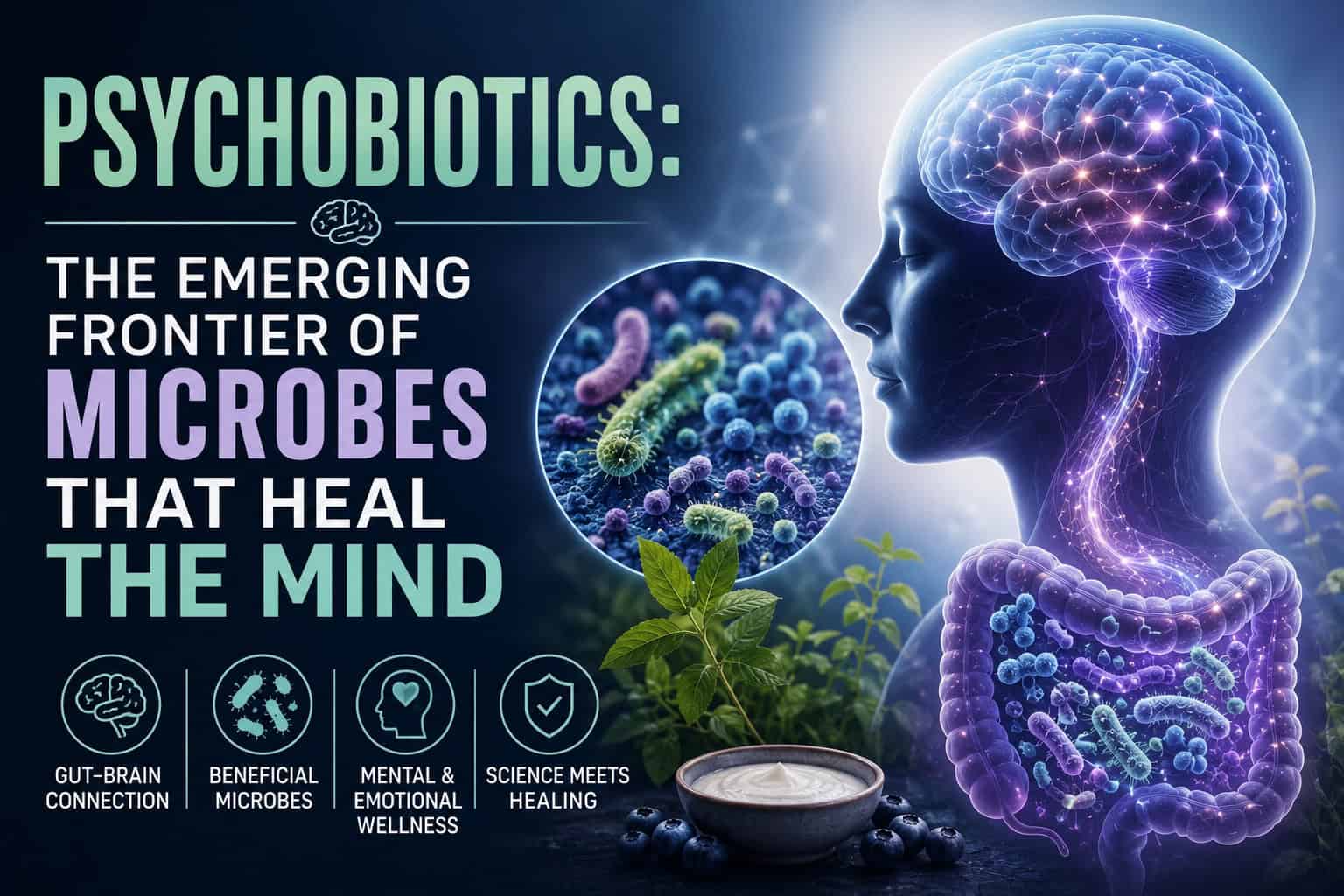
“All disease begins in the gut.” Hippocrates whispered this truth more than two thousand years ago. Modern science is finally catching up, and what we are discovering is breathtaking: within the trillions of microbes that call your intestines home lives a pharmacy more sophisticated than anything humans have ever engineered. Your gut bugs make neurotransmitters. They calm your stress response. They shape your mood, your memory, and your very sense of self.
For decades, we treated mental health as if the brain existed in isolation, a single organ dysfunctioning on its own. We prescribed medications that targeted synapses and neurotransmitter reuptake, often with modest results and frequent side effects. Yet patients kept asking the same question: why does my anxiety get worse when my gut is inflamed? Why does my depression lift when I clean up my diet? Why do my digestive symptoms and my brain fog rise and fall together?
The answer has been hiding in plain sight. A groundbreaking 2024 review by Braga, Thongngam, and Kumrungsee published in npj Science of Food explored how gamma-aminobutyric acid (GABA), the primary calming neurotransmitter in your brain, is also produced in astonishing quantities by specific strains of gut bacteria. This discovery sits at the heart of a revolutionary new field called psychobiotics: live microorganisms that, when consumed in adequate amounts, confer measurable mental health benefits through the gut-brain axis.
As a functional medicine physician who has personally walked through Crohn’s disease, breast cancer, and toxic mold illness, I know firsthand how deeply the gut shapes every aspect of health, including emotional resilience. Today I want to share with you the extraordinary science of psychobiotics, the strains that are changing lives in my clinic, and how you can harness their power to reclaim your own well-being.
| Key TakeawayPsychobiotics are a specialized class of probiotics that produce or stimulate neurotransmitters, short-chain fatty acids, and anti-inflammatory compounds, offering a drug-free pathway to support anxiety, depression, cognitive function, and stress resilience through the gut-brain axis. |

What Exactly Are Psychobiotics?
The term psychobiotic was coined in 2013 by neuroscientists Ted Dinan, Catherine Stanton, and John Cryan in a Biological Psychiatry paper that defined a psychobiotic as a live organism that, when ingested in adequate amounts, produces a health benefit in patients suffering from psychiatric illness. The definition has since expanded to include prebiotics (compounds that feed beneficial bacteria), synbiotics (combinations of probiotics and prebiotics), and postbiotics (bioactive metabolites produced by microbes).
What separates psychobiotics from ordinary probiotics is their extraordinary ability to influence the central nervous system. These special microbes produce and modulate an entire pharmacy of neuroactive compounds: gamma-aminobutyric acid (GABA), serotonin, dopamine, acetylcholine, short-chain fatty acids, and anti-inflammatory cytokines. They speak directly to your brain through the vagus nerve, the immune system, the endocrine system, and metabolic pathways.
In a 2024 systematic review published in Nutrients by Cruz-Mosquera and colleagues, researchers examined 51 randomized clinical trials involving 3,353 patients and found a notably high measurement of effectiveness for psychobiotics, particularly for the treatment of depression symptoms. Most successful trials used strains from the Lactobacillus and Bifidobacterium genera over periods ranging from 4 to 24 weeks.
How Psychobiotics Differ from Traditional Probiotics
Traditional probiotics primarily support digestive function by promoting microbial diversity and competing with harmful organisms. Psychobiotics go further. They are selected specifically for their documented ability to:
- Produce neurotransmitters like GABA, serotonin, and dopamine directly in the gut
- Modulate the hypothalamic-pituitary-adrenal (HPA) axis and reduce cortisol
- Generate short-chain fatty acids (acetate, propionate, butyrate) that support gut barrier integrity and influence brain function
- Strengthen the intestinal barrier and reduce systemic neuroinflammation
- Signal the brain through vagus nerve activation and immune-mediated pathways
The Gut-Brain Axis: Your Body’s Most Fascinating Conversation
To truly appreciate psychobiotics, you must first understand the gut-brain axis. This is the bidirectional communication superhighway connecting the 500 million neurons of your enteric nervous system (often called your “second brain”) with the 100 billion neurons of your central nervous system. Four primary routes carry these molecular messages.
1. The Neural Pathway: The Vagus Nerve Superhighway
The vagus nerve is the tenth cranial nerve and the longest in the autonomic nervous system. It wanders from your brainstem to every major organ. Approximately 80 percent of its fibers carry sensory information from the gut upward to the brain. Landmark research by Bravo and colleagues, published in PNAS in 2011, demonstrated that ingestion of a specific Lactobacillus strain regulated emotional behavior and central GABA receptor expression in mice, an effect completely abolished when the vagus nerve was severed.
2. The Immune Pathway: Calming Neuroinflammation
Psychobiotics influence neuroinflammation through sophisticated immunomodulatory mechanisms. They reduce proinflammatory cytokines such as IL-1β, TNF-α, and IL-6, while promoting anti-inflammatory mediators like IL-10. This matters enormously because chronic low-grade neuroinflammation is now recognized as a central driver of depression, anxiety, and cognitive decline.
When your gut barrier becomes permeable (the condition known as leaky gut), bacterial fragments called lipopolysaccharides (LPS) translocate into the bloodstream. These endotoxins activate microglia, the immune cells of the brain, triggering the exact neuroinflammatory cascade implicated in Alzheimer’s, Parkinson’s, and major depressive disorder. Psychobiotics help seal the gut barrier and quiet this inflammatory fire.
3. The Endocrine Pathway: Rebalancing the HPA Axis
Chronic stress dysregulates the hypothalamic-pituitary-adrenal axis, resulting in cortisol patterns that fuel anxiety, insomnia, and inflammation. The combination of Lactobacillus helveticus R0052 and Bifidobacterium longum R0175 was shown by Messaoudi and colleagues in a 2011 British Journal of Nutrition study to reduce psychological distress, anxiety, depression, and 24-hour urinary cortisol in healthy human subjects.
4. The Metabolic Pathway: Postbiotic Messengers
Here we arrive at the revelation at the heart of the 2024 npj Science of Food paper. Your gut bacteria are tiny biochemical factories producing an astonishing array of neuroactive metabolites. Chief among them is GABA, the primary inhibitory neurotransmitter of the mammalian brain.
| Clinical Pearl: The GABA ConnectionGut bacteria such as Bifidobacterium adolescentis, Lactobacillus brevis, Lactobacillus plantarum, and certain Bacteroides species produce GABA through the glutamic acid decarboxylase (GAD) enzyme system. Among these, Bacteroides species are remarkable because they can produce GABA at the physiological pH of the human large intestine (approximately pH 5.7 to 7.4), whereas acid-tolerant pathogens such as E. coli only produce GABA when pH drops below 5.5. Imbalances in these GABA-producing communities have been directly linked to depression, anxiety, schizophrenia, and autism spectrum disorder. |

The GABA Revolution: How Gut Bacteria Influence the Calming Neurotransmitter
For decades, conventional neuroscience taught that circulating GABA could not cross the blood-brain barrier, so peripheral GABA was dismissed as irrelevant to mood and cognition. New research has shattered this dogma. We now know that gut-derived GABA influences the brain through multiple routes: direct activation of enteric GABA receptors, vagal signaling to brainstem nuclei, modulation of peripheral immune cells that traffic to the brain, and induction of a novel downstream metabolite called homocarnosine that accumulates in brain tissue.
The 2024 npj Science of Food review highlighted data from the Integrated Microbial Genomes/Human Microbiome Project showing that Bacteroides represents approximately 31.7 percent of human gut bacteria carrying the GAD ortholog (gadB), followed by Escherichia at 22.5 percent and Fusobacterium at 9.9 percent. While Bifidobacterium and Lactobacillus only carry the gene in about 2.2 percent of strains, the strains that do carry it can be among the most efficient GABA producers in the human microbiome.
Among Bifidobacteria, Bifidobacterium adolescentis has emerged as a key GABA producer in the healthy adult gut. Research by Duranti and colleagues published in Scientific Reports in 2020 identified the strains B. adolescentis PRL2019 and B. adolescentis HD17T2H as efficient GABA producers, generating approximately 7.1 and 9.4 millimolar of GABA respectively in laboratory conditions.
Why Do Gut Bacteria Make GABA?
In a beautiful example of biochemical symbiosis, bacteria produce GABA primarily to protect themselves from acid stress. As fermentation generates lactic acid and other acidic byproducts, bacteria activate the GAD enzyme system to consume intracellular hydrogen ions, raising the cytoplasmic pH so they can survive. The exported GABA is, in effect, a beneficial byproduct. Your gut bugs calm you down as a side effect of their own survival strategy, a truly elegant design.
GABA and Mental Health: The Evidence
Imbalances in GABA signaling are now recognized as central to:
- Generalized anxiety disorder and panic disorder: Reduced GABAergic tone is consistently observed in anxiety syndromes
- Major depressive disorder: Reduced GABA levels in the prefrontal cortex and anterior cingulate are reproducible findings
- Insomnia and sleep disorders: GABA drives non-REM sleep architecture
- Epilepsy and seizure disorders: GABAergic deficits lower the seizure threshold
- Autism spectrum disorder: Altered excitation/inhibition balance reflects GABA system dysfunction
- Alzheimer’s disease risk: Mendelian randomization analyses suggest elevated cerebrospinal fluid GABA, derived in part from Blautia-mediated arginine metabolism, is associated with reduced Alzheimer’s risk
The Top Evidence-Based Psychobiotic Strains
Not all probiotics are psychobiotics, and strain specificity matters enormously. Below are the strains with the strongest clinical evidence in my practice and the research literature.
Lactobacillus helveticus R0052 + Bifidobacterium longum R0175
This precision-engineered duo is one of the most studied psychobiotic combinations in the world. The Messaoudi 2011 trial in healthy human subjects documented reduced psychological distress, lowered urinary free cortisol, and significant improvements on multiple anxiety and depression scales after 30 days of supplementation.
Lactobacillus rhamnosus (JB-1 and HN001)
The JB-1 strain was the strain used in the landmark Bravo 2011 PNAS study showing vagus-mediated alteration of central GABA receptor expression. The HN001 strain was studied by Slykerman and colleagues in a randomized, double-blind, placebo-controlled trial of 423 New Zealand women published in EBioMedicine (a Lancet journal) in 2017. Women who received HN001 from early pregnancy through six months postpartum reported significantly lower postpartum depression and anxiety scores than those receiving placebo.
Lactobacillus plantarum PS128
This remarkable strain has shown benefits for anxiety, depression, autism spectrum disorder behaviors, and motor symptoms in Parkinson’s disease. An open-label pilot study by Lu and colleagues published in Frontiers in Nutrition in 2021 reported that 12 weeks of PS128 supplementation alongside standard antiparkinsonian medication improved UPDRS motor scores, ON-OFF fluctuations, and quality of life in patients with Parkinson’s disease.
Lactobacillus casei Shirota
Originally studied for immune benefits, this strain has been shown to stabilize mood under academic and occupational stress, partly by reducing cortisol output and supporting beneficial commensal populations associated with lower anxiety.
Lactobacillus gasseri CP2305
A “para-psychobiotic” studied extensively in Japanese medical students, where Nishida and colleagues (2017, Journal of Applied Microbiology) demonstrated that even heat-inactivated CP2305 improved sleep quality and reduced stress-associated symptoms during a cadaver dissection course. Subsequent work has shown CP2305 reduces cortisol output and modulates parasympathetic nervous system tone.
Bifidobacterium longum 1714 and Bifidobacterium breve CCFM1025
Both strains have documented antidepressant, anxiolytic, and cognitive-enhancing effects in human and animal studies. In a study by Allen and colleagues published in Translational Psychiatry in 2016, four weeks of B. longum 1714 in 22 healthy human volunteers attenuated cortisol output and subjective anxiety in response to a controlled stressor, improved hippocampus-dependent visuospatial memory, and produced measurable changes on EEG consistent with reduced mental fatigue. A 2019 follow-up study by Wang and colleagues in the American Journal of Gastroenterology used magnetoencephalography to confirm that B. longum 1714 modulates resting and stress-evoked brain activity in healthy adults.
Bifidobacterium adolescentis
The heavyweight GABA producer of the human gut, particularly abundant in children and declining with age. Supporting this species through targeted prebiotics may be one of the most underrated strategies for age-related mood and cognitive support.
Akkermansia muciniphila
Though not a classical psychobiotic, this mucin-degrading specialist has demonstrated promising mood-related effects in recent systematic reviews. It strengthens the gut barrier, reduces LPS translocation, and supports a healthy inflammatory tone.
Bacillus Spore-Based Probiotics
Spore-forming Bacillus species (including B. subtilis, B. coagulans, and B. clausii) have emerged as particularly powerful gut-brain axis modulators because of their remarkable ability to survive stomach acid, transiently colonize the gut, and recondition the microbiome to support beneficial commensal populations associated with calm focus, restorative sleep, and improved stress tolerance.
Fermented Foods: Ancient Psychobiotic Wisdom
Long before anyone uttered the word psychobiotic, our ancestors were fermenting. Every traditional culture developed its own microbial art form: kimchi in Korea, sauerkraut in Germany, miso and natto in Japan, kefir in the Caucasus, yogurt in Turkey, paocai in China, and nham in Thailand. Modern research confirms these fermented foods are living psychobiotic libraries.
As reviewed by Braga and colleagues, Lactobacillus paracasei NFRI 7415, originally isolated from fermented fish, was shown by Komatsuzaki and colleagues to produce extraordinarily high GABA concentrations of up to 302 millimolar under appropriate culture conditions. Mexican milk kefir grains have been shown to harbor Lactococcus, Leuconostoc, Lactobacillus, and Kluyveromyces species with documented probiotic and GABA-producing activity. The famous 2021 Stanford study by Wastyk and colleagues, published in Cell, demonstrated that 10 weeks of fermented food intake increased microbiome diversity and reduced multiple inflammatory cytokines, including IL-6, in healthy adults more effectively than a high-fiber diet alone.
| Dr. Jill’s Fermented Food PrescriptionAim for one to two servings of fermented food daily. Rotate among unpasteurized sauerkraut, kimchi, traditional kefir (coconut or grass-fed dairy if tolerated), miso, natto, and live-culture yogurt. Start with one tablespoon if your gut is sensitive and build gradually. For patients with histamine intolerance, favor fresh fermented vegetables over aged cheeses and cured meats. |
Clinical Conditions That Respond to Psychobiotics
Depression
A 2025 systematic review by Zhao and colleagues, published in Nutrients, examined 19 randomized controlled trials of precision psychobiotics in adults with depression. The authors concluded that psychobiotics demonstrate meaningful potential as adjunct or stand-alone therapies for depression, with consistent benefits observed across studies utilizing well-characterized Lactobacillus and Bifidobacterium strains. Earlier meta-analyses have similarly shown that multi-strain formulations tend to outperform single-strain products for mood outcomes.
Anxiety and Stress
Psychobiotics taken for 4 to 12 weeks have been shown to reduce both depressive and anxiety symptoms in clinically diagnosed patients compared to placebo. Effect sizes are most pronounced in populations with elevated baseline stress or mood vulnerability.
Sleep Quality
Through GABAergic signaling and HPA axis modulation, psychobiotics can improve sleep architecture, reduce nighttime awakenings, and enhance perceived sleep quality. A 2023 systematic review and meta-analysis published in Clinical Nutrition documented significant improvement in Pittsburgh Sleep Quality Index scores with daily L. gasseri CP2305 supplementation.
Cognitive Function
Early but promising evidence suggests certain psychobiotics can enhance cognitive performance, working memory, and attention, particularly in older adults and individuals under chronic stress.
Neurodevelopmental and Neurodegenerative Disorders
Psychobiotics have shown meaningful benefits in autism spectrum disorder (improving GI symptoms and some behavioral features), Parkinson’s disease (improving motor function and constipation), and exploratory work in Alzheimer’s disease. While not a replacement for comprehensive care, they represent a valuable adjunctive tool.
Irritable Bowel Syndrome with Comorbid Anxiety
This is perhaps the clearest clinical win. When gut and brain symptoms cluster together, psychobiotics often provide dual benefit where conventional SSRIs and IBS medications alone disappoint.
A Functional Medicine Approach to Psychobiotic Therapy
In my Flatiron Functional Medicine practice, I never reach for psychobiotics as a standalone solution. They work best within a comprehensive gut-brain healing protocol. Here is the framework I use with patients.
Step One: Remove the Obstacles
Before adding beneficial microbes, we remove what is killing them off. This includes identifying and treating dysbiosis, small intestinal bacterial overgrowth (SIBO), candida, parasites, mold and mycotoxin exposure, and dietary inflammatory triggers (most commonly gluten, dairy, refined sugar, industrial seed oils, and alcohol).
Step Two: Restore Barrier Integrity
A leaky gut will sabotage every psychobiotic you introduce. I support the intestinal barrier with targeted nutrients including L-glutamine, zinc carnosine, quercetin, aloe vera, slippery elm, and immunoglobulins.
Step Three: Reintroduce and Reinoculate
This is where psychobiotics enter. I typically begin with a spore-based foundation, then layer in specific Lactobacillus and Bifidobacterium strains based on the patient’s dominant symptom pattern.
| My Foundational Probiotic and Prebiotic Recommendations• Dr. Jill Health® Spore Probiotic Complete: A broad-spectrum, spore-based probiotic designed to recondition the gut, support microbiome diversity, and provide foundational gut-brain support.• Dr. Jill Health® Spore Probiotic Plus IgG: Combines Bacillus spore strains with serum-derived immunoglobulins that bind and eliminate harmful microbes and toxins, particularly helpful when SIBO or immune dysfunction coexists with mood symptoms.• MegaSporeBiotic: A 100 percent spore-based formula clinically studied for maintaining gut barrier function and reconditioning the microbiome.• MegaPre: A precision prebiotic that selectively feeds Akkermansia muciniphila, Faecalibacterium prausnitzii, and Bifidobacteria, the very species most strongly associated with lower anxiety and depression.• Dr. Jill Health® Probiotic Daily Essentials: A four-strain Lactobacillus and Bifidobacterium formula featuring the well-studied Bifidobacterium lactis HN019 strain, ideal for daily mood, digestive, and immune support. |
| Targeted Psychobiotic Formulas: The ZenBiome CollectionAmong the most exciting advances in psychobiotic supplementation are precision formulas built around the clinically studied Bifidobacterium longum 1714™ strain (the same strain validated in the Allen 2016 Translational Psychiatry trial). I love the ZenBiome family from MicroBiome Labs because each formula is matched to a specific gut-brain symptom pattern.• ZenBiome Cope: Pairs the 1714™ psychobiotic with B vitamins and herbal extracts for daily stress coping, mood balance, and mental vitality. My go-to recommendation for patients navigating chronic life stress.• ZenBiome Sleep: Combines 1714™ with sleep-supportive nutrients to ease occasional sleeplessness and promote alpha brainwave activity associated with relaxation. Particularly helpful for patients whose anxiety peaks at bedtime.• Gut Brain Reset (formerly ZenBiome Dual): A dual-action probiotic combination for patients whose digestive symptoms (bloating, abdominal discomfort, irregularity) cluster with mood challenges. Supports the gut-brain axis from both directions simultaneously. |
Step Four: Feed the Beneficial Microbes
Prebiotics are the food that allows beneficial bacteria to flourish. Aim for 25 to 35 grams of diverse fiber daily from vegetables, legumes, whole fruits, nuts, and seeds. Particularly powerful prebiotics include partially hydrolyzed guar gum, inulin, fructooligosaccharides, resistant starch from cooled potatoes and plantains, and the polyphenols in berries, olive oil, and green tea.
Step Five: Support the Vagus Nerve
Because the vagus nerve is the highway on which psychobiotic signals travel, I always incorporate vagal toning practices: slow diaphragmatic breathing, cold water face immersion, gargling, humming, singing, prayer, and meditation. These simple practices dramatically amplify the clinical effects of gut healing.
Important Considerations and Caveats
Psychobiotics are remarkably safe, but they are not a replacement for comprehensive mental health care. If you are struggling with severe depression, suicidal thoughts, or other acute psychiatric symptoms, please work with a qualified clinician. Psychobiotics can be a powerful complement to established therapies, including medication and psychotherapy, and may allow lower effective doses over time. Never discontinue a prescribed psychiatric medication without medical supervision.
A few additional clinical pearls. Immunocompromised patients, very young infants, and patients with central venous catheters should consult a physician before starting any live probiotic. Patients with histamine intolerance or mast cell activation syndrome may react to certain Lactobacillus strains that produce histamine; in these cases I often favor spore-based Bacillus formulations, Bifidobacterium-only formulas such as the ZenBiome line, and Lactobacillus rhamnosus GG. Always introduce new probiotics gradually to minimize transient bloating or shifts in bowel habits.
| Continue Your LearningFor a deeper dive into these topics, explore these related resources from my library:• The Gut-Brain Axis: How Your Microbiome Shapes Neuroinflammation and Mental Health• The Gut-Immune-Brain Axis: Healthy Immunity and Mood Starts in Your Intestines• The Gut-Brain Connection: How Inflammation and Your Microbiome Impact Depression• Akkermansia Muciniphila: The Key to a Happy, Healthy Gut?• Mind-Altering Microbes: How Your Gut Microbiome May Influence Your Mood• Listen on Resiliency Radio Episode 81: Dr. Jill Interviews Kiran Krishnan About New Psychobiotic Probiotics |
A Final Word: Faith, Resilience, and the Miracle Within
Having walked my own long road through chronic illness, I have developed deep reverence for the intelligence woven into our bodies. The trillions of microbes living within you are not passive passengers. They are partners in a sacred collaboration, helping you think clearly, love fully, sleep deeply, and hope courageously. The fact that a tiny bacterium in your colon can calm your anxious heart through a neurotransmitter it produces for its own survival is, to me, nothing short of a miracle.
I believe this is how creation was designed, as an intricate masterpiece of interconnection where the healing of one part supports the healing of the whole. When you feed your good bacteria with nourishing food, when you calm your nervous system through breath and prayer, when you repair your gut lining with intention and care, you are not merely treating symptoms. You are participating in the restoration of a divine design.
“You will keep in perfect peace those whose minds are steadfast, because they trust in you.” — Isaiah 26:3
My prayer for you today is this: may you find calm in your body, clarity in your mind, and courage in your spirit. May the microscopic allies within you rise up to support your healing. And may you know, deep in your bones, that you were fearfully and wonderfully made, down to the very last microbe.
You are not alone on this journey. Healing is possible. Hope is warranted. And the science is finally catching up to what wisdom has always known: true wellness begins in the gut and flows outward to every cell, every thought, and every prayer.
| Ready to Take the Next Step?Explore more evidence-based functional medicine resources, physician-formulated supplements, and my personal story of healing:• Read more articles at jillcarnahan.com• Shop professional-grade supplements at drjillhealth.com• Subscribe to Resiliency Radio Podcast• Read my bestselling book Unexpected: Finding Resilience through Functional Medicine, Science, and Faith |
References
1. Braga JD, Thongngam M, Kumrungsee T. Gamma-aminobutyric acid as a potential postbiotic mediator in the gut-brain axis. npj Sci Food. 2024;8(1):16. doi:10.1038/s41538-024-00253-2
2. Dinan TG, Stanton C, Cryan JF. Psychobiotics: a novel class of psychotropic. Biol Psychiatry. 2013;74(10):720-726. doi:10.1016/j.biopsych.2013.05.001
3. Sarkar A, Lehto SM, Harty S, Dinan TG, Cryan JF, Burnet PWJ. Psychobiotics and the manipulation of bacteria-gut-brain signals. Trends Neurosci. 2016;39(11):763-781. doi:10.1016/j.tins.2016.09.002
4. Cruz-Mosquera FE, Lizcano Martinez S, Liscano Y. Effectiveness of psychobiotics in the treatment of psychiatric and cognitive disorders: a systematic review of randomized clinical trials. Nutrients. 2024;16(9):1352. doi:10.3390/nu16091352
5. Otaru N, Ye K, Mujezinovic D, et al. GABA production by human intestinal Bacteroides spp.: prevalence, regulation, and role in acid stress tolerance. Front Microbiol. 2021;12:656895. doi:10.3389/fmicb.2021.656895
6. Strandwitz P, Kim KH, Terekhova D, et al. GABA-modulating bacteria of the human gut microbiota. Nat Microbiol. 2019;4(3):396-403. doi:10.1038/s41564-018-0307-3
7. Bravo JA, Forsythe P, Chew MV, et al. Ingestion of Lactobacillus strain regulates emotional behavior and central GABA receptor expression in a mouse via the vagus nerve. Proc Natl Acad Sci USA. 2011;108(38):16050-16055. doi:10.1073/pnas.1102999108
8. Valles-Colomer M, Falony G, Darzi Y, et al. The neuroactive potential of the human gut microbiota in quality of life and depression. Nat Microbiol. 2019;4(4):623-632. doi:10.1038/s41564-018-0337-x
9. Duranti S, Ruiz L, Lugli GA, et al. Bifidobacterium adolescentis as a key member of the human gut microbiota in the production of GABA. Sci Rep. 2020;10(1):14112. doi:10.1038/s41598-020-70986-z
10. Messaoudi M, Lalonde R, Violle N, et al. Assessment of psychotropic-like properties of a probiotic formulation (Lactobacillus helveticus R0052 and Bifidobacterium longum R0175) in rats and human subjects. Br J Nutr. 2011;105(5):755-764. doi:10.1017/S0007114510004319
11. Slykerman RF, Hood F, Wickens K, et al. Effect of Lactobacillus rhamnosus HN001 in pregnancy on postpartum symptoms of depression and anxiety: a randomised double-blind placebo-controlled trial. EBioMedicine. 2017;24:159-165. doi:10.1016/j.ebiom.2017.09.013
12. Allen AP, Hutch W, Borre YE, et al. Bifidobacterium longum 1714 as a translational psychobiotic: modulation of stress, electrophysiology and neurocognition in healthy volunteers. Transl Psychiatry. 2016;6(11):e939. doi:10.1038/tp.2016.191
13. Wang H, Braun C, Murphy EF, Enck P. Bifidobacterium longum 1714 strain modulates brain activity of healthy volunteers during social stress. Am J Gastroenterol. 2019;114(7):1152-1162. doi:10.14309/ajg.0000000000000203
14. Lu CS, Chang HC, Weng YH, Chen CC, Kuo YS, Tsai YC. The add-on effect of Lactobacillus plantarum PS128 in patients with Parkinson's disease: a pilot study. Front Nutr. 2021;8:650053. doi:10.3389/fnut.2021.650053
15. Nishida K, Sawada D, Kawai T, Kuwano Y, Fujiwara S, Rokutan K. Para-psychobiotic Lactobacillus gasseri CP2305 ameliorates stress-related symptoms and sleep quality. J Appl Microbiol. 2017;123(6):1561-1570. doi:10.1111/jam.13594
16. Komatsuzaki N, Shima J, Kawamoto S, Momose H, Kimura T. Production of γ-aminobutyric acid (GABA) by Lactobacillus paracasei isolated from traditional fermented foods. Food Microbiol. 2005;22(6):497-504. doi:10.1016/j.fm.2005.01.002
17. Wastyk HC, Fragiadakis GK, Perelman D, et al. Gut-microbiota-targeted diets modulate human immune status. Cell. 2021;184(16):4137-4153.e14. doi:10.1016/j.cell.2021.07.019
18. Zhao Y, Zhang Y, Zhu Y, et al. Rewiring mood: precision psychobiotics as adjunct or stand-alone therapy in depression using insights from 19 randomized controlled trials in adults. Nutrients. 2025;17(12):2022. doi:10.3390/nu17122022
19. Nikolova VL, Hall MRB, Hall LJ, Cleare AJ, Stone JM, Young AH. Perturbations in gut microbiota composition in psychiatric disorders: a review and meta-analysis. JAMA Psychiatry. 2021;78(12):1343-1354. doi:10.1001/jamapsychiatry.2021.2573
About Dr. Jill Carnahan
Dr. Jill Carnahan is Your Functional Medicine Expert®, triple board-certified in Family Medicine (ABFM), Integrative Holistic Medicine (ABIHM), Integrative Medicine (ABoIM), and a certified Functional Medicine practitioner (IFMCP). She is Medical Director of Flatiron Functional Medicine in Louisville, Colorado, a 4,000-square-foot clinic specializing in complex chronic illness. As a survivor of breast cancer, Crohn’s disease, and toxic mold illness, she brings a unique and deeply compassionate perspective to treating patients with complex chronic conditions.
Connect with Dr. Jill at jillcarnahan.com, listen to Resiliency Radio Podcast, watch the award-winning documentary Doctor/Patient, follow her on Instagram @DrJillCarnahan, and read her bestselling memoir Unexpected: Finding Resilience through Functional Medicine, Science, and Faith.
Disclaimer: This article is for educational purposes only and is not intended as medical advice. Always consult with your qualified healthcare provider before making changes to your treatment plan, starting new supplements, or discontinuing any prescribed medications. These statements have not been evaluated by the Food and Drug Administration. These products are not intended to diagnose, treat, cure, or prevent any disease.





Share: