

By Jill Carnahan, MD, ABIHM, ABoIM, IFMCP | Flatiron Functional Medicine, Louisville, Colorado
She sat across from me, exhausted, tearful, and convinced she was losing her mind. For three years she had bounced from specialist to specialist. Cardiology had diagnosed postural orthostatic tachycardia syndrome. Endocrinology was puzzled by her plummeting T3 and flatlined cortisol. Psychiatry had labeled her anxiety and depression as treatment-resistant. Neurology saw tremors and dysautonomia and shrugged. What nobody had asked, until she arrived in my office, was a single question: is there water damage in your home? The answer, it turned out, was yes. And hidden behind her bathroom drywall, a dark and quiet colony of Chaetomium globosum had been writing the entire story.
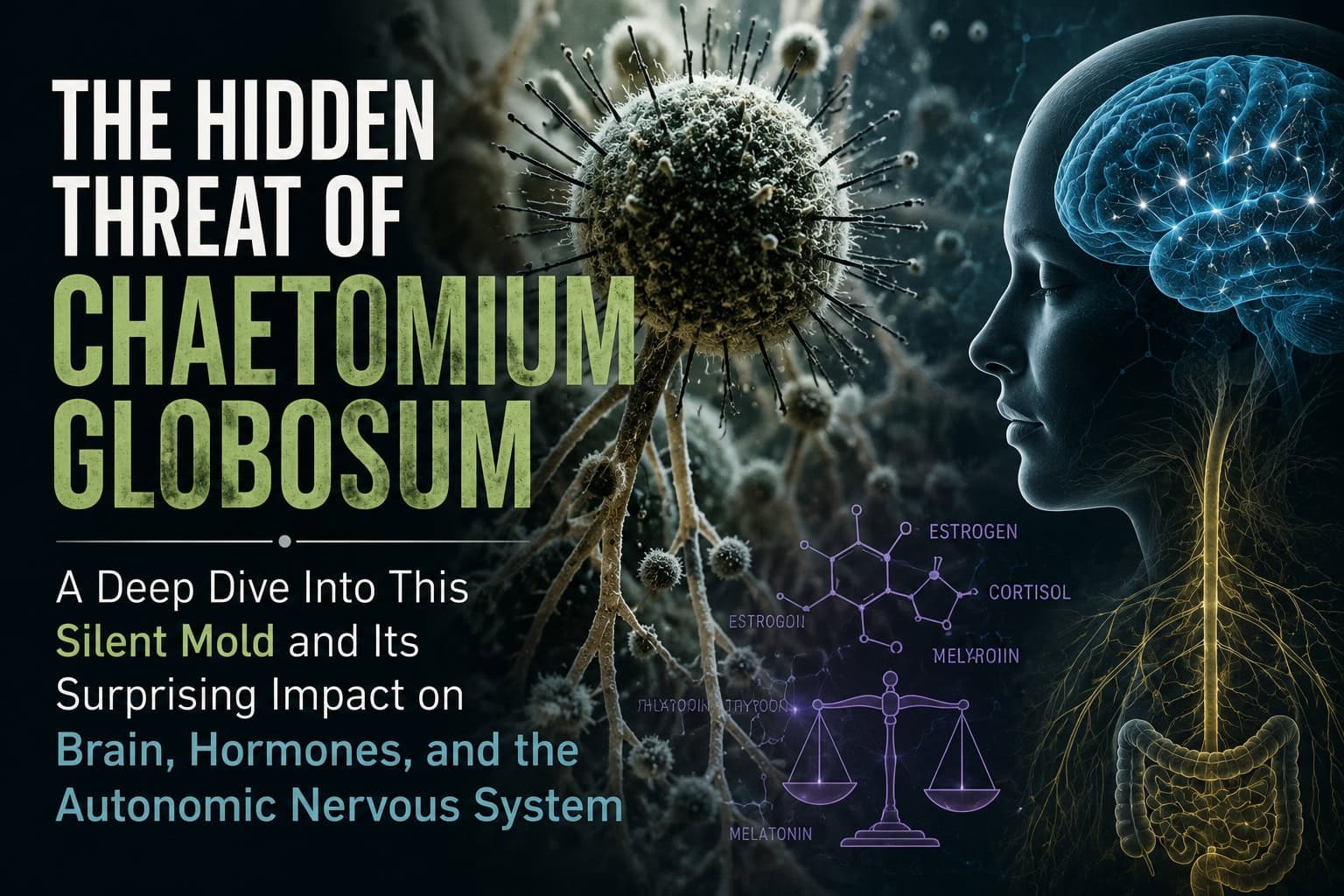
If you have been searching for answers to unexplained chronic illness, please keep reading. Few molds are as clinically significant and as profoundly underdiagnosed as Chaetomium globosum. It hides. It whispers. It rarely shows up in air samples until it is far too established. And yet once I learned to look for it, I started seeing it everywhere in my patients with complex chronic illness. Its toxins are not only respiratory irritants. They disrupt the brain, the nervous system, the endocrine system, the immune system, and the very cytoskeleton of your cells.
In this comprehensive article I want to share with you everything I have learned from the peer-reviewed medical literature and from two decades of clinical practice about this remarkable and dangerous mold. We will cover its biology, its mycotoxins, the spectrum of documented medical effects including the lesser-known neurological, autonomic, hormonal, and psychiatric presentations, how to find it in a water-damaged building, and how to move through the healing process with grace.
| Key Takeaway Chaetomium globosum is one of the three most common molds in water-damaged buildings. It produces potent mycotoxins called chaetoglobosins that disrupt cellular actin, along with sterigmatocystin, chaetochromin, chaetocin, and chetomin. These toxins are linked not only to respiratory illness but also to neurological complications, dysautonomia, endocrine disruption, psychiatric symptoms, autoimmunity, and in rare cases, fatal cerebral infection. |

Meet Chaetomium globosum: A Dark, Cellulose-Loving Mold That Hides in Plain Sight
Chaetomium globosum is a saprophytic ascomycete fungus with a worldwide distribution. Among the roughly 180 species in the Chaetomium genus, C. globosum is by far the most common to invade human indoor environments. It grows as grayish-brown to olive woolly colonies that mature into characteristic dark perithecia (flask-shaped reproductive structures) adorned with coiled hair-like setae. These perithecia release lemon-shaped ascospores that are remarkably hardy and can remain viable for years, even decades, in the environment.
In a landmark study of 794 water-damaged buildings, Chaetomium species were isolated from 49 percent of structures, making it one of the top three indoor mold contaminants alongside Stachybotrys chartarum and certain Aspergillus and Penicillium species. Because it is strongly cellulolytic, meaning it digests cellulose, C. globosum thrives on the exact materials used to construct modern buildings: drywall, gypsum board, wallpaper, cardboard, wooden subfloors, ceiling tiles, carpet backing, and even paper and books.
Here is what makes Chaetomium so sinister in the clinical setting. Unlike many molds that aerosolize their spores readily, the ascospores of Chaetomium are cemented together by mucilage and trapped by perithecial hairs. They generally stay stuck to the substrate until the mold dries out completely or is disturbed by renovation, cleaning, or airflow changes. This means a Chaetomium colony can be actively producing neurotoxic mycotoxins hidden inside a wall for months or years, making the occupants chronically ill, while conventional air testing returns negative results. If Chaetomium ever does show up on air sampling, you have a significant, typically longstanding problem.
| Clinical Pearl: Why Chaetomium Gets MissedAs I have said many times in my Resiliency Radio podcast interviews with Michael Rubino and Jim Tomlinson, Stachybotrys and Chaetomium are dark and wet loving molds that hide behind drywall and under floorboards. They rarely throw spores into the air unless there is an open, obvious source. If you ever do see Chaetomium on an air test, you almost certainly have a much bigger, longer-standing problem than the test suggests. This is why ERMI (Environmental Relative Moldiness Index) dust testing, EMMA testing, and a thorough visual inspection by a qualified indoor environmental professional are essential for detecting this mold. |

The Mycotoxin Arsenal of Chaetomium globosum
Unlike many molds that produce one or two signature toxins, C. globosum is a biochemical factory capable of producing a remarkable diversity of secondary metabolites. The precise mix varies by strain, substrate, temperature, pH, and moisture, but the core portfolio includes the following.
Chaetoglobosins A, B, C, D, E, and F
The chaetoglobosins are the signature mycotoxins of C. globosum. They belong to a larger family of compounds called cytochalasins, which exert their effects by binding to actin. Actin is the fundamental structural protein of nearly every cell in your body. It governs cell division, cell motility, cytoskeletal integrity, phagocytosis by immune cells, synaptic vesicle movement in neurons, and countless other processes. When chaetoglobosins bind to actin, they disrupt the normal assembly and disassembly cycles, effectively paralyzing the cellular machinery.
Chaetoglobosin A is lethal when injected into rodents at remarkably low doses and is toxic to a wide range of mammalian tissue culture cell lines at concentrations easily achievable during indoor exposure. In one classic study, C. globosum cultured on gypsum board produced up to 50 micrograms of chaetoglobosin A and C per square centimeter of building material, a staggering concentration when you consider the surface area of a typical wall cavity.
Sterigmatocystin and O-methylsterigmatocystin
These are potent hepatotoxins and recognized carcinogens that share a biosynthetic pathway with aflatoxin. Sterigmatocystin has been classified as a possible human carcinogen by the International Agency for Research on Cancer. Chaetomium species can produce it alongside chaetoglobosins when conditions are right.
Chaetocin and Chetomin
These epidithiodiketopiperazine (ETP) compounds exhibit potent immunosuppressive and cytotoxic activity. They interfere with histone methyltransferase activity and transcriptional regulation. While being investigated as potential anticancer agents in controlled laboratory settings, in the context of chronic environmental exposure they contribute to immune dysregulation.
Chaetochromin, Cochliodinols, Chaetomugilin, and Chaetoviridin
Chaetochromin is teratogenic in animal models. Chaetomugilin D and chaetoviridin A have been shown to activate mouse alveolar macrophages and induce inflammatory cytokines including TNF-alpha, a central mediator of chronic inflammation and neuroinflammation.
Emodins, Chrysophanols, and Azaphilones
These pigmented compounds contribute to the characteristic coloration of the mold and have various documented bioactivities including mild toxicity and immunomodulatory effects.
Taken together, this is not a gentle saprophyte. It is a chemical warrior.
The Full Clinical Spectrum: Beyond Respiratory Symptoms
For decades the medical literature treated Chaetomium as primarily an allergen or a rare opportunistic invader of immunocompromised patients. That narrative is incomplete. In my practice and in the emerging research literature, I have seen a much broader and more insidious pattern of illness. Let me walk you through the full clinical spectrum.
1. Respiratory and Allergic Manifestations
Chaetomium globosum is a recognized allergen and an important cause of occupant illness in damp buildings. Both hyphae and spores carry antigenic proteins including the immunodominant Chg45 enolase antigen, which induces IgE and IgG antibody production. Even when the IgE response is transient, elevated IgG antibodies persist for years and are associated with non-atopic asthma, chronic sinusitis, allergic rhinitis, hypersensitivity pneumonitis, and recurrent respiratory infections. A 2023 case report documented C. globosum invasive sinusitis in a post-COVID-19 patient mimicking rhino-cerebral mucormycosis, reminding us that the line between allergy, colonization, and invasive infection can be thinner than we think.
2. Sick Building Syndrome and Dampness and Mold Hypersensitivity Syndrome (DMHS)
The symptom constellation of sick building syndrome (SBS) includes eye, nose, and throat irritation; dry skin; fatigue; headaches; nausea; dizziness; cognitive impairment; and increased respiratory infections. When unaddressed, SBS can progress into dampness and mold hypersensitivity syndrome (DMHS), a more severe and often irreversible clinical entity characterized by multiple chemical sensitivities, extreme scent hypersensitivity, and multisystem involvement including cardiovascular, endocrine, autoimmune, and neurological manifestations.
3. Neurological Complications: The Brain on Mold
This is where the picture gets especially serious, and where I think most clinicians are still catching up. Neurologic and neuropsychiatric syndromes precipitated by mold and mycotoxin exposure can mimic classical neurologic disorders including pain syndromes, movement disorders, delirium, early dementia, and disorders of balance and coordination. A 2009 paper by Empting in Toxicology and Industrial Health delineated this mold-related neurologic syndrome with remarkable clarity.
Research on mold-exposed patients using SPECT brain imaging has demonstrated a neurotoxic pattern in approximately 86 percent of clinically affected individuals. A separate study of 182 mold-exposed patients using quantitative EEG documented hypoactivation of the frontal cortex consistent with impaired reticular activating system input. Neuropsychological testing in these patients often reveals patterns indistinguishable from mild traumatic brain injury. Common findings include:
- Brain fog, word-finding difficulty, and executive dysfunction
- Impaired working memory and attention
- Tremors, tic-like movements, and spastic dysphonia
- Internal vibration sensations, the classic “buzzing inside” feeling
- Peripheral neuropathy with non-dermatomal distribution
- Chronic inflammatory demyelinating polyneuropathy (CIDP)
- Autoantibodies against myelin basic protein, myelin-associated glycoprotein, ganglioside GM1, sulfatide, tubulin, and neurofilament
- Headaches, migraines, and balance disturbance
In terms of mechanism, chaetoglobosins and related cytochalasins disrupt the actin cytoskeleton in neurons, impairing axonal transport and synaptic vesicle trafficking. Mycotoxins also cross the blood-brain barrier, activate microglia, induce oxidative stress, and trigger neuroinflammation. Combined with the proinflammatory cytokines IL-1 beta, IL-6, and TNF-alpha generated by the peripheral immune response to mold, the central nervous system suffers a double hit.
4. Dysautonomia and Autonomic Nervous System Dysregulation
In my practice, postural orthostatic tachycardia syndrome (POTS) and other dysautonomia presentations are one of the most common reasons patients with undiagnosed mold exposure seek help. Research published in 2020 in Antibodies (Basel) and in 2018 in Autoimmunity Reviews has identified mold exposure and dampness and mold hypersensitivity syndrome as risk factors for POTS, chronic fatigue syndrome (ME/CFS), and complex regional pain syndrome. A 2019 Journal of the American Heart Association publication and a 2020 Clinical Immunology review both documented mold-exposure-related autoantibodies as potential drivers of POTS and autoimmune dysautonomia.
The mechanism involves autoantibodies against adrenergic and muscarinic receptors, vagal nerve dysfunction, mast cell activation, chronic inflammatory cascades, and direct mycotoxin toxicity to autonomic ganglia. Clinical presentations include:
- Rapid heart rate on standing, palpitations, chest pressure
- Orthostatic intolerance and pre-syncope
- Air hunger or shortness of breath out of proportion to findings
- Inability to sweat appropriately, or paradoxical night sweats
- Temperature dysregulation
- Gastrointestinal dysmotility (constipation, diarrhea, gastroparesis)
- Bladder dysfunction
- Exercise intolerance and post-exertional malaise
5. Endocrine and Hormonal Disruption
Mycotoxins are increasingly recognized as endocrine-disrupting chemicals. While Chaetomium is not the classic estrogenic mold (that honor goes to Fusarium and its toxin zearalenone), the chaetoglobosins and related cytochalasins produced by C. globosum exert their own significant endocrine effects. Cytochalasin B, a related cytochalasin, has been shown in rats to interfere with luteinizing hormone-stimulated production of testosterone at the level of the smooth endoplasmic reticulum. The broader family of molds colonizing a water-damaged building typically produces mixed mycotoxin exposures, and the endocrine consequences are substantial.
The primary mechanisms of hormonal disruption include:
- Hypothalamic inflammation disrupting the master regulator of all downstream hormones
- HPA axis dysregulation with abnormal cortisol curves (flatlined, reversed, or surges)
- Non-thyroidal illness syndrome with low T3, elevated reverse T3, and an abnormal FT3/rT3 ratio
- Direct thyroid gland injury, Hashimoto-like autoimmunity, and impaired T4 to T3 conversion
- Interference with sex hormone receptors leading to estrogen dominance, low testosterone, and progesterone dysregulation
- Adrenal insufficiency presentations with latent or overt cortisol deficiency
- Mitochondrial dysfunction impairing hormone biosynthesis at the cellular level
Finnish researchers have published landmark work demonstrating that mold-exposed patients frequently develop non-thyroidal illness syndrome (NTIS), and that treatment with triiodothyronine (T3) rather than standard T4 monotherapy is often required for symptom resolution, particularly when DIO2 polymorphisms are present. Common patient presentations include unexplained fatigue despite “normal” thyroid labs, cold intolerance, hair loss, menstrual irregularities, infertility, early menopause, erectile dysfunction, night sweats, and resistant weight changes.
6. Psychiatric and Psychological Disturbances
Mold-induced psychiatric presentations are often misdiagnosed for years as primary mood or anxiety disorders. Documented clinical features include:
- Treatment-resistant depression with strong anhedonia
- New-onset panic attacks and generalized anxiety, often disproportionate to life circumstances
- Obsessive-compulsive features and intrusive thoughts
- Irritability, emotional lability, and personality changes that feel foreign to the patient
- In severe cases, psychosis, paranoia, and delusional thinking
- Suicidal ideation in patients with no previous history
- In children and adolescents, features overlapping with PANS and PANDAS including behavioral changes, tics, OCD, and regression
Mechanistically these presentations involve neuroinflammation, microglial activation, mast cell mediator release, blood-brain barrier disruption, oxidative stress, mitochondrial injury, and direct mycotoxin effects on neurotransmitter systems. When the limbic system (particularly the amygdala and hippocampus) is under inflammatory assault, the resulting symptoms genuinely look and feel like primary psychiatric illness, yet they will often resolve dramatically once mycotoxin exposure is removed and detoxification protocols are implemented.
7. Invasive and Localized Infections
Though relatively rare compared to the toxin-mediated illness we have just discussed, direct Chaetomium infection can and does occur. The documented infectious syndromes include:
- Onychomycosis (nail infection): Several case reports of C. globosum nail infection in immunocompetent adults, often associated with prior nail trauma.
- Cutaneous phaeohyphomycosis: Skin and subcutaneous infections.
- Keratitis: Corneal ulceration caused by Chaetomium species.
- Sinusitis: Both allergic fungal sinusitis and invasive sinusitis, the latter more common in immunocompromised or post-COVID patients.
- Pneumonia and pulmonary empyema: Documented in leukemia patients and the severely immunocompromised.
- Cerebral phaeohyphomycosis and brain abscess: Fatal cases caused by C. atrobrunneum, C. strumarium, and C. perlucidum, with originally reported C. globosum cases largely re-identified as C. atrobrunneum on modern molecular testing. These infections have a high mortality rate.
- Endocarditis: At least one reported case of tricuspid valve endocarditis caused by C. globosum, diagnosed only through molecular techniques after culture-negative workup.
- Disseminated infection: Involving brain, heart, lungs, and spleen in severely immunocompromised hosts.
Fluconazole and caspofungin have poor activity against Chaetomium species. When treatment is needed, micafungin, amphotericin B, itraconazole, posaconazole, voriconazole, and isavuconazole all demonstrate better susceptibility profiles.
How to Find Chaetomium in a Water-Damaged Building
Here is where I need to be brutally honest with you. If you have any of the symptoms above, if you have ever lived or worked in a building with known water damage, or if your home or office has had plumbing leaks, roof leaks, crawl space moisture, or flood events, you must investigate for mold. Testing your body alone is not enough. Remediating the environment is often the rate-limiting step in patient recovery. I cannot tell you how many times I have watched patients do every detox protocol under the sun without getting better, only to finally discover they were still breathing in mycotoxins at home or work.
Start With Your Nose and Your History
The olfactory exam is inspection 101. A musty, damp, earthy odor anywhere in your home is a signal that something is growing where it should not be. Pay particular attention to basements, crawl spaces, bathrooms, kitchens, laundry rooms, closets, pantries, and rooms with exterior wall issues. Note any history of visible water damage, roof leaks, burst pipes, toilet overflows, washing machine overflows, ice dams, HVAC condensation drip problems, or storm flooding, even events from years or decades ago that were “cleaned up.”
Visual Inspection by a Qualified Professional
Hire a Certified Indoor Environmental Professional (IEP) or a certified mycotoxin and mold specialist who understands the medical dimension of indoor mold. A proper inspection includes visual evaluation, moisture mapping with infrared thermography, humidity measurements, inspection of HVAC systems and crawl spaces, and targeted sampling. Avoid companies that only perform air sampling, because as we have discussed, Chaetomium rarely aerosolizes until the problem is severe.
Dust-Based DNA Testing
Two of the most useful tools for detecting hidden Chaetomium are ERMI (Environmental Relative Moldiness Index) testing and EMMA (Environmental Mold and Mycotoxin Assessment) testing. Both analyze settled dust samples using quantitative PCR to identify the DNA signatures of specific mold species, even those that are dormant, dry, or hidden behind walls. EMMA goes further by also quantifying the specific mycotoxins present in the dust, which gives critical information for remediation planning and correlates with patient urine mycotoxin testing for causation.
Targeted Air and Surface Sampling
Air sampling is still useful when there is a known or suspected active source, but it should never be the only test performed. Surface swabs of visible growth, tape lifts from suspicious areas, and moisture readings inside wall cavities through invasive or minimally invasive testing can all help. When Chaetomium does appear on an air sample, interpret it as a significant finding that warrants immediate deeper investigation.
Cross-Reference Body and Building
In my practice I correlate patient urine mycotoxin testing (looking at chaetoglobosin A and related metabolites) with environmental testing results. If chaetoglobosins appear in the urine and Chaetomium DNA appears in the house dust, the link is compelling. This two-pronged approach makes causation clearer and remediation priorities sharper.
| High-Risk Zones for ChaetomiumCrawl spaces with dirt floors or no vapor barrier. Basements with any history of moisture. Bathrooms and laundry rooms with slow leaks. HVAC systems with condensation problems or intake valves near damp areas. Behind drywall in any area of past water damage. Under flooring in flood-affected rooms. Around windows with condensation issues. Attics with roof leaks or poor ventilation. Boats and RVs. These are the places Chaetomium loves to colonize quietly for years. |
Mold Remediation: Medical-Grade Cleanup Matters
Not all mold remediation is created equal. In my interviews with Michael Rubino on Resiliency Radio Episode 87 and Jim Tomlinson on Episode 127, we discussed at length why traditional remediation often fails patients with mold-related illness. Standard protocols focus on removing visible mold, but they may not adequately address the mycotoxin residues and ultrafine particulate matter that continue to make sensitive occupants sick.
Medical-grade remediation should include:
- Full micro-containment of the affected area with negative air pressure
- Removal of all water-damaged building materials, including studs and insulation if affected
- Source identification and repair of the underlying moisture problem
- HEPA filtration and air scrubbers running continuously during remediation
- Post-remediation cleaning with fine-particulate protocols
- HVAC system evaluation and cleaning, including duct work and coils
- Soft goods decontamination (clothing, bedding, books, upholstery) using appropriate protocols
- Post-remediation verification testing including ERMI or EMMA dust testing
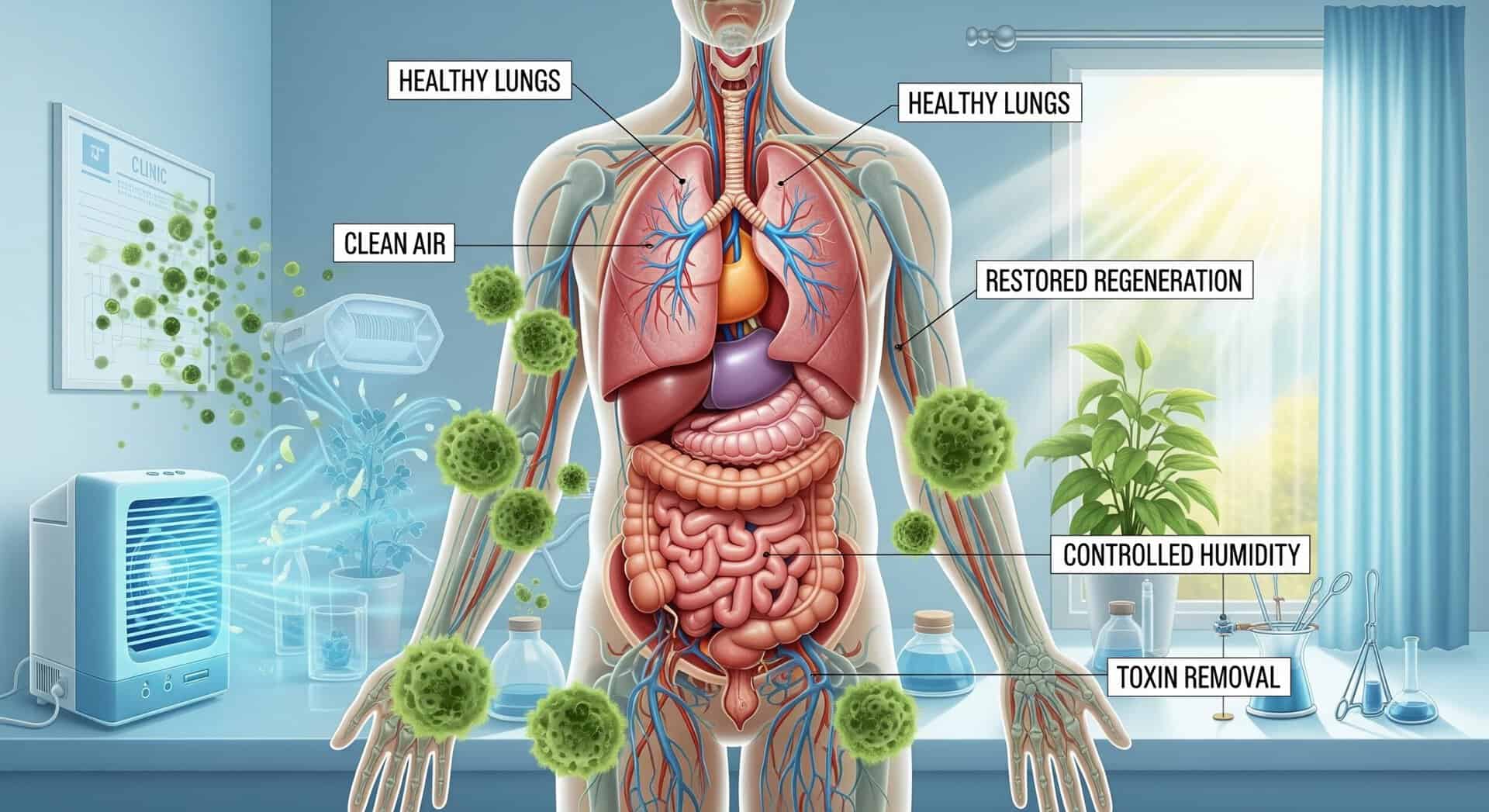
For ongoing environmental support in any home, I recommend HEPA plus activated carbon air purifiers, keeping indoor humidity below 50 percent, addressing water intrusion immediately, and inspecting hotels, rentals, and Airbnbs for dampness before you stay.
Healing the Body: A Functional Medicine Approach to Mycotoxin Detoxification
Once environmental exposure is addressed, we can finally turn our attention to helping the body release, bind, and excrete the mycotoxins it has accumulated, while calming inflammation and restoring resilience. This is painstaking, individualized work, but there is a clear framework that consistently helps my patients get better.
Open the Drainage Pathways
Before aggressive binding or detoxification, we need to ensure the body can actually eliminate what we are about to mobilize. This means daily bowel movements, adequate hydration, healthy lymphatic flow through movement and dry brushing, sweating through exercise or sauna, and supporting the liver, kidneys, and bile flow.
Bind the Toxins
Targeted binders are essential because mycotoxins undergo enterohepatic recirculation. Without a binder, your liver diligently packages toxins into bile, sends them into the gut, and then your gut reabsorbs them right back into circulation. Effective binders for mycotoxins include activated charcoal, bentonite clay, zeolite, chlorella, modified citrus pectin, cholestyramine, and silica-based binders.
Support Phase I, II, and III Detoxification
Liver support nutrients such as N-acetyl cysteine (NAC), glutathione, milk thistle, alpha-lipoic acid, sulforaphane, B vitamins (particularly methylated B12 and folate), and magnesium are foundational. For patients with genetic polymorphisms affecting detoxification (MTHFR, GSTM1, GSTT1, HLA-DR haplotypes), personalized nutritional support is especially important.
Restore Mitochondrial Function
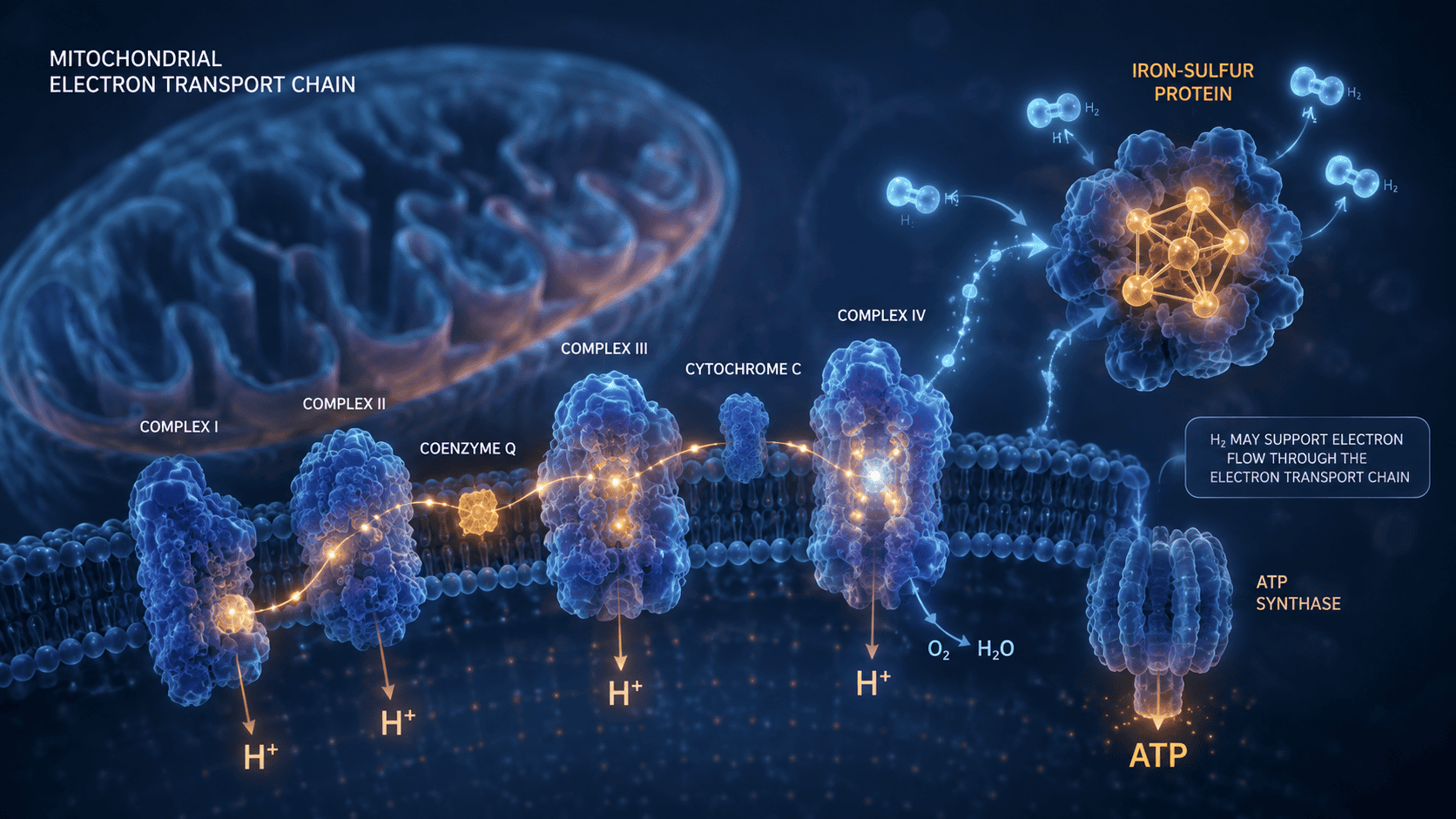
Mycotoxins are profoundly toxic to mitochondria. Restoring mitochondrial function with CoQ10, PQQ, NAD+ or NMN, D-ribose, L-carnitine, and appropriate B vitamins is essential for energy recovery.
Calm the Immune System and Mast Cells
Many mold-affected patients develop mast cell activation syndrome (MCAS). Quercetin, luteolin, vitamin C, DAO enzyme, natural H1/H2 blockers, and in some cases targeted prescription antihistamines are helpful. Addressing biofilms in the gut and sinuses may also be needed.
Rebuild and Replenish
Finally, we rebuild the gut microbiome, replenish depleted minerals and electrolytes, restore adrenal and thyroid function, balance sex hormones, and support nervous system regulation through vagal toning, trauma-informed therapies, and limbic system retraining (DNRS, the Gupta program, or similar).
| My Favorite Mold Detoxification Formulas• Dr. Jill's Miracle Mold Detox Box: My signature 30-day mold detox protocol developed in partnership with Dr. Christopher Shade and Quicksilver Scientific. It includes Dr. Shade's Liver Sauce, Liposomal Glutathione Complex, NAD+ Gold, Ultra Binder Sensitive Formula, and Quinton hypertonic and isotonic marine minerals. Upregulates all three phases of detoxification, supports mitochondrial recovery, and replenishes electrolytes.• MycoPul: A multi-targeted binder formulated specifically for mycotoxin removal, featuring G-PUR zeolite clinoptilolite and additional binders designed to capture a range of mycotoxins including chaetoglobosins and aflatoxins.• Dr. Jill Health® ZeoBind Plus: A broad-spectrum binder combining zeolite, activated charcoal, humic acid, and fulvic acid for comprehensive toxin capture and gut barrier protection.• G.I. Detox: A gentle well-tolerated binder combining pyrophyllite clay and activated charcoal, ideal for sensitive patients beginning detox or for daily maintenance.• Dr. Jill Health® Glutathione Essentials: Foundational antioxidant support for phase II liver detoxification and mitochondrial resilience.• Dr. Jill Health® NAC 500: N-acetyl cysteine, a precursor to glutathione and a potent mucolytic and antioxidant.• Dr. Jill Health® Liver Essentials: Milk thistle, NAC, alpha-lipoic acid, and supportive nutrients for liver detoxification pathways.• Dr. Jill Health® Hist Assist: Quercetin, stinging nettle, vitamin C, and additional botanicals for mast cell support.• Dr. Jill Health® MitoVite: Comprehensive mitochondrial support with CoQ10, L-carnitine, and key B vitamins to restore cellular energy production after mycotoxin-induced injury. |
Related Resources for Deeper Learning
Healing from Chaetomium and mold toxicity is rarely a one-article journey. I have written and spoken extensively on this topic over the years. Here are some of my most referenced resources for patients and clinicians who want to go deeper:
A Final Word: Hope, Resilience, and the Path Home
If you are reading this and recognizing yourself or someone you love in these pages, please take a deep breath. I know how terrifying it can be to realize that your home, the very sanctuary where you should feel safest, may be the source of your suffering. I have been there. My own journey through complex chronic illness, including mold toxicity, taught me that the body is not betraying you. It is speaking to you, and once you learn the language, healing becomes possible.
Chaetomium globosum is a formidable opponent. Its toxins reach into the brain, the nervous system, the hormones, the immune system, and the very soul of who you are. Yet the miracle I have witnessed, again and again in my clinic and in my own life, is that when we remove the exposure, support the body's innate wisdom, and walk the journey with patience and faith, the healing comes. Brain fog lifts. Panic quiets. Tremors settle. Cortisol rhythms return. Thyroid hormone conversion restores. Joy comes back.
“He heals the brokenhearted and binds up their wounds.” — Psalm 147:3
My prayer for you today is that you find the courage to name what is happening, the wisdom to find the right help, and the faith to keep going even when the path feels long. You are not imagining your symptoms. You are not failing at being healthy. You are human, and you were created with breathtaking resilience. Whatever season you are in, please know that healing is possible and that you are never walking this road alone.
| Ready to Take the Next Step?If you suspect Chaetomium or other mold exposure is affecting your health, please explore these resources:• Learn more about mold illness and functional medicine at jillcarnahan.com• Shop physician-formulated detox support at drjillhealth.com• Subscribe to Resiliency Radio Podcast for expert conversations on mold, mycotoxins, and complex chronic illness• Read my bestselling memoir Unexpected: Finding Resilience through Functional Medicine, Science, and Faith |
References
1. Fogle MR, Douglas DR, Jumper CA, Straus DC. Growth and mycotoxin production by Chaetomium globosum. Mycopathologia. 2007;164(1):49-56. doi:10.1007/s11046-007-9023-x
2. Abbott SP, Sigler L, McAleer R, McGough DA, Rinaldi MG, Mizell G. Fatal cerebral mycoses caused by the ascomycete Chaetomium strumarium. J Clin Microbiol. 1995;33(10):2692-2698. doi:10.1128/jcm.33.10.2692-2698.1995
3. Anandi V, John TJ, Walter A, et al. Cerebral phaeohyphomycosis caused by Chaetomium globosum in a renal transplant recipient. J Clin Microbiol. 1989;27(10):2226-2229. doi:10.1128/jcm.27.10.2226-2229.1989. Note: this isolate was later reidentified as Chaetomium atrobrunneum by Abbott et al. 1995.
4. Barron MA, Sutton DA, Veve R, et al. Invasive mycotic infections caused by Chaetomium perlucidum, a new agent of cerebral phaeohyphomycosis. J Clin Microbiol. 2003;41(11):5302-5307. doi:10.1128/JCM.41.11.5302-5307.2003
5. Guppy KH, Thomas C, Thomas K, Anderson D. Cerebral fungal infections in the immunocompromised host: a literature review and a new pathogen, Chaetomium atrobrunneum: case report. Neurosurgery. 1998;43(6):1463-1469. doi:10.1097/00006123-199812000-00122
6. Ratnaseelan AM, Tsilioni I, Theoharides TC. Effects of mycotoxins on neuropsychiatric symptoms and immune processes. Clin Ther. 2018;40(6):903-917. doi:10.1016/j.clinthera.2018.05.004
7. Empting LD. Neurologic and neuropsychiatric syndrome features of mold and mycotoxin exposure. Toxicol Ind Health. 2009;25(9-10):577-581. doi:10.1177/0748233709348393
8. Doi K, Uetsuka K. Mechanisms of mycotoxin-induced neurotoxicity through oxidative stress-associated pathways. Int J Mol Sci. 2011;12(8):5213-5237. doi:10.3390/ijms12085213
9. Valtonen V. Clinical diagnosis of the dampness and mold hypersensitivity syndrome: review of the literature and suggested diagnostic criteria. Front Immunol. 2017;8:951. doi:10.3389/fimmu.2017.00951
10. Tuuminen T, Rinne KS. Severe sequelae to mold-related illness as demonstrated in two Finnish cohorts. Front Immunol. 2017;8:382. doi:10.3389/fimmu.2017.00382
11. Tuuminen T, Jaakkola K, Haggqvist S, Laakso S. Non-thyroidal illness syndrome in patients exposed to indoor air dampness microbiota treated successfully with triiodothyronine. Front Immunol. 2017;8:919. doi:10.3389/fimmu.2017.00919
12. Vojdani A, Thrasher JD. Cellular and humoral immune abnormalities in Gulf War veterans. Environ Health Perspect. 2004;112(8):840-846. doi:10.1289/ehp.6881
13. Hope J. A review of the mechanism of injury and treatment approaches for illness resulting from exposure to water-damaged buildings, mold, and mycotoxins. ScientificWorldJournal. 2013;2013:767482. doi:10.1155/2013/767482
14. Demaegdt H, Daminet B, Evrard A, et al. Endocrine activity of mycotoxins and mycotoxin mixtures. Food Chem Toxicol. 2016;96:107-116. doi:10.1016/j.fct.2016.07.033
15. Aribandi M, Bazan C 3rd, Rinaldi MG. Magnetic resonance imaging findings in fatal primary cerebral infection due to Chaetomium strumarium. Australas Radiol. 2005;49(2):166-169. doi:10.1111/j.1440-1673.2005.01367.x
16. Hattori N, Adachi M, Kaneko T, Shimozuma M, Ichinohe M, Iozumi K. Onychomycosis due to Chaetomium globosum successfully treated with itraconazole. Mycoses. 2000;43(1-2):89-92. doi:10.1046/j.1439-0507.2000.00539.x
17. Gade N, Nag S, Prathipati KK, Mishra M, Shete V. Chaetomium globosum: spotting a scarce saprophyte in bacterial-fungal co-infection of the sinuses in a post-COVID-19 patient. Med Mycol Case Rep. 2023;42:100618. doi:10.1016/j.mmcr.2023.100618
18. Hubka V, Mencl K, Skorepova M, Lyskova P, Zalabska E. Phaeohyphomycosis and onychomycosis due to Chaetomium spp., including the first report of Chaetomium brasiliense infection. Med Mycol. 2011;49(7):724-733. doi:10.3109/13693786.2011.568833
19. Demir T, Baris A, Sigirci S, Sigirci BB, Tanriverdi ES, Koramaz I. Infective endocarditis caused by Chaetomium globosum. Cardiovasc Pathol. 2023;62:107467. doi:10.1016/j.carpath.2022.107467
20. Najafzadeh MJ, Fata A, Dolatabadi S, et al. In vitro activity of eight antifungal drugs against Chaetomiaceae. Med Mycol. 2022;60(2):myab069. doi:10.1093/mmy/myab069
21. Thrasher JD, Crawley S. The biocontaminants and complexity of damp indoor spaces: more than what meets the eyes. Toxicol Ind Health. 2009;25(9-10):583-615. doi:10.1177/0748233709348386
22. Brewer JH, Thrasher JD, Hooper D. Chronic illness associated with mold and mycotoxins: is naso-sinus fungal biofilm the culprit? Toxins (Basel). 2013;6(1):66-80. doi:10.3390/toxins6010066
About Dr. Jill Carnahan
Dr. Jill Carnahan is Your Functional Medicine Expert®, triple board-certified in Family Medicine (ABFM), Integrative Holistic Medicine (ABIHM), Integrative Medicine (ABoIM), and a certified Functional Medicine practitioner (IFMCP). She is Medical Director of Flatiron Functional Medicine in Louisville, Colorado, a 4,000-square-foot clinic specializing in complex chronic illness. As a survivor of breast cancer, Crohn’s disease, and toxic mold illness, she brings a uniquely compassionate perspective to patients navigating environmental and chronic disease.
Connect with Dr. Jill at jillcarnahan.com, listen to Resiliency Radio Podcast, watch the award-winning documentary Doctor/Patient, follow her on Instagram @DrJillCarnahan, and read her bestselling memoir Unexpected: Finding Resilience through Functional Medicine, Science, and Faith.
Disclaimer: This article is for educational purposes only and is not intended as medical advice. Always consult with your qualified healthcare provider before making changes to your treatment plan, starting new supplements, or discontinuing any prescribed medications. Mold illness is complex and highly individualized; work with a clinician experienced in environmental and functional medicine. These statements have not been evaluated by the Food and Drug Administration. These products are not intended to diagnose, treat, cure, or prevent any disease.






Share: