

FUNCTIONAL MEDICINE INSIGHTS By Jill C. Carnahan, MD, ABIHM, ABoIM, IFMCP
Medical Director, Flatiron Functional Medicine | Louisville, Colorado | Resiliency Radio Podcast
| A note from Dr. Jill: Few questions arrive in my inbox more often than this one. “Dr. Jill, what do you think about ivermectin and mebendazole for cancer?” As a breast cancer survivor and a physician who has walked through the valley of a frightening diagnosis personally, I take this question deeply seriously. My patients deserve more than a slogan, in either direction. They deserve the science, the limits of the science, and a heart that is willing to sit with uncertainty while still pointing toward what is true and good. |
Why This Conversation Matters Now
Drug repurposing, the practice of investigating well-known medications for new clinical uses, is one of the most exciting frontiers in modern oncology. Conventional cancer drug development is slow, expensive, and often ends in disappointment. Repurposing offers a different path. We start with molecules whose pharmacology, dosing, and safety profile are already well characterized in humans, then ask whether they might also disrupt the biology of cancer at clinically achievable concentrations.
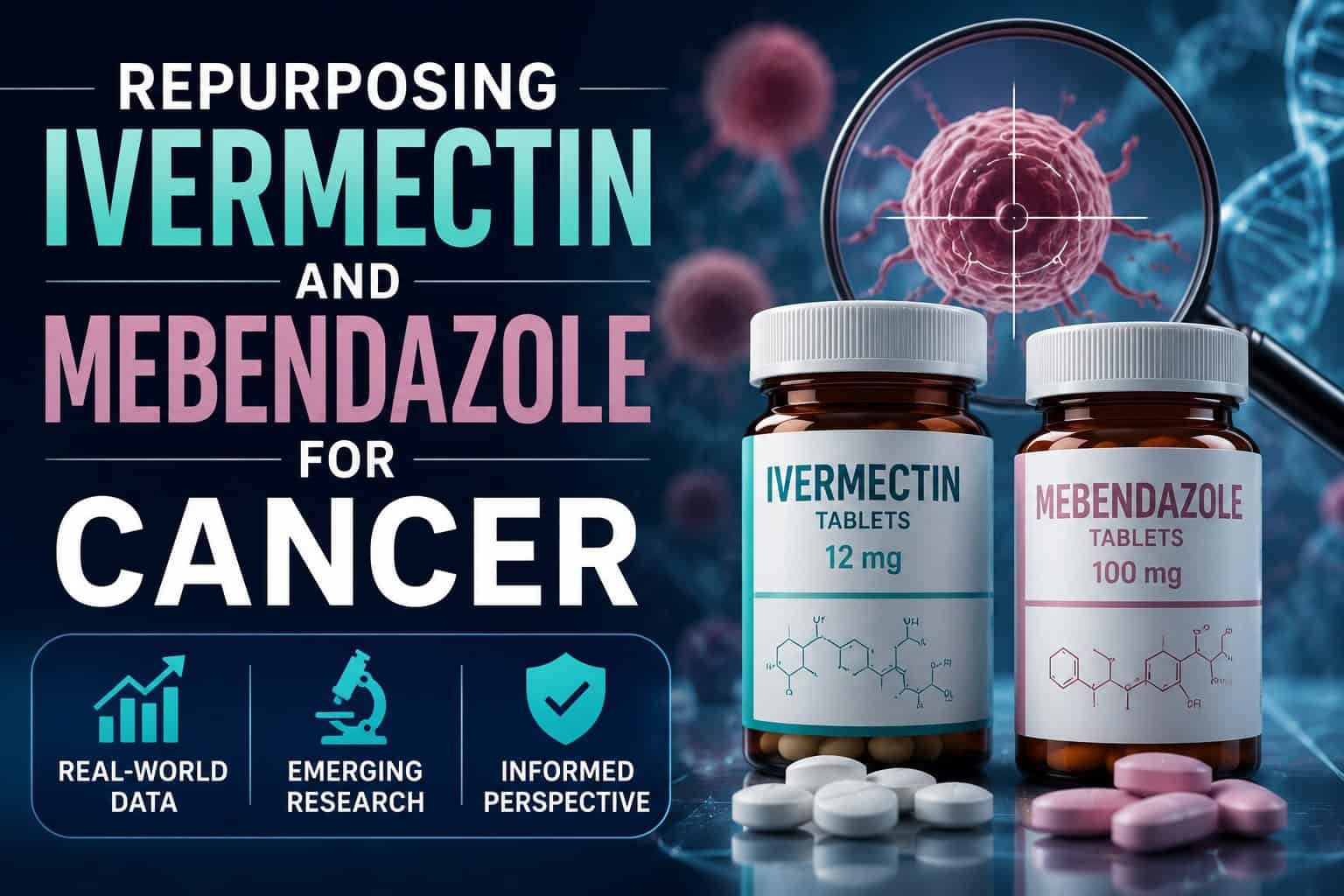
Two old antiparasitic agents have moved to the center of this conversation: ivermectin, a macrocyclic lactone that earned the 2015 Nobel Prize for its impact on river blindness, and mebendazole, a benzimidazole used safely for decades against intestinal helminths and cerebral echinococcosis. Both drugs are inexpensive, widely available, and remarkably well tolerated. Both also show a striking range of anticancer activity in laboratory and animal models. The question that thoughtful physicians and patients keep asking is whether any of this preclinical promise translates to meaningful benefit in human beings with cancer.
In April 2026, a new preprint posted to Zenodo by Hulscher and colleagues attempted to address that question with real-world data. The paper, titled Real-World Clinical Outcomes of Ivermectin and Mebendazole in Cancer Patients, reported on a prospective observational cohort of 197 patients prescribed a compounded ivermectin‐mebendazole capsule through a telemedicine platform.[1] The findings have been widely shared on social media, often with breathless framing in either direction. My goal here is to walk you through what the study actually shows, what it cannot show, and how I am thinking about all of this clinically.

The Hulscher Cohort: A Snapshot of the New Data
The investigators enrolled 197 cancer patients (mean age 67, with a near-balanced sex distribution) who were prescribed compounded oral capsules containing 25 mg ivermectin and 250 mg mebendazole through licensed United States providers via The Wellness Company’s telemedicine platform. Cancer types included prostate (27.9%), breast (18.3%), lung (8.6%), colon (5.1%), and a long tail of other malignancies. At baseline, 37.1% of participants were experiencing active disease progression. Participants completed standardized digital surveys at enrollment and at approximately six months.[1]
Of the original 197, a total of 122 patients (61.9%) completed the six-month follow-up. Adherence was high: 86.9% finished the initial 90-capsule prescription, and 66.4% remained on protocol at six months. The investigators reported a Clinical Benefit Ratio of 84.4% (95% CI 77.0–89.8%), with 48.4% of follow-up participants reporting either tumor regression (15.6%) or no current evidence of disease (32.8%). Stable disease was reported in 36.1%, and disease progression in 15.6%. About a quarter (25.4%) reported mild side effects, primarily gastrointestinal, but 93.6% of those affected continued treatment with minor dose adjustments.[1]
Importantly, the investigators themselves note that many participants were also receiving conventional therapies during the same window: chemotherapy (27.9%), radiation (21.3%), surgery (19.7%), as well as supplements (49.2%) and dietary modification (37.7%). They appropriately conclude that their findings provide “a compelling clinical signal” but should be interpreted as hypothesis-generating, and that randomized, placebo-controlled trials are urgently warranted.[1]
Why These Particular Drugs? The Mechanistic Case
It is fair to ask: of all the medications in our pharmacopoeia, why has so much attention landed on these two? The answer lies in the surprising depth of mechanistic preclinical literature, which I find genuinely fascinating from a systems-biology perspective.
Ivermectin: A Multi-Target Anticancer Profile in Preclinical Models
A 2025 systematic review published in Pharmaceuticals described ivermectin’s preclinical anticancer activity across a wide range of tumor types, with documented effects on multiple oncogenic signaling pathways including Wnt/β-catenin, PI3K/Akt/mTOR, and STAT3.[2] These pathways drive proliferation, survival, and resistance to therapy in many cancers. Ivermectin has been shown in cell and animal models to induce apoptosis, inhibit tumor cell proliferation, and modulate the tumor microenvironment, including effects on cancer stem-like cells.[2]
A separate 2025 systematic review focused specifically on cancer patients identified 26 published reports involving 36 cancer patients who received ivermectin (typically for parasitic infections during their cancer treatment). Across these case-level reports, ivermectin was consistently well tolerated, including in patients undergoing active chemotherapy, with no serious adverse events attributed to the drug.[3] This safety signal in oncology-adjacent populations is genuinely reassuring, even though none of these cases were designed to evaluate antitumor effects.
Other proposed mechanisms include inhibition of YAP1 nuclear translocation (relevant in many solid tumors), suppression of PAK1 signaling, mitochondrial dysfunction in cancer cells, and possible synergy with immune checkpoint inhibitors.[2,3] A phase I/II clinical trial is currently evaluating ivermectin in combination with checkpoint inhibitors in metastatic triple-negative breast cancer (TNBC), with results expected in 2026.[4]

Mebendazole: Tubulin Disruption and Far Beyond
Mebendazole has an even longer track record in cancer-relevant preclinical research, dating back to 2002 when it was first shown to induce mitotic arrest in non-small-cell lung cancer cells through tubulin depolymerization.[5] Like colchicine and the vinca alkaloids, mebendazole binds tubulin, but at a distinct site, hindering microtubule formation in dividing cells. What is unusual about mebendazole is the breadth of additional targets that have been characterized, including Hedgehog signaling, angiogenesis, multi-drug resistance protein transporters, matrix metalloproteinases, and several pro-survival kinase cascades.[5,6]
Mebendazole crosses the blood-brain barrier, which is part of why it is being actively investigated in glioblastoma and pediatric brain tumors. A growing body of preclinical and early clinical work also explores mebendazole in acute myeloid leukemia, oropharyngeal squamous cell carcinoma, breast cancer, gastrointestinal cancer, adrenocortical carcinoma, prostate cancer, and head and neck cancer.[6,7] Combinations of mebendazole with trametinib for NRAS-mutant melanoma have emerged from elegant computational chemistry work.[8]
None of this constitutes proof of human cancer benefit. It does, however, explain why thoughtful researchers consider mebendazole one of the more promising repurposing candidates in oncology.
Where the Science Is Strong, and Where It Falters
This is where I have to put on my critical-appraisal hat. Honest scientific assessment, even of findings we find encouraging, is not optional. It is the discipline that protects patients.
Strengths of the Hulscher Cohort
First, the study collected data prospectively rather than scraping electronic health records after the fact. Second, the cohort is reasonably sized and clinically diverse, capturing common solid tumors. Third, adherence and side-effect data were systematically collected. Fourth, the safety profile was reassuring: gastrointestinal side effects predominated, were generally mild, and rarely led to discontinuation. Fifth, the authors are appropriately measured in their language, repeatedly framing the findings as hypothesis-generating rather than confirmatory.[1]
Methodological Cautions That Patients Deserve to Hear
| Why these limitations matter: Observational cohort studies, particularly self-selected ones with self-reported outcomes, have generated countless promising signals in oncology that did not survive randomized controlled trials. The history of cancer medicine is unfortunately littered with examples. The discipline of skepticism is not hostility to a therapy. It is the only way we ever know what truly works. |
With that framing, several methodological cautions are worth naming clearly:
• No control group. Without a randomized comparator, we cannot determine whether the reported outcomes reflect the protocol, the conventional therapies most patients were also receiving, the supplements and lifestyle interventions many were following, regression to the mean, or the natural history of certain indolent cancers.
• Self-reported outcomes via voluntary digital surveys. Patients describing their own “regression” or “stable disease” may not have imaging or pathology to support that classification. Without standardized RECIST or equivalent radiographic criteria, the categories are difficult to interpret.
• Selection bias. Patients who pursue an off-label, out-of-pocket protocol through a telemedicine platform are unlikely to be representative of the general cancer population. They are, almost by definition, motivated, engaged, and often pursuing many interventions in parallel.
• Survivorship bias and follow-up loss. Of the original 197 enrolled, only 122 (61.9%) completed the six-month survey. Patients who deteriorate, become too unwell to respond, or die are systematically less likely to fill out follow-up questionnaires. This can inflate apparent benefit.
• Conflict of interest. Several authors are affiliated with The Wellness Company, the same telemedicine entity that prescribed and dispensed the compounded medication. This is disclosed in the preprint, and disclosure is appropriate, but it remains a meaningful potential bias that must be weighed.
• Preprint, not peer-reviewed. As of this writing, the paper is a preprint on Zenodo. Peer review may surface additional methodological concerns, request reanalysis, or change the interpretation.
None of these limitations are unique to this study, and none of them prove the protocol does not work. They simply mean we cannot yet conclude from this cohort that ivermectin plus mebendazole improves cancer outcomes. The investigators themselves recognize this and call for randomized trials. We should listen to that call.
The Peer-Reviewed Context Beyond This Preprint
Stepping back, the fair scientific summary as of mid-2026 looks like this:
Preclinical evidence for both drugs is substantial. Across cell line studies, animal models, and mechanistic work, ivermectin and mebendazole each demonstrate plausible, multi-target anticancer activity at concentrations that may be clinically achievable, especially in tissues where the drug accumulates (the gastrointestinal tract for mebendazole, several solid organs for ivermectin).[2,5,6,7]
Clinical evidence in cancer patients remains limited. There is a single active phase I/II trial of ivermectin in metastatic TNBC (in combination with checkpoint inhibitors).[4] Mebendazole has been studied in early-phase trials in pediatric brain tumors, glioblastoma, gastrointestinal cancers, and adrenocortical carcinoma, with mixed and generally early results.[6,7] The Hulscher cohort adds a real-world safety and tolerability signal but cannot establish efficacy.[1]
Regulatory bodies have not approved either drug for cancer. This is not a conspiracy. It is the appropriate consequence of the current evidence base. The U.S. National Cancer Institute confirmed in early 2026 that it is actively studying ivermectin as a potential cancer therapeutic, which I view as encouraging. Active study and approval are different things, however, and patients should not confuse them.[9]
Misinformation cuts both ways. On one side, there are claims that these drugs reliably cure cancer, which the evidence does not support. On the other side, there are dismissive claims that there is no plausible mechanism or signal, which is also not what the literature shows. Both extremes do a disservice to patients trying to make hard decisions.
Important Safety Considerations
If you are working with a knowledgeable physician and considering these medications as part of an integrative oncology plan, several points deserve emphasis:
• Neither drug should ever replace conventional cancer therapy without a comprehensive risk-benefit conversation with your oncology team. The cost of foregoing curative-intent surgery, radiation, or chemotherapy in a treatable cancer is potentially catastrophic.
• Ivermectin is generally well tolerated at standard antiparasitic doses, but higher and prolonged doses can cause neurologic effects, particularly in patients with certain genetic variations affecting the blood-brain barrier (MDR1 mutations are best characterized in dogs but relevant biology exists in humans).
• Mebendazole at oncology doses requires monitoring of liver enzymes and complete blood counts. Rare cases of hepatotoxicity and bone-marrow suppression have been reported, particularly with prolonged use.
• Both drugs have meaningful drug-drug interactions, including with several common chemotherapy agents, anticonvulsants, and immunosuppressants. Compounded formulations may also have variable bioavailability.
• Source matters. Veterinary ivermectin and counterfeit products are not appropriate for human cancer use under any circumstance.
• If you are pregnant, planning pregnancy, or breastfeeding, neither drug is appropriate without specialist consultation.
Where Functional Medicine Offers Solid Ground
While we wait for randomized trial data on ivermectin and mebendazole, there is a great deal we can do with high confidence to support the body of someone walking through cancer. None of these are cancer treatments. They are foundational supports for the systems that conventional and emerging therapies rely on, and the evidence base is strong.
Mitochondrial and Antioxidant Support
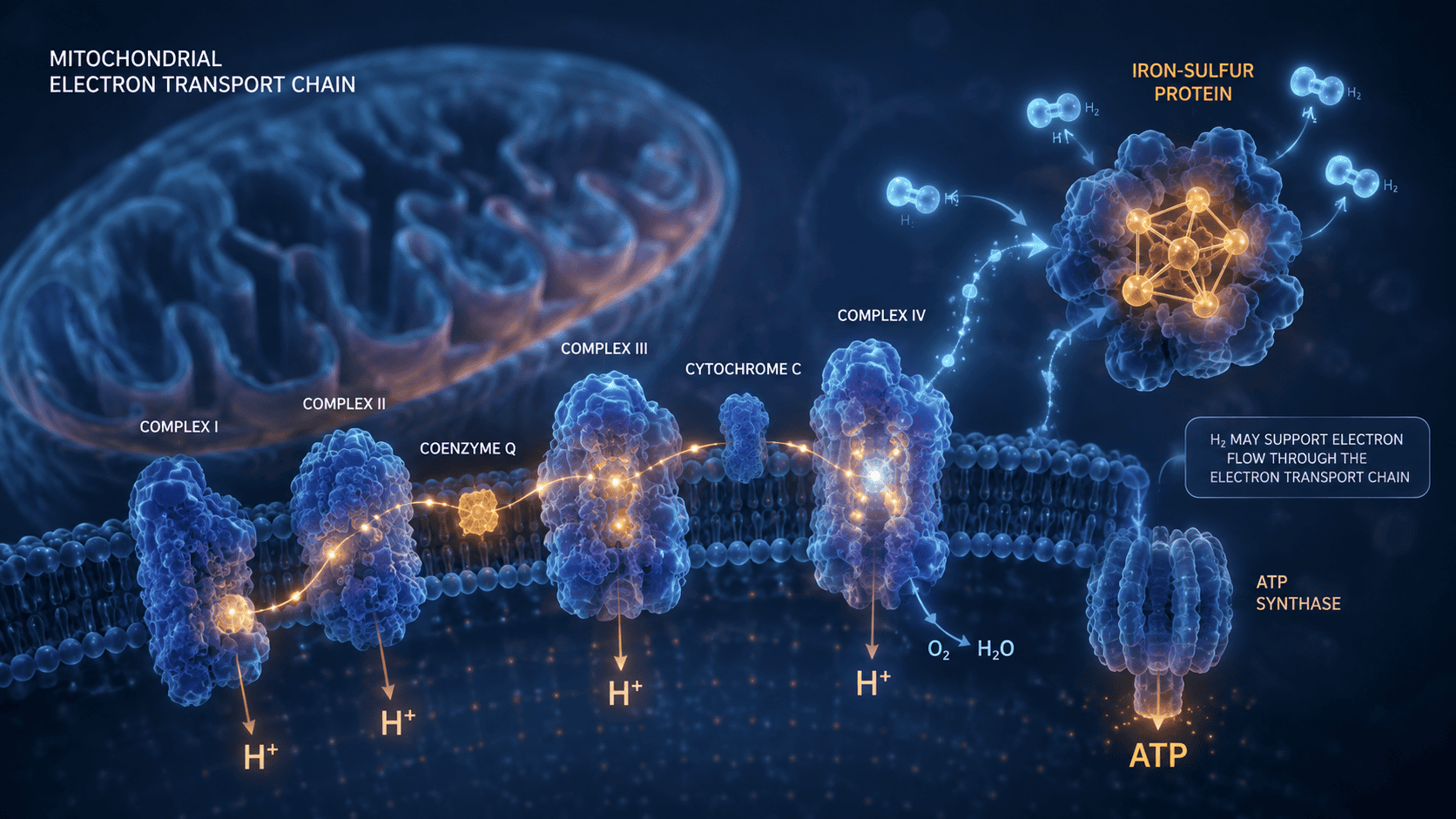
Cancer is, in part, a disease of mitochondrial dysfunction and oxidative stress. Supporting mitochondrial integrity and replenishing intracellular antioxidant pools is something I prioritize in nearly every oncology-adjacent patient I see. MitoVite combines alpha lipoic acid, N-acetyl cysteine, acetyl-L-carnitine, and key micronutrients to support ATP production and recharge cellular glutathione, vitamin E, and vitamin C. For deeper mitochondrial biogenesis support, ATP 360 provides a phospholipid matrix, R-lipoic acid, PQQ, NADH, and CoQ10 in a peer-reviewed clinical formulation.
Glutathione, Master Antioxidant
Glutathione is central to phase II detoxification, redox balance, and immune competence, all of which are stressed during chemotherapy and radiation. Liposomal Glutathione provides bioavailable support that I personally relied on during my own breast cancer journey.
Gut Barrier and Microbiome Integrity
Approximately seventy percent of the immune system resides in the gut-associated lymphoid tissue. Both cancer itself and conventional therapies can disrupt the intestinal barrier and microbiome. I have written extensively about this in Breast Cancer and the Microbiome: The Remarkable Link. For foundational support, I rely on a combination of probiotics, prebiotics, and gut-barrier nutrients including immunoglobulins, L-glutamine, and zinc carnosine.
Inflammation Resolution and Hormone Balance
Omega-3 fatty acids and specialized pro-resolving mediators help downregulate the inflammation that fuels cancer biology. Crucifer-derived compounds such as sulforaphane, indole-3-carbinol, and DIM support estrogen detoxification through phase I and phase II pathways. For women, my Breast Cancer Prevention Series walks through these strategies in detail.
Polyphenols with Multi-Target Anticancer Biology
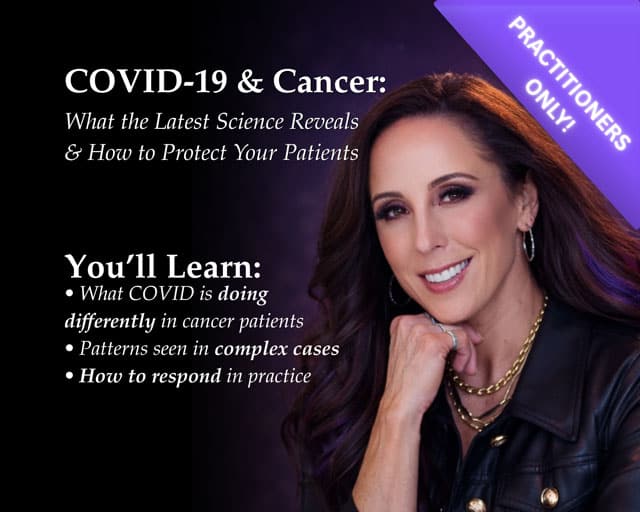
Curcumin, berberine, EGCG, resveratrol, and quercetin all have well-characterized effects on AMPK, NF-κB, mTOR, and other pathways relevant to cancer biology. Berberine in particular has been the subject of more than 500 preclinical studies. I cover these in greater depth in COVID-19 and Cancer: What the Latest Science Reveals.
Identify and Address Hidden Drivers
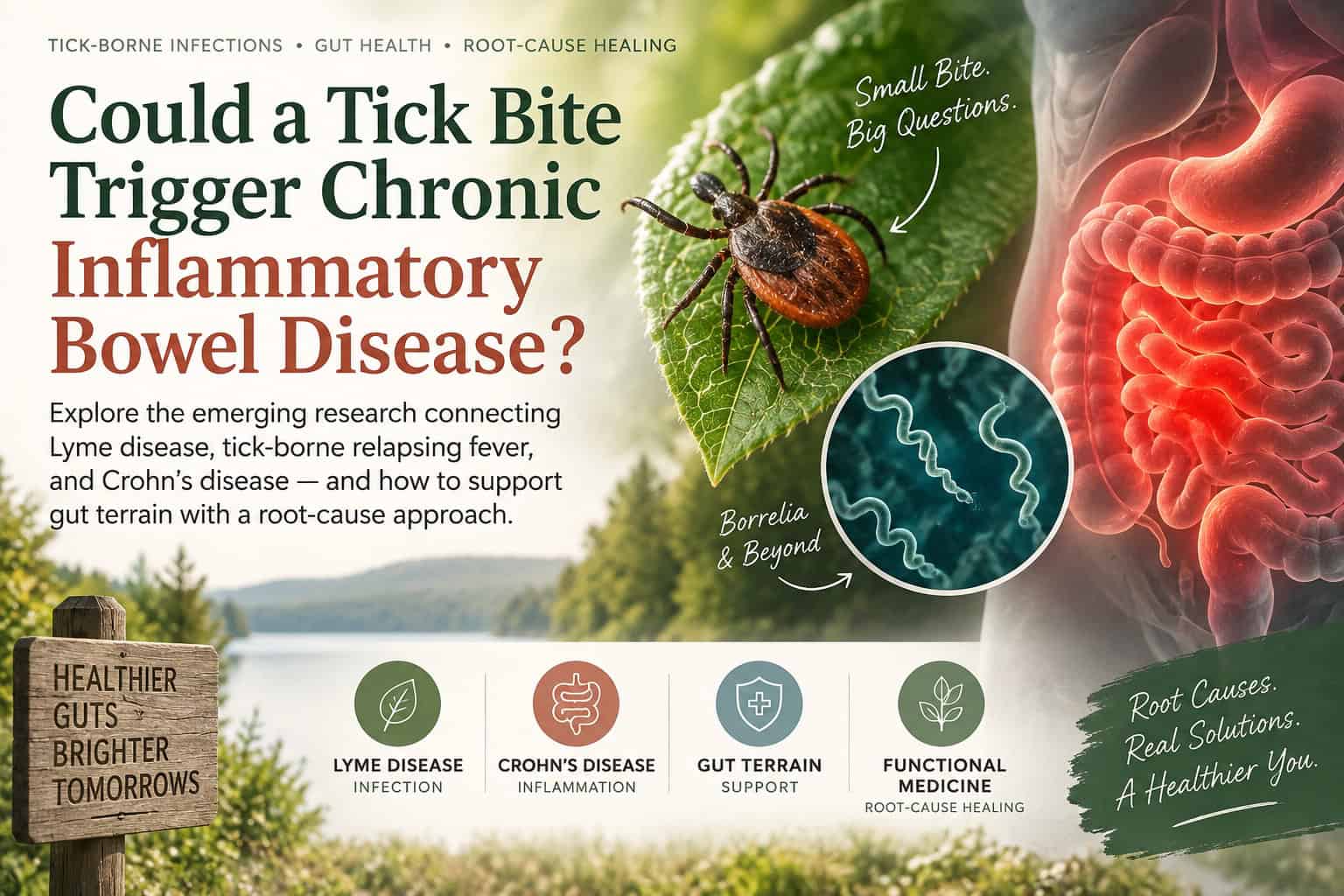
Chronic infections, mold and mycotoxin exposure, environmental toxicants, and immune dysregulation all influence cancer initiation, progression, and recurrence. My conversation with Dr. John Oertle on Resiliency Radio Episode #245 explores the underappreciated role of chronic infections, including Lyme and tick-borne illness, in oncogenesis. For my deep dive on the fungal angle, see Cancer and Fungi.
My Honest Clinical Take
So where does this leave a thoughtful physician, and a thoughtful patient?
I believe the preclinical case for ivermectin and mebendazole as anticancer agents is real, multi-mechanistic, and worth taking seriously. I believe the Hulscher cohort adds a meaningful safety and tolerability signal in real-world cancer patients, and that the responses some participants reported are encouraging enough to justify urgent randomized trials. I would love to see the National Cancer Institute, academic oncology centers, and independent cooperative groups design the trials this question deserves: properly randomized, properly blinded where feasible, with imaging-confirmed outcomes and pre-specified endpoints.
I also believe we are not yet at the point where I can responsibly tell a patient, “Yes, take this and you will get better.” What I can say honestly is that for some patients, in close partnership with their oncology team, after a candid conversation about the limits of the evidence, the conflicts of interest in the available studies, the realistic risks, and the alternatives, a trial of these medications may be a reasonable component of an integrative plan. For other patients, particularly those whose cancers are highly responsive to standard therapy, the calculus may be very different.
The deepest truth in oncology is that the human body is not a battlefield to be conquered, but a temple to be tended. Whatever role medications play, the work of restoring a body that has known cancer is slow, holistic, and prayerful. It is the work of nourishing mitochondria, healing gut, balancing hormones, lowering inflammation, addressing hidden infections, sleeping deeply, moving gently, eating with reverence, releasing fear, and making peace with the One who knit each of us together.
| A Prayer for Those Walking This Road |
Father, You see every person who reads these words. You know the weight of a cancer diagnosis, the fear that arrives in the small hours of the morning, the longing for clarity in a sea of conflicting information. Grant wisdom to physicians who labor over difficult decisions. Grant peace to patients who are weighing options no one ever wanted to weigh. Grant courage to ask hard questions, humility to receive hard answers, and faith that healing can take many forms, some seen and some not yet seen. Bless the researchers running the trials we so desperately need. Bless the families holding vigil. And in the meantime, may every cell, every mitochondrion, every breath be saturated with the awareness that we are deeply, dearly, eternally loved. Amen.
| Stay Connected with Dr. JillFor more on integrative oncology, functional medicine, and the science of resilient health: jillcarnahan.com | Resiliency Radio Podcast | Doctor/Patient Documentary | Read Unexpected | Dr. Jill Health Supplements | Instagram: @DrJillCarnahan |
References
1. Hulscher N, Victory K, Thorp JA, Pinsky D, Diaz-Villalobos A, Gillooly P, Coulson F, Annazone M, Radesi C, Brooks J, McCullough PA, Risch H. Real-World Clinical Outcomes of Ivermectin and Mebendazole in Cancer Patients: Results from a Prospective Observational Cohort. Zenodo (Preprint). April 7, 2026. DOI: 10.5281/zenodo.19455636. https://zenodo.org/records/19455636
2. Ivermectin as an Alternative Anticancer Agent: A Review of Its Chemical Properties and Therapeutic Potential. Pharmaceuticals (MDPI). 2025;18(10):1459. PMC12566834. https://pmc.ncbi.nlm.nih.gov/articles/PMC12566834/
3. Yuwen et al. Systematic review of ivermectin in cancer patients (clinical safety and preclinical antitumor activity). Science, Public Health Policy and the Law. 2025. Summary: 26 included studies, 36 cancer patients, ivermectin consistently well tolerated including during chemotherapy.
4. ClinicalTrials registration IIT2022-07-YUAN-IB-TNBC. Phase I/II study of ivermectin combined with balstilimab or pembrolizumab in metastatic triple-negative breast cancer. Results pending as of May 2026.
5. Guerini AE, Triggiani L, Maddalo M, et al. Mebendazole as a Candidate for Drug Repurposing in Oncology: An Extensive Review of Current Literature. Cancers. 2019;11(9):1284. PMC6769799. https://pmc.ncbi.nlm.nih.gov/articles/PMC6769799/
6. Critical dysregulated signaling pathways in drug resistance: highlighting the repositioning of mebendazole for cancer therapy. Frontiers in Pharmacology. 2024. PMC12331676. https://pmc.ncbi.nlm.nih.gov/articles/PMC12331676/
7. Emerging Perspectives on the Antiparasitic Mebendazole as a Repurposed Drug for the Treatment of Brain Cancers. International Journal of Molecular Sciences. 2023. PMC9862092. https://pmc.ncbi.nlm.nih.gov/articles/PMC9862092/
8. Larsen AR, Bai RY, Chung JH, et al. Repurposing the antihelmintic mebendazole as a hedgehog inhibitor. Molecular Cancer Therapeutics. 2015;14(1):3-13. PMC4297232. https://pmc.ncbi.nlm.nih.gov/articles/PMC4297232/
9. Binay Tara Foundation Cancer News. 2026 Updates: What Cancer Doctors Are Saying About Ivermectin and Cancer Treatment. May 2026. https://binaytara.org/cancernews/article/what-cancer-doctors-are-saying-about-ivermectin-and-cancer-treatment
10. KFF Health Information Trust. States Expand Access to Ivermectin as Cancer Myths Continue. The Monitor, 2025. https://www.kff.org/health-information-trust/states-expand-access-to-ivermectin-as-cancer-myths-continue-and-abortion-pill-faces-false-water-supply-claim/
11. U.S. National Cancer Institute. Drug Repurposing in Oncology: Active Investigations 2026 (public-facing summary).
12. Carnahan J. COVID-19 and Cancer: What the Latest Science Reveals and How to Protect Yourself. jillcarnahan.com, 2026. https://www.jillcarnahan.com/covid-19-and-cancer/
Medical Disclaimer: The content of this article is for informational and educational purposes only and is not intended as a substitute for professional medical advice, diagnosis, or treatment. Always seek the advice of your physician or other qualified health provider with any questions you may have regarding a medical condition or treatment, and before undertaking a new health-care regimen. Statements regarding dietary supplements have not been evaluated by the FDA and are not intended to diagnose, treat, cure, or prevent any disease.




Share: