


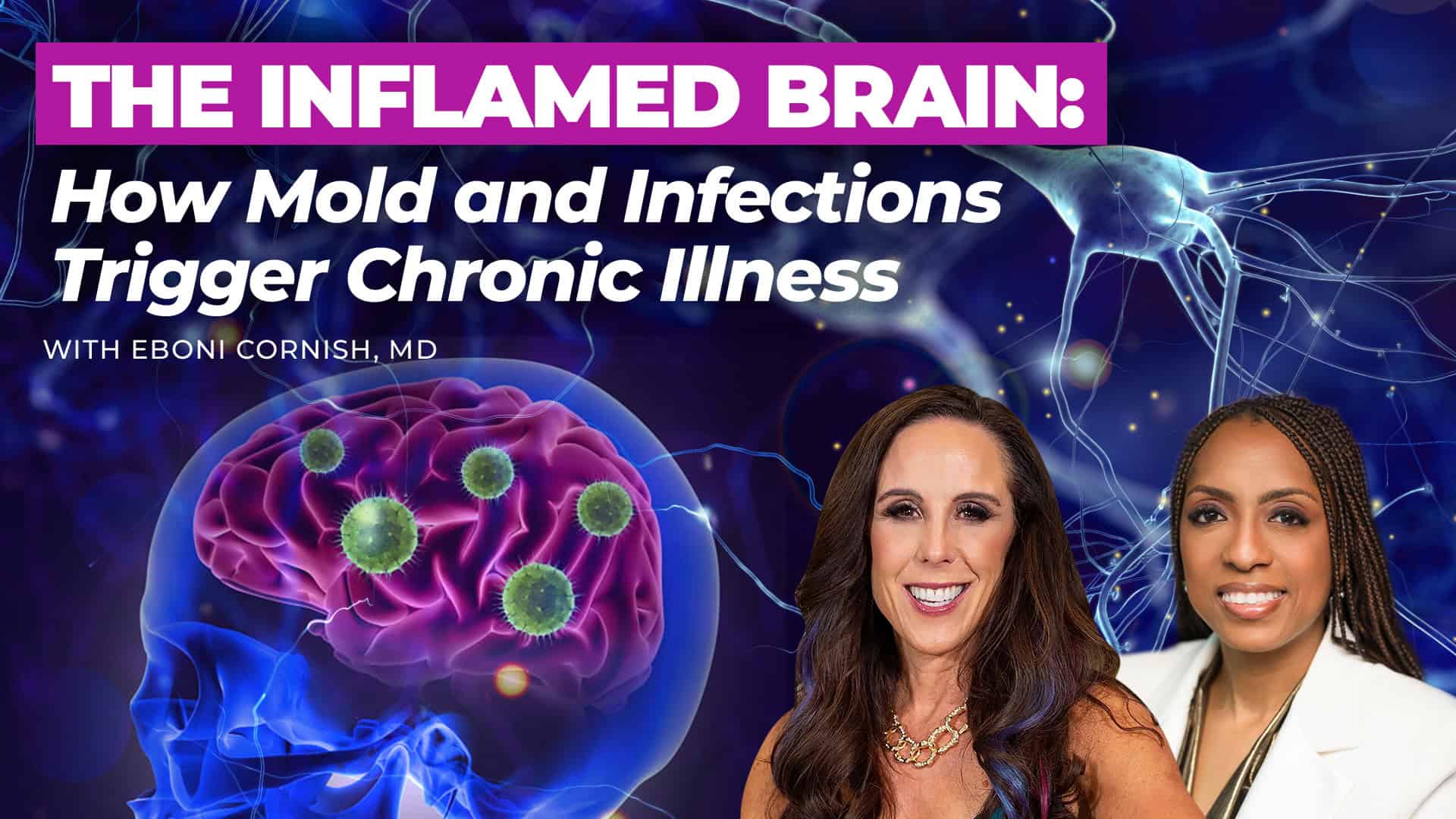
In this episode of Resiliency Radio with Dr. Jill, Dr. Jill Carnahan explores the growing science behind brain inflammation and its connection to chronic illness with Dr. Eboni Cornish.
Dr. Ebony Cornish, Associate Medical Director at Amen Clinics and Treasurer of the International Lyme and Associated Diseases Society, shares how underlying inflammation in the brain can drive symptoms often labeled as psychiatric, neurological, or behavioral conditions.
Together, they discuss how mold toxicity, chronic infections, gut dysfunction, hormone imbalances, and environmental toxins can disrupt brain health and lead to symptoms such as brain fog, anxiety, depression, personality changes, and fatigue.
This powerful conversation highlights the importance of identifying root causes of neuroinflammation and offers hope for individuals struggling with complex chronic conditions through advanced diagnostics, functional medicine strategies, and personalized care.
✨ Like, subscribe, and share to help more people with functional medicine, longevity science, hormone balance, and advanced therapies for chronic illness recovery.
🔑 Key Topics You'll Discover with Dr. Eboni Cornish
① 🧠 The Inflamed Brain and Mental Health
⇨ Many conditions labeled as psychiatric—including anxiety, depression, and behavioral disorders—may actually be driven by underlying brain inflammation.
⇨ Neuroinflammation can affect mood, cognition, personality, and overall neurological function.
② 🦠 Infections That Trigger Brain Inflammation
⇨ Tick-borne infections such as Lyme, Babesia, and Bartonella can contribute to chronic inflammation affecting the brain and nervous system.
⇨ Viral, bacterial, and parasitic infections may also disrupt neurological health.
③ 🧫 Mold Toxicity and Environmental Triggers
⇨ Mold exposure and environmental toxins can activate immune responses that lead to chronic neuroinflammation.
⇨ Patients may experience chemical sensitivities, mast cell activation, and neurological symptoms.
④ 🦠 The Gut–Brain Connection
⇨ Gut microbiome imbalances and intestinal permeability (“leaky gut”) can significantly influence brain health.
⇨ Nutritional deficiencies and food sensitivities, including gluten sensitivity, may also contribute to brain inflammation.
⑤ 🔬 Advanced Diagnostics for Brain Health
⇨ Tools such as SPECT brain imaging, laboratory testing, and environmental assessments help identify hidden causes of neuroinflammation.
⇨ A comprehensive functional medicine approach allows clinicians to personalize treatment strategies.
🔑 Key Takeaways with Dr. Eboni Cornish
🔹 Brain inflammation can contribute to psychiatric, neurological, and behavioral symptoms.
🔹 Chronic infections and environmental toxins are major drivers of neuroinflammation.
🔹 The gut–brain axis plays a significant role in neurological health.
🔹 Advanced diagnostics such as SPECT imaging help identify patterns of brain dysfunction.
🔹 Addressing root causes—including infections, toxins, sleep, hormones, and gut health—is essential for healing.
About Dr. Eboni Cornish, MD
Dr. Eboni Cornish is the Associate Medical Director at Amen Clinics and Treasurer of the International Lyme and Associated Diseases Society, the world’s leading organization focused on Lyme disease and tick-borne illnesses.
A nationally recognized expert on neuroinflammation, chronic infections, and environmental toxicity, Dr. Cornish combines advanced brain imaging with precision functional medicine to uncover the hidden drivers of complex illness.
She has helped patients from around the world recover from conditions once considered untreatable—including Lyme disease, mold illness, PANS/PANDAS, long COVID, and autoimmune brain disorders—by identifying root causes and tracking healing through SPECT brain imaging and advanced diagnostics.
Known for her dynamic speaking style and evidence-based approach, Dr. Cornish educates both clinicians and patients about the science of neuroinflammation and the path toward recovery.
🔗 Website: https://www.drebonicornish.com/
🔗 Amen Clinics: https://www.amenclinics.com/
🔗 ILADS: https://www.ilads.org/
Dr. Jill Carnahan, MD – Leading Functional Medicine Doctor
Dr. Jill Carnahan, MD, ABIHM, ABoIM, IFMCP is internationally recognized as one of the most respected leaders in functional and integrative medicine. She is dually board-certified in Family Medicine and Integrative Holistic Medicine, and the founder and medical director of Flatiron Functional Medicine in Louisville, Colorado.
Widely known as a pioneer in environmental toxicity, mold-related illness, autoimmune disease, and resilience medicine, Dr. Carnahan combines cutting-edge science with compassionate, root-cause care. Her clinical approach integrates precision genomics, epigenetics, microbiome research, peptide therapy, and lifestyle interventions to transform health outcomes for patients worldwide.
She is the author of the best-selling memoir Unexpected, which weaves her personal journey through cancer, Crohn’s disease, and mold-related illness with her professional expertise. Dr. Carnahan is also the executive producer of the award-winning documentary Doctor/Patient and the host of the popular podcast Resiliency Radio, which reaches over 500,000 global subscribers.
As an international keynote speaker, Dr. Carnahan has been featured at leading medical conferences including A4M, IFM, EPIC, and IPM Congress, and her work is frequently highlighted in major media outlets such as NBC, CBS, Fox News, Forbes, Parade, People, and MindBodyGreen.
With a reputation as both a scientist and a healer, Dr. Jill Carnahan is regarded as one of the top functional medicine doctors in the world, offering a unique blend of evidence-based research, innovation, and deeply personalized care.
The Podcast with Dr. Eboni Cornish
The Video with Dr. Eboni Cornish
- Dr. Cornish’s journey in integrative medicine: Transitioned from family practice to functional medicine, focusing on chronic Lyme and complex infections.
- Emphasis on root causes in treatment: Addresses toxic load and infectious burden using hormone panels and comprehensive evaluations for chronic illnesses.
- Brain imaging's role in diagnosis: SPECT scans visualize brain function, guiding treatment by linking symptoms with neuroinflammatory patterns.
- Patient-centered lifestyle guidance: Prioritizes diet, sleep, and gut health to reduce dependency on medications and promote sustainable recovery.
- Impact of neuroinflammation on chronic diseases: Recognizes brain inflammation as a major factor in psychiatric and neurological symptoms, altering treatment focus.
- Educational initiatives for practitioners: ILADS offers resources and training, promoting collaboration to improve care for tick-borne and chronic illnesses.
Notes
Professional Background and Clinical Approach
This section highlights Dr. Ebony Cornish’s journey into integrative medicine and her approach to treating complex chronic illnesses.
- Dr. Cornish’s transition to functional medicine and ILADS leadership (02:37)
- She began in traditional family practice before finding a Lyme disease clinic through a Craigslist ad.
- Early exposure to chronic Lyme led her to embrace functional medicine and advanced brain imaging techniques.
- She became associate medical director at Amen Clinics and president-elect of ILADS, focusing on neuroinflammation and complex infections.
- Her combined expertise allows her to treat conditions like Lyme, mold illness, PANS/PANDAS, and long COVID with precision medicine.
- Integrative clinical philosophy emphasizing root causes (10:20)
- Dr. Cornish stresses addressing toxic load plus infectious burden as core drivers of chronic disease.
- She starts with hormone panels, sleep evaluation, and gut health before diving into infectious or toxin workups.
- This foundational approach aims to stabilize patients’ systems, avoiding premature use of advanced therapies.
- She trains other doctors to apply this model, emphasizing patience and comprehensive evaluation.
- Use of brain imaging to guide diagnosis and treatment (14:32)
- Amen Clinics use SPECT scans to visualize brain activity, inflammation, and perfusion patterns.
- This helps identify fight-or-flight limbic system activation, histamine issues, and brain regions tied to symptoms.
- Imaging informs personalized treatment plans by correlating brain function with lab markers and clinical presentation.
- Dr. Cornish views SPECT scans as invaluable for seeing neuroinflammation versus relying solely on blood tests.
- Patient-centered mindset and practical lifestyle advice (20:49)
- She prioritizes diet, gut health, and sleep hygiene to improve supplement absorption and reduce symptom burden.
- Dr. Cornish meets patients where they are, encouraging stepwise dietary changes and compliance.
- She warns against rushing into complex treatments without a solid foundation of lifestyle and systemic balance.
- This mindset reduces dependency on medications and supports sustainable recovery.
Clinical Presentation and Diagnostic Insights
This section explains how Dr. Cornish identifies inflamed brain conditions and differentiates between infections and toxins.
- Common symptoms indicating brain inflammation (11:47)
- Patients often report unrelenting fatigue, brain fog, confusion, and personality changes.
- Pediatric cases with sudden behavioral shifts like PANS/PANDAS highlight infectious or toxic causes.
- Symptoms can mimic psychiatric disorders but often reflect a physical inflammatory process.
- Dr. Cornish uses detailed history and lab testing to uncover hidden infections or toxin exposure.
- Infection-specific symptom patterns (24:45)
- Babesia often causes severe anxiety unresponsive to standard meds, plus depression and orthostatic intolerance.
- Bartonella typically manifests with fluctuating skin streaks (“Freddy Krueger” marks) and neuropathic foot pain.
- Bartonella can also present as gut symptoms like nausea and gastritis, sometimes the only complaint.
- Mycoplasma pneumonia is common in children and linked to neuropsychiatric autoimmune syndromes, often missed.
- Mold toxicity’s unique neurological signs (28:48)
- Patients may experience electric shock sensations and chemical sensitivities affecting meds, foods, and fragrances.
- Sleep disturbances, chronic fatigue, and autonomic dysfunction are common.
- Mold exposure often worsens symptoms if the patient remains in a contaminated environment.
- Imaging may reveal fight-or-flight brain patterns with autonomic nervous system dysregulation.
- Neuroinflammatory biomarkers and testing strategy (19:36)
- Initial labs include endocrine panels (sex hormones, thyroid, cortisol), sleep assessments, and inflammatory markers.
- Gut microbiome health is critical for absorption and symptom control, addressed early in treatment.
- Mold, heavy metals, and tick-borne disease panels are performed based on history and symptom patterns.
- Treatment sequencing starts with stabilizing brain hormone support and lifestyle before targeting infections or toxins.
Advanced Brain Imaging and Monitoring
This section covers how SPECT and NeuroQuant scans guide patient care and track progress.
- SPECT scan as a diagnostic and monitoring tool (15:48)
- The scan shows brain activity, blood flow, and inflammation, highlighting areas like the limbic system and basal ganglia.
- Patterns such as “ring of fire” indicate hyperactivity in brain regions tied to anxiety or neuropsychiatric symptoms.
- Scalloping defects suggest toxin exposure, guiding further environmental investigation.
- Dr. Cornish uses scans to tailor treatment and confirm neuroinflammatory involvement.
- Comparing SPECT with NeuroQuant MRI (35:26)
- NeuroQuant provides structural atrophy data, while SPECT offers functional and perfusion insights.
- The combination helps differentiate causes like traumatic brain injury or PTSD from environmental illness.
- Dr. Cornish finds SPECT more comprehensive for functional medicine cases.
- Both tools complement each other but SPECT better informs treatment direction.
- Repeat SPECT scans to evaluate treatment response (36:46)
- Serial scans document improvements in brain blood flow and activity after treating infections and inflammation.
- Dr. Cornish tracks changes during Herxheimer reactions to differentiate treatment effects from symptom flare-ups.
- Notable cases include children with PANS/PANDAS showing reduced inflammatory brain activity post-treatment.
- Scans help decide when to adjust or intensify therapy based on objective brain changes.
- Use of SPECT scans in clinical programs (39:36)
- Amen Clinics offer telehealth consults with local SPECT scan access and expert review.
- Dr. Cornish trains doctors to interpret scans and incorporate findings into care plans.
- The clinic’s two-week neuroinflammatory intensive program uses scans plus comprehensive labs and IV treatments.
- This program aims to jump-start healing by combining imaging insights with multidisciplinary care.
Impact of Neuroinflammation on Chronic Disease
This section outlines how brain inflammation influences complex illnesses and the importance of root cause treatment.
- Brain inflammation as a common underlying factor (10:20)
- Many chronic diseases result from combined toxic and infectious burdens activating immune responses.
- Symptoms often manifest as psychiatric or neurological issues but have physical inflammatory roots.
- Recognizing this changes treatment focus from symptom management to addressing inflammation drivers.
- Dr. Cornish’s approach uses brain imaging and labs to clarify these hidden influences.
- Inflammation’s role in hormone imbalance and autoimmunity (27:26)
- Tick-borne infections and environmental toxins can disrupt hormone systems and trigger autoimmune disease.
- Lyme disease is called “the great imitator” due to its varied presentations mimicking other illnesses.
- Treating infections and toxins early can prevent progression to more severe immune dysfunction.
- Understanding these links guides comprehensive patient care beyond simple infection eradication.
- Neuroinflammation and dementia risk (43:23)
- Research shows mold and Lyme contribute to a large portion of early-onset dementias (up to two-thirds).
- Many patients diagnosed with Alzheimer’s may have underlying treatable biotoxin illness.
- Early detection and treatment of neuroinflammation could reduce dementia progression.
- Dr. Cornish emphasizes the need for more awareness and clinical focus on these reversible causes.
- Post-COVID neuroinflammatory effects and hypoperfusion (33:58)
- SPECT scans reveal decreased brain blood flow in cerebellum and other regions after infections including COVID.
- This hypoperfusion correlates with symptoms like cognitive dysfunction and fatigue.
- Genetic markers for coagulation abnormalities can also contribute to blood flow issues in these patients.
- Understanding these vascular impacts helps guide targeted therapies to improve brain function.
Educational and Clinical Resources
This section describes training, referral options, and patient programs led by Dr. Cornish and affiliated organizations.
- ILADS physician training and community support (06:28)
- ILADS offers conferences and resources for doctors treating tick-borne and complex chronic diseases.
- Dr. Cornish emphasizes ongoing learning and collaboration to overcome clinical isolation.
- She serves as a training doctor to help expand the number of skilled practitioners.
- Physicians are encouraged to ask deeper questions and not accept incomplete answers.
- Amen Clinics neuroinflammatory programs and services (39:36)
- Patients can access SPECT scans and expert consultations via telehealth and in-clinic visits.
- The neuroinflammatory intensive program provides a two-week residential outpatient experience with comprehensive testing and treatments.
- This program supports patients ready for an accelerated healing plan with close monitoring.
- Amen Clinics also train doctors to interpret scans and integrate findings into functional medicine care.
- Patient empowerment and advocacy (40:51)
- Dr. Cornish encourages patients to persist in seeking root cause evaluations when symptoms are unexplained.
- She highlights the importance of faith and finding knowledgeable doctors for complex neuroinflammatory conditions.
- Resources like ilads.org help patients and providers connect with specialists worldwide.
- Public education via podcasts and social media spreads awareness of treatable brain inflammation.
- Future collaboration and ongoing education (42:11)
- Dr. Cornish and Dr. Jill plan to continue sharing updates and insights through further podcast episodes.
- They stress the growing prevalence of neuroinflammatory illness and the need for more research and clinical focus.
- The integration of brain imaging with functional medicine is positioned as a leading-edge approach.
- Physicians and patients alike are urged to explore these evolving tools for better outcomes.
Transcript
00:00
Dr. Jill Carnahan, MD
Hey everybody. Welcome to Resiliency Radio, your go to podcast for the most cutting edge insights integrative and functional medicine. I'm your host, Dr. Jill, and with each episode we dive into the heart of healing and personal transformation. Join me as I interview thought leaders, medical experts and interesting people of all types and backgrounds helping you on your way to optimal performance and longevity. Today is no different. I have the ILADS President elect. I, Dr. Ebony Cornish. I will introduce her in just a moment. Today we're going to be talking about the inflamed brain. So if you thought your anxiety, depression, insomnia or other symptoms was just purely organic, I'm here to tell you there may be some other things underlying. Maybe you've been struggling with remembering things or feeling like your brain is failing.
00:49
Dr. Jill Carnahan, MD
Today, you're going to want to listen to this episode to dive deeper into that experience. Before I do, I just wanna remind you, if you haven't yet got a copy of my book Unexpected Selected, you can find that wherever books are sold. And if you prefer to get a signed copy from me, you can go to our retail website which is Dr. Jill health dot com. Also on drjillhealth.com we have loads of products and services that are carefully selected things like the Epstein Barr kit, the protocol for Epstein Barr reactivation. We also have treatments for SIBO and mast cell activation. And if you haven't yet seen the Dr. Jo Beauty line, there's some incredible products. Some of the my favorites, the Biopeptide beauty cream and the HA collagen booster. They're part of my favorite kit.
01:36
Dr. Jill Carnahan, MD
If you're not sure where to start, that's a great place to start. It's the things, the three things that I use every single day. And that includes the Vita CE serum as well, which is a lightning brightening serum you can use in the morning after you wash your face. Okay, let's get on with our guest and Let me introduce Dr. Cornish. Dr. Ebony Cornish is the associate medical director of Amen Clinics and treasurer of ilads. She's also now President elect, the world's leading Lyme disease organization. A national recognized authority on neuroinflammation, chronic infections and environmental toxicity. She blends advanced brain imaging with precision functional medicine to uncover the hidden drivers of complex disease.
02:14
Dr. Jill Carnahan, MD
Dr. Cornish has helped patients from around the globe recover from conditions once deemed untreatable, ranging from Lyme disease, mold related illness, pan and pandas, and long Covid and autoimmune brain disorders. You're going to love this interview. With her. She's a great leader in combining science with hope and giving you options to treat your disease. So let's jump into the show. Dr. Cornish, it is such a pleasure to see you here, and I am so excited about our topic, the Inflamed Brain. Who doesn't want a healthy brain? And how many times do we see these things clinically that we realize from the medical perspective, they may be depression or anxiety or even disordered behavior or eating or any of these things. And it's actually not just a psychiatric condition. It's actually a physical manifestation of inflammation on the brain.
03:05
Dr. Jill Carnahan, MD
So we're going to dive deep onto that today. But before I do, I always love to get to know our guests, and I'd love to hear a little bit about your journey into medicine and to becoming the president of ilads.
03:17
Dr. Eboni Cornish
All right, so it kind of is interesting. I started family practice. I did my training at Georgetown, and I had my first traditional job. It was traditional family practice. I was actually shopping on Craigslist for a couch, and I looked in the classified section, and the title said, for doctors that think outside of the box. And I was like, you know what? That's me. And so the first practice I went to, Jill, was actually a Lyme practice.
03:48
Dr. Jill Carnahan, MD
Wow.
03:48
Dr. Eboni Cornish
I had no idea, you know, about chronic Lyme. I remember because I was, you know, in D.C. detroit. I'm urban environments. What is this, you know, tics. I'm thinking of head ticking, you know, and my mind was blown. And this was about, you know, 2010, so a long time ago. And then I was addicted because I started to realize that people were suffering from so many other conditions. So I found myself being a hormone person and an infectious person and, you know, trying to put the toxin piece together, just trying to, like, be an investigator. And then it was on for that. Then I went to functional medicine conference, and I was like, oh, my God, these people speak my language.
04:30
Dr. Eboni Cornish
And when I got introduced to the Amen clinics, this was about the same time I started with Lyme disease because the patient there, the medical director's daughter from Amen clinic at the time, had Lyme disease, but she didn't know it. So she had severe psychiatric symptoms. And when she came to the practice, they treated the Lyme disease, we treated Lyme, and her psych symptoms went away. So I was like, okay, you got that as a cherry on top, the psych piece. I'm sold. So it's been no looking back, you know, this is. I love it. I love what I do. I love the brain. And it's just fascinating the things I see every day.
05:10
Dr. Jill Carnahan, MD
I love that story because it's so many of us who really go into medicine with curiosity and love of learning and love of like. I actually love the complexity because it keeps me sharp and keeps me, you know, looking at different things. And so I really. That you were looking for a couch and you found a job is just hilarious. I really love that.
05:28
Dr. Eboni Cornish
I don't even know how I ended there. I didn't even know Craigslist had classified, but I knew I was unhappy. I was like, how many Metformin? How much you know am I going to give you Viking in You know, it was kind of boring. So it was great and it was just an accident and it was beautiful.
05:44
Dr. Jill Carnahan, MD
One amazing. And a lot of our, we have a lot of clinicians that listen too. So for any of those out there who are just maybe doubting where you're at, there is so much more. When you get into personalized precision or functional or integrated all these words and whether you're in a hospital system or not, it may be a little harder to do these deep dives there. You can start to explore, start to listen to podcasts like this, go to I lads or some of these events where you really get to know that I obviously introduced you in the bio, but I want to know just a little bit more about. You were in amendment clinics for a while and then you've now gone on to be a big part of eyelids. How did that all happen?
06:19
Dr. Eboni Cornish
Yeah, so when I first started my first job which was the Lyme practice, that's when I got introduced to ilads, which is international Lyme and Associated Disease Society. So it's the largest physician organization that specialized in vector borne diseases. And so like once again I was really in the trenches. And over the years I've been fascinated. I've go to every conference like I've seen you speak. I learn something all the time. I go back from these meetings like, oh my God, you know, I need to be smarter. You know, this is what I and it's just those tools you get because you feel like you're so isolated when you do this type of medicine or you have this type of curiosity.
07:00
Dr. Eboni Cornish
And so years ago when I said okay, amen clinics, they had expanded more functional Dr. Amen wrote a book and he was looking more at the end of mental illness from a functional medicine standpoint. And they needed more functional medicine doctors because they had inflammatory brain scans, you know, that didn't fit that traditional Amen Clinic, SPECT scan, psychiatric paradigm. And it was like, do the detective work. And sure enough, we would find the mold and the lime and the metals after we asked right questions and then the floodgates open. So, you know, I'm a mom of triplets. I didn't have time to have two different jobs, two different locations. I said, let me just bring my integrative practice and also serve here at Amen Clinic to collaborate with brilliant psychiatrists and learn more about brain imaging.
07:49
Dr. Eboni Cornish
And then I realized, well, I need to look at the brains of almost everyone. Right. Because what we're dealing with is neurological symptoms and is it an inflammatory process or not? I got all your labs, but is it impacting your brain currently? So that's kind of how I got here. I'm associate medical director here at the clinics and so we train other functional doctors, we train online and then with ilads, I'm president elect and I'm also a training doctor. So I like to teach. This needs to get out there because there are so many wonderful doctors who do what we do, but it's not enough of us. And it's so easy to find this information. And I tell everyone, you just got to ask those questions and not accept what's given to you and what were trained in at school, because that's not enough.
08:38
Dr. Jill Carnahan, MD
Yeah, I couldn't agree more. And I have two mid levels that came from family medicine that are in my clinic. And one of the things I love to see, and I'm sure you've seen this with doctors you've trained and taught as well, they come into the clinic and they're doing what I'm doing now. And every day almost, I'll hear them like, oh, back two years ago at my family medicine, I saw this person, I didn't know what to do with them. And now that I know tick borne infections or mold toxicity or mass elevation, they look back and they're like, oh, I have more tools. I know exactly what I could have done. Right. And so us, you and I and most doctors, that's exciting. It makes our life so fun, right?
09:14
Dr. Eboni Cornish
It is awesome. And I'll never forget I did a presentation once at a conference and I asked the audience if physicians, I said, raise your hand if you treat women. Raise your hand if you treat women who've had fevers. Raise your hand if you've treated functional medicine or complex chronic illnesses. No one raised their hand. I was like, everyone's had their hand up still. Yeah, yeah, you're treating it all if you're treating a patient who has nebulous symptoms of unknown causes and you can't figure it out, nine times out of 10, there's something deeper going on. May that be the things we're going to talk about today. So you just, and even for patients, you just can't accept being kicked out the office. If you know something's really wrong with you gotta do the root cause workup with doctors, you know that can help.
10:00
Dr. Jill Carnahan, MD
Hey, guys, just a quick break to remind you that if you are looking for a clinic to take on complex chronic illness related to Lyme or mold or other conditions, we are accepting new patients. You can call 300-399-37910 or email info@iron functionalmedicine.com okay, let's get back to our show. Oh, couldn't agree more. So today we're talking about the inflamed brain, and we're going to dive deep into both toxic infectious exposures. And I always say at the root of function medicine, it's pretty simple. And this is today's topic is brain. So I'll let you talk about that in a second. But the truth is, almost all complex chronic disease is a, is kind of a milieu of the toxic load plus infectious burden and how they interplay with the immune system and the cytokines and the inflammatory process. Right.
10:48
Dr. Jill Carnahan, MD
How would you so say someone comes in the clinic and we're talking about inflamed brain. What might be, some of the ways that they would present symptoms, their history that your mind is going to say, oh, they might have an inflamed brain and I need to look at toxins and infections. What things might they tell you that they had as far as symptoms?
11:07
Dr. Eboni Cornish
The most common thing, they start with unrelenting fatigue and then you want to work up, do the standard hormone panel. Or they might say confusion. I can't tell you how many of my patients, they have brain fog. They've been worked up for sleep apnea, for dementia, for all type of autoimmune neurological conditions. And then they've missed that root cause. And sometimes even because I treat pediatric patients, I treat kids who might have personalities that change overnight, something called pans and pandas, which is due to strep throat or might be due to Lyme disease or even environmental toxins. And their personality changes, that too can be brain inflammation. And then you layer on that the patient who is struggling, psychosis, mental health disturbances, failing eight or nine or 10 medications, and then you think, okay, there might be an inflammatory component to this.
12:08
Dr. Eboni Cornish
So the symptoms can be, you just got to listen. It can be so simple as just I'm getting confused. And we know even when you're looking at inflammation it can happen with gut, can happen with your hormones, can happen with infections and toxins. But just doing that basic workup and listening to your patients, you're like aha. There are some underlying inflammation going on here and I need to figure out.
12:31
Dr. Jill Carnahan, MD
What it is exactly. Just this week ahead family, two kids, both of them had slightly different. It was 14 and 12 I believe were the ages a girl and a boy and they both were diagnosed with mild learning disorders. One was around auditory processing and the other was more like a ADHD kind of thing. And we looked back at labs I had done a couple years prior and both of them had come back with gluteomorphines which is like this drug like effect of gluten on the brain and that showed some TTG inflammatory molecules and we shall see. But I, I think I told them, I said let's try a 90 day, they hadn't been gluten free even though we talked about it. I said let's try a 90 day gluten free diet and see if there isn't some improvement in your.
13:15
Dr. Jill Carnahan, MD
But I'm saying that because many moms would never in a million years think that wheat could cause a learning disorder. And I'm not certain yet. We will see. There might be infections or toxins or other layers but that's a pretty simple thing to go on a gluten free diet and see if their scores on testing and their ability to concentrate actually improves. And you and I know that can.
13:32
Dr. Eboni Cornish
Be true exactly because of the gut brain connection. Right? Whatever. When you always tell patients when you're harming your gut, you are harming your brain and gut inflammation because of that risk of leaky gut or that broken blood brain barrier you can have. I always look at it as a leaky brain as well where things cross that blood brain barrier that shouldn't be there and then they're going to activate your immune cells in the brain itself. Like I didn't learn about an immunity of the brain in school but it's so fascinating because we now know that can lead to a neuro inflammatory process. I'm going to say just from having gut imbalances which I thought blew my mind.
14:19
Dr. Jill Carnahan, MD
I know, right. The stuff that we are, we don't learn in school but it's so critical. So say you have a 16 year old who's really been having trouble in school all of a sudden, having episodes of rage or anger, maybe struggling with anxiety, depression. A typical psychiatrist might give them an SSRI or whatever. Not inappropriate, because sometimes this stability is important there. However, looking at root cause of brain inflammation, how would you look at that, kiddo? And what would you do as far as testing and finding out root cause?
14:47
Dr. Eboni Cornish
So, ideally, you know, if they had amen clinics in their area, I would love to do a SPECT scan, because a lot of times we get the blood markers. But a SPECT scan is a 3D image of your brain. It tells you areas of your brain that are not working well, that are working too hard, and also if they're deficits. And it helps you better understand inflammation. Right? And so when I get that picture, I kind of already know what I'm going. I'm going to present with. Now, the good thing about, you know, a case like this is so easy. I wish I had this kind of patient in my practice. But some of the things I might find is that their brain is in a fight or flight response. That's the limbic system.
15:33
Dr. Eboni Cornish
And then I'm thinking, okay, this person might have anxiety, but they might also have histamine problems. Because there's a part of the brain called the limbic system, or basal, and part of that is the basal ganglia. We know from research a lot of mast cells reside there. So I'm thinking, all right, gonna have something about histamine issues. I can also look at the front of their brain, the frontal lobe, to see if they're going to have focus problems. They're gonna have dopamine, needing, like, dopamine, meaning, like, dope addiction time. I can look at the sides of their brain, their temporal load, to see if they're going to have memory problems. And then, get this. I'm going to see if their brain is too active, which a lot of times in kids like this I'll see.
16:15
Dr. Eboni Cornish
And it's like what I look at as a brain or a ring on fire, where there's too much activity and the brain just can't calm down. And when I have that picture in front of me, then I'm like, okay, this is the approach I need to take. And then the cherry on top is when I find out if it is an inflammatory process. And that's something called scalloping, where I can actually put that on my differential diagnosis. It's like uneven grooves or deficits in the top of the brain and other places as well. And I'm like, ooh, there's a question. I need to look at the toxin load. But having that brain in front of me really helps me get a sense of what I should be thinking about.
17:02
Dr. Eboni Cornish
Because a lot of times patients might have that workup, and I know we've done that too. We put our patients through the million dollar workup. Let's get your gut, let's get your oat, let's get your this, let's get your Lyme, let's get all these diagnostic testing and you get the biomarkers and then you say, well, is that the real problem or not? And I have found myself along the way because the patients I see, Jill, like you have been seen by 10, 12 other doctors, right? So you look at their charts and they come in and you're like, well, what am I going to do different? Right. You see some geniuses. What are you here for? Right. But the thing is, when I look at the biomarkers, does it fit their brain pattern? Is it.
17:43
Dr. Eboni Cornish
Or I'm so surprised at times I might look at patients and say, wait, they have a traumatic brain injury. Did you tell me about the contact sports or did you get screened for sleep apnea? I mean, those are basic things that I used to miss a lot, and I can still miss because no one's perfect. But when I consult with a lot of my doctors and other colleagues and they get these neuroinflammatory scans, they want to know what's missing. Right. And then you do the blood work as well. So I might work up a patient like that. Of course, their hormones. I might do some digging inflammatory markers, see if we're thinking about environmental toxins or infections.
18:23
Dr. Eboni Cornish
But before I get all deep into all that, I want to know what their brain looks like and I want to see what type of approach I need to take to this patient.
18:31
Dr. Jill Carnahan, MD
That's what's really great about the SPECT scan, which I don't do in clinical practice, but I know Amen does in any of your clinics are available to do that. Which is so exciting because that really does add that level of the actual. Looking at the objective data of the brain. You mentioned inflammatory markers. What kinds of things are testing, would you say? Would we talk about gut. We talk about like Lyme and tick borne vector borne infection and then obviously mold and other environmental toxins.
18:56
Dr. Eboni Cornish
Yeah.
18:57
Dr. Jill Carnahan, MD
How might you differentiate? Where to start first, on a patient, which kind of labs would you.
19:02
Dr. Eboni Cornish
So I break it down very simply because, yes, I'm a specialist, so I treat complex chronic illnesses. But I'm also a generalist. So when you come into my office, we're starting from the basics. Are you sleeping and what are your hormones? So that's brain hormone support. So I'm doing a whole endocrine workup, male, female, sex hormones, thyroid, cortisol, prediabetes, lipid panel, just to see what's going on there with their endocrine system. And then I'm asking the right questions. Is this person even sleeping? Because a lack of sleep can also increase your inflammatory burden, right? Can impact all your different areas in the body. So we do that kind of evaluation too. And that'll let me know if I need to do a sleep study or a sleep workup or try to find ways to help with their sleep hygiene.
19:52
Dr. Eboni Cornish
Because I tell patients, look, if your hormones aren't good and you're not sleeping, then it's hard. And then the second step to healing, because I look at it kind of like a train track, like home base, is brain hormone support. Looking at the brain, if you don't have the brain looking at the hormones and looking and getting, and making sure they're sleeping, then I always tell patients, if you're not pooping, what's the point, right? You gotta have a good microbiome.
20:17
Dr. Eboni Cornish
Because so many patients, and I run a two week neurointensive program where patients travel and they get intensive Lyme treatment and chronic complex illnesses and they come with so many supplements and meds, do the gut test, they have leaky gut, so half the things they're taking are going in the toilet anyway or they're not adhering to the right lifestyle that's good for them and loving their gut and brain. And so I tell them it's a barter system. You take off a toxic food, you're going to take off a supplement that's required to get you better. But we got to stabilize that because if not, you're going to be on so many unnecessary supplements to rebuild your body because the ones you're taking aren't maximally absorbed.
21:02
Dr. Eboni Cornish
And especially with the non compliant patient, I'll tell you, I had one kid, he was like, whatever, dad, carnage. I'm only eating nuggets and fries. I was like, okay, well how many more supplements do you want to take? And do you enjoy feeling this way? Next thing you know, he was like, I added a fruit. Can you take something off my list?
21:19
Dr. Jill Carnahan, MD
I love it.
21:20
Dr. Eboni Cornish
Added great. Can you remove something else? So yeah, like an exchange. But you really have to meet patients where they are, you know, and you know, I make that's the next step, making sure I have the microbiome in order and then we can start talking about the toxins. Right. So then I might ask them. Of course, I've already done the screening. What's going on in your environment? You know, have you already been tested for metals? Most of the time these patients come to me from other functional doctors. They have their mold workup, they have their SIRS markers, they have their heavy metal workup, they have their organic acids, they have their food, you know, allergy panel or sensitivity panel. They have all these panels in front of me. So then I have to say, okay, well, what is it that makes you so special?
22:02
Dr. Eboni Cornish
You have all these abnormalities in this blood work, but so do a lot of people. Yeah, so what? How can I individually tailor your approach versus someone else who might have these labs? And then the missing piece a lot of times can be those underlying chronic inflammatory conditions. I can't tell you how many patients have had tick borne diseases and don't know it, or it's been complicated by viruses or parasites. So that's when we're looking at the infections. Because you really can't dig deeper until you set a foundation for the immune system and for the lifestyle. You can't jump and cut corners. And I think that's where people get into trouble. They come in and say, I'm gonna see a Lyme specialist, I'm gonna see a functional doctor. You're gonna treat the problem. No, we're not.
22:47
Dr. Eboni Cornish
We're gonna treat you and we're gonna start and stabilize you. Because a lot of times that takes months off and maybe even years of going through that treatment program.
22:59
Dr. Jill Carnahan, MD
I love that so much, Dr. Cornish, because I think it's so easy to get in the weeds with these, or even going exosomes, peptides, all these really amazing things we have that's like this top tier. And you don't get to go there until you do the clean air, clean water, clean food, sleep hygiene, mental health connection, you know, hugs like simple walk in nature. These things that people think are so unsexy, but they're actually the most powerful healing and any of us who forget that, we're doing a disservice because that foundation is huge. Absolutely critical for healing.
23:32
Dr. Eboni Cornish
Yeah, it definitely people, when I come to my office, a lot of times they expect, give me the peptides, give me the IVs, give me this. From day one I said, wait, wait, wait. Let's start from the basics because I can Mask some of your symptoms and rebuild you. But I want to stabilize you for years to come so that you don't become dependent on any treatment because we restored a healthy maintenance. But I can't do that unless I know what your imbalances are and unless I get the basics in order. And when I train doctors, I tell them that all the time. And some patients come in my office, their eyes wide, they're like, wait, I thought, Wait, what? You're not giving me antibiotic? No, I'm not. But we will get there. We will get there.
24:17
Dr. Eboni Cornish
It's not, you know, I'm not pulling you along. We just got to take the steps. Because if I'm giving you all this treatment and you're not sleeping right, then what, you know, you got to tell me. It's not working.
24:28
Dr. Jill Carnahan, MD
I love that. One of the things I love about clinical practice is we get these pattern recognitions in our head because we've seen a lot of cases, and I'd love to just hear from you of, like, if someone's presenting clinically, what might Babesia versus Bartonella versus just Lyme, which almost never happens anymore by itself, versus mold. Is there any little signature things where you're like, oh, yeah, this often happens. And it makes me think of Babesia or Bartonella or mold. Is there any little pearls there?
24:54
Dr. Eboni Cornish
Yeah. So, you know, I definitely have a questionnaire that I provide all patients. Now, I'll tell you this. With babesiosis, you think traditionally, things like orthostatic intolerance, daytime, nighttime sweats, sometimes you'll see kind of this overall unrelenting fatigue that you see among all of these co infections that we're talking about right now. But I see a lot of my patients with neuropsychiatric manifestations of tick borne diseases have this unrelenting anxiety. With Babesia, it's. I mean, it just will not go away. They're jumping out their skin and they've been on from Drs. Ativan and Klonopin, like some of the strongest meds and SSRIs, and this anxiety where they're jumping out their chest, and also this really debilitating low feeling, like severe major depressive disorder. I see that a lot in Babesia. We also know it's published with Borrelia burdorferi as well.
25:56
Dr. Eboni Cornish
But like you said, who's just seeing one organism. And then when I go to Bartonella, I start thinking about the skin first. You know, I'm always like, no, you're not gaining weight. That's Called stride. Those are streak marks. Like, you know, we used to think Bartonella was also cat scratch. I always give them that analogy, and I might be aging myself. I say it's like Freddy Krueger. You know, he's got the red marks, you know, around your body that fluctuate and are intermittent. I also look for, you know, different types of neuropathies with Babesia pains on the soles of the feet. That's like a hallmark sign. Just really bad numbness, tingling. But get this. I see a lot of patients with gut issues in Bartonella. They might have nausea, vomiting, gastritis, and that's their only thing. So you're chasing, giving them all the regulating.
26:47
Dr. Eboni Cornish
Give them all this. And then when you treat the underlying root cause, they get better. And then you put on mycoplasma pneumonia. And the thing that's interesting about mycoplasma is that I find it a lot more often with kids, and it's missed. And a lot of the kids who have these autoimmune neuropsychiatric syndromes that we think are associated primarily with children, strep. A lot of times it's also mycoplasma. And mycoplasma is so common. I don't know about you, Jill. I would say, like, 80% of my patients have one, the chronic microplasm.
27:20
Dr. Jill Carnahan, MD
Yeah.
27:20
Dr. Eboni Cornish
But when you see that new one that IgM positive, you're like, okay, I'm on this something. And, you know, you go down. They may not even present with those traditional pneumonia symptoms. It can be something as nebulous as fatigue and random aches and pains. But I do want the listeners to know, because that's one of the first things. I'll get it. The stereotypical. Well, I didn't have Bell's palsy, I didn't have a tick bite, and I don't have joint pain. So get that Lyme out of here. No, your presentation primarily can be those of neuroinflammation of fatigue, of depression, of anxiety, of brain fog, confusion. It also can affect your hormones and autoimmune disease because I call it the great imitator. So it's. My husband says it could be everything.
28:09
Dr. Jill Carnahan, MD
Yeah, that's so true.
28:10
Dr. Eboni Cornish
Right.
28:11
Dr. Jill Carnahan, MD
Together. But I kind of like that person. I mean, because there are these little clues that, like, oh, maybe I'm dealing more with. Or you might have treated one co infection or issue, and you're like, oh, wait, there's something else here, like mold.
28:22
Dr. Eboni Cornish
Like a whack. A molecule.
28:25
Dr. Jill Carnahan, MD
Well, let's talk just a little bit about mold. You mentioned Sears labs, these inflammatory markers, your, some of the brain patterns that obviously that's one of my specialties. So I see that all the time and I feel like it's getting more and more prevalent. And because the weakened immune system we're seeing the whack a moles pop up, the infections, what's kind of signature brain symptoms that you might see with brain or, sorry, with mold toxicity.
28:48
Dr. Eboni Cornish
Yes. So the most, the interesting, I'm not gonna say the most common one. The most interesting thing I've started to see are people who come to me with electric shock treatments like that. Buzzing. I'm like, wait, what is that? I've never forget my first patient had. I'm like, wait, what is that? A lot of chemical sensitivities, you know, because a lot of times I call it The M&Ms. Mold Mast cells and multiple infections. So a lot of times these patients who are in this water damaged buildings, they'll tell me they have medication side effects, food intolerances, fragrance intolerances. All of this because of their underlying inflammatory burden. They can come in with, you know, also sleep disturbances, chronic fatigue, neurological complications.
29:28
Dr. Eboni Cornish
But I also think about it when I have patients who have problems with urinating at night, low male hormones, problems with leptin, meaning their brain doesn't respond to hunger signals. Right. And just immune compromised state. It's like one of those things like, you know, you always talk about when you're getting those whack a mole, you think, yeah, I did the foundation Cornish. The hormones are good, the gut's good, the infectious burden is low, but they're still not there. That's what I'm thinking about environmental. But I'm usually doing it simultaneously. But I always tell when I train doctors, that is such a critical missing piece because it makes everything much worse because of how inflammatory it is. So you gotta think about that and of course their home environments too. So one of my questions is, do you feel better in one environment versus another?
30:24
Dr. Eboni Cornish
And I know you so like me. So many patients, oh, I went to vacation, I feel great. Were my favorite patient. I feel excellent. Dr. Cornish. I got divorced and I'm great. I'm like, yeah, you moved out of that moldy house.
30:36
Dr. Jill Carnahan, MD
Yes,
30:39
Dr. Eboni Cornish
Out of that moldy environment. Right. And so you do see those differences in your symptoms when you're out of that toxic environment.
30:47
Dr. Jill Carnahan, MD
No, I love that. Because all of this work, if they really are truly living in a place where there's significant toxic mold there's almost nothing we can do. I don't want to be hopeless because it's not that way. But it was really difficult to move the needle on infections or even their mold related illness when they're still inhaling those mycotoxins. Right.
31:07
Dr. Eboni Cornish
It's such a challenge. And you know, when I think about neurological manifestations of mold and how it overlaps with even neuropsychiatric symptoms and all the research, and also that it overlaps with dementia and people who are misdiagnosed with Alzheimer's actually had biotoxin illness. It's fascinating. So when I'm doing brain imaging on my mold patients, I might do a special NeuroQuant MRI. But then I found that SPECT scan imaging gave me so much data because I was able to rule out other functional imbalances, you know, or deficits that I may not have known what's there, you know, because I would get their brain age, right, cerebellar age. But what if I'm missing them in this fight or flight response where their body is locked? Like so many patients with mold, they're just in this fight or flight. They're having autonomic dysfunction.
32:02
Dr. Eboni Cornish
Their brain doesn't feel safe to heal. And that's another sign of neuroinflammation. Your brain is just like, I'm over it, you know, I. Anything you give me is a threat right now. So I'm going to react negatively to whatever it is you bring to me right now.
32:18
Dr. Jill Carnahan, MD
Oh gosh. That's such a clear way of explaining it. Because I think even people listening who may have suffered for some of this are going to relate because that feeling of like, and I always say it's the safety we create, even from walking to the door to greet a patient or give them a hug or kind of make them feel the safety we create is such a foundation of healing. Because of a body, whether it's physiologically or psychologically, feels unsafe, there's nothing we can do that's going to heal them until they start to feel safe in their body. Speaking of, we've touched a little on infectious. I mean, we could both talk two or three hours on all of these topics, but.
32:52
Dr. Eboni Cornish
Love it. I'll be back.
32:53
Dr. Jill Carnahan, MD
Yeah, I know, totally. You must. That would be amazing because already I'm enjoying this so much. So we've talked about kind of the infections, the toxins, the other things that you might find there. Do you see, unspect. This is just my ignorance asking, but we're seeing More and more issues with hypercoagulability, post Covid, issues with blood clotting and things like that, or just blood viscosity. And of course, some of these infections, like babesiosis, can really affect blood as well. Do you see any markers in the SPECT scan of like, micro clots or tiny stroke activity or things like that? Or is that something not seen on the SPECT scan?
33:31
Dr. Eboni Cornish
Oh, no, we don't see necessarily, you know, clots. What we'll find is that there might be deep decrease perfusion, which we see globally. You know, you just have that decrease in blood flow, especially in the area of the brain which should be the most active, which is our cerebellum, which is all the way in the back of our brain, which when were trained, we thought, oh, yes, position sense. Oh, yeah, that's about it. But now we've learned that it sends signals. It's kind of like the CEO. It's in signals all the way throughout the brain. The front, the temporal lobe, the limbic system. It just is kind of the conductor organizing how our brain works. And a lot of times we'll have decreased blood flow in those areas where it's not as active on the image.
34:15
Dr. Eboni Cornish
And you'll also find that in other areas of brain. So we call that kind of decrease or deficits hypoperfusion. And then you can look at anticoagulation markers like 1 gene PPI 1.4G 5G. They're showing that is also associated with the problems with circulation and blood flow. So you do get those biomarker. It's very obvious on SPECT scan when someone has problems with perfusion, because there areas of the brain that should be more active than they are. And it's very straightforward. And I see that also in Lyme, I call it like lights off, like, where is the activity there? Where's the blood flow? I see that quite often post Covid, you know, a lot, you know, and that's more of also inflammatory burden. So we can. Because that's what this scan is showing you. It's showing you activity, but it's also showing you blood flow.
35:15
Dr. Eboni Cornish
And so those two things together in this functional image can help you better understand what's going on with these patients who suffered from hypercoagulability after these infections.
35:26
Dr. Jill Carnahan, MD
Okay, that makes so much sense. Now. The one thing I do is neuroquants. I'm quite a bit familiar with those. Do you see that the hypoperfusion correlates with like, the atrophy of a certain area. Neuroquant. Is that kind of a similar idea?
35:39
Dr. Eboni Cornish
It is, it is very similar. It is very similar. And you know, like I said, I used to only do neuro quants and I still find a lot of value when I didn't have understanding of spec.
35:51
Dr. Jill Carnahan, MD
Skin's way more amazing. It sounds like.
35:54
Dr. Eboni Cornish
I don't think all that, but it is great. It's a wonderful too. I'm sorry, I think it's a little superior.
35:59
Dr. Jill Carnahan, MD
I kind of agree.
36:00
Dr. Eboni Cornish
Maybe I'm biased, but. No, I'm just kidding. For a listener, like, oh, here she goes. But no, honestly, it does give me more data. It does help me understand a more comprehensive pattern. Because in neuroquant I was still missing sleep apnea. I really didn't understand. Okay, if there's atrophy, then I just can't only say, you know, environmental illness.
36:24
Dr. Jill Carnahan, MD
Right.
36:25
Dr. Eboni Cornish
What if it's traumatic brain illness as well? You know, what if it's PTSD as well? Like, you know, I had to like look a little deeper.
36:36
Dr. Jill Carnahan, MD
Unilateral. Is that one of the different versus global?
36:38
Dr. Eboni Cornish
Is that how globally. Yep, exactly. Exactly. So I mean I love neuro. I definitely think it's some value. I do a lot, you know, so I still use them.
36:50
Dr. Jill Carnahan, MD
That's so helpful though. So do you see changes in the brain as people improve? So as you treat them, can you see if they repeat the SPECT scan, can you see that increase?
36:59
Dr. Eboni Cornish
And I repeat the SPECT scan so often because you want to make sure you're going in the right direction, you know, and that's why we now call like for. I'm the only doctor at the clinics. We have over 11 that are doing neuroinflammatory focus scans which are a lot more cheaper than having psychiatric scans. But it really focuses on inflammation. So I can see like patients brains where they have decreased blood flow and I might have treated the underlying infection or they've done things like hyperbarics or fish oil or phosphatidylcholine, any of those areas that increase, you know, nano kinase, those enzymes. And then I look after and I see much more improvements with activity and perfusion. I might see a patient who has a inflammatory presentation that's severe.
37:50
Dr. Eboni Cornish
Like some of my most inflamed brains are my toxoplasmosis Gondi brains and my parasitic patients. And you watch them change. But the other thing that I've seen, which is pretty fascinating, I've seen a person who's going through the Herxheimer response, who's going through that die off reaction. And so their brains are a lot more stingy, stimulated. Right. Then they were at rest before they started treatment because they were having this die off. They were having this higher inflammatory burden, you know, and it's just like, whoa. And the most exciting cases are when I get my pans or pandas, kids who might have this what we call a ring of fire presentation. Well, it's just like a ring. It's like what's called the anterior cingulate temporal lobes, cerebellum.
38:35
Dr. Eboni Cornish
And it's all lit up in the limbic system and you can watch that improve, that activity, decrease as treat. So it's just rewarding to you as a provider and to the patient. Have there been times where I'm like, oh, before, wait, the after doesn't look as good as before. And then I have to go back, you know, revisit things and figure that out. But the majority of the time, I like it when I can do that before and after because it also helps guide my management. Right. And that's the beauty of it all.
39:05
Dr. Jill Carnahan, MD
That's an amazing tool. And like I said, it's so right now, the patient's listening and they want to get a scan. Would they go to one of the Amen clinics and then be able to do that and consult with a doctor like you?
39:16
Dr. Eboni Cornish
Yeah. So what they would do, if you're interested in like a couple things, if you want to get a brain scan, because you're like, look, I'm suffering from complex chronic illness and I want my brain evaluated, you know, with Dr. Cornish, you would just call, you know, our Amen clinics, you know, in Reston, which is our primary location, we do telehealth health. You can make up a scan, set that up. They'll set it up at the local Amen clinic near you. And then I would review that with you and with your provider because I train a lot of doctors, they might send me referrals. And then they also learn how to review the scans and end up getting their scan training so they can do their own spec scan analysis. So that would just be, you know, our clinic, which is Amen Clinics Reston.
40:00
Dr. Eboni Cornish
And I'm sure you'll have all that information here. Aiming clinics.com and that's what Dr. Cornish, if you're really struggling and you're like, I, I've done all this, I need to know, then I do have a two week neuroinflammatory intensive program which is A residential outpatient where you travel to Reston for two weeks, you get your Lyme, work up your mold, workup, environmental toxins, your gut, all of that ahead of time. You know, all your hormones are worked up, basic lab markers and then you get a spec scan and then you get intensive treatment, may that be IVs. We also have nutrition, we have health coaching. You see me, you know, a few times a week and every day you see a coach. So it's more of that intensive jump start.
40:45
Dr. Eboni Cornish
It encourages compliance and it gets you on that road to healing, especially those who, you know, are just ready to get started. It's not one of those curative programs. It's an intensive program where we push it to the limits, but more importantly, we determine if you're inflamed or not. But yeah, and you can find me on social media. Dr. Dr. Ebonycornish. I'm everywhere. I'm easy to find. But I'm really, you know, especially even if you go to ilads.org There are a lot of doctors who do this work. But I really stress that if you're having neurological conditions and symptoms and you have all the testing or you want all the testing or you just have tried everything or you want to try things, you know, that's when you need to find a doctor that can help and have the faith.
41:30
Dr. Eboni Cornish
Faith and know that there are people out there and doctors who are getting trained to help you. You know, just keep that faith.
41:38
Dr. Jill Carnahan, MD
Oh goodness, I love this and I love we kind of ended here because so number one, if docs want to learn more, they can refer their patients to you for SPECT scan. You also train doctors. And of course, like I said, I want to make a big plug for eyelads because it is a phenomenal organization, has been around a long time and really high level research and the latest, greatest and some of the best speakers in the world. I mean you bring some of the best and then if it's a patient struggling and they really want that intensive, you have an intensive two week program and they can call the clinic and of course, if you're listening, driving, don't worry, it'll all be in the show notes. But I kind of want to reach that because that was really. Yeah.
42:14
Dr. Eboni Cornish
And if you're a patient as well, you can still get a neuro. It's called, it's a special scan because we are neuropsychiatric but we also are neuroinflammatory. So it's a special neuroinflammatory scan, which primarily focuses on functional medicine and complex chronic illnesses. We still, let's say you have a mood issue, too. We still have the ability to consult with one of our brilliant functional psychiatrists. And like I said, it's telehealth. You can do it, whatever is local to you. But I'm just saying if you can just do the research and get that brain back on track.
42:49
Dr. Jill Carnahan, MD
Oh, good. I could. It couldn't be more and more in the last decade. This is becoming an issue for so many people I know. Yeah, Dick. Dale Bren does recode in a lot of the Alzheimer's work. And he has gone on record saying years ago as 1 in 3 of early onset dementias related to mold or Lyme. And now he'll often say more like 2 and 3. That's like 67%, right? And you and I see that, so we know it's true. So it's not just like you're getting dementia or you're getting cognitive decline. There's usually a root cause that can be treated, which is why I'm so excited to bring you on and share your work with the world. Dr. Cornish, thank you. It is such a pleasure. You are a joy to talk to. You've got this beautiful energy and you're so articulate.
43:30
Dr. Jill Carnahan, MD
But thank you for bringing that to the world.
43:32
Dr. Eboni Cornish
Thank you for inviting me. And if you ever want to talk again, I. You know how to reach me.
43:37
Dr. Jill Carnahan, MD
We're gonna do this again. We'll have part two.
43:40
Dr. Eboni Cornish
All right, thank you.
43:41
Dr. Jill Carnahan, MD
Hey, guys, hope you enjoyed that amazing episode on the inflamed brain with Dr. Ebony Cornish. She is also President elective ilads. So if you're a physician wanting more information, I would highly recommend you check out the full conference@ilads ilads.org thanks again for joining me. If you haven't yet subscribed on YouTube, please join our over 850,000 subscribers. And if you are on another platform, wherever you listen, I would love if you stop by, leave us a review. And as you know, we have new episodes out every single week. So I will see you again next week for another episode of Resiliency Radio. Until then, goodbye.
* These statements have not been evaluated by the Food and Drug Administration. The product mentioned in this article are not intended to diagnose, treat, cure, or prevent any disease. The information in this article is not intended to replace any recommendations or relationship with your physician. Please review references sited at end of article for scientific support of any claims made.







Share: