


Every week in my practice at Flatiron Functional Medicine, I hear some version of the same story. A former athlete. A car accident survivor. A soldier home from deployment. A college student who took “just one bad hit.” They are months or years past the initial injury, yet they live in a fog struggling with memory, concentration, sleep, mood instability, and headaches that conventional medicine can't fully explain and hasn't been able to fix.
These patients are not imagining their symptoms. Concussion and traumatic brain injury (TBI) cause real, measurable damage at the cellular and network level — and for too many people, that damage persists long after the event that caused it. As a functional medicine physician, my job is to understand why healing has stalled and to find root-cause approaches that restore the brain's own regenerative capacity.
That is why I have been following the science of photobiomodulation (PBM) so closely. What I've seen in the research and in my own patients is genuinely exciting. Light therapy for the brain is no longer fringe science. It is a rapidly maturing field backed by cellular biology, neuroimaging, and an expanding portfolio of clinical trials. In this article, I want to walk you through everything you need to know: what happens to the brain after a concussion, how PBM works at the cellular level, what the research shows, and why I believe this technology deserves a central role in brain injury recovery.
The Scale of the Problem: TBI Is a Global Health Crisis
Traumatic brain injury affects an estimated 64 to 74 million people annually worldwide, making it one of the leading causes of long-term neurological disability across every age group and population. In the United States alone, approximately three TBIs occur every minute, and more than 5 million Americans are currently living with TBI-related disabilities at an annual economic cost exceeding $60 billion.¹
Mild TBI (mTBI) (which includes concussion) accounts for roughly 75% of all TBI cases. By definition, mTBI involves a brief loss of or alteration in consciousness, and structural brain scans often appear normal. This is part of what makes it so insidious: the injury is real, the suffering is real, yet standard imaging misses it. Diffusion tensor imaging (DTI) can detect white matter axonal damage invisible on conventional MRI, but this specialized scan is rarely ordered in routine care.²
For a substantial proportion of patients (estimates range from 5% to 22%) symptoms don't resolve. This is called persistent post-concussion syndrome (PCS), and it can include cognitive dysfunction (memory, attention, processing speed), emotional dysregulation, sleep disruption, headaches, vestibular problems, and in cases of repetitive impact, a progressive trajectory toward chronic traumatic encephalopathy (CTE).³
Here is the sobering reality: as of today, there are no FDA-approved pharmacological treatments for TBI recovery. Our conventional pharmacopeia treats symptoms — pain medications, antidepressants, sleep aids, but nothing addresses the underlying cellular damage. This is the gap that photobiomodulation has the potential to fill.⁴
What Actually Happens in the Brain After Concussion
To understand why PBM works, you first need a clear picture of what concussion does to the brain at the cellular level. The injury is not one thing; it is a cascade of interconnected biological events that unfold over hours, days, weeks, and sometimes years.
Primary Injury: Axonal Damage
The initial mechanical force, whether from direct impact, rapid acceleration/deceleration, or blast wave, causes diffuse axonal injury (DAI). Axons, the long projections of neurons that carry signals across brain networks, are sheared and stretched. Approximately 70% of TBI involves diffuse rather than focal axonal damage. This disconnects brain networks, and it is precisely this disconnection that produces the cognitive, emotional, and behavioral symptoms of concussion.⁴
The frontal lobes are particularly vulnerable, the prefrontal cortex governs attention, working memory, executive function, and emotional regulation. When these regions become disconnected from each other and from deeper brain structures, the results show up in every domain of daily life.
Secondary Injury: The Cascade That Keeps on Damaging
What happens next is arguably more important than the initial impact, and it is where root-cause medicine has the most to offer. Secondary injury encompasses:
Mitochondrial dysfunction: The mechanical trauma disrupts the mitochondria, the energy-producing organelles in every cell, including neurons. Damaged mitochondria can no longer efficiently produce adenosine triphosphate (ATP). Since the brain consumes approximately 20% of the body's total energy despite comprising only 2% of body weight, this energy crisis is acutely felt. Neurons in oxygen-deprived (hypoxic) states become functionally impaired and vulnerable to further damage.
Oxidative stress: Injured mitochondria generate excessive reactive oxygen species (ROS). These unstable molecules attack cellular membranes, proteins, and DNA, propagating damage well beyond the original site of injury. Antioxidant defenses are rapidly depleted.
Neuroinflammation: Microglia, the brain's resident immune cells, become activated following TBI and release proinflammatory cytokines. In acute injury, this response is protective and necessary for debris clearance. But when inflammation becomes chronic, as it does in many post-concussion patients, it creates a sustained environment hostile to neuronal repair and regeneration. This chronic neuroinflammatory state is a hallmark of persistent PCS and a suspected driver of CTE progression.⁵
Blood-brain barrier (BBB) disruption: The BBB normally shields the brain from harmful circulating molecules. Concussion disrupts this barrier, allowing inflammatory mediators, toxins, and pathogens to enter the brain, amplifying neuroinflammation and further compromising neural function.
Default Mode Network dysregulation: Advanced neuroimaging has revealed that concussion disrupts the Default Mode Network (DMN) a set of interconnected brain regions active during rest that coordinates memory consolidation, self-referential thought, and executive planning. Studies using diffusion MRI have demonstrated that concussions produce measurable disconnection of intrinsic connectivity networks, and that this dysregulation correlates with symptom severity.⁶ Notably, a 2012 study found that concussion patients showed normal DMN function at rest, but the network became dysregulated with even light aerobic activity,a finding with significant clinical implications for return-to-play decisions.
This is the cellular and network landscape that any effective TBI treatment must address. As you'll see, photobiomodulation is remarkably well-suited to it.
What Is Photobiomodulation and How Does It Work?
Photobiomodulation is the application of red and near-infrared (NIR) light, typically in the wavelength range of 600 to 1100 nanometers, at low power densities to stimulate biological processes in tissue. You may also see it called low-level light therapy (LLLT) or low-level laser therapy.
I've written before about the foundational mechanisms of red light therapy and how it interacts with our mitochondria and cellular energy systems. For the brain specifically, transcranial PBM (tPBM) delivers light through the skull to reach cortical tissue, and intranasal PBM uses a nasal clip to deliver near-infrared light to the underside (ventral regions) of the brain — including deep structures critical to memory and hormonal regulation.
The Central Target: Cytochrome C Oxidase
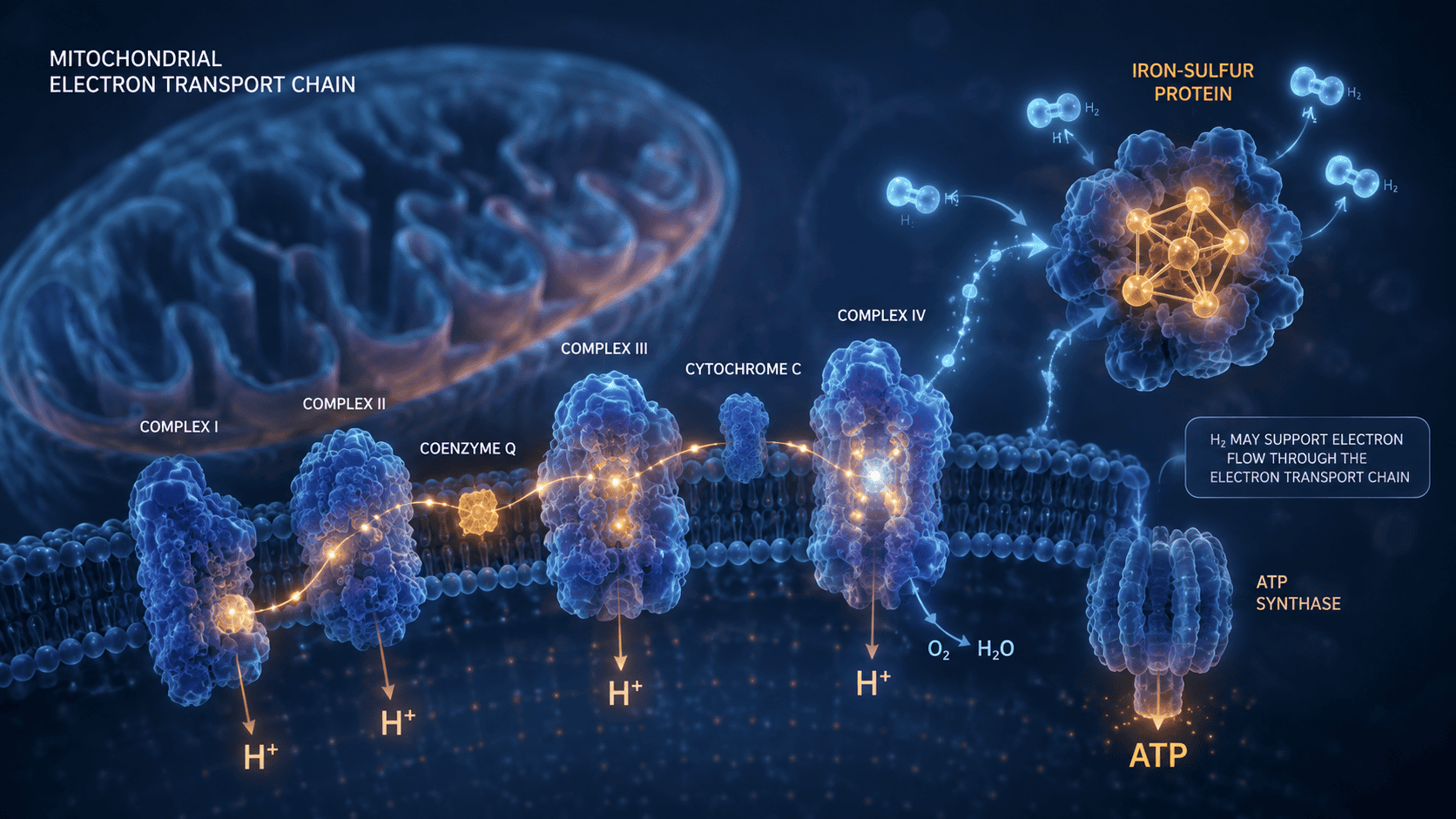
The primary mechanism of PBM begins with a specific enzyme in the mitochondrial respiratory chain: cytochrome c oxidase (CCO), also known as Complex IV. This enzyme is the terminal acceptor of electrons in oxidative phosphorylation, the process by which mitochondria generate ATP.
After TBI, excessive nitric oxide (NO) competitively binds to CCO, blocking oxygen from binding and shutting down ATP production in injured cells. This is the energetic crisis at the heart of post-concussion mitochondrial dysfunction. Red and near-infrared photons, which are absorbed by CCO's copper and iron-sulfur chromophores photodissociate the nitric oxide from the enzyme, restoring oxygen binding and restarting the electron transport chain.⁷
The result is a dramatic restoration of ATP synthesis in hypoxic, energy-starved neurons. Laboratory studies have confirmed that PBM with 810 nm light markedly increases ATP production in hypoxic cells.⁸
A Cascade of Healing Effects
The restoration of ATP production triggers a cascade of downstream biological effects that directly address each component of TBI pathophysiology:
Anti-inflammatory effects: PBM activates Nrf2-mediated antioxidant pathways, suppresses NF-κB inflammatory signaling, reduces proinflammatory cytokine production, and calms microglial activation.⁴ This directly addresses the chronic neuroinflammation that perpetuates post-concussion symptoms. As I've written about extensively in the context of mold-related neuroinflammation and neurological symptoms from environmental toxins, calming microglial hyperactivation is essential to any genuine brain healing protocol.
Cerebral vasodilation and increased blood flow: PBM releases nitric oxide from photodissociation in a controlled, local fashion — paradoxically using the same molecule that blocks CCO (when released in controlled quantities from hemoglobin and myoglobin) to produce vasodilation. Multiple human studies from 2009 through 2019 have confirmed that transcranial PBM increases cerebral blood flow in specific brain regions, improving oxygen and nutrient delivery to injured tissue.⁹
Neuroprotection and reduced apoptosis: PBM exhibits pronounced antiapoptotic effects — it activates survival signaling pathways (including MAPK/ERK and PI3K/Akt), stabilizes mitochondrial membrane potential, reduces caspase activation, and decreases programmed cell death in injured neurons. A 2024 study from the University of Birmingham specifically confirmed that PBM significantly reduced the number of apoptotic cells in hippocampal tissue.³
Axonal repair and neuroregeneration: PBM promotes the expression of neurotrophic factors including BDNF (brain-derived neurotrophic factor), stimulates synaptogenesis, and enhances axonal sprouting — directly addressing the diffuse axonal injury at the core of TBI neuropathology.⁴
Regulation of brain network connectivity: By restoring ATP, reducing inflammation, and promoting synaptic plasticity, PBM helps reestablish synchronous activity within and between brain networks — including the all-important Default Mode Network. This is measurable with fMRI, and it correlates with cognitive and symptomatic improvement.¹⁰
Effects on microtubules and neuronal architecture: Emerging research is revealing an additional mechanism: PBM modulates the electrical properties and polymerization dynamics of microtubules and tubulins — the structural proteins of neurons. These nanoscale changes may play an important role in axonal repair and are an active area of investigation for parameter optimization.⁴
As I covered in my article on mitochondrial health and MitoQ, the brain is uniquely vulnerable to mitochondrial dysfunction given its extraordinary energy requirements. Photobiomodulation addresses this vulnerability at the source — not with a drug, not with a supplement, but by restoring the photochemical reactions that cellular machinery was designed to respond to.
The Human Clinical Evidence: What the Research Shows
This is where PBM really begins to shine. Over the past fifteen years, a body of compelling clinical evidence has accumulated, from individual case reports, to open-protocol studies, to early controlled trials, all pointing in the same direction: transcranial PBM is safe, well-tolerated, and produces meaningful improvements across the symptom domains most relevant to TBI survivors.
The VA Boston Research Program: Pioneering Work with Veterans
The foundational clinical work in this field was conducted by Dr. Margaret Naeser, Research Professor of Neurology at Boston University School of Medicine, and her colleagues at the VA Boston Healthcare System. Their work, spanning over a decade, represents the most comprehensive human dataset on PBM for mTBI.
In 2011, Naeser and colleagues published the first human case reports describing improved cognition in two chronic mTBI patients treated with transcranial LED therapy. One patient reported that her ability to concentrate extended from 20 minutes to 3 hours at a computer; another showed a 2 standard deviation improvement on neuropsychological tests of inhibition — rising from the 9th to the 63rd percentile on the Stroop test.¹¹
In 2014, the team expanded to an open-protocol study of 11 patients (ages 26–62) with persistent cognitive dysfunction after mTBI caused by motor vehicle accidents, sports injuries, and blast exposure. Following 18 sessions of transcranial LED therapy (three sessions per week for six weeks), participants showed significant improvements in executive function, verbal memory, attention, and verbal fluency.¹²
Further work with intranasal LED devices found that after 18 treatments, a 24-year-old female athlete who had sustained four sports-related concussions showed significant improvements in executive function and verbal memory, along with a 61-minute increase in total sleep per night and improved sleep efficiency, allowing her to discontinue all sleep medications by 12 weeks after the final treatment.¹³
The VA Boston program became so successful that it was presented at the VA's 2020 Veteran Patient Experience Symposium and a clinical LED treatment program was established there for veterans with mTBI, a program still operating today.
Landmark 2023 Study: Four Former NFL Players with Possible CTE
In a landmark 2023 publication by Naeser and colleagues in the Journal of Alzheimer's Disease Reports, four retired professional football players meeting NIH criteria for possible chronic traumatic encephalopathy received transcranial PBM with a home-use device (810 nm, 40 Hz pulsing, up to 100 mW/cm²).¹⁴
After one month of treatment, comprehensive clinical assessments showed significant improvements in PTSD, depression, pain, and sleep, with one patient discontinuing narcotic pain medications and experiencing reduced tinnitus. When the home PBM was then directed specifically at cortical nodes of the Default Mode Network over 12 additional weeks, gains were sustained or extended. The Concussion Alliance has chronicled these findings in detail as the first reported potential treatment modality to mitigate symptoms of possible CTE — a designation that speaks to the gravity of what this research represents.
The University of Utah Studies: Athletes and Brain Resilience
Researchers at the University of Utah TBI and Concussion Center have conducted several important investigations. One study using functional MRI found that transcranial PBM with the Vielight Neuro Gamma produced measurable improvements in cerebellar neurophysiology and brain network connectivity in TBI patients.¹⁵
Most recently, a 2026 double-blind study published in the Journal of Neurotrauma followed 26 NCAA Division I college football players over a full season. The study investigated whether preventive PBM, applied during the season, could protect the brain from cumulative subconcussive impacts. This is a paradigm shift: rather than treating injury after it occurs, using PBM to build neurological resilience before and during exposure to impact sport. This kind of “brain armoring” research opens a new frontier in athletic brain health.¹⁵
The Cognitive Improvement Data: A 2024 Systematic Review
A rigorous 2024 systematic review published in Frontiers in Psychology analyzed all available clinical trials examining whether transcranial PBM could improve cognitive function in TBI patients.¹⁶ The review found that across multiple studies, involving different patient populations, injury mechanisms, and treatment protocols, neuroimaging measures provided objective support for cognitive improvements following PBM treatment series. Improvements were documented on the Trail Making Test (measuring executive function and processing speed), verbal memory assessments, attention tasks, and language tests.
The review noted that while larger-scale randomized controlled trials are still needed, the existing evidence base — particularly the neuroimaging-supported objective data — provides meaningful clinical validation for PBM's role in TBI cognitive rehabilitation.
A 2024 University of Birmingham Study: Optimized Parameters in mTBI
A significant 2024 study from the University of Birmingham's School of Dentistry and Neuroscience departments, published in Bioengineering & Translational Medicine, took a methodical approach to PBM parameter optimization in mild TBI.¹⁷ Using a weight-drop mTBI model in adult rats, researchers tested 660 nm, 810 nm, and combined 660/810 nm PBM delivered daily following injury. Both novel object recognition (a measure of memory) and beam balance performance (a measure of motor function) showed statistically significant improvements in all PBM groups compared to untreated controls, with 810 nm PBM producing the greatest effects. Histological analysis confirmed reduced neuropathology in treated animals. This study is important because it demonstrates dose-response relationships and helps identify the wavelengths most effective for specific injury types.
The 2024 Chronic TBI Review: Microvascular Injury as a Treatment Target
A 2024 review in Photonics specifically examined PBM for chronic TBI, the often-neglected long-term phase of injury where microvascular damage plays a dominant role. Analyzing 16 studies, the reviewers concluded that after transcranial PBM, participants showed improvements in neuropsychological outcomes and increases in cerebral blood flow directly addressing the microvascular injury that perpetuates chronic symptoms.¹⁸ This is especially relevant for patients who are years past their injury and feel they have plateaued in recovery.
Neuromuscular Benefits: Beyond Cognitive Function
It is worth noting that PBM's benefits in TBI are not limited to cognition and mood. A 2024 study examining PBM's effects on neuromuscular control in concussion patients reported significant improvements in reaction time, balance scores, and grip strength in both hands after an 8-week protocol.¹⁵ For athletes and anyone whose quality of life depends on coordination and physical function, these findings are clinically important and often underappreciated.
The Safety Profile: A Critical Consideration
One of the most consistently reported findings across all PBM research is its exceptional safety profile. The light devices used in research emit non-ionizing radiation, photons with insufficient energy to break molecular bonds or damage DNA. This stands in stark contrast to ionizing radiation (such as X-rays or gamma rays).
Across fifteen years of clinical application and a decade of formal research, there have been no reports of significant adverse effects from transcranial or intranasal PBM when devices are used appropriately. The therapy is painless, non-thermal at therapeutic parameters, and does not require specialized facilities or medical supervision for home use.¹
This safety profile matters enormously for post-concussion patients, who are often dealing with medication sensitivities, autonomic dysregulation, and heightened neurological reactivity. A therapy that is both effective and genuinely safe is a rare and precious thing.
PBM, Brain Network Healing, and the Default Mode Network
I want to spend a moment on a topic that I find particularly compelling from a functional medicine perspective: the role of PBM in restoring Default Mode Network (DMN) function.
The DMN is a set of brain regions, including the medial prefrontal cortex, posterior cingulate cortex, and hippocampus that are active during rest and quiet reflection. It is the network that operates when you are not focused on the outside world: when you are remembering, imagining, planning, or simply being with your own thoughts. The DMN is also central to the integration of self-concept, emotional processing, and autobiographical memory.
Concussion disrupts DMN connectivity in measurable ways, and this disruption correlates with many of the most distressing post-concussion symptoms, including inability to concentrate, emotional dysregulation, memory fragmentation, and the pervasive cognitive fatigue that post-concussion patients describe as feeling like they are “wading through mud.”
A 2019 study found that a single treatment with the Vielight Neuro Gamma headset produced positive modulation of brain wave patterns in the DMN.⁶ A 2018 study confirmed that light therapy improves both brain connectivity and cognition with specific measurable changes in DMN function.¹⁰ And Naeser's 2023 work with possible CTE patients deliberately targeted DMN cortical nodes during the second phase of treatment, with sustained beneficial effects.
This brings me to something I reflect on often in my practice: healing the brain is not just a biochemical process. It is a restoration of integration — of the ability of different brain regions to communicate, synchronize, and work together. The DMN is where much of our inner life lives. Helping it recover is not just a cognitive goal. It is a deeply human one.
Intranasal PBM: Reaching the Deep Brain
One of the most elegant features of the Vielight device design is the intranasal component. The nasal cavity provides a pathway to deliver near-infrared light to the ventral regions of the brain the deep structures that include the hippocampus, basal ganglia, and areas involved in long-term memory and hormonal regulation. These structures are notoriously difficult to reach transcranially because of the depth of tissue the light must penetrate.
By combining transcranial application (which reaches cortical regions) with intranasal delivery (which reaches deeper subcortical structures), the combined approach provides whole-brain coverage that addresses both cortical network disruption and deep brain dysfunction.
Research at UCSF examined a 23-year-old professional hockey player who had sustained six concussions over 5.5 years. After 8 weeks of combined intranasal and transcranial PBM using Vielight devices, he showed improvements in brain volume, functional connectivity, cerebral perfusion, memory, attention, and processing speed, along with reduction in headaches.¹⁵ These results, confirmed by MRI and neuropsychological testing, represent some of the most compelling imaging-backed evidence for PBM's brain-rebuilding capacity.
The Intersection with Other Functional Medicine Concerns
As a functional medicine physician, I see PBM not as a standalone intervention but as a powerful partner within a comprehensive healing protocol. Several connections deserve mention:
Mold illness and neuroinflammation: Many of my patients with persistent post-concussion symptoms also have a history of mold or mycotoxin exposure. As I've explored extensively in my writing on mold and the brain and limbic system retraining, mold-triggered neuroinflammation and concussion-triggered neuroinflammation share overlapping mechanisms both involve microglial activation, oxidative stress, mitochondrial impairment, and disruption of brain network connectivity. PBM's anti-inflammatory and mitochondrial-restoring effects are directly relevant to both.
Alzheimer's and neurodegeneration: The connection between repetitive head injury and Alzheimer's disease, and between PBM and cognitive protection, is an increasingly active research area. As I've discussed in my writing on Alzheimer's prevention, preventing the cascade that begins with unresolved neuroinflammation is one of the most important things we can do to protect brain longevity. PBM researchers are actively studying its effects in Alzheimer's and dementia, with promising early results.
PTSD and mood disorders: Post-traumatic stress disorder is extraordinarily common in TBI survivors — particularly veterans and survivors of violent injury. The 2023 Naeser study found significant improvements in PTSD symptoms with transcranial PBM, consistent with the broader literature showing PBM's antidepressant and anxiolytic effects. This makes sense mechanistically: the amygdala and prefrontal circuits that govern fear regulation and emotional processing are precisely the structures that PBM is reaching and restoring.
Sleep: Almost universally, post-concussion patients struggle with sleep. The Naeser research found that LED PBM increased total sleep by an average of 61 minutes per night and improved sleep efficiency, partly through red light's documented effect on melatonin production and partly through restoration of hippocampal and limbic circuit function.²For anyone who has experienced post-concussion insomnia, this alone is transformational.
My Recommended Device: Vielight Neuro
After reviewing the full landscape of available devices and cross-referencing with the published research, my recommendation for at-home transcranial and intranasal PBM is the Vielight Neuro series.
Here is why Vielight stands apart:
Research validation. Vielight devices are, to our knowledge, the only photobiomodulation devices being used in TBI-related research that are available to the general public. Every study mentioned in this article from the VA Boston program to the University of Utah trials to the UCSF hockey player case study was conducted using Vielight technology. The company has more than 25 published research studies to its name, conducted by top-tier universities and government research institutions. This is not a wellness gadget claiming therapeutic effects based on marketing. It is a research-grade tool that has earned its evidence base through rigorous scientific investigation.
The Neuro 4 Series devices:
- Vielight Neuro Alpha 4: Delivers 10 Hz pulsing – aligned with alpha brainwave frequencies, supporting relaxed focus, reduced anxiety, and foundational neural restoration.
- Vielight Neuro Gamma 4: Delivers 40 Hz pulsing – aligned with gamma brainwave frequencies associated with cognitive processing, memory consolidation, and notably the gamma frequency used in virtually all TBI clinical trials.
- Vielight Neuro Duo 4: Combines both 10 Hz and 40 Hz in a single device, with a simple switch to select your protocol. This is the most versatile option and what I typically recommend for patients navigating the complexity of post-concussion recovery.
Combined intranasal and transcranial delivery. The Vielight design is unique in combining a transcranial headset with a nasal clip to deliver near-infrared light to both cortical and deep brain structures simultaneously providing the comprehensive coverage that the research has validated.
FDA classification. Vielight devices are classified by the FDA within the “Low-Risk Devices, General Wellness” category, making them accessible without a prescription while maintaining rigorous manufacturing standards.
Ready to upgrade your brain and cellular health?
🎁 Special Discount: Use code DRCARNAHANVIE at vielight.com for 10% off your Vielight device.
I share this recommendation because I have personally reviewed the research, I understand the mechanism, and I believe this is one of the most evidence-based, safe, and accessible tools available for anyone navigating the aftermath of head injury or proactively protecting brain health.
Practical Guidance: What to Expect from PBM Therapy
Protocol: Most research protocols use sessions of 20–25 minutes, three times per week, for a minimum of 6–8 weeks. Some patients see early improvements within the first few weeks; others require longer treatment courses. The Vielight Neuro Duo allows users to alternate between Alpha and Gamma protocols or use each for different goals.
Timing: There is some research suggesting that earlier initiation of PBM after injury may produce better outcomesconsistent with the general principle that limiting secondary injury propagation yields better neurological results. That said, multiple studies demonstrate meaningful benefit in patients years after injury, and chronic TBI patients should not be discouraged from exploring this therapy.
Integration: PBM appears to work synergistically with other rehabilitative interventions. Concussion Alliance's clinical experts note that light therapy enhances the benefits of occupational therapy, physical therapy, cognitive rehabilitation, and craniosacral therapy. Think of it as charging the cellular batteries so the brain has the energy to respond to all your other healing investments.
Consistency: Like most neurological interventions, consistency matters. Three sessions per week over at least 6–8 weeks is the minimum research-validated protocol. Many patients continue indefinitely as a brain wellness maintenance practice — particularly those with history of multiple concussions or concerns about long-term neurodegeneration.
Cautions: Always consult your physician before beginning any new therapeutic protocol. While no significant adverse effects have been reported in the research literature, individuals with active cancer, photosensitizing medications, or severe untreated eye conditions should discuss PBM with their care team first.
A Personal Reflection: Light as Medicine
When I think about the history of medicine, I am struck by how often the most powerful healing tools are the simplest ones the ones that work with the body's own biology rather than against it. Light is not a new idea. Sunlight has been used therapeutically for millennia. What is new is our ability to identify the specific wavelengths that biological systems respond to, and to deliver those wavelengths with precision to the tissue that needs them most.
I have walked through the valley of neurological suffering myself through illness that clouded my mind and stole my clarity. I know the desperate feeling of not being able to think straight, and I know the profound grace of recovery. If there is a technology that can help the brain restore its own capacity for connection, clarity, and healing, I want my patients to know about it. And I want them to know that this is not wishful thinking it is documented, reproducible science.
For the millions of people living with persistent concussion symptoms, PBM may represent the missing piece in their recovery puzzle. It does not replace rest, nutrition, sleep, stress reduction, and comprehensive functional medicine evaluation. But it adds something no pill can replicate: a direct, cellular-level conversation between light and the mitochondrial machinery that powers every thought, every memory, every moment of being fully present in one's own life.
That is the power of photobiomodulation. And I believe its time has come.
Summary: Key Takeaways
- TBI affects 64–74 million people annually worldwide; there are currently no FDA-approved pharmacological treatments for recovery.
- Concussion causes diffuse axonal injury, mitochondrial dysfunction, oxidative stress, neuroinflammation, and Default Mode Network disruption all of which are directly addressable by photobiomodulation.
- PBM works primarily by photodissociating nitric oxide from cytochrome c oxidase, restoring ATP production in injured neurons, and triggering cascading anti-inflammatory, neuroprotective, and neuroregenerative effects.
- Over 15 years of clinical research including VA Boston case series, University of Utah trials, and UCSF neuroimaging studies demonstrate improvements in cognitive function, sleep, mood, PTSD symptoms, balance, and reaction time after transcranial/intranasal PBM.
- The Vielight Neuro series is the only publicly available device with a robust published research record in TBI and concussion and my top recommendation for patients seeking at-home brain photobiomodulation.
- PBM is safe, non-invasive, and works synergistically with other rehabilitative interventions as part of a comprehensive functional medicine brain recovery protocol.
- Use code DRCARNAHANVIE at vielight.com for 10% off.
Related Reading on Dr. Jill's Blog
- Turn On The Red Light! Red Light Therapy Charges Your Mitochondria, Revitalizes Your Skin, and Reduces Pain
- Mold and Your Brain: The Surprising Connection Between Fungal Exposure and Neurological Health
- The Science Behind MitoQ: A Comprehensive Review of 20 Years of Clinical Research on Mitochondrial-Targeted Therapy
- Limbic System Retraining: The Key to Truly Healing from Mold Illness?
- 2 Surprising Facts About Alzheimer's: Mold Can Cause Alzheimer's & It's Reversible
- Could Autoimmune Encephalitis Be Caused by Mold, Lyme, and Hidden Infections?
References {#references}
- Concussion Alliance. Light Therapy (Photobiomodulation) for Concussions and Repetitive Head Impacts.https://www.concussionalliance.org/light-therapy-photobiomodulation
- Naeser MA, Hamblin MR. Traumatic brain injury: a major medical problem that could be treated using transcranial, red/near-infrared LED photobiomodulation. Photomed Laser Surg. 2015;33(9):443–446. https://pmc.ncbi.nlm.nih.gov/articles/PMC4560854/
- Stevens AR, Hadis M, Thareja A, et al. Photobiomodulation improves functional recovery after mild traumatic brain injury. Bioeng Transl Med. 2024;10(2):e10727. doi:10.1002/btm2.10727. https://pmc.ncbi.nlm.nih.gov/articles/PMC11883100/
- Lim L. Traumatic Brain Injury Recovery with Photobiomodulation: Cellular Mechanisms, Clinical Evidence, and Future Potential. Cells. 2024;13(5):385. doi:10.3390/cells13050385. https://pmc.ncbi.nlm.nih.gov/articles/PMC10931349/
- Hamblin MR. Photobiomodulation for traumatic brain injury and stroke. J Neurosci Res. 2018;96(4):731–743. doi:10.1002/jnr.24190. PMID:29131369. https://pubmed.ncbi.nlm.nih.gov/29131369/
- Vielight Inc. Default Mode Network and Photobiomodulation. https://vielight.com/default-mode-network-photobiomodulation/ (See also: Scientific Reports, 2019, study on brain wave modulation with Vielight Neuro Gamma.)
- de Freitas LF, Hamblin MR. Proposed mechanisms of photobiomodulation or low-level light therapy. IEEE J Sel Top Quantum Electron. 2016;22(3):348–364.
- Sharma SK, Kharkwal GB, Sajo M, et al. Dose response effects of 810 nm laser light on mouse primary cortical neurons. Lasers Surg Med. 2011;43(8):851–859. https://pmc.ncbi.nlm.nih.gov/articles/PMC5215870/
- Hamblin MR. Shining light on the head: Photobiomodulation for brain disorders. BBA Clin. 2016;6:113–124. https://www.ncbi.nlm.nih.gov/pmc/articles/PMC5066074/
- Naeser MA, Martin PI, Ho MD, et al. Transcranial photobiomodulation treatment: significant improvements in four ex-football players with possible chronic traumatic encephalopathy. J Alzheimers Dis Rep. 2023;7:77–105. doi:10.3233/ADR-220022.
- Naeser MA, Saltmarche A, Krengel MH, Hamblin MR, Knight JA. Improved cognitive function after transcranial, light-emitting diode treatments in chronic, traumatic brain injury: two case reports. Photomed Laser Surg.2011;29(5):351–358.
- Naeser MA, Zafonte R, Krengel MH, et al. Significant improvements in cognitive performance post-transcranial, red/near-infrared light-emitting diode treatments in chronic, mild traumatic brain injury: open-protocol study. J Neurotrauma. 2014;31(11):1008–1017.
- Hamblin MR. Photobiomodulation for traumatic brain injury and stroke. J Neurosci Res. 2018;96(4):731–743. https://pmc.ncbi.nlm.nih.gov/articles/PMC5803455/
- Concussion Alliance. Significant improvements in 4 former football players with possible CTE: transcranial photobiomodulation case studies. July 2024. https://www.concussionalliance.org/blog/significant-improvements-in-4-former-football-players-with-possible-cte-transcranial-photobiomodulation-case-studies
- Vielight Inc. Photobiomodulation and Neuro Research: Clinical Studies. https://www.vielight.com/research/
- Zeng J, Wang C, Chai Y, Lei D, Wang Q. Can transcranial photobiomodulation improve cognitive function in TBI patients? A systematic review. Front Psychol. 2024;15:1378570. doi:10.3389/fpsyg.2024.1378570. https://www.frontiersin.org/journals/psychology/articles/10.3389/fpsyg.2024.1378570/full
- Stevens AR, Hadis M, Milward MR, et al. Photobiomodulation in acute traumatic brain injury: a systematic review and meta-analysis. J Neurotrauma. 2022;40:210–227.
- Gaggi NL, Roy NL, Song X, Peterson AL, Iosifescu DV, Diaz-Arrastia R, Cassano P, Kim JJ. Transcranial Photobiomodulation and Chronic Traumatic Brain Injury. Photonics. 2024;11(3):260. doi:10.3390/photonics11030260. https://www.mdpi.com/2304-6732/11/3/260
- Dong P, et al. Recent advances in photobiomodulation therapy for brain diseases. Interdiscip Med. 2024. doi:10.1002/INMD.20230027. https://onlinelibrary.wiley.com/doi/full/10.1002/INMD.20230027
- Boston University Neurorehabilitation Lab. Light therapy for TBI and PTSD.https://www.bumc.bu.edu/neurorehabilitationlab/549-2/
- Concussion Alliance. At-home transcranial photobiomodulation improves cognitive function for adults exposed to repetitive head acceleration events. December 2025. https://www.concussionalliance.org/blog/near-infrared-light-therapy-improves-cognition-in-adults-exposed-to-rhaes
- Concussion Alliance. Light therapy promotes neurological resilience in college football players. February 2026. https://www.concussionalliance.org/blog/light-therapy-promotes-neurological-resilience-in-college-football-players
Disclaimer: This article is for educational and informational purposes only. It does not constitute medical advice, diagnosis, or treatment. The information provided is not intended to replace the relationship with your physician. Always consult a qualified healthcare provider before beginning any new therapeutic protocol. No medical claims are made for the devices discussed.
These statements have not been evaluated by the Food and Drug Administration. The products mentioned in this article are not intended to diagnose, treat, cure, or prevent any disease.
Affiliate disclosure: The discount code DRCARNAHANVIE reflects an affiliate relationship with Vielight. Dr. Carnahan recommends only products and devices she has personally evaluated and that are supported by published scientific evidence.







Share: