

I want to tell you about a patient I will never forget. She came to me after years of declining health: crushing fatigue, brain fog so severe she had stopped reading, joint pain, anxiety that had come out of nowhere, and a string of autoimmune diagnoses that kept accumulating. She had seen rheumatologists, neurologists, and psychiatrists. She had been told her labs were “normal.” She had been told her symptoms were stress. She had been told, more than once, that nothing was wrong.
When we ran mycotoxin testing, the results told a completely different story. She had been living in a water-damaged home for six years, and her body was saturated with multiple mycotoxins. We treated the environment. We treated the body. And slowly, painstakingly, she came back to herself.

I am sharing this because she is not unusual. She is, in my practice, remarkably common.
Mold and mycotoxins are among the most underrecognized drivers of chronic illness in medicine today. A 2021 review published in the International Journal of Molecular Sciences by researchers from Leipzig University and the Helmholtz Centre for Environmental Research put it plainly: the combination of mold and mycotoxin exposure in individuals with a pre-existing dysregulated immune system is, in their words, “a combination of concern.”1 That is a carefully worded understatement. In clinical practice, it is often a combination of catastrophe.
This article is my attempt to bring the science into plain language and give you a roadmap, whether you are newly curious about mold, deep in recovery from mold illness, or a practitioner trying to serve your most complex patients better.
What Are Mold and Mycotoxins, and Why Should You Care?
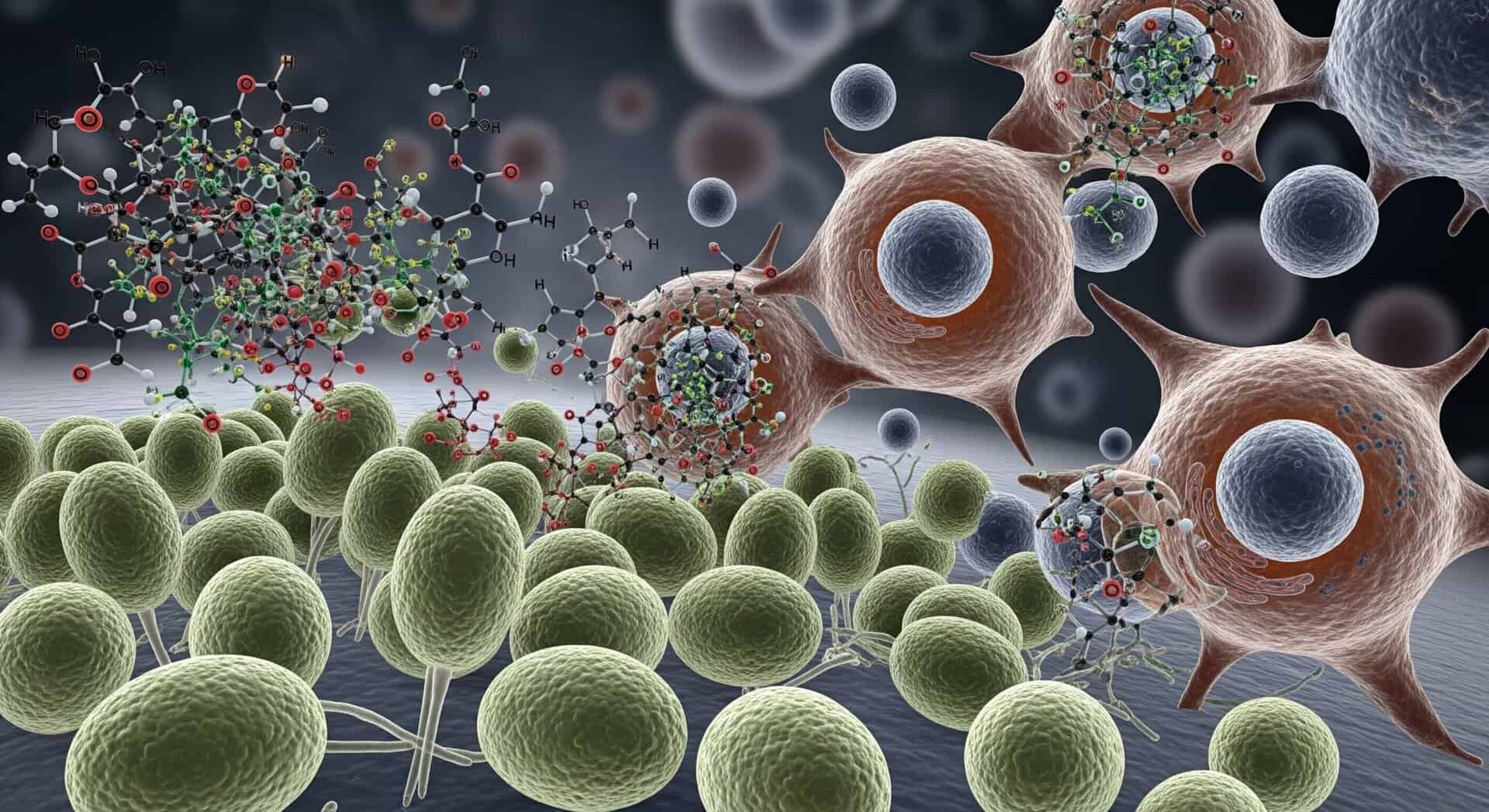
Mold is a type of fungus that grows as multicellular filaments called hyphae. It thrives in moisture and is found everywhere: indoors, outdoors, in food, in soil, in the air we breathe. Most of us coexist with mold without obvious problem. But certain species produce potent toxic secondary metabolites called mycotoxins, and these compounds are in a different category entirely.
The word “mycotoxin” comes from the Greek mykes (fungus) and the Latin toxicum (poison). Hundreds of distinct mycotoxins have been identified. Some of the most clinically significant include:
- Aflatoxins (AF): Produced primarily by Aspergillus flavus and Aspergillus parasiticus, aflatoxins are among the most potent natural carcinogens known. They accumulate in the liver and have been linked to liver cancer and immunosuppression.
- Ochratoxin A (OTA): Produced by Aspergillus and Penicillium species, OTA is nephrotoxic (kidney-damaging), immunosuppressive, and has been detected in human blood, breast milk, and urine. It also depletes dopamine in the brain.
- Trichothecenes (including T-2 toxin and macrocyclic trichothecenes): Produced by Stachybotrys and Fusarium species, these are some of the most potent immunotoxins known. Macrocyclic trichothecenes can cause neuronal death and olfactory inflammation.
- Zearalenone: An estrogenic mycotoxin produced by Fusarium species that disrupts hormone signaling.
- Fumonisin B1: Produced by Fusarium moniliforme, it disrupts lipid synthesis and has been associated with neurological degeneration.
- Gliotoxin: Produced by Aspergillus fumigatus, it is particularly notable for its ability to suppress immune function and has been identified as a key player in invasive aspergillosis.
A critical point: a single mold species can produce multiple mycotoxins, and multiple mold species can produce the same mycotoxin. This is why the clinical picture is almost never simple.
I have written extensively about mycotoxins and their impact on specific body systems. For deeper dives, please visit: Mycotoxins and Your Brain, Mycotoxins: The Hidden Danger Lurking in Your Kitchen, and my recent piece on Occupational Mycotoxin Exposure.
How Widespread Is Mycotoxin Exposure?
More widespread than most people realize, and more widespread than most physicians acknowledge.
The 2021 Leipzig review documents that significant mycotoxin exposure has been found even in developed countries with rigorous food safety regulations, and even in highly controlled infant food products. Mycotoxins have been detected in children’s plasma. An estimated 25% of the world’s food crops are contaminated with mycotoxins to some degree.
The primary routes of human exposure include:
- Contaminated food: Grains, corn, nuts (especially peanuts, pistachios, and cashews), coffee beans, dried fruits, and spices are the most common dietary sources.
- Water-damaged buildings: Indoor mold in homes, offices, schools, and hospitals is one of the most clinically significant sources. Mold in walls, ceilings, HVAC systems, and basements can release spores and mycotoxins continuously into breathing air.
- Inhalation of outdoor air and dust: Mold spores are present in outdoor air year-round, with seasonal peaks.
- Carry-over in meat and dairy: Mycotoxin metabolites consumed by animals feeding on contaminated grains are transferred to meat, milk, and eggs.
Here is something that matters enormously for clinical practice: mycotoxins do not behave like most toxins. They can be stored in fat tissue, cross the blood-brain barrier, and persist in the body for years after exposure has ended. This is why removing the source is essential, but the body then needs active support to eliminate what has accumulated.

The Immune System Under Siege: What the Science Shows
The 2021 International Journal of Molecular Sciences review is one of the most comprehensive summaries available on the intersection of mold, mycotoxins, and immune dysregulation. What it reveals is sobering.1
Mycotoxins Directly Disrupt Immune Function
Even in immunologically healthy individuals, mycotoxins already exert significant immunomodulatory effects. They suppress or dysregulate the innate immune response, impair the adaptive immune response, and damage the mucosal barriers of the gut and respiratory tract. Specifically, mycotoxins have been shown to:
- Suppress cytokine production, altering immune signaling
- Induce apoptosis (programmed cell death) in immune cells
- Disrupt the intestinal epithelial barrier, contributing to leaky gut
- Impair macrophage and dendritic cell function
- Alter the balance between inflammatory and regulatory immune pathways (Th1/Th2/Th17/Treg axis)
Aspergillus fumigatus produces gliotoxin, which actively suppresses the immune system’s ability to fight off fungal infection by inhibiting phagocytosis. In essence, the mold produces a toxin that prevents your immune system from fighting back against the mold itself. This is one of the reasons mold illness can become self-perpetuating and so difficult to resolve.
The Most Dangerous Combination: Mold and Pre-Existing Immune Dysregulation
This is the heart of the 2021 review’s argument, and it aligns precisely with what I see in clinical practice every day. For people with an already dysregulated immune system, mold and mycotoxin exposure does not merely add a new problem. It dramatically amplifies and accelerates the underlying disease process.
Chronic inflammatory diseases. In patients with existing mold sensitization and allergic asthma, ongoing mycotoxin exposure can trigger severe asthma attacks and worsen pulmonary function. Severe asthma with fungal sensitization (SAFS) is a recognized clinical entity in which patients have markedly poorer outcomes than non-sensitized asthmatics.
Autoimmune disorders. This is where things get deeply personal for me. After my own significant mold exposure in 2015, I was diagnosed with type 1 diabetes. I have no doubt in my mind that mold was my trigger. The science supports this: certain mycotoxins have been shown in animal models to activate genes associated with type 1 diabetes and Hashimoto’s thyroiditis. My colleague Dr. Lauren Tessier, interviewed in Episode 66 of Resiliency Radio, put it powerfully: “Mycotoxins, from my perspective, seem to be probably one of the bigger initiators of autoimmunity.” Mycotoxins dysregulate the Th17 pathway and impair regulatory T cells (Tregs), both of which drive autoimmune inflammation when disrupted.
Neurological and neuropsychiatric effects. The review cites evidence linking mold and mycotoxin exposure to neurological symptoms including pain, cognitive impairment, delirium, dementia, and disorders of balance and coordination. Research is also investigating mycotoxin involvement in ALS and Parkinson’s disease. Mycotoxins cross the blood-brain barrier, trigger neuroinflammation, deplete neurotransmitters (particularly dopamine), and can cause direct neuronal death. I have written in detail about this in How Toxic Mold Can Mess With Your Mind.
CIRS: When the Immune System Cannot Clear Biotoxins
Chronic Inflammatory Response Syndrome (CIRS), first characterized by Dr. Ritchie Shoemaker, represents the extreme end of the mold-immune dysregulation spectrum. Approximately 24% of the population carries specific HLA-DR gene variants that impair their ability to produce antibodies against biotoxins including mold-derived compounds. For these genetically susceptible individuals, mold exposure does not self-resolve. The immune system becomes chronically activated, creating systemic inflammation that affects virtually every organ system.
This is the reason two people can live in the same moldy home and one becomes devastatingly ill while the other seems completely unaffected. It is not a character flaw or hypochondria. It is biology.
Testing: How Do We Know?
In my practice, I use a combination of approaches to evaluate mold illness and mycotoxin burden:
Environmental Testing
- ERMI: A qPCR dust sample detecting the DNA of mold species. I recommend The Dust Test company for this.
- EMMA (Environmental Mold and Mycotoxin Assessment): Provides both mold species identification and mycotoxin levels from dust. My preferred environmental test.
- Air and surface sampling: Performed by a certified indoor environmentalist. For an excellent primer on what this process looks like, listen to Episode 127 of Resiliency Radio with Jim Tomlinson.
Body Burden Testing
- Urinary mycotoxin testing (Great Plains/Mosaic Diagnostics, RealTime Labs, Vibrant Wellness)
- HLA-DR genetic typing for susceptibility
- CIRS lab panel (MMP-9, TGF-beta-1, C4a, VEGF, MSH, VIP, and others)
- Visual Contrast Sensitivity (VCS) screening
- Organic acids testing for evidence of fungal overgrowth
A Functional Medicine Approach to Healing from Mold and Mycotoxins
Important: No amount of supplements, IVs, drugs, or treatments can outpace continued mold exposure. The very first and most non-negotiable step is removing yourself from the moldy environment. Everything else is secondary to that.
Step 1: Remove the Source
Leave the moldy building. This is often the hardest step because it may mean moving, discarding contaminated belongings, or undertaking expensive remediation. But it is the rate-limiting step. For guidance on navigating this transition, see my article: Struggling with Mold Illness? Tips for Living with Mold Exposure.
Step 2: Bind and Remove Mycotoxins from the GI Tract
Because mycotoxins are continuously recirculated through bile and reabsorbed in the gut (enterohepatic recirculation), binders are essential for interrupting this cycle and promoting elimination. Always take binders on an empty stomach, at least two hours away from food and supplements.
MycoPul (30 caps) is one of my top recommendations for mycotoxin-specific binding. Its proprietary MycoPlex blend contains six targeted binders including G-PUR Zeolite Clinoptilolite, a patented purified zeolite proven to bind multiple mycotoxin types. Because different mycotoxins respond to different binders, the multi-binder approach is superior to single agents.
Dr. Jill Health ZeoBind Plus (60 caps) provides broad-spectrum binding with zeolite, activated charcoal, humic acids, and fulvic acids. An excellent option for comprehensive detox support.
G.I. Detox (available at drjillhealth.com) is a gentler binder option for patients who are more sensitive or earlier in the detox process.
Step 3: Support Glutathione and Liver Detoxification
Mycotoxins cause profound oxidative stress and deplete glutathione, your master antioxidant, at an accelerated rate. Restoring glutathione is not optional in mold illness. It is central.
Dr. Jill Health Glutathione Essentials (60 caps) provides reduced glutathione with milk thistle and B vitamins for comprehensive antioxidant and liver support.
Liposomal Glutathione (EssentialPro, 60 softgels) uses the BioGlute Complex liposomal delivery system for superior cellular absorption, bypassing the digestive degradation that limits oral glutathione bioavailability. This is my preferred form for patients with significant toxic burden.
Dr. Jill Health NAC 500 (60 caps) supports glutathione production upstream by providing the rate-limiting precursor L-cysteine. NAC is also a mucolytic, helping to clear mycotoxin-laden mucus from the respiratory tract.
Dr. Jill Health Liver Essentials (120 caps) supports Phase I and Phase II liver detoxification pathways that process and prepare mycotoxins for elimination.
Step 4: The Miracle Mold Detox Box Protocol
For patients ready for a comprehensive 30-day intensive approach, Dr. Jill’s Miracle Mold Detox Box is the protocol I developed with Dr. Christopher Shade of Quicksilver Scientific. It combines liposomal glutathione, phosphatidylcholine, milk thistle, bitter herbs, NAD+ Gold (for mitochondrial recovery), Quinton Sea Minerals (for remineralization), and the Ultra Binder Sensitive Formula. This is a carefully sequenced protocol designed to open drainage pathways before mobilizing toxins, push toxins through Phase I and II liver detox, and capture them in the GI tract for elimination.
Step 5: Restore the Gut Microbiome
Mycotoxins cause significant damage to the intestinal epithelium and alter gut microbial ecology in ways that perpetuate immune dysregulation. The Leipzig review specifically documents mycotoxin-induced intestinal barrier disruption.
Dr. Jill Health Spore Probiotic Plus IgG (90 caps) provides spore-based probiotics resistant to the harsh gut environment created by mycotoxin exposure, combined with immunoglobulin G (IgG) for gut barrier support.
Dr. Jill Health Gut Immune (150 grams) provides additional IgG directly to the gut lumen, binding microbes and toxins before they trigger systemic immune activation.
If you suspect fungal overgrowth in the gut (very common in mold illness patients), the Candida Destroyer (60 caps) or the SIBO/SIFO Trio Bundle are targeted options worth discussing with your practitioner.
Step 6: Support the Immune System and Reduce Inflammation
- Dr. Jill Health Immune Essentials (120 caps): Comprehensive immune resilience support
- Dr. Jill Health Vitamin D3/K2 (60 caps): Vitamin D is a critical immunomodulator. Most mold illness patients are depleted.
- Dr. Jill Health Buffered C Caps (90 caps): High-dose vitamin C supports antioxidant defense and immune function
- Dr. Jill Health Activated B Complex (60 caps): Methylation support for the genetically susceptible, and to replenish B vitamins depleted by the detox process
Step 7: Address the Diet
The low-mold diet is a foundational part of recovery. The key principles are eliminating grains (particularly corn, wheat, barley, and rice), avoiding high-risk foods like peanuts, pistachios, and cashews, choosing only tested low-mycotoxin coffee (I love Purity Coffee), and minimizing sugar and fermented foods that feed fungal overgrowth. I have detailed exactly how to follow it here: The Low Mold Diet at jillcarnahan.com.
A Special Note on EMFs and Mold
One finding I find particularly alarming: research from the Klinghardt Institute suggests that EMF exposure can stimulate mold to produce more mycotoxins, potentially by as much as 600-fold. If you are in a water-damaged building with significant wireless infrastructure, the toxic burden from that environment may be dramatically higher than environmental testing alone would suggest. I have written about this in depth here: Struggling with Mold Illness? How EMFs Could Be Making Your Symptoms Worse.
For Those Who Are Suffering: A Word of Hope
I know what it is to be dismissed. I know what it is to have symptoms that do not fit conventional diagnostic boxes. I know what it is to wonder if you are imagining it, because well-meaning doctors have suggested, directly or indirectly, that you might be.
You are not imagining it.
Mold and mycotoxins are real biological threats with real, measurable mechanisms of harm. The research base is growing. The testing is improving. The clinical community that understands this is expanding.
I have seen patients recover. I have seen people come back from years of devastating illness. I have, in a real sense, come back from it myself.
The pathway forward requires removing the source, supporting your body’s elimination systems, healing the gut, restoring the immune system, and doing it all with patience and persistence. Mold illness rarely resolves quickly. But it does resolve.
I pray for every patient navigating this path that they would find the right environment, the right clinician, and the right protocol. And I pray they would hold onto hope, because healing is not just possible. It is the direction the body always wants to move, when we give it what it needs.
Keep fighting. Keep asking questions. Keep seeking the root cause.
For more resources, please visit my complete mold resource library at jillcarnahan.com and explore comprehensive supplement options at drjillhealth.com.
References
- Kraft S, Buchenauer L, Polte T. Mold, Mycotoxins and a Dysregulated Immune System: A Combination of Concern? Int J Mol Sci 2021; 22(22): 12269. DOI: 10.3390/ijms222212269. PMC8619365.
- Carnahan J. Mycotoxins and Your Brain: How Invisible Fungus Can Cause Brain Fog and More. jillcarnahan.com, Oct 2017. Read article
- Carnahan J. Mycotoxins: The Hidden Danger Lurking in Your Kitchen. jillcarnahan.com, Feb 2020. Read article
- Carnahan J. Low Mold Diet. jillcarnahan.com, Aug 2020. Read article
- Carnahan J. Struggling With Mold Illness? How EMFs Could Be Making Your Symptoms Worse. jillcarnahan.com, Oct 2021. Read article
- Carnahan J. Episode 66: Dr. Jill interviews Dr. Lauren Tessier on Mold and Mycotoxins. jillcarnahan.com, June 2021. Listen
- Carnahan J. Episode 127: Dr. Jill interviews Jim Tomlinson on Mold Remediation 101. jillcarnahan.com, Nov 2022. Listen
- Carnahan J. How Toxic Mold Can Mess With Your Mind. jillcarnahan.com, Dec 2023. Read article
- Carnahan J. Breathing the Office Air: How Occupational Mycotoxin Exposure May Be Your Missing Health Link. jillcarnahan.com, Mar 2026. Read article
- Carnahan J. The Next Generation of Mold Detox: Dr. Jill’s MDLifespan Mold Protocol. jillcarnahan.com, Jul 2025. Read article
- Hope J. A review of the mechanism of injury and treatment approaches for illness resulting from exposure to water-damaged buildings, mold, and mycotoxins. ScientificWorldJournal 2013: 767482. DOI: 10.1155/2013/767482
- Empting LD. Neurologic and neuropsychiatric syndrome features of mold and mycotoxin exposure. Toxicol Ind Health 2009; 25(9-10): 577-581. DOI: 10.1177/0748233709348393
* These statements have not been evaluated by the Food and Drug Administration. The products mentioned in this article are not intended to diagnose, treat, cure, or prevent any disease. The information in this article is not intended to replace any recommendations or relationship with your physician. Please review references cited at the end of this article for scientific support of any claims made.
© 2026 Dr. Jill Carnahan, MD | Flatiron Functional Medicine | 400 S. McCaslin Blvd, Suite 210, Louisville, Colorado 80027 | www.jillcarnahan.com | www.drjillhealth.com







Share: