


The Hidden Viral Threat Most of Us Harbor
Did you know there's a virus silently residing within approximately 90% of the adult population worldwide? This stealthy viral invader, known as the Epstein-Barr virus (EBV), can remain dormant for years—sometimes decades—before being triggered into an active state that can wreak havoc on your health.
As a functional medicine physician, I've witnessed firsthand how EBV reactivation can lead to debilitating symptoms that conventional medicine often misses or misdiagnoses. In my previous article, The Sleeping Giant – Tips to Treat Reactivation of Epstein-Barr Virus, I explored how this ubiquitous virus can trigger a cascade of health issues when awakened.
But today, I want to dive deeper into a critical aspect of EBV that deserves more attention: how interactions with other pathogens—bacteria, viruses, and fungi—can trigger EBV reactivation. Recent research has shed light on this fascinating area, revealing how these “biological agents” may be the match that lights the EBV fire in many patients struggling with chronic, complex health conditions.
Understanding the Epstein-Barr Virus: A Quick Primer
Before we dive into the triggers, let's quickly review what EBV is and how it operates in your body.
Epstein-Barr virus, also known as human herpesvirus 4, is a member of the herpes virus family. Most people contract EBV during childhood or adolescence, often with mild or no symptoms. When infection occurs during the teenage years or adulthood, it can manifest as infectious mononucleosis or “mono” (the “kissing disease”), characterized by extreme fatigue, sore throat, and swollen lymph nodes.
After the initial infection, EBV establishes lifelong latency in your B lymphocytes (a type of white blood cell). During this latent phase, the virus remains dormant, typically kept in check by your immune system. However, various triggers can cause the virus to reactivate, switching from latent to lytic (active) phase, potentially leading to a range of symptoms and health conditions.
The Biological Agents that Awaken EBV
A groundbreaking review recently published in the journal Pathogens and Disease titled “Awakening the sleeping giant: Epstein-Barr virus reactivation by biological agents” has revealed fascinating insights into how other microorganisms can trigger EBV reactivation. This research highlights an underexplored yet critically important aspect of EBV pathology.
Here are the key biological agents that have been found to reactivate EBV:
1. Bacterial Triggers
Several bacteria have been shown to trigger EBV reactivation through various mechanisms:
- Periodontal pathogens like Aggregatibacter actinomycetemcomitans can produce toxins that cause DNA damage, ultimately activating EBV through cellular stress pathways
- Prevotella intermedia can trigger specific signaling pathways that lead to EBV activation
- Porphyromonas gingivalis secretes butyric acid that inhibits histone deacetylase, leading to epigenetic alterations that expose the EBV promoter region
- Helicobacter pylori, the bacterium responsible for most stomach ulcers, can create cellular conditions conducive to EBV reactivation
This connection between oral health and EBV reactivation is particularly intriguing—it suggests that poor dental hygiene and gum disease may contribute to chronic EBV-related symptoms in some individuals.
2. Viral Co-Infections
Other viruses can interact with EBV to trigger its reactivation:
- Herpes Simplex Virus-1 (HSV-1) has been shown to induce EBV reactivation through specific kinase enzymes
- HIV significantly increases the risk of EBV reactivation due to immunosuppression
- Hepatitis viruses can create conditions favorable for EBV activation
- SARS-CoV-2, the virus responsible for COVID-19, has been reported to cause EBV reactivation in some patients
The interplay between SARS-CoV-2 and EBV is particularly relevant given the ongoing pandemic. Some studies have found elevated rates of EBV reactivation in COVID-19 patients, which may contribute to the persistent symptoms seen in Long COVID.
3. Fungal and Parasitic Triggers
Even eukaryotic pathogens can trigger EBV:
- Plasmodium falciparum, the parasite responsible for malaria, can reactivate EBV through surface protein interactions
- Aspergillus flavus, a fungus that produces aflatoxins, can trigger EBV reactivation through toxic metabolites
This multi-kingdom involvement highlights the complexity of EBV interactions with our microbiome and other pathogens.
The Impact of EBV Reactivation on Your Health
When EBV reactivates, it doesn't just cause fatigue. Its effects can be far-reaching and sometimes devastating:
- Chronic fatigue and fibromyalgia-like symptoms: Persistent exhaustion that doesn't improve with rest, along with widespread muscle and joint pain
- Autoimmune disease development or exacerbation: As I discussed in my article Can Epstein-Barr Trigger Multiple Sclerosis?, EBV has been strongly linked to multiple sclerosis and other autoimmune conditions
- Neurological issues: Including cognitive dysfunction (“brain fog”), memory problems, and even neuropathy
- Increased cancer risk: Chronic EBV reactivation is associated with certain lymphomas and other cancers
- Compromised immunity: Making you more susceptible to other infections and slower to recover
What's particularly concerning is that when EBV is reactivated by other biological agents, it creates a perfect storm of immune dysregulation. Your immune system now has to battle multiple invaders simultaneously, potentially leading to a state of chronic inflammation and immune exhaustion.
The EBV-Autoimmunity Connection
One of the most significant impacts of EBV reactivation is its role in triggering or exacerbating autoimmune conditions. As I've previously written, there's compelling evidence linking EBV to multiple sclerosis, but the connections don't end there.
EBV may play a role in several autoimmune conditions, including:
- Rheumatoid arthritis
- Systemic lupus erythematosus
- Sjögren's syndrome
- Hashimoto's thyroiditis
- Crohn's disease (as I explored in 3 Surprising Microbial Triggers of Crohn's Disease)
The mechanism appears to involve molecular mimicry, where proteins expressed by EBV resemble human tissues, confusing the immune system and triggering autoimmune attacks. When additional pathogens enter the picture and reactivate EBV, this autoimmune process can be initiated or intensified.
How to Recognize EBV Reactivation
If you're dealing with any of the following symptoms, especially after another infection or during times of stress, EBV reactivation might be a factor:
- Persistent, unexplained fatigue
- Swollen lymph nodes
- Sore throat
- Muscle and joint pain
- Low-grade fever
- Headaches
- Brain fog or cognitive issues
- Mood changes, particularly depression or anxiety
- Insomnia or other sleep disturbances
- Abdominal discomfort or digestive issues
It's worth noting that these symptoms can overlap with many other conditions, which is why EBV reactivation is often missed or misdiagnosed. Proper testing is essential for an accurate diagnosis.
Testing for EBV Reactivation
If you suspect EBV reactivation might be affecting your health, here are the key tests to discuss with your healthcare provider:
- EBV Viral Capsid Antigen (VCA) IgM: Elevated levels indicate recent infection or reactivation
- EBV VCA IgG: This will likely be positive in most adults, indicating past exposure
- EBV Early Antigen (EA) IgG: Elevated levels suggest active viral replication
- EBV Nuclear Antigen (EBNA) IgG: Usually positive in past infections
- EBV PCR DNA Test: Measures actual viral load in the blood
When interpreting results, it's important to look at the complete picture. For instance, elevated EA IgG with normal or declining EBNA IgG often indicates reactivation rather than initial infection.
Functional Medicine Approach to Managing EBV Reactivation
When EBV has been reactivated by other biological agents, a comprehensive approach is necessary. Here's my functional medicine strategy for tackling this complex issue:
1. Address the Triggering Pathogens
First, it's crucial to identify and address the biological agents that may have triggered EBV reactivation:
- Bacterial infections: If periodontal disease or H. pylori is present, these should be treated appropriately
- Viral co-infections: Supporting immune function to address potential viral triggers
- Fungal issues: Addressing candida or mold exposure that may be compromising immunity
2. Support Immune Function
A balanced immune response is key to keeping EBV in check:
- Optimize vitamin D levels: Vitamin D is crucial for immune regulation. Consider supplementing with Dr. Jill Health Vitamin D3/K2 to achieve optimal levels.
- Ensure adequate zinc: Zinc is essential for immune function and helps control viral replication. Dr. Jill Health Activated Zinc provides a highly bioavailable form.
- Support glutathione production: As your body's master antioxidant, glutathione plays a key role in immune function and detoxification. Dr. Jill Health Glutathione Essentials or Liposomal Glutathione provides direct support.
- N-Acetyl Cysteine (NAC): This precursor to glutathione helps boost antioxidant activity and may have direct antiviral effects. Dr. Jill Health NAC 500 is my recommended formulation.
- Vitamin C: Essential for immune function and collagen synthesis. Dr. Jill Health Buffered C Caps provides a non-acidic form that's gentle on the stomach.
3. Comprehensive Support with EBV Energy Bundle
For those dealing with confirmed EBV reactivation, I've created the Epstein-Barr Virus (EBV) Energy Bundle, which combines key nutrients and herbs specifically selected to support immune function and address fatigue associated with EBV.
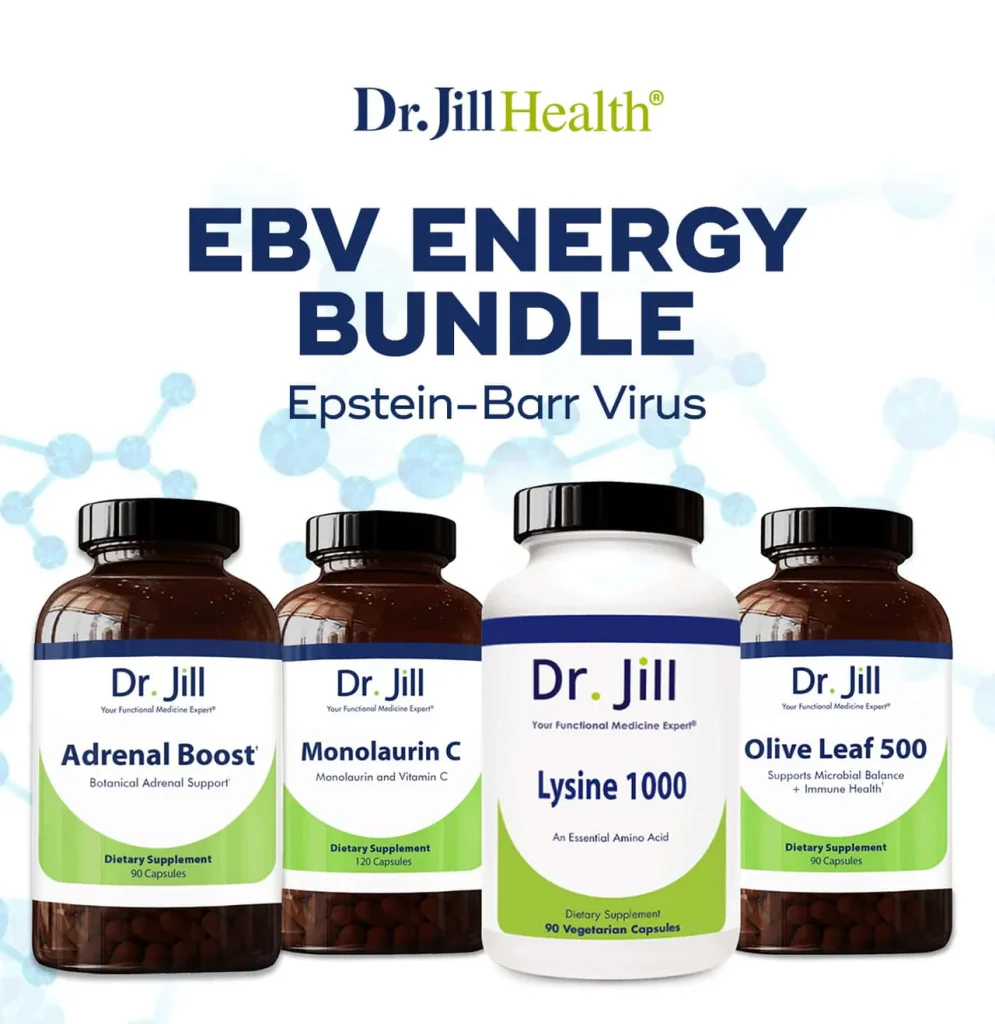
This comprehensive bundle is designed to:
- Support natural immune defenses against viral reactivation
- Promote healthy energy production at the cellular level
- Provide adaptogenic support for stress response
- Offer antioxidant protection against inflammation
4. Lifestyle Modifications
Lifestyle factors play a crucial role in managing EBV reactivation:
- Prioritize restorative sleep: Aim for 7-9 hours of quality sleep nightly
- Manage stress: Chronic stress is a major trigger for EBV reactivation
- Anti-inflammatory diet: Focus on whole foods, abundant vegetables, healthy fats, and quality proteins while eliminating sugar, processed foods, and potential allergens
- Gentle movement: Appropriate exercise supports immune function without causing exhaustion
- Limit toxic exposures: Reduce your overall toxic burden, as environmental toxins can impair immune function
Empower yourself with actionable tips to reduce your toxic burden and support your body's natural detoxification processes. Click here to get your free guide now.
5. Gut Health Support
Since about 70% of your immune system resides in your gut, supporting digestive health is essential:
- Heal leaky gut: Address intestinal permeability which can contribute to immune dysregulation
- Balance the microbiome: Consider Dr. Jill Health Spore Probiotic Plus IgG to support healthy gut flora
- Support mucosal immunity: The Dr. Jill Health Gut Immune formula contains immunoglobulins and other compounds to support intestinal immune function
Prevention: Keeping the Giant Asleep
Beyond addressing active EBV reactivation, here are strategies to prevent future episodes, especially when you're dealing with other infections:
- Maintain robust immune function: Regular immune support is your first line of defense
- Address infections promptly: Don't allow bacterial, viral, or fungal infections to linger
- Support oral health: Given the connection between periodontal pathogens and EBV reactivation, excellent dental hygiene is essential
- Reduce total pathogen burden: Support your body's natural detoxification with Dr. Jill Health Detox Bundle periodically
- Consider prophylactic support during high-risk periods: During times of stress or known exposure to other infections, proactive immune support may help prevent EBV reactivation
Hope for Those Struggling with Chronic EBV
If you're battling chronic symptoms related to EBV reactivation, especially following other infections, know that there is hope. By addressing both the EBV itself and the biological agents that may have triggered its reactivation, significant improvement is possible.
In my practice, I've seen patients who had been struggling for years finally turn the corner when we implemented this comprehensive approach. It takes time and patience, but the body has remarkable healing capacity when given the right support.
Remember that EBV reactivation is not a life sentence but rather a sign that your body's terrain needs support. By addressing the root causes and supporting your body's natural healing processes, you can regain your health and vitality.
Have you experienced symptoms of Epstein-Barr virus reactivation after another infection? What strategies have you found helpful? Share your experiences in the comments below.
References:
- Indari O, Ghosh S, Bal AS, et al. Awakening the sleeping giant: Epstein–Barr virus reactivation by biological agents. Pathogens and Disease. 2024;82:ftae002.
- Bernal KDE, Whitehurst CB. Incidence of Epstein–Barr virus reactivation is elevated in COVID-19 patients. Virus Research. 2023;334:199157.
- Accardi R, Gruffat H, Sirand C, et al. The mycotoxin aflatoxin B1 stimulates Epstein–Barr virus-induced B-cell transformation in in vitro and in vivo experimental models. Carcinogenesis. 2015;36:1440–51.
- Allen UD. The ABC of Epstein–Barr virus infections. Advances in Experimental Medicine and Biology. 2005;568:25-39.



3 Comments
Excellent article. Thank you.
It sure is. Klinghardt says licorice tincture and/or propolis tincture work well. I use my home made licorice tincture (I use vodka). It works, and tastes good diluted in water.
You should sign up for Klinghardt’s weekly free “debriefs” that are chock full of valid info.
Go to https://klinghardtinstitute.com/ scroll to the bottom of the page and sign up for the Newsletter. Don’t put it off. He’s at least age 77 and still practicing. These guys don’t last forever.
Take his online A.R.T. classes the next time they start again. Being able to properly muscle test would at least quadruple your effectiveness.
Here’s what I figured out yesterday that I’m pretty sure eliminates retroviruses. I know from previous experience it eliminates many other viruses too (not EBV tho). It is a take off on the MMS ideas: 1 part potassium iodide solution to 2 parts 5% distilled vinegar. Mix the two ingredients in a glass, let them sit together for 90 seconds, dilute with water to taste and drink it
down. I’m using Biotics liquid iodine Forte because I still have a wholesale account. One would need to check with them to learn the % of KI crystals to make your own equivalent
Let me know if you want to try my herbal toxin binder tincture recipe. I had a horribly mold toxin sensitive friend who said it gave her more relief than any of the widely known/used binders she had previously used.
What about intravenous vitamin C eg 30-45 grams daily for 5 days, then weekly for a month, then monthly? Can add zinc and magnesium. Adding this to oral D, selenium, nac, detox and gut microbiota optimisation will help.
Excellent idea and yes this could be helpful
Share: