


The ancient Greek physician Hippocrates called them “white blood” – mysterious vessels coursing through the body, invisible yet essential. Today, we understand the lymphatic system as one of our most critical yet overlooked pathways to health, beauty, and longevity. Even more recently discovered is its cousin, the glymphatic system – the brain's own waste clearance mechanism that operates primarily while we sleep.
As a functional medicine physician who has personally navigated chronic illness recovery, I've witnessed firsthand how supporting these “hidden rivers” can transform health outcomes. From reducing inflammation and supporting detoxification to enhancing skin radiance and cognitive function, optimizing lymphatic flow represents one of the most powerful – yet underutilized – strategies in regenerative medicine.
Understanding Your Body's Waste Management Systems
The Lymphatic System: Your Body's Sanitation Department
The lymphatic system is a vast network of vessels, nodes, organs, and tissues that performs several critical functions:
Fluid Balance and Circulation: Unlike your cardiovascular system with its powerful pump (the heart), your lymphatic system relies on muscle contractions, breathing, and movement to circulate approximately 2-4 liters of lymph fluid daily throughout your body. This clear-to-white fluid bathes every cell, collecting cellular debris, proteins, and excess fluid from tissues.
Immune Surveillance and Defense: Your lymph nodes house specialized immune cells that filter pathogens, cancer cells, and foreign particles from lymph fluid. This is why lymph nodes often swell during infection – they're working overtime to neutralize threats.
Fat Absorption: Specialized lymphatic vessels in your intestines called lacteals absorb dietary fats and fat-soluble vitamins (A, D, E, K), transporting them to your bloodstream.
Waste Removal: The lymphatic system collects metabolic waste products, toxins, and cellular debris that accumulate in tissues, eventually delivering them to the bloodstream for processing by the liver and kidneys.
The Glymphatic System: Your Brain's Night Shift
Discovered in 2012 by Danish neuroscientist Maiken Nedergaard, the glymphatic system is the brain's waste clearance mechanism – a sophisticated network that operates primarily during sleep. The name combines “glia” (the brain's supportive cells) with “lymphatic.”
During deep sleep, the glymphatic system dramatically increases its activity, clearing metabolic waste products including beta-amyloid and tau proteins – the hallmark proteins associated with Alzheimer's disease. Research confirms that glymphatic dysfunction contributes to neurological disorders including dementia, stroke, traumatic brain injury, and multiple sclerosis.
The glymphatic system works through a remarkable process: cerebrospinal fluid (CSF) flows along arterial pathways into brain tissue, mixing with interstitial fluid to flush out waste products. This “dirty” fluid then drains along venous pathways and eventually into cervical lymph nodes. During sleep, brain cells actually shrink by up to 60%, creating more space for this cleansing fluid to flow.
The Lymphatic-Beauty Connection: More Than Skin Deep
Facial Lymphatic Drainage and Skin Health
Your face contains approximately 300 lymph nodes, with major clusters around the ears, jawline, and neck. When facial lymph flow stagnates, the results are visible: puffiness, dark circles, dullness, and accelerated aging.
Chronic lymphatic congestion in facial tissues contributes to:
- Fluid retention and puffiness, particularly around the eyes and cheeks
- Impaired nutrient delivery to skin cells
- Accumulation of metabolic waste that contributes to inflammation and oxidative stress
- Reduced collagen production due to poor cellular environment
- Dull, sallow complexion from inadequate oxygenation and detoxification
Research demonstrates that manual lymphatic drainage can improve skin hydration, elasticity, and overall appearance by enhancing circulation and reducing inflammatory mediators in tissues.
The Gut-Lymph-Skin Axis
The connection between lymphatic health and beauty extends deep into your gut. Your intestinal lymphatic system (the gut-associated lymphoid tissue or GALT) comprises nearly 70% of your immune system. When gut lymphatics become congested – often due to chronic inflammation, food sensitivities, or dysbiosis – the effects cascade throughout your body.
Sluggish intestinal lymph flow can contribute to:
- Increased intestinal permeability (“leaky gut”)
- Systemic inflammation that manifests as acne, rosacea, or eczema
- Poor absorption of beautifying nutrients like essential fatty acids and fat-soluble vitamins
- Accumulation of toxins that burden the liver and manifest in skin problems
As I discuss in my podcast episode on the gut-skin connection, supporting intestinal health is fundamental to radiant skin – and optimizing lymphatic drainage is a crucial piece of this puzzle.

The Lymphatic System and Chronic Disease
Lymphatic Dysfunction in Inflammatory Conditions
Emerging research reveals that lymphatic dysfunction plays a significant role in numerous chronic conditions I see regularly in my practice:
Autoimmune Disease: Impaired lymphatic function can contribute to autoimmune conditions by failing to properly clear autoantigens and inflammatory mediators. Research shows that lymphatic vessels actively regulate immune responses, and their dysfunction can perpetuate inflammatory cycles.
Cardiovascular Disease: The lymphatic system plays a crucial role in clearing cholesterol from arterial walls. Dysfunctional lymphatic drainage may contribute to atherosclerosis development.
Cancer: Tumor cells often metastasize through lymphatic vessels. Supporting healthy lymphatic function while avoiding aggressive manipulation near tumor sites is important in comprehensive cancer care.
Neurodegeneration: As mentioned, glymphatic dysfunction impairs clearance of neurotoxic proteins associated with Alzheimer's and Parkinson's diseases. Studies show that glymphatic clearance decreases with age and is further compromised by poor sleep quality.
Mold Toxicity and Lymphatic Congestion
In my work with patients suffering from mold illness and mycotoxin exposure (a topic I cover in my practice), lymphatic congestion is nearly universal. Mycotoxins are fat-soluble compounds that accumulate in tissues, and the lymphatic system plays a critical role in their removal.
Patients with chronic inflammatory response syndrome (CIRS) from mold exposure often present with:
- Significant lymphatic congestion
- Impaired glymphatic clearance contributing to “brain fog”
- Reduced ability to clear biotoxins through normal pathways
- Systemic inflammation that further impairs lymphatic vessel function
Supporting lymphatic drainage becomes essential in these cases, often making the difference between treatment success and failure.
Evidence-Based Strategies to Optimize Lymphatic Flow
1. Movement and Exercise: The Lymphatic Pump
Since the lymphatic system lacks a central pump like the heart, it depends entirely on muscle contractions, breathing, and movement to circulate fluid. Research confirms that physical activity significantly enhances lymphatic flow.
Rebounding (Mini-Trampoline): The vertical acceleration and deceleration forces created by gentle bouncing provide one of the most effective lymphatic stimulation methods. Even 10-15 minutes daily can significantly enhance circulation. The gravitational forces during rebounding stimulate one-way valves in lymphatic vessels, preventing backflow and promoting drainage toward lymph nodes.
Walking: Simple walking contracts leg muscles rhythmically, pumping lymph upward against gravity. Aim for at least 30 minutes daily, ideally in nature to combine movement with stress reduction.
Yoga: Specific poses that involve inversions (legs above heart) and twisting motions are particularly effective for lymphatic drainage. Poses like legs-up-the-wall, shoulder stand, and various twists mechanically facilitate lymph flow toward the thoracic duct.
Deep Breathing: Diaphragmatic breathing creates pressure changes in the thoracic cavity that propel lymph through the thoracic duct. Practice deep belly breathing for 5-10 minutes daily, or incorporate breathwork practices like pranayama.
Resistance Training: Muscle contractions during strength training compress lymphatic vessels, enhancing flow. The post-exercise increase in blood flow also promotes lymphatic circulation.
2. Manual Lymphatic Drainage and Dry Brushing
Professional Lymphatic Massage: Manual lymphatic drainage (MLD) performed by a trained therapist uses gentle, rhythmic strokes to stimulate lymph flow toward lymph nodes. Studies show MLD can reduce edema, support immune function, and promote detoxification. This is particularly valuable for those recovering from surgery, managing lymphedema, or dealing with chronic inflammatory conditions.
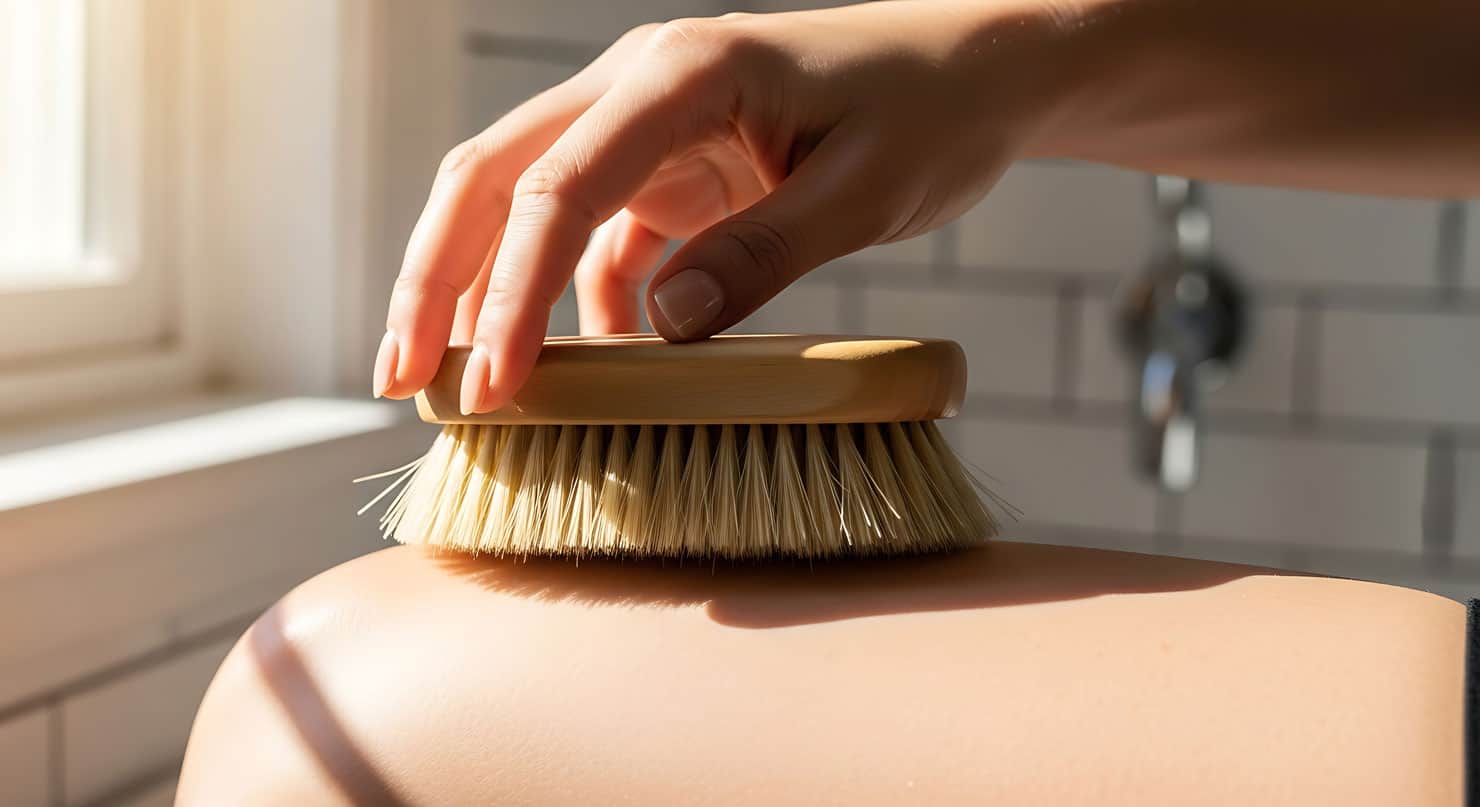
Dry Brushing: Using a natural bristle brush on dry skin before showering, always brushing toward the heart, can stimulate superficial lymphatic vessels. While less powerful than professional MLD, dry brushing offers a daily practice that many find invigorating. Use gentle pressure – the lymphatic vessels are superficial and don't require aggressive brushing.
Facial Gua Sha and Lymphatic Drainage: Gentle facial massage techniques using jade or rose quartz tools can reduce puffiness and promote healthy skin appearance by enhancing facial lymphatic drainage. Always work from the center of the face outward and downward toward lymph nodes. I've incorporated facial lymphatic massage into my daily routine and find it not only improves my skin's appearance but provides a meditative moment of self-care.
3. Compression Therapy
Compression Garments: For those with lymphatic insufficiency or edema, properly fitted compression stockings or sleeves can assist lymphatic return by providing external pressure that facilitates fluid movement.
Pneumatic Compression Devices: Sequential compression devices that inflate and deflate in rhythmic patterns can significantly enhance lymphatic drainage, particularly in the legs. These are available for home use and can be particularly helpful for those with limited mobility or chronic lymphatic congestion.
4. Hydration: The Foundation of Lymphatic Flow
Adequate hydration is absolutely essential for healthy lymph flow – lymph is primarily water. However, it's not just about quantity; quality and cellular uptake matter enormously.
Optimal Intake: Aim for half your body weight in ounces daily, adjusting for activity level, climate, and individual needs. If you're 150 pounds, that's approximately 75 ounces of water daily.
Water Quality: Filter your water to remove chlorine, fluoride, heavy metals, and other contaminants that can burden your detoxification systems. I recommend a high-quality reverse osmosis or activated carbon filter.
Electrolyte Balance: Pure water needs minerals to be properly absorbed at the cellular level. Add a pinch of high-quality sea salt to your water or use a trace mineral supplement. Electrolyte imbalance can impair both lymphatic function and cellular hydration.
Timing: Avoid drinking large amounts with meals, as this can dilute digestive enzymes. Instead, hydrate well between meals.
5. Sauna Therapy: Heat-Induced Lymphatic Activation
Both traditional and infrared saunas can significantly enhance lymphatic circulation and detoxification.
Infrared Sauna: Far-infrared wavelengths penetrate deeply into tissues, promoting sweating at lower temperatures than traditional saunas. This can be particularly valuable for those with mold toxicity or heavy metal burden, as sweating is an important elimination pathway for fat-soluble toxins. Research shows infrared sauna can reduce toxic burden and support cardiovascular health.
Sauna Protocol: Start with 15-20 minutes at 120-140°F and gradually increase duration as tolerated. Always hydrate well before and after, and consider adding electrolytes to replace what's lost through sweating. I recommend 3-4 sessions weekly for those with significant toxic burden.
Contraindications: Avoid sauna therapy if you have unstable cardiovascular disease, are pregnant, or have certain neurological conditions. Always consult your physician first.
For more details on infrared sauna therapy, see my comprehensive article on infrared saunas and detoxification.
6. Contrast Hydrotherapy: The Lymphatic Flush
Alternating hot and cold water creates vasodilation and vasoconstriction that pumps lymph effectively through vessels.
Shower Method: End your shower with alternating hot (as hot as comfortable) for 1 minute and cold (as cold as tolerable) for 30 seconds. Repeat 3-5 times, always ending with cold. This simple practice stimulates circulation, supports immune function, and enhances lymphatic flow.
Cold Plunge: For the more adventurous, brief cold water immersion (50-60°F for 1-3 minutes) can dramatically stimulate lymphatic circulation and activate brown adipose tissue, which may have metabolic benefits. Research shows cold exposure enhances immune function and reduces inflammation.
7. Sleep Optimization: Feeding the Glymphatic System
The glymphatic system's waste clearance activity increases dramatically during sleep, particularly during deep (slow-wave) sleep stages. Sleep deprivation significantly impairs this crucial cleaning process.
Sleep Duration: Aim for 7-9 hours of quality sleep nightly. Studies show that sleeping less than 6 hours impairs glymphatic clearance and increases risk of neurodegenerative disease.
Sleep Position: Research indicates that side sleeping (particularly right side) may optimize glymphatic clearance compared to back or stomach sleeping, though more research is needed to confirm this finding.
Sleep Environment: Create complete darkness, maintain cool temperature (65-68°F), minimize electromagnetic field exposure, and reduce noise disruption to maximize deep sleep stages.
Circadian Rhythm: Maintain consistent sleep-wake times to support your natural circadian rhythm, which regulates glymphatic function. Exposure to natural light in the morning and darkness at night helps synchronize this rhythm.
For comprehensive guidance on sleep optimization, see my article on sleep strategies.
8. Nutritional Support for Lymphatic Health
Anti-Inflammatory Diet: Chronic inflammation impairs lymphatic vessel function. Focus on an anti-inflammatory diet rich in:
- Colorful vegetables and fruits high in antioxidants
- Omega-3 fatty acids from wild-caught fish, flax, and chia seeds
- Healthy fats from avocado, olive oil, and nuts
- Clean proteins from grass-fed, pasture-raised, or wild-caught sources
Avoid Inflammatory Foods: Eliminate or minimize:
- Processed foods and refined sugars
- Industrial seed oils high in omega-6 fatty acids
- Conventionally raised dairy (which can be inflammatory for many)
- Gluten and other common food sensitivities
Lymph-Supporting Foods:
- Red foods (beets, berries, pomegranate): Rich in antioxidants that protect lymphatic vessels
- Leafy greens: High in chlorophyll, which supports detoxification
- Citrus fruits: Contain bioflavonoids that strengthen lymphatic vessel walls
- Raw fruits and vegetables: Contain enzymes that support lymphatic function
- Herbs and spices (turmeric, ginger, garlic): Powerful anti-inflammatory compounds
Hydrating Foods: Water-rich foods like cucumber, celery, watermelon, and zucchini contribute to hydration and contain minerals that support lymphatic flow.
9. Targeted Supplementation
Several supplements can specifically support lymphatic and glymphatic function:
Proteolytic Enzymes: Systemic enzymes taken away from food can help break down fibrin and protein debris in the lymphatic system. Nattokinase from Dr. Jill Health is a powerful fibrinolytic enzyme derived from fermented soybeans that supports healthy circulation and may assist in breaking down excess fibrin that can contribute to lymphatic congestion.
Omega-3 Fatty Acids: EPA and DHA reduce inflammation and support lymphatic vessel integrity. High-quality fish oil supplements provide concentrated omega-3s in triglyceride form for optimal absorption.
Vitamin C with Bioflavonoids: Vitamin C strengthens lymphatic vessel walls and supports immune function. Buffered C from Dr. Jill Health provides gentle, non-acidic vitamin C that's easy on the stomach. I recommend 2-3 grams daily in divided doses for optimal lymphatic and immune support.
Magnesium: This essential mineral supports muscle relaxation (important for lymphatic vessel function) and numerous enzymatic processes involved in detoxification. SuperMag from Dr. Jill Health contains highly absorbable forms of magnesium including glycinate and malate to support optimal cellular function, muscle relaxation, and healthy lymphatic flow.
B Vitamins: B vitamins, particularly B6, support protein metabolism and reduce homocysteine, which can damage blood and lymphatic vessels when elevated. However, be cautious with B6 supplementation – as I discuss in my article on vitamin B6 toxicity, excessive B6 can cause peripheral neuropathy. Stick to moderate doses (25-50mg daily) unless under professional guidance.
Herbal Lymphatics: Several herbs traditionally support lymphatic function:
- Cleavers (Galium aparine): A classic lymphatic herb that promotes drainage
- Red root (Ceanothus americanus): Supports spleen and lymph node function
- Calendula: Anti-inflammatory properties that support lymphatic tissue
- Echinacea: Supports both immune and lymphatic function
Glutathione Support: Glutathione is your master antioxidant and crucial for detoxification. Glutathione Essentials from Dr. Jill Health or precursors like NAC 500 can enhance the lymphatic system's ability to process toxins.
Binders: When supporting lymphatic drainage and detoxification, it's essential to use binders that can capture toxins in the digestive tract and prevent reabsorption. ZeoBind Plus and Upgraded Coconut Charcoal from Dr. Jill Health safely escort toxins out of the body.
10. Castor Oil Packs: Traditional Wisdom Meets Modern Science
Castor oil has been used therapeutically for thousands of years, and modern research is beginning to validate its lymphatic benefits. The ricinoleic acid in castor oil has potent anti-inflammatory properties and appears to enhance lymphatic circulation when applied topically.
How to Use:
- Soak a piece of flannel cloth in high-quality, organic, cold-pressed castor oil
- Place over the abdomen, liver area, or other areas of lymphatic congestion
- Cover with plastic wrap and apply heat (heating pad or hot water bottle)
- Rest for 30-60 minutes
- Practice 3-4 times weekly
Many patients report reduced inflammation, improved digestion, and better sleep when incorporating castor oil packs into their routine. This is a practice I personally use and recommend frequently. For more information, see my article on castor oil benefits.
11. Stress Reduction: The Overlooked Lymphatic Strategy
Chronic stress activates the sympathetic nervous system, which constricts blood and lymphatic vessels, impairing circulation. Additionally, stress hormones like cortisol promote inflammation and can compromise lymphatic vessel function over time.
Evidence-Based Stress Reduction:
- Meditation and Mindfulness: Research shows that regular meditation reduces inflammatory markers and supports immune function. Even 10-20 minutes daily can be beneficial.
- Prayer and Spiritual Practice: As I share in my book Unexpected: Finding Resilience through Functional Medicine, Science, and Faith, the integration of spiritual practices with medical treatment can profoundly impact healing. Prayer and spiritual connection reduce stress hormones and activate healing pathways.
- Nature Exposure: Time in nature (forest bathing) has been shown to reduce cortisol, lower blood pressure, and enhance immune function – all of which support healthy lymphatic flow.
- Acupuncture: This traditional practice can enhance lymphatic drainage and reduce inflammation through mechanisms that are increasingly understood by modern research.
12. Environmental Toxin Reduction
The lymphatic system works hard to remove environmental toxins from your body. Reducing your toxic burden allows your lymphatic system to function more efficiently.
Key Strategies:
- Air Quality: Use HEPA air filters in your home, particularly in bedrooms. As someone who recovered from mold illness, I cannot overstate the importance of clean air.
- Water Filtration: Filter both drinking and bathing water to reduce chlorine, fluoride, and other contaminants
- Non-Toxic Personal Care: Switch to products free from parabens, phthalates, synthetic fragrances, and other endocrine disruptors. The Dr. Jill Beauty line offers clean, effective skincare that supports rather than burdens your detoxification systems.
- Organic Food: Prioritize organic produce, especially for the “Dirty Dozen” foods highest in pesticide residues
- Reduce Plastics: Minimize plastic food storage and never heat food in plastic containers
For comprehensive guidance on environmental detoxification, see my articles on toxin exposure and detoxification methods.
Special Considerations and Contraindications
While lymphatic support is beneficial for most people, certain precautions apply:
Acute Infections: Vigorous lymphatic drainage during acute infection can theoretically spread pathogens. Focus on gentle support and rest during active infections.
Congestive Heart Failure: Aggressive lymphatic drainage could potentially overload a compromised cardiovascular system. Work with your physician if you have heart failure.
Active Cancer: While supporting lymphatic health is important in cancer care, avoid aggressive manipulation near tumor sites or active metastases. Always work with your oncology team.
Blood Clots: Deep vein thrombosis or recent clotting events require medical clearance before lymphatic massage or compression therapy.
Pregnancy: Many lymphatic support strategies are safe during pregnancy, but avoid aggressive techniques and certain herbal preparations. Consult with your healthcare provider.
Creating Your Personalized Lymphatic Optimization Protocol
Incorporating lymphatic support doesn't require doing everything at once. Start with the foundations and build from there:
Foundation (Week 1-2):
- Increase water intake to optimal levels
- Begin dry brushing 3-4 times weekly
- Add 15 minutes of daily walking
- Practice deep breathing exercises
Building (Week 3-4):
- Add rebounding 10-15 minutes daily
- Incorporate contrast showers
- Begin castor oil packs 2-3 times weekly
- Optimize sleep hygiene
Advanced (Week 5+):
- Add sauna therapy 2-3 times weekly
- Consider professional lymphatic massage monthly
- Implement targeted supplementation
- Explore compression therapy if needed
The Mind-Body-Spirit Connection
In my journey through chronic illness and my work with thousands of patients, I've learned that true healing addresses not just the physical body but the whole person. The lymphatic system, like all body systems, responds to our emotional and spiritual state.
Chronic stress, unprocessed trauma, and spiritual disconnection create physiological changes that impair lymphatic function. Conversely, practices that promote peace, connection, and purpose – prayer, meditation, community, service to others – create an internal environment where healing can flourish.
The lymphatic system literally carries away what no longer serves us at a cellular level. In the same way, we must release emotional and spiritual burdens that weigh us down. This integration of physical detoxification with emotional and spiritual release represents the deepest form of healing.
Conclusion: Your Hidden Rivers of Renewal
The lymphatic and glymphatic systems represent some of the most elegant and essential pathways in the human body – silent rivers carrying away waste, supporting immunity, and enabling cellular renewal. Yet for too long, these systems have been overlooked in conventional medicine and even in many functional approaches.
By implementing the evidence-based strategies outlined in this article – movement, manual techniques, hydration, sleep optimization, nutritional support, and stress reduction – you can dramatically enhance these crucial detoxification pathways. The results often extend far beyond what patients expect: not just reduced puffiness or better sleep, but profound improvements in energy, mental clarity, skin health, and overall vitality.
Remember, healing is a journey, not a destination. Start where you are, implement what resonates, and be patient with the process. Your body has remarkable wisdom and regenerative capacity when given the proper support.
As always, these recommendations are for educational purposes and should not replace individualized medical care. Work with a qualified functional medicine practitioner to create a protocol tailored to your unique needs and health status.
If you're dealing with complex chronic illness, mold toxicity, or inflammatory conditions and want to dive deeper into root-cause solutions, I invite you to explore Flatiron Functional Medicine or visit my website for more resources.
May your hidden rivers flow freely, carrying away what no longer serves you and ushering in renewed health, beauty, and vitality.
In resilience and health,
Dr. Jill Carnahan, MD, ABIHM, ABoIM, IFMCP
References
- Benveniste H, Liu X, Koundal S, Sanggaard S, Lee H, Wardlaw J. The Glymphatic System and Waste Clearance with Brain Aging: A Review. Gerontology. 2019;65(2):106-119.
- Rasmussen MK, Mestre H, Nedergaard M. The glymphatic pathway in neurological disorders. Lancet Neurol. 2018;17(11):1016-1024.
- Mortimer PS, Rockson SG. New developments in clinical aspects of lymphatic disease. J Clin Invest. 2014;124(3):915-921.
- Aspelund A, Robciuc MR, Karaman S, Makinen T, Alitalo K. Lymphatic System in Cardiovascular Medicine. Circ Res. 2016;118(3):515-530.
- Iliff JJ, Wang M, Liao Y, et al. A paravascular pathway facilitates CSF flow through the brain parenchyma and the clearance of interstitial solutes, including amyloid β. Sci Transl Med. 2012;4(147):147ra111.
- Xie L, Kang H, Xu Q, et al. Sleep drives metabolite clearance from the adult brain. Science. 2013;342(6156):373-377.
- Lee H, Xie L, Yu M, et al. The Effect of Body Posture on Brain Glymphatic Transport. J Neurosci. 2015;35(31):11034-11044.
- Jessen NA, Munk AS, Lundgaard I, Nedergaard M. The Glymphatic System: A Beginner's Guide. Neurochem Res. 2015;40(12):2583-2599.
- Klotz L, Norman S, Vieira JM, et al. Cardiac lymphatics are heterogeneous in origin and respond to injury. Nature. 2015;522(7554):62-67.
- Muthuchamy M, Zawieja D. Molecular regulation of lymphatic contractility. Ann N Y Acad Sci. 2008;1131:89-99.
Note: All product recommendations from Dr. Jill Health are based on my clinical experience and formulated to meet the high standards I require for my patients. These statements have not been evaluated by the FDA and are not intended to diagnose, treat, cure, or prevent any disease.










Share: