


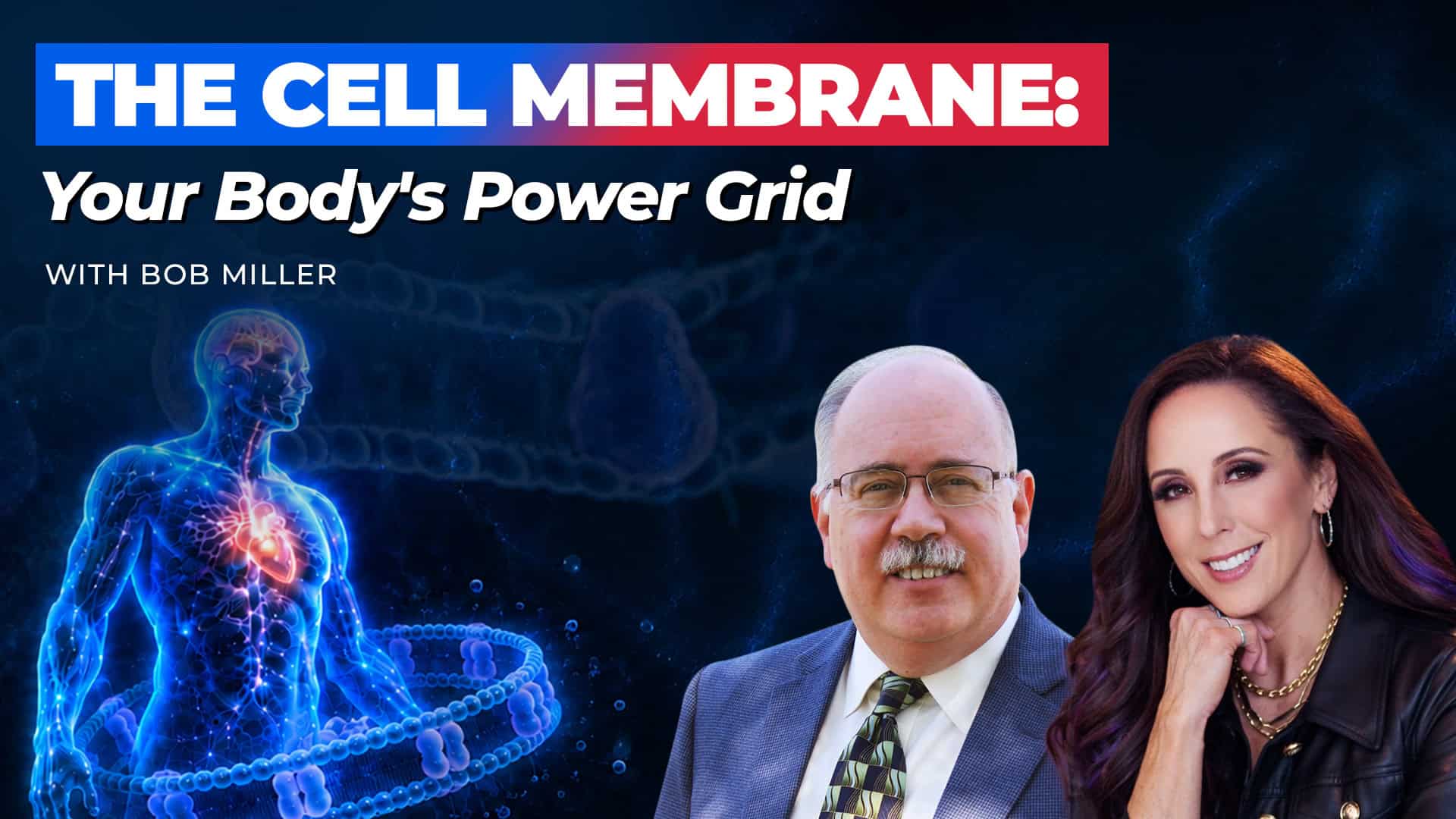
In this episode, Dr. Jill was joined by Bob Miller, and we delved into the intricate world of cellular health, focusing on the role of sirtuins, NAD, and the impact of environmental factors on chronic illnesses. The discussion is rich with scientific insights and practical advice for maintaining cellular health and preventing disease.
Key Topics You'll Discover with Bob Miller
🔑 KEY DISCUSSIONS
① Sirtuins and Cellular Health:
👉 The episode explores the function of sirtuins, particularly SIRT1, SIRT2, and SIRT3, in maintaining cellular health. These proteins play crucial roles in regulating inflammation, energy production, and cellular repair.
② NAD and Its Importance:
👉 NAD (Nicotinamide Adenine Dinucleotide) is highlighted as a critical molecule for energy metabolism and cellular repair. The hosts discuss how genetic variations can affect NAD levels and contribute to a “perfect storm” of health issues.
③ Environmental and Genetic Factors:
👉 The conversation touches on how environmental toxins and genetic predispositions can lead to chronic illnesses. The hosts emphasize the importance of understanding these factors to manage and prevent diseases.
④ Pyroptosis and Inflammation:
👉 Pyroptosis, a form of programmed cell death associated with inflammation, is discussed. The hosts explain how this process can be both protective and harmful, depending on the context.
⑤ Role of Enzymes and Antioxidants:
👉 The episode covers the role of enzymes like PON1 and antioxidants in protecting cells from oxidative damage. The impact of glyphosate on these protective mechanisms is also examined.
⑥ Practical Health Tips:
👉 Listeners are provided with practical advice on dietary and lifestyle choices that can support cellular health, such as the use of fish oils and other anti-inflammatory nutrients.
👍 CONCLUSION
This episode offers a deep dive into the biochemical processes that underpin health and disease, providing listeners with valuable insights into how they can optimize their health through informed choices and a better understanding of their body's needs.
What You’ll Take Away from Bob Miller
📌 Understanding the interplay between genetics, environment, and cellular processes is crucial for maintaining health.
📌 Supporting NAD levels and sirtuin activity can be beneficial for energy metabolism and reducing inflammation.
📌 Awareness of environmental toxins and their impact on health can guide better lifestyle choices.
Bob Miller
Bob Miller is a Certified Traditional Naturopath with over 25 years of clinical experience and the founder of the Tree of Life practice in Pennsylvania.
He's also the visionary behind the NutriGenetic Research Institute, where he leads cutting-edge research into how genetic variants influence chronic illness, with a special focus on many conditions like Lyme disease and MCAS. Through his work, Bob has helped train hundreds of health professionals in functional genomics, a growing field that explores how our genes impact everything from detoxification to inflammation.
He's also the creator of the Functional Genomic Analysis software and the formulator behind numerous targeted nutritional supplements designed to support genetic weaknesses.
To support his growing genetic research efforts, in 2015, Bob founded and personally funds, the NutriGenetic Research Institute to research the relationship between genetic variants and presenting symptoms. https://tolhealth.com/ Functional Genomic AnalysisTM: https://www.functionalgenomicanalysis.com/
Dr. Jill Carnahan, MD
Dr. Jill Carnahan is Your Functional Medicine Expert® dually board certified in Family Medicine for ten years and in Integrative Holistic Medicine since 2015. She is the Medical Director of Flatiron Functional Medicine, a widely sought-after practice with a broad range of clinical services including functional medical protocols, nutritional consultations, chiropractic therapy, naturopathic medicine, acupuncture, and massage therapy.
As a survivor of breast cancer, Crohn’s disease, and toxic mold illness she brings a unique perspective to treating patients in the midst of complex and chronic illness. Her clinic specializes in searching for the underlying triggers that contribute to illness through cutting-edge lab testing and tailoring the intervention to specific needs.
A popular inspirational speaker and prolific writer, she shares her knowledge of hope, health, and healing live on stage and through newsletters, articles, books, and social media posts! People relate to Dr. Jill’s science-backed opinions delivered with authenticity, love and humor. She is known for inspiring her audience to thrive even in the midst of difficulties.
Featured in Shape Magazine, Parade, Forbes, MindBodyGreen, First for Women, Townsend Newsletter, and The Huffington Post as well as seen on NBC News and Health segments with Joan Lunden, Dr. Jill is a media must-have. Her YouTube channel and podcast features live interviews with the healthcare world’s most respected names.
The Podcast with Bob Miller
The Video with Bob Miller
The Transcript – Overview
Overview
- Dr. Jill introduced Bob Miller, a certified traditional naturopath with 25+ years of experience, emphasizing the complexity of functional genetics discussed in the episode.
- The episode is dedicated to Beth O'Hara, highlighting her contributions to the field and defining the “O'Hara Reaction” as inflammaging, a process linking aging to increased inflammation.
- Inflammaging results in elevated blood markers associated with chronic conditions, emphasizing the critical role of cell membrane integrity and phosphatidylcholine's importance.
- Bob Miller discussed the principle “genetics loads the gun, environment pulls the trigger,” referencing the drastic changes in environmental factors since his childhood in 1954.
- The introduction of high fructose corn syrup in 1968 marked a significant dietary shift, correlating with various health issues observed today.
- NLRP3 inflammasome's role in lifestyle disorders was explained, correlating with obesity, diabetes, and autism spectrum disorders, with significant upregulation of IL-1β and IL-18 noted in autism.
- The importance of NAD and the competition between CD38 and PARP enzymes for NAD resources was highlighted as critical for cellular metabolism and aging.
- Hydrogen sulfide (H2S) was discussed as a dual-natured compound, essential for health in small amounts while toxic in high concentrations, with therapeutic effects on inflammation.
- Genetic issues related to CBS enzyme were mentioned, with cases showing severe impacts on hydrogen sulfide production
Notes
🎙️ Episode Introduction & Setup (00:00 – 03:48)
- Dr. Jill introduces this as a unique, highly technical deep dive into functional genetics with Bob Miller, warning viewers this is complex content building on previous episodes.
- Two featured products mentioned: Hist Assist (gentle mast cell stabilizer) and Hist Ease (new powerful ingredients for mast cell activation) available at doctorjillhealth.com.
- Bob Miller introduced as certified traditional naturopath with 25+ years clinical experience, founder of Tree of Life Practice in Pennsylvania and visionary behind Nutrige Research Institute.
💔 Dedication to Beth O'Hara & The O'Hara Reaction Concept (03:48 – 07:35)
- Episode dedicated to Beth O'Hara from Mast Cell 360, who passed away a year ago in July while teaching at conferences in Denver and Hershey.
- Beth shared Dr. Jill's exact birthday with a couple years difference, adding personal connection to the dedication.
- “O'Hara Reaction” defined as inflammaging: cell membrane damage leading to inflammation as we age, covering NF-kappa B, NLRP3, cytokines, DNA strand breaks, lipid peroxidation, and pyroptosis.
🧬 Inflammaging & Cell Membrane Function (07:35 – 16:04)
- Inflammaging officially defined: elevated blood inflammatory markers carrying high susceptibility to chronic morbidity, disability, frailty, and premature death.
- Cell membrane structure critical: made of 60-100 trillion cells, each with phospholipid bilayer for nutrient intake and waste removal, requiring phosphatidylcholine.
- Genetic mutations possible: SNPs on PEMT or ELOVL2 genes can affect phospholipid bilayer effectiveness from birth.
- PON1 enzyme significance: known for glyphosate removal but also cleaves cell membrane damage; genetic
- SNPs can reduce robustness, and glyphosate may slow it down further.
- Pyroptosis process explained: body creates gasdermin proteins that blow holes in cells and destroy them, releasing inorganic phosphate that creates downward spiral.
🌍 Environmental Triggers & Genetic Factors (16:05 – 25:02)
- “Genetics loads the gun, environment pulls the trigger” principle: Bob Miller born in 1954 on “different planet” without current levels of mold, microplastics, glyphosate, aluminum, EMF, pollution.
- High fructose corn syrup introduction: only came about in 1968, representing major dietary shift.
Purdue University Pearl Study data: examining 36 autistic children, with 34 of 36 having mold mycotoxins. - TNF-A, NF-kappa B, NLRP3 pathway: when upregulated, creates hydroxyl radicals through Picard Caspase 1, stimulating Interleukin 1 and 18, leading to histamine, mast cells, and potential schizophrenia/bipolar.
- Multiple feedback loops identified: histamine receptor site #1 stimulates NF-kappa B, creating feedback loop; Interleukin 1 beta creates glutamate leading to anxiety, gut inflammation, OCD, ADD, autism through ADORE enzyme.
🔬 Sirtuins & NAD Dependencies (25:02 – 33:49)
- Sirtuins as longevity genes: SIRT1 holds back NF-kappa B, SIRT2 holds back NLRP3, SIRT3 helps turn glutamate into energy in mitochondria, all dependent on NAD.
- Perfect storm conditions: genetic/environmental factors + lack of sirtuins create tsunami effect.
- NF-kappa B as master transcription factor: integrates signals from infection, injury, cellular stress, turns on inflammatory genes, normally sits in cytoplasm until activated.
- Complex regulatory system: IKK beta strengthened by environmental factors, weakens IKB alpha which normally holds back NF-kappa B.
- Multiple environmental triggers listed: virus, bacteria, mold, toxins, infections that strengthen the pathway leading to inflammation.
🧪 NLRP3 Inflammasome & Clinical Connections (33:49 – 42:51)
- NLRP3 as key player in lifestyle disorders: peer-reviewed studies show connection to obesity, hyperlipidemia, diabetes, chronic respiratory disease, cardiovascular issues.
- Autism spectrum connection: significant upregulation of NLRP3 inflammasomes and increased IL-1β and IL-18 observed in autism spectrum disorders.
- September 2025 MAPS conference announcement: Bob Miller scheduled to speak on inflammasomes relationship to autism spectrum.
- Environmental factors stimulating NLRP3: extensive list including glutamate, calcium, EMF, aluminum causing potassium efflux.
- Aluminum mechanism explained: opens P2RX7 enzyme gate allowing potassium out and more aluminum in, causing calcium influx that stimulates NLRP3.
⚗️ NAD Depletion & CD38 Enzyme (42:51 – 52:55)
- CD38 enzyme significance: stimulated by NF-kappa B, makes cyclic ATP ribose bringing intracellular calcium, stimulates NLRP3.
- CD38 NAD consumption rate: requires 100 molecules of NAD to make one cyclic ATP ribose molecule.
PARP enzyme dependency: needed for cell repair when damaged, also requires NAD, creating competition for limited NAD resources. - NAD/NADH ratio critical importance: determines cellular metabolism, redox balance, gene expression – may be most important biochemical parameter for cellular health, energy production, aging.
- Gadolinium toxicity research: preliminary observation that patients with gadolinium toxicity have NQO1 problems, working with Dr. Richard Semelek.
💡 Hydrogen Sulfide & Treatment Approaches (52:56 – 01:05:08)
- Beth O'Hara's genetic analysis revealed: weaknesses in NAD production, salvage pathway, and overactive NLRP3 – likely had poor NAD/NADH ratio.
- Hydrogen sulfide dual nature: fatal in high concentrations (silos, sewers) but essential antioxidant in small body-produced amounts.
- H2S therapeutic effects: suppresses NF-kappa B, TNF-α, iNOS, COX enzyme, IL-1β, NLRP3 – controls inflammation at multiple points.
- CBS enzyme genetic issues: worst case seen with massive mast cell activation in individual with CBS downregulation.
- Amish patient case: requires 7 Epsom salt baths daily to survive due to severe hydrogen sulfide production deficiency.
- Treatment recommendations include: high-quality air purifiers, avoid plastic exposure, eat organic, filter water, limit lawn pesticides, avoid high fructose corn syrup, garlic for H2S, Epsom salt baths.
Transcript
00:00
Dr. Jill Carnahan
Hey everybody, thank you for joining me for another episode of Resiliency Radio, your go to podcast for the most cutting edge insights integrative and functional medicine. I'm your host Dr. Jill and with each episode we dive into the heart of healing and personal transformation. Join me as we interview renowned thought leaders, medical professionals and just interesting people of all types with helpful, useful information for you to transform your life, live longer and better, and optimally perform. I'm always excited because at each episode I learn right along with you. Today's a little bit of a unique episode is not unique to the show we've had Bob Miller on before, but with Bob Miller we dive into genetics. This is a deep dive, highly technical. If you have not watched previous episodes, those are primers for this episode.
00:51
Dr. Jill Carnahan
Although you can dive right in today and join us. But just a forewarning, this is complex and it's a deep dive into functional genetics. So I know you'll enjoy this episode but it is a little different from most of our episodes. And again, if you like this episode, I've got four or five previous episodes with Bob Miller. You can find those on YouTube or anywhere you watch podcasts if you just Google on YouTube. Do a search for me and Bob Miller and you can see all those previous episodes. And as many of you already know, Bob Miller is a certified traditional naturopath with over 25 years of clinical experience and the founder of Tree of Life Practice in Pennsylvania.
01:27
Dr. Jill Carnahan
He's also a visionary behind the scenes Nutrige Research Institute where he leads cutting edge research on how genetic variants influence chronic illness with a special focus on many conditions like Lyme and Mast cell activation. Today is a special episode in honor of Beth o' Hara who passed away recently. Bob dives into some of the genetics and just the family legacy of what Beth left us with her genetics and just being able to share this because a lot of other people are suffering and knowing this information can really transform lives.
01:59
Bob Miller
So.
02:00
Dr. Jill Carnahan
So join me as I interview Bob Miller on this episode. Before we jump in, I just want to remind you if you want to find great products and services that I have curated very carefully, you can find them@doctor Jill health.com In particular for this episode, two of our absolute bestsellers may be relevant. One is called Hist Assist, a great gentle mass cell stabilizer with some of the ingredients we talk about with Bob and the other one is Hist Ease his T E A S E a brand new one to me and it contains some really powerful ingredients for someone who's struggling with mast cell activation. So I want to be sure and mention those two resources. You can find them@doctor Jill health dot com. Okay, let's get to the show with Bob Miller. Bob Miller, you are back.
02:47
Dr. Jill Carnahan
You are one of the most watched episodes and we've had at least four or five of them before and every one of them is very unique in the fact that you share your research and we dive into. So if of you haven't been around that long and you're new to the show, you're in for a treat today. You're going to either love it or it might be over your head and that's okay too. Just turn it off and. But the truth is Bob Miller brings just such a wealth of knowledge and I always look forward. One reason I'm in the baseball hat today is because I did not want to miss this today for anything. I was not going to reschedule even though I've been running around. But I'm so excited for the new insights and information on the o' Hara reaction, Bob.
03:28
Dr. Jill Carnahan
So if you want to get started and kind of give us the. The groundwork and of course I'm going to let you share your slides here. Let me hit that.
03:34
Bob Miller
Absolutely. I need that turned on.
03:36
Dr. Jill Carnahan
You got it? Got it. Okay. Should be good to go.
03:40
Bob Miller
Okay. See? Are we sharing?
03:41
Dr. Jill Carnahan
Yes, you're good. I'm not sharing yet, but you can share screen too.
03:46
Bob Miller
There it is. Okay. You got it?
03:48
Dr. Jill Carnahan
Got it.
03:50
Bob Miller
Okay. Well, really excited to present this because as you had said, we've been doing this for. For quite a while. And what we're going to be doing today is bringing together quite a few things. Now, people might be wondering, why am I calling this the o' Hara reaction? Well, anybody who's been, you know, following you for a while, you've seen many interviews with Beth O' Hara from SL360. So we're dedicating this one to her in honor of her. She was the co founder of Mast Cell360 and unfortunately she left us just a year ago and in July. And this was when she was teaching at a. A conference we had in Denver, Colorado that I believe you were a presenter there as well.
04:30
Dr. Jill Carnahan
Yeah.
04:31
Bob Miller
And then in Hershey that. That fall. Just a woman who was totally dedicated to helping others, despite the fact that she had many challenges with. With mast cells herself, but wanted to take her struggling and turn it into something to. To help the world. And she's done that quite a bit. And we're hoping that some of this continuing Research will continue her legacy.
04:52
Dr. Jill Carnahan
And Bob, I just want to mention I dearly loved Beth. I've had her on the podcast a couple times. You guys can see those episodes. She just had the biggest heart and compassion and sensitivity. And part of it is the genetics like her and I, and what I just saw that I did not know, that's kind of actually extra special. She shared my birthday, the exact day, a couple years difference. So I really just love and admire the work that she's done. And I love. That was one of the reasons too, I really wanted, because I am in such favor of continuing that legacy. So I just publicly want to thank you for doing the same.
05:28
Bob Miller
Oh, it's my pleasure. She taught at my conferences. She actually formulated a few things that we still use to this day. And a brilliant woman. Real quick story. At one of our conferences, I said, we're going to be doing phase two detox processes. And she said, what would you like me to speak on? I said, how about glucuronidation? And she said, luca, what? And. But then she did her work and she came back with probably one of the most brilliant presentations on a very important phase two detox called glucuronidation. Everyone was so impressed by that. So just real quick. She and Daryl Hatfield started Mass Cell360 in 2018. And they're still in business. They're trying to help those, they're still taking new clients. So if anyone's interested, there's their website. Now what we're going to try to get through today is something called inflammaging.
06:20
Bob Miller
That's when the cell membrane becomes damaged. And that term has been bantered about quite a bit because it's related to getting inflamed. As we get older, that's what happens to us. We're going to talk about a couple very fascinating genes. Nf, kappa B, which is actually a transcription factor, and something called NLRP3. We'll explain what that is. Then we'll get into how that stimulates some cytokines, interleukin 18 and interleukin 1 beta. And then we keep going down the pathway of breaking the strands of your DNA. As you know, inside your nucleus, you have your DNA strands. They can actually get broken from hydroxyl radicals and peroxinitrite. Then lipid peroxidation from the fentan reaction. And this probably a couple years ago. Dr. Jill, we did a video on the Fenton reaction. Then we'll talk about PYROPTOSIS rupturing the cell membranes.
07:09
Bob Miller
And then the rescuers, the sirtuins or sirtuins some people call them, they need NAD to do their job. We'll get into that. And then a very fascinating subject, hydrogen sulfide, that controls all of this. And then we'll wrap it up with lifestyle changes and things you can do if you want to try to compensate for this. So here's the official definition of inflammaging. As we get older, we develop this inflammation. Elevated levels of blood, inflammatory markers that carry high susceptibility to chronic morbidity, disability, frailty, premature death, all the things we want to try to avoid. It comes from a genetic susceptibility, increased gut permeability, changes to the microbiome. And look at this one that I have underlined. NLRP3 inflammasome activation. More than likely, this might be the first time that anyone's ever heard of this, but we believe this is very significant. NLRP 3.
08:07
Bob Miller
It's part of your immune system to protect you, but if it gets carried away, it actually hurts you. And we'll be getting into that quite a bit.
08:16
Dr. Jill Carnahan
And you know, Bob, I just want to mention that's a theme we see all over the place in many of our lectures and really in general in immune system is their immune system's there to protect us. Right. But like mold or toxin or infection or these triggers that you have many lists of will trigger. Immune. Immune system. The immune system's trying to protect us. And it's really that runaway train that in many different forms causes even as significant as death in certain people. Like with COVID we saw a lot of that. I just want to kind of frame that for those listening because it's not always a bad thing. It's just too much of a good thing gone awry.
08:52
Bob Miller
I think we've said this phrase before. Goldilocks and three bears.
08:55
Dr. Jill Carnahan
Yes.
08:56
Bob Miller
Not too little, not too much, just right. So this inflammation is a risk factor for chronic kidney diabetes, cancer, depression, dementia, sarcopenia. Now this is a little chart that we drew. And you'll see right here in the middle you see something called the cell membrane. It's called the phospholipid bilayer. And you know what a miracle we are, Dr. Joe? Made of 60 to 100 trillion cells. Mind boggling. But each of those cells has a cell membrane around it and you're nutrients go in. I mean, it's not just that simple. There's receptor sites and other things, but for simplicity, waste comes out, but we need to have phosphatidylcholine to do that. And you can actually have genetic mutations on your SNPs, on the genes that do that, the pemt or the Elovl 2, that you may not start out with the most effective phospholipid bilayer.
09:52
Bob Miller
So we see over here, it says your cell's membrane is your cell's life gate. If it's damaged, your cells can't nourish themselves, detoxify, communicate, heal and defend against threats. So you are as healthy as your cells are. As your cells go, that's the way you go. Now, here's what can happen to your poor cell membranes here they are being damaged. And by the way, if you go back to Our episode number 16, A Long Time ago, we talked about iron and ferroptosis and how it creates hydroxyl radicals and then lipid peroxidation, where those lipids get oxidized and they start punching holes in your cell membranes. Now, interestingly, there's an enzyme called PON1 that's pretty much known for its ability to take out glyphosate, but it also cleaves some of that damage. And you can have genetic SNPs on here.
10:48
Bob Miller
That PON1's not as robust as it should be. But now there's growing evidence glyphosate actually slows it down as well. So that may be one of the problems we're seeing with glyphosate. Then we're going to talk about what's called pyroptosis, where the body makes something called gas dermins that actually blow a hole in the cell and destroy it, and then something called inorganic phosphate comes out. And we'll show you how that goes back and then stimulates this in a downward spiral.
11:18
Dr. Jill Carnahan
Now, I have a good question, Bob, because I've heard of the cell danger response. That was a game changer for the literature a couple years ago when Dr. Navio presented. And when I see that ATP, inorganic phosphate, being released due to cell membrane damage, it reminds me of the cell danger response. Is that a similar process?
11:36
Bob Miller
You know, I can't say definitively, but I would think that's a very good hypothesis, that they've got to have quite a bit in common if it's not exactly.
11:45
Dr. Jill Carnahan
Well, it's interesting because you say ATP gets outside the cell inorganic phosphate, right? Is that. Yeah. So I think that. That's fascinating. I believe that is the trigger of this basically getting stuck in this dangerous response. So I think you're totally demonstrating that with this gastrodermins. Amazing.
12:03
Bob Miller
Could be. So diabetes, neurodegeneration, cardiovascular, autoimmune, cancer, mental health disorders, all occur when this happens. Now, how does it happen? Well, there's that old saying, genetics loads the gun, environment pulls the trigger. Now, I was born in 1954, and one of my favorite jokes is I was born on a different planet. Because we didn't have as much mold, the world wasn't filled with microplastics. We didn't have glyphosate, we didn't have near as much aluminum, we didn't have emf. There wasn't as much pollution. High fructose corn syrup only came about in 1968. Then if we have some of these other conditions or internal factors, then we get to the genetic side. Now there's a couple of enzymes that are, again, as you talked about, part of your immune response. One of my favorite sayings is that's a good thing. Unless it isn't.
12:59
Bob Miller
Like you said, if it's overactive. So we're going to be talking about TNFA, NF, Kappa B and NLRP 3. If they are overactive, we have a problem. And then there's a couple more that we won't have time to get into today. Then there's other enzymes that take care of the inflammation. Well, they can be downregulated. So during this, we're recording this July 1st, during the month of July, I'm going to be crunching some data. We're working with Purdue University on what's called the Pearl study. We looked at 36 autistic children and I'm going to be analyzing this month. What percentage of them had these upregulated, these downregulated, but as a peak, 34 of the 36 had mold mycotoxins.
13:49
Dr. Jill Carnahan
Wow.
13:50
Bob Miller
So then what happens here, Dr. Jill, when TNFA, NF Kappa B or NLRP gets upregulated? This is where we go off and do that hydroxyl radical. But if we come down this pathway through Picard Caspase 1, we stimulate Interleukin 1 or Interleukin 18, and guess what that does. Histamine mast cells and can lead to schizophrenia and bipolar. Then through histamine receptor site number one. Let's see. Do I have the drawing ability here? Yes. I don't. Yeah, I do. I can draw. Okay, so then what happens is this. We come back up through histamine receptor site number one, that stimulates NF kappa B and run a Little feedback loop right here.
14:39
Dr. Jill Carnahan
Wow.
14:40
Bob Miller
Then through Interleukin 1 beta, this will create more agglutivate. That makes you anxious, but it can also get to the gut. Inflammation, ocd, ADD and autism. That comes up through what's called the adore enzyme. And you're on feedback loop number two. Then we come down and create those gas Germans that gives your cell death that we just spoke about.
15:02
Dr. Jill Carnahan
Wow.
15:03
Bob Miller
So that is what we're mapping out and we believe this is what's happening in autism. Now the other thing we're going to talk about today is the sirtuins or sirtuins. People say them both ways. Do you have a preference?
15:16
Dr. Jill Carnahan
Sirtuins.
15:17
Bob Miller
But either way, I've heard it both ways. Potato, potato, you know. So we're going to talk about what these are. But Sirt 1 holds back NF Kappa B, Sirt 2 holds back NLRP 3. And Sirt 3 helps turn glutamate into energy that's needed inside the mitochondria. They're all dependent upon something called nad. That's going to be one of our big discussions today, nad. And if you don't make enough of this, or you've got genetic SNPs on here, you're not holding this back now. Talk about a perfect storm. For a tsunami to occur, you have to have multiple conditions occurring at the same time. And if you've got genetic or environmental factors, genetic factors, lack of certs, you've got the perfect storm. And I believe this is what we're seeing. So then what happens here? This is a.
16:25
Bob Miller
See on the left side here we just have what we drew there. Here's the sirtuins. If they don't do their job. And there's a lot more detail that we'll get into as we go along because NAD has to be recycled. But here we're creating that Fenton reaction, lipid peroxides. Then we're punching holes, then we're destroying. Then this inorganic phosphate comes back, stimulates it and we're in a feedback loop here. Dr. Joe. And then there's something called DAMPs. Damaged molecular proteins. They will come back and stimulate NLRP3. And then people wonder why they can't get out of this rut that they're in. And guess what's a nice source of inorganic phosphate? Colas. Yeah. And now the more and more food has phosphate in it, so that's something I think we need to look at long term.
17:15
Dr. Jill Carnahan
We can actually measure that, I believe, in organic acids. And I've seen it very infrequently elevated, but when I don't know that I've always had a source. So this is an interesting thing to think about. When those people have elevated organic acids, elevated phosphate, inorganic acids.
17:31
Bob Miller
Absolutely. Now, we've called this in honor of Beth o'. Hara. The o' Hara reaction. Multiple genetic or environmental factors, oftentimes mold. If you have an overactive TNFA or NF Kappa B stimulates NLRP3, then if you got genetic weakness in the sirtuins or NAD production, cranks it up even more interleukin 18 and one beta, then you can create what's called DNA strand breaks, lipid peroxidation, cell membrane rupture. That's the pyroptosis, excess histamine, anxiety, ocd, autism, bipolar schizophrenia, allergies, inflammatory bowel disease, and cardiovascular. Now, clearly this is not the only cause of these things. That would be not appropriate to say that is the cause, but I think it's safe to say it's a contributing factor. So here you got the environmental toxins, overactive inflammatory enzymes, underactive detox, low nad. Perfect storm. Make sense?
18:35
Dr. Jill Carnahan
Absolutely, yeah.
18:37
Bob Miller
So that's why we named it after Beth, because I'm going to show you a little preview. Now, there's an interesting. Well, it's actually called a transcription factor. It's called nf kb. I am very intrigued by this. I think what we're seeing is that multiple environmental factors are causing this to be upregulated. And as you perfectly said earlier, we need our immune system to be there for us. But if it's overactive, we have a problem. It's a master transcription factor. It's a switchboard that integrates signals from infection, injury and cellular stress and then turns on the genes that guide how the body responds. So inside your cell, you have something called the cytoplasm. And that's where an F kappa B resides. And it just hangs out kind of like firemen sitting around the, you know, the fire station, not doing anything.
19:27
Bob Miller
Then when the alarm goes off, it goes into the nucleus and turns on a plethora of environmental or a plethora of genes that are inflammatory. So this is related to autoimmune neurodegenerative cardiovascular cancer. And as you see there, it's normally sitting in the cytoplasm, like the fireman sitting in the fire station. When the bell rings, they go. And then they start fighting the fire. Now, that's fine if you're fighting a fire, but it's not so fine if you're fighting a fire that isn't there. So this is a fun little chart that we made up. Here's that NF kappa B sitting in the cytoplasm. And this is sort of like Abbott and Costello. Who's on first? This might be a little hard to follow. There's something called IKB alpha. And this is what tells NF kappa B cool your jets. Just don't get too excited.
20:23
Bob Miller
So then when we're exposed to virus bacteria, it says, oh, okay, go fight the fire. Good thing. But you can have genetic issues here, that this guy's weak. Now here's the Abbott and Costello who's on first. IKK beta holds this guy back. And look at the list of environmental factors that strengthen the guy who holds him back. You may have to listen to this a couple of times to get it. It's rather complex. So the bottom line is these environmental factors strengthen the guy who weakens the guy who holds him back. So NF kappa B goes rushing in.
21:07
Dr. Jill Carnahan
And Bob, just because I think this is such an important point, let me try to restate and make sure I got it right just for those listening. So that IKK beta is obviously triggered by all of these things that I deal with. Environmental, toxic, load, infectious burden. And you've got the list there. That's pretty profound. I mean, if anyone doesn't have some exposure. And that will stimulate the brake pedal on I kappa B Alpha. Right? Is that how I say it? And that I kappa B alpha is the thing that slows down this inflammatory modulator that upregulates immune system. So it's a stop, go, stop, go like you said. But you're basically getting the brake pedal on the thing that would be the brake pedal to the inflammatory module, Right?
21:52
Bob Miller
Bingo. You got it there, my friend. Now look who else is involved here. Sirt one holds it back. Some of the people that are struggling the most have genetic steps on SIRT 1. We'll show later NAD is needed for that. And we'll get into how this whole thing can be a problem. That hydrogen sulfide. And by the way, some people might say. But is that what kills you if you're in a. In a sewer system or if it's the gas from a silo? Yep. But in small amounts, it's one of the most important antioxidants there is. And then we make something called bilirubin. And we did a whole series on the heme cycle. If you remember that somebody can find it where the bilirubin holds this guy back. So there's a lot of things that can go wrong here.
22:42
Bob Miller
If you've got Keap1 inhibiting this, if you got SNPs here, if you don't make enough hydrogen sulfide, if SIRT1's not working. And finally when you eat your you like you take your fish oils, they turn into DHA and DHA calms this down. But you can have genetic SNPs that inhibit this conversion. So there's a lot that can go wrong here. Now just Bob Miller, clinical observation. The people that are inflamed the most usually have a couple of things going wrong here. And they're going from one practitioner to another doing all the anti inflammatory things with limited success. Now all we did here was we just expanded this and we're not going to take the time to look at every one of these. But here's your NF kappa B stimulated by tumor necrosis factor, also stimulated by Interleukin 6.
23:35
Bob Miller
Now long time ago in episode number 42 we talked about Interleukin 6. We were talking about that because of the COVID So that stimulates it. Then this is what we just spoke about. We have the Bilirudin and Biliverdin holding it back. We got the sirts holding it back. We have the DHA holding it back. Then if that doesn't work, we stimulate NLRP3, who goes down to the gas Germans. But before it does that, it makes a boatload of histamine and a boatload of glutamate and you've got a figure 8 pattern of inflammation. And these are the people that are inflamed and anxious and because their histamine's through the roof, their glutamates through the roof and they're desperately trying to find answers. By the way, episode number 34 is where we spoke about histamine.
24:32
Bob Miller
But even when we did that, we didn't fully have this elucidated. We did not have this whole pathway down as to how the NF Kappa baby stimulates it. So NF Kappa B will stimulate through NOx and then look who you have here, mast cells.
24:47
Dr. Jill Carnahan
And Bob, your reference to the other episodes, because the truth is, if you like this episode, but you're a little overwhelmed, go back and watch 42, 34, I think 16 and 119, all of those episodes because they do build one another and it also just shows to me. I also always want to highlight the dedication you have to continuing to make the pathways clear and to look at new things because it's almost like we just keep getting more and information to solve the puzzles.
25:14
Bob Miller
Because one of my favorite sayings is the more we learn, the more we realize we don't know a thing.
25:18
Dr. Jill Carnahan
100% right.
25:21
Bob Miller
But it's evolving. So I can't emphasize enough how this is a pattern that I believe we see in those who are just really struggling. We're coming down through here stimulating NF, Kappa B, NLRP3 histamine. If you've got genetic issues with the histamine receptor site, it makes it worse. If you don't make dynamine oxidase, it makes it worse. SNPs here can make this be more overactive. Then you can come down through this way and make mast cells and histamine. Either direction you're going to stimulate NLRP3 and make more glutamate. So you're going to have high glutamate, high histamine and don't know how to dig yourself out of that little hole. And it's not easy. But I believe it all starts up here. All right, here's a couple nutrients that will slow down and have kappa B chamomile, licorice root, paractin that comes from andrographis.
26:15
Bob Miller
I'm a big fan of pine bark extract, rosemary, zinc, they'll all calm that down. Here you see a slide. This is a peer reviewed study. This isn't a Bob Miller opinion. NLRP3inflammasome, a key player in the pathologies of lifestyle disorders. Here we have these pro inflammatory cytokines which are, as you said, needed. But when they're overactive, they cause excessive inflammatory response leading to the production of high concentration of cytotoxic molecules resulting in tissue damage, obesity, hyperlipidemia, diabetes, chronic respiratory disease, oral disease and cardiovascular. Now here's another one that talks about how it's highly involved with the same thing. The heart disease, cardiovascular, liver disease, inflammatory bowel, gut microbiome, rheumatoid arthritis, Parkinson's, Alzheimer's, Ms. aLS, all may be the only cause that'd be inappropriate. But this may be a contributing factor to many of those conditions.
27:22
Bob Miller
Interestingly, as you know, autism used to be 1 out of 1000. Now it's 1 out of 33 or 34. We honest to God have a serious pandemic that needs to be addressed. So look at this. A significant upregulation of the NLRP3 inflammasomes and increased production of interleukin 1 beta and interleukin 18 were observed in autism spectrum. So it all depends when people watch this. But September of 2025, here I'm going to be one of the speakers at the MAPS conference giving a whole lecture on this as it relates to autism spectrum. So inflammasomes are activated in autism spectrum disorder. Now, I'm going to read this, but here, these inflammasomes, the intestines, the joints, the brain, your metabolism, your heart, your liver, these are all the things that these inflammasomes will do to you.
28:14
Bob Miller
Now, we're not going to get too deep into the woods here, but we're just saying that NF Kappa B regulates that NLRP3 expression. Here's a couple genetic SNPs you can have on the NF Kappa B that may alter its function. You could. We could talk for the next hour on this pathway, which we're not going to do. So then here is just another pathway that shows when you get those damps damaged molecules, they will go through NF Kappa B. Then over to NLRP 3, start doing the cytokine release and the death of cells. Now, again, we could spend a half an hour on this chart, but I. We drew this chart to show all the factors that cause NLRP3 to be upregulated from glutamate, from calcium coming in from emf.
29:02
Bob Miller
Aluminum will cause potassium to go out if we don't have enough NRF2 to hold it back. Again, we could spend a whole series on just this map. But this just illustrates how all the environmental factors are causing this. This might be a little hard to read up here, but this is the who's list of what stimulates NLRP3 and all these things we're now being exposed to at much higher levels. And we wonder why we're inflamed and anxious and why autism is going through the roof.
29:35
Dr. Jill Carnahan
Yeah, and Bobby, you mentioned earlier with the histamine and the glutamate and all those pathways with schizophrenia, bipolar, depression, anxiety, autism, adhd. I just wanted to comment because I think that we might have even talked about our Last on aisle 6 when we did that. But I know with the pandemic, I think prescriptions for SSRIs went up by 400% and we are seeing this epidemic of mood and mental illness. And I've always said, yes, there's certainly lots of stress, but I think there's a huge component of these things gone awry because our environmental toxic load and infectious burden are getting higher. And higher and higher each year. And I've always said mental health. Yes, again, there's a few, maybe organic orders, but disorders.
30:24
Dr. Jill Carnahan
But most of the time I don't know when I haven't found a mechanism, whether it be gut or inflammation or exposures or infections, that hasn't made a mental illness or mood disorder much worse. So I. I always like to say that because although that may also be scary, at least it takes away the idea that we can't do anything about it. Because I do believe that this is so important, because I do believe we can actually reverse or massively improve the symptoms of all of these disorders.
30:55
Bob Miller
Brilliantly said. That's why one of my favorite sayings is it's not your fault.
30:59
Dr. Jill Carnahan
Yes.
31:01
Bob Miller
Can't tell you how many people have been so touched by that phrase. Yeah, yeah. Because they think they're doing something wrong.
31:09
Dr. Jill Carnahan
Right, Right.
31:10
Bob Miller
And they may have just been born at the wrong time. So nrp3 is the most studied inflammasome activated by the damps and pamps. Again, makes the interleukin 1 beta interleukin 18. And this just goes on to kind of repeat what we just said. The lysis of the cell pyroptosis, where the programmed cell death. Now this is just a little drawing I made that just kind of illustrates TNFA, NF, Kappa B, NLRP3, the inflammasomes, the cytokines, the pyroptosis, the cell death. And then that becomes a damp that goes in a feedback loop. And that's why this thing just feeds upon itself. There's the list. I'm not going to read it, but these are all the conditions that have been associated. You know, the NLRP3 is possibly not the only cause, but it's a contributing factor to many of these conditions.
32:04
Bob Miller
SNPs on these enzymes may contribute to NLRP3 being overactive. So here's an article on how it's related to Alzheimer's. And they're saying that to review the methods to alleviate the neuroinflammation by regulating the activity of the NLRP3 inflammazil. Now, aluminum. There's growing concern about the amount of aluminum we're getting. So what happens is there's something called a P2RX7 enzyme that is your potassium efflux. In other words, the potassium goes out. Aluminum. Here it is. This is the symbol for aluminum. Opens that gate, that allows more aluminum to go in. That causes calcium to come in, stimulating NLRP3. So that's why I think there's growing concern about the amount of aluminum that we're being exposed to. So IL18, a cytokine, as we said, it can be good if we have some pathogen to kill. If we didn't have IL18, we'd die of infection.
33:09
Bob Miller
So this is our friend, unless it's our worst enemy. And then we talk about how mast cells are known to contributing to autism because this will create interleukin 18, but it can harm us through that pyroptosis. So it's finding that balance of being there to kill the bad guys but not hurt you. It plays a role in the induction and activation of autoimmune diseases, inflammatory diseases. Interleukin 1 beta, again, same thing, very similar, but it will create more of the age related macular degeneration, retinitis. Now here they're saying polymorphism, that's when you have a, you know, difficulty with a snp. And it seems to be there is a. They're actually finding genetic mutations for genetic SNPs. But in autism that could be throwing off this interleukin 1 beta. And here we go. Interleukin 18 stimulates mast cells. Yeah. And then creates histamine.
34:08
Bob Miller
So pyroptosis again. This leads to the inflammatory program, cell death again. We're repeating ourselves. But it's going to be antimicrobial. But if it's too much, it's going to create problems for us. How do we slow NLRP3? This is a formula we came up with that I believe is going to be a game changer. Because if you actually go back and look at these ingredients from all the things that stimulate NLRP3 all the way down through the Interleukin 18 and Interleukin 1 beta. These address that. And that is a method to put things together. And by the way, the California poppy is the flowers, it's not the opioid. Funny story, I was Talking to an 87 year old lady and I said, don't worry, it's not the opioid, it's the flowers. And she says, oh darn, I was a hippie.
35:01
Dr. Jill Carnahan
That's great.
35:03
Bob Miller
This is a very powerful way to calm down that NLRP3. All right, now we've made the argument as to why we are making all this inflammation. The sirtuins or sirtuins, they're considered the longevity genes. And anybody who's studying longevity is looking at these guys. They're absolutely fascinating. A family of proteins found in nearly every living organisms. Their enzymes, they either speed up or slow down chemical reactions. And they remove something called acetyl groups. It's called deacetylation. So there's a molecule called acetyl coa. And what's fascinating, for some proteins, acetyl COA will make them go faster, while for others it makes them go slower. And each certain enzymes removes that acetyl COA from the protein. That's all it does. But profound, absolutely profound. Now, sirtuins help repair DNA damage. They improve the body's metabolism. They help heart health, brain function. They help lower that inflammation.
36:13
Bob Miller
They may help manage body weight. Now, we're going to talk about just a couple of them here. Sirt 1. This reduces chronic inflammation associated with arthritis. Cardiovascular autoimmune. Protects brain cells, helps memory, supports healthy endothelial function. Improves blood flow and reducing high blood pressure. Protects against oxidative stress induced heart damage. There's more. Helps repair DNA damage, maintains chromosome integrity, improving insulin sensitivity. You know, when I was a kid, the diabetes used to be fat and 40. Now it's children. Boosting mitochondrial health. Suppressing inflammation by inhibiting NF Kappa B. Big deal. Dr. Jill, it's related age related diseases, metabolic disorders, neurodegenerative diseases, cardiovascular diseases, chronic inflammatory conditions. Then we got SIRT 2. Control Cell Division. Ensures cells divide correctly. Acts as a tumor suppressor, Reduces the aggregation of harmful proteins. Influences the metabolism by improving insulin sensitivity. Promotes healthy lipid metabolism.
37:30
Bob Miller
Helps to manage inflammation again by reducing NF kappa B. Supports immune system balance. It's also neuro. It's, you know, it's related to neurodegenerative cancer prevention, metabolic disorders, chronic inflammatory diseases. Now, SIRT 3, one of my things I find quite fascinating. It optimizes your ATP, promotes mitochondrial biogenesis. Now, if you remember, the last podcast we did was on superoxide and I would encourage people to go back and watch that one because we spent about an hour and a half geeking out on superoxide. The SOD2 enzyme is what takes that superoxide and turns it into oxygen. It's controlled by SIRT3. So if you don't have SIRT3 working, that superoxide is going to wreck havoc. So I don't remember the episode number, but just, you know, look, on YouTube we got Jill Carnahan superoxide and it pops right up.
38:29
Bob Miller
Enhances the breakdown of fatty acids, supports insulin sensitivity, protects brain cells, cognitive function, reduces oxidative stress, promotes healthier blood pressures. It's one busy guy. Now this is a diagram of just SIRT1. But they're all the same. So SIRT1, look at this busy guy. Neurotransmitters, NRF2, that's your antioxidants. Your vitamin D receptor, Foxo, that controls many anti inflammatory processes. It suppresses NF kappa B, it suppresses NOx, suppresses excessive MTOR, supports blood flow and supports your antioxidants. That's one busy bee here, my friend.
39:11
Dr. Jill Carnahan
That's pretty impressive.
39:15
Bob Miller
For it to do that, it needs a substance called nad. Yes, we now might be getting to the most important part of what we're going to be talking about today. NAD simply has a positive charge. This has a negative charge. This grabs it, turns it into nicotomide, then it has to be recycled. But also NAD can turn into something called nadh. And we're going to get into a little more detail. And I'm now believing SNPs in NQO1 may be some of the most important SNPs we can have. And I'm going to get into why that one seems to be an issue. We're working on looking at people with gadolinium toxicity. They can really be debilitated by them very early. So it's too early to say, but the ones we've looked at so far all have problems with NQO1.
40:07
Dr. Jill Carnahan
And I'll just did an episode with the one of the world leader radiologists who has written and published on gadolinium toxicity, Dr. Richard Semelek. So you can watch that if you want to know more specifically about. But he doesn't always, I don't know that he knows all these pathways, so you might want to work.
40:23
Bob Miller
That's who I'm working with.
40:24
Dr. Jill Carnahan
Yeah. Oh, perfect. Perfect.
40:25
Bob Miller
Yeah, heard me speak at a conference, came up to me and said, bob, do you think we can crack this code?
40:30
Dr. Jill Carnahan
Amazing. So he's one of my podcast episodes.
40:33
Bob Miller
Too, so I'll have to watch that one. Yeah, great guy. And he's been sending me folks with gadolinium toxicity and very early. I mean we might have just by luck seen this.
40:43
Dr. Jill Carnahan
Wow.
40:44
Bob Miller
But I've got a sneaking suspicion this disruption is a key player. Now that's just total speculation at this point. Not saying that's happening, but stay tuned. Maybe a year from now we could talk about that.
40:56
Dr. Jill Carnahan
Excellent.
40:57
Bob Miller
But just as a side preliminary observation, right now, here's another little map and we're actually going to look at this for you. This is how we make NAD and then how we use it in the sirtuins. Simple little map here. Right. So, so here's where we get dietary Nicotinic acid comes through here, makes nad. Then there's a whole other process called the de novo pathway we didn't put in here. But then we get down here to your nad. Plus then this nad, as we said, is used for Cert 1, it's used for Cert 2, it's used for Cert 3. And Cert 2 plays roles in calming down NLRP 3. Here's your sod. It then turns into this nam. And then we have something called the salvage pathway where we bring it back. Well, guess what?
41:49
Bob Miller
You can have SNPs on here that this doesn't work too well. Then NADH is very needed because we'll talk about this a little bit later. This is what donates the electron to the electron transport chain. Anybody doesn't know that's where your ATP comes from? So there's five steps to the electron transport chain. And if that's not working, you just don't have any energy. So it begins with an electron, and this is the guy who donates that electron. But we'll talk about how this balance is so critical. So if you've got genetic issues with NQO1, which by the way is controlled by Keep1 and NRF2, you're not going to go back this direction. I'll talk a little bit later. Why that's a problem.
42:33
Bob Miller
Now, I told you earlier about hydrogen sulfide, the gas that if you're in a silo and you breathe too much of it can kill you. Look what it does. It supports NAD production, it supports Cert 2, it inhibits NF Kappa B. It's astonishing what this guy does. And we have genetic issues. Sometimes we don't make enough of this. All right, so what can happen next? And I don't know that anybody's connected all these dots, but there's an enzyme called CD38. Have you ever heard of that one, Dr. Jill?
43:10
Dr. Jill Carnahan
I don't think I have.
43:11
Bob Miller
Yeah, fascinating. We could maybe in the future we ought to probably do a whole podcast on just this subject. But what it does, it's stimulated by NF kappa B. Well, we just made a really good argument as to why that can be upregulated. Then it makes something called cyclic ATP ribose, which brings in more intracellular calcium. And look what it does. Stimulates an LRP3. Dang. So we are really looking at this. We, we. There's more to learn on this because this is also involved in oxytocin. So we're trying to find out if deficient. It seems as though deficient CD38 will have lower your oxytocin. But if it's excessive, it might be a problem as well. We're in the early stages of that, so I don't want to make any claims on that. Then what happens is CD38 consumes NAD Plus.
44:10
Bob Miller
Hang on to your head, 100 molecules of NAD are needed to make one of these.
44:19
Dr. Jill Carnahan
Wow.
44:20
Bob Miller
So this is really chewing up your nad. So what happens if you don't make enough? What happens if you don't recycle it properly? What happens if it gets sucked over here and doesn't come over here? Then you've got these environmental factors that stimulate this tsunami.
44:43
Dr. Jill Carnahan
Yes.
44:44
Bob Miller
Then there's an enzyme called parp and PARP is what's needed to do the repair when there's damaged cells. We don't have this on this chart, but guess what PARP needs. Yeah.
44:59
Dr. Jill Carnahan
Getting the pattern here.
45:00
Bob Miller
Yeah. So it's like. So there's a lot that can go wrong here. So if you don't make enough nad, then CD38 puts demand on it, then you start damaging cells and then particularly the strand breaks. Because the PARP is used for the strand breaks, then you're not repairing those strand breaks and you've got one little mess on your hands there. Dr. Jill. Wow. Now here's nutrients that support sirtuins, astaxanthin, fucasoidin, milk thistle. By the way, that's a brown seaweed, a little bit of nicotomide, riboside, Paute arco. I don't think I pointed it out, but paute arco provides the beta lachome which stimulates the NQO1 terastilbene, quercetin and resveratrol. We are finding when people go on this combination, sometimes game changing because it's supporting those sirtuins. Now, a little bit on nad, it accepts electrons because it's got a positive charge.
46:04
Bob Miller
NADH has a spare electron and donates electrons towards complex one of the electron transport chain. So remember I said electron transport chain is what takes an electron, bebops it all the way down through five steps to your ATP. That doesn't work, you're tired. So this is the denoise it to complex one. But the balance between them determines your oxidative phosphorylation efficiency and ATP output. So SIRT1 through SIRT7, as we said, are NAD dependent. The parps need NAD. If you've got low NAD, you're going to have impaired DNA repair dysregulation and accelerated aging NAD suppresses NF kappa B and NLRP3 and inflammatory cytokines. That low. Now we're going to talk about this ratio. This low NAD ratio promotes chronic inflammation and mitochondrial dysfunction. So we have to have that balance where we want it. This might be our Most important slide, Dr. Jill.
47:14
Bob Miller
The NADH ratio is a central regulator of cellular metabolism, redox balance and gene expression. It may be one of the most important critical biochemical parameters for determining cellular health, energy production and aging. It's going to determine if you have a high NADH ratio. You're going to have energy production, DNA repair and stress resistance, low impaired metabolism, aging and inflammation. So this is the consequence of that low nad. Nadh ratio can affect the brain, the muscles, the pancreas, the liver, the immune system, the cardiovascular system. And then here's a study that says our data suggests that NAD depletion provides a non transcriptional priming signal for NLP3 activation. So if you don't have enough of this, your NLRP3 can get carried away. Now, this is another chart that we made just on the many pathways to low nad.
48:17
Bob Miller
And this one goes into just a little bit more detail. And actually in just a few minutes, we're going to show what yours looks like. By the way, you're so brave to let everybody look at this.
48:25
Dr. Jill Carnahan
I'm always like an open book. Bobby can share whatever you want. Yeah.
48:30
Bob Miller
All right, so we spoke about. Here is the, you know, what's called the price handler pathway. Then here's where you make your nad. And we don't have it in here. There's a whole nother pathway. The map just got too much if we put that in there. But here you can see the NAD going over the NADH if we have problems with NQ01. Okay. But also we need something called NADPH. And NADPH is what's needed to recycle glutathione, a cofactor for nitric oxide. It helps your phase one detox, fatty acid synthesis, cholesterol synthesis. And I'm sorry, this should be an H there rather than nadp. That's a typo. So your NAD is needed for this nadph, which does all of these good things. Now, I don't know if we ever spoke about this, but there's something that I named the NADPH steel.
49:29
Bob Miller
So there's an enzyme called NOx that again part of your immune system, NADPH oxidase. And it uses NADPH to make the free radical superoxide EMF sulfites excess Dopamine will stimulate that. And also I don't have it on here, but nrf, NF kappa B will stimulate the NOX enzyme as well. So you can see we got multiple things going on here. So if NQO1 is not doing its job and we have extra NADH, we give too many electrons to Complex 1. Tracking with me there. Okay. NQ01 also controls CoQ10. CoQ10 is one of the things that helps transport the electrons down through here to make your ATP. So look what NQ01 does to you. It increases here and may decrease your CoQ10. If that happens, these electrons spill out and they make superoxide.
50:46
Bob Miller
So I'm believing that's why this NQO1 is so important then superoxide, and we talked about this in one of our very early talks, I forget which one it was, will make peroxy nitrite that'll create DNA strand breaks. Then as we spoke about in the other episode, the last one, the superoxide dismutase will turn it into oxygen and hydrogen peroxide. But then through Fenton reaction we can make hydroxyl radicals that will do a cell membrane rupture and they'll also go DNA strand breaks. And then here's your PARP needing nad.
51:26
Dr. Jill Carnahan
Yeah, this is all looking familiar. So again, if you want to watch some of the previous episodes, I remember quite a few of these different things that we talked about before.
51:33
Bob Miller
Absolutely. So then if you're salvage pathway doesn't work, we've got a problem. If CD38 is upregulated by NF Kappa B, we stimulate more NLRP3. SIRT2 holds that back, but it needs NAD and we've got more gas Germans and more cell rupture. So this may even go beyond the 3D chess gameplayed underwater. This may be. I mean it takes a long time to get all of this figured out, but I think you can now see how these environmental factors that weren't exposed to before is a train wreck.
52:15
Dr. Jill Carnahan
And Bob, I just have to say, because this is my shtick on almost every episode I talk about the root things I see with complex chronic illness and functional medicine are almost always environmental toxic load plus infectious burden driving immune dysfunction on top of genetic abnormalities. So I just love bringing that back home because a lot of people why did I get sick? And it's just really thinking about this combination especially unfortunately the environmental toxic load because that is one thing we may not be able to completely change genes, although we can influence with nutrients, can have clean air, clean Water, clean food, and some of these things that will decrease our exposures.
52:56
Bob Miller
Yes. I'm calling this Beth o' Hara's gift of knowledge to the mast cell activation syndrome world.
53:03
Dr. Jill Carnahan
Wow.
53:04
Bob Miller
We looked at her genome, and look what she's got.
53:08
Dr. Jill Carnahan
Wow.
53:09
Bob Miller
Wherever I have read, she has weakness.
53:12
Dr. Jill Carnahan
Wow.
53:13
Bob Miller
So she didn't make enough nad. She didn't do it here. She didn't salvage. I mean, we'll never know. But I would suspect if were now able to measure her NADH or NAD plus nadh ratio, it was probably way off. Clearly not the only thing. But this had to be a contributing factor. So that's why I call it her gift of knowledge. Because that's why I named this the o' Hara reaction. There it is.
53:47
Dr. Jill Carnahan
Wow.
53:47
Bob Miller
Yeah, there it is. And then she also had an overactive NLRP3. You got your mast cells. So hopefully, because of this, because of her legacy, and that's the whole goal of her family, is that her legacy will go on in helping people understand why they might have excess mast cells. So NAD boosting molecules suppress mast cell degranulation. So again, NAD precursors may serve as an effective therapeutic strategy that limits mast cell mediated aphylactic responses. How do we support nad? Grapeseed niktivide, riboside, paractin, hodiarco riboflavin and trimethylglycine. Those can boost it. Now, remember, I told you, if you go in a silo and you breathe hydrogen sulfide gas, or if you're a sewer worker and you breathe too much, it can be fatal. But this is brand new research. Look what hydrogen sulfide in small quantities made inside the body does.
54:52
Bob Miller
It suppresses NF kappa B. It suppresses TNFA. We spoke about this in the Carnahan reaction, the INOS. If anybody wants to watch the Carnahan reaction, Dr. Jill has this overactive. It suppresses the COX enzyme. Interleukin 1 beta, NLRP 3. This is where you make your gas turbines. All of those are controlled by hydrogen sulfide. Who'd have thunk?
55:20
Dr. Jill Carnahan
Dr. Jill, that's crazy. And you know what's more crazy? I don't know the connection yet, but the new type of SIBO that's just now being tested is hydrogen sulfide a big deal? Because it's much harder to eradicate. And this would be the microbiome making hydrogen sulfide so different to our bodies.
55:37
Bob Miller
Right? And that's. That's not good for us. Yeah, right? Yeah, because I often hear that. Well, I thought it should sulfide in the gut. That's bad. True. But when it's inside the body and it calms down all of these things, it's helpful. And that's why some people really do well with Epsom salt baths.
55:54
Dr. Jill Carnahan
Exactly.
55:55
Bob Miller
Yeah. One interesting story. There's a. There's a lady that is Amish. I've never seen anybody have so much trouble making hydrogen sulfide. And she said, well, is that why you won't believe this? She said, is this why I have to take seven Epsom salt baths a day to survive?
56:13
Dr. Jill Carnahan
Wow. I thought I won a day no matter where I'm at in the world. It was a deal. But. But seven. That's a whole new level of Epsom salt commitment.
56:22
Bob Miller
Yeah, yeah. And if she doesn't, she's in pain.
56:24
Dr. Jill Carnahan
Wow.
56:26
Bob Miller
And I'll show you some of those snips. So anyway, she's. She's really doing well. So the. So hold on to your hat. Hydrogen sulfide has a relationship to the sirtuins, and the sirtuins have a relationship to them. It's called the hydrogen sulfites are 2 in axis. Mind boggling. So these two work together. Now here is how we make hydrogen sulfide. Again, if somebody wants to watch the video, we talked about the heme cycle and hemet, CBS is heme dependent. This is cysteine betaine synthase, and that's what makes cystathionone. Then this enzyme turns into cysteine. And then through these enzymes, again you make your hydrogen sulfide. You can have genetic SNPs that you don't make enough of it. And this is the worst I've ever seen on somebody having downregulation of the CBS enzyme. And this individual has massive mast cell activation.
57:30
Bob Miller
Massive mast cell activation because. And besides that, this is also, as you know, is what's involved in making your glutathione. All right, so how do you support H2S, alpha lipoic, biotin, boron CoQ10, molybdenum, MSM, like 500 milligrams, a little bit of NAC. Sami Shijit. That's the. What just helps drive things in. Trimethylglycine, B6, and B12 in small quantities. So as you can see here, you know, we listed some of the cofactors. You know, B6 is a CO factor. So we're trying to help that CBS enzyme along. So what do you do? Here's some lifestyle can't emphasize enough. Be extremely vigilant in making sure no mold exposure. If you do, remediate as soon as possible or get out I in our health consulting here, probably 60 to 70% of the people who land on a doorstep have mold.
58:34
Dr. Jill Carnahan
Yeah.
58:35
Bob Miller
Consider high quality air purifiers. I know you promote those and you might even have some on your website. We've got to avoid plastic exposure as much as possible. Anybody who's paying attention, they're seeing that we now have a serious problem with microplastics everywhere. Yeah, I've read that there's parts of the Atlantic or the ocean where there's areas the size of Texas that are floating plastic.
59:00
Dr. Jill Carnahan
It's really unbelievable, Bob. And the problem is too, we don't have a typical binder like we do with mold that can easily get us out of the body. One of the reasons I'm actually looking at getting plasma phoresis in my office because I think in the future this, which we won't go into that today, but that's a way to basically filter the blood. I think it's going to be one of those critical things for super toxic people. There's no other great way to get it out of our bodies except for to avoid exposure.
59:27
Bob Miller
Our sauna may help a little bit, but that's, you know, debatable. And you know, what are we doing where, you know, people microwave and, you know, they're drinking water out of plastic bottles? Well, if it's summertime and that's delivered by a truck, that could get 120 degrees plus inside that truck. And we don't know how much plastic is getting into that bottled water. So we've really got to be careful with plastic. And I don't, I didn't add it here because it's just too much data. But there's actually cytochrome P450s that are part of your plastic detox. And if you have problems there, you're going to even have more problems. Try to eat organic as much as possible. Filter your water with high quality filters. Go easy with pesticides on your lawn. One of my favorite jokes is I have a relationship with my dandelion.
01:00:15
Bob Miller
I don't bother them and they don't bother me.
01:00:16
Dr. Jill Carnahan
So that's good. It's so sad that people go to such lengths with exposure to get rid of those. In fact, Bob, did you see, I posted it. It was probably the biggest meme that I've shared in the last six months and it was on the golf course. Proximity and risk of Parkinson's disease. And I believe it's probably all neurodegenerative diseases included. But in this study, the closer you were to living next to a golf course which is frequently sprayed with chemicals to keep those lawn beautiful. The higher the risk. Parkinson's.
01:00:50
Bob Miller
Absolutely. I saw that and I, I saw your post and it's like. Yep. Now think about what we need. Remember we need the PON1 enzyme to clear that the PON1 cleaves the damaged from the cellular membrane. So we gotta be researching that high fructose corn syrup. What a, what a mess that is. Because that stimulates calcium going into the cell and then if you tolerate it a little bit of garlic for hydrogen sulsified and Epsom salt baths. And if we do have this going on, start looking at what's high in phosphates. Colas are very high in phosphates. So if you've got that inorganic phosphate stimulating inflammation and then you start throwing colas in, you're actually throwing fuel on the fire. Yeah. So we have as human beings we've. I don't think any of this was intentional, but we've really messed up. Yeah.
01:01:47
Bob Miller
And then if anyone wants to see where you've got some weak genes, that's what we do. We're not ancestry pharmaceutical, we're just looking where you might have less than optimum of all these things we talk about. This is our clinic Tree of life health. There's our website phone number. If anyone is a, a practitioner and wants to do this, we have software that does that. Just contact us and you can actually start acting adding this to your practice. So that's what we do. This is the research phase. This is our, the software. This is the way we get the genetic data. And then we worked with a company to make our own functional nutrition line. So we kind of flew through that. That's probably a, a two day class in 50 minutes. But will you kind of.
01:02:42
Dr. Jill Carnahan
We did good. I love this information. And again you keep going deeper and deeper and a couple things I just want to pull together and I love your comments. First of all, just in honor of Beth o' Hara and her family. I really love that you're honoring her with this and just naming it after her because she really did leave a legacy in a unusual way. But we can take that information and I just have such great respect for her and her family. So I really appreciate that primarily. And it's also for those who are. It's interesting because I presented recently at an ortho conference and in London all in the last two weeks. And one of the things was this mast cell activation. I didn't go as deep in the genetics as you did.
01:03:23
Dr. Jill Carnahan
But the theme was a lot of people who are suffering. I showed an article on mast cells and nociception which again your pathways are showing up regulation of mast cells and what it was showing is one of the things on there was self interest behavior, mental mood disorders, unstable pain syndromes, chronic idiopathic pain. So these things that we would never think to associate like unresolved pain or mental disorders. And I love bringing awareness to it because there's so many people suffering and as you alluded to, it's not your fault if you're out there suffering. There's so much you can do and sometimes it feels really hopeless when you're in these inflammatory pathways. But I love bringing the awareness around how inflammat drives the brain and drives the system and so often there are ways to reverse that.
01:04:09
Dr. Jill Carnahan
Bob, as always it is such a pleasure to go deep into the genetic snips and appreciate your research so much. I am sure this won't be the end of our episodes and I don't think so back as soon as you get another new layer to this. But just personally from me to you, thank you for your work on this, thank you for your dedication and it is always a pleasure to have you on the show.
01:04:30
Bob Miller
Always a pleasure to be here. We have a lot of fun geeking out together.
01:04:33
Dr. Jill Carnahan
Yes, we do. Hey everybody, thank you as always for joining me for another episode of Resiliency Radio. This one was a little unique, but if you've been around a while, you've seen episodes with Bob Miller and I know those of you who like to dive deep and practitioners and providers and anyone really interested in root cause medicine finds these fascinating. So I hope you enjoyed it. Please feel free to leave feedback on the comment section. I always check those and try to reply myself and look forward to seeing you again next week for another new episode of Resiliency Radio. Take care.
* These statements have not been evaluated by the Food and Drug Administration. The product mentioned in this article are not intended to diagnose, treat, cure, or prevent any disease. The information in this article is not intended to replace any recommendations or relationship with your physician. Please review references sited at end of article for scientific support of any claims made.




2 Comments
I still miss Beth. I wonder if NAD patches would have helped her. The more I learn about my red snips, I know I was wise not having children. Do you think adding a filter for galectin to pheresis would help over inflamed people? I am considering being an angel investor. DAO enzymes with careful meals helps me . Thanks. Cindy
I’ve watched all the Dr. Jill and Bob Miller videos and it made me realize I had a number of things going on with me. I did the genetic test through Bob a year ago and with his help have found that my body pain has reduced.
Thank you Dr. Jill and Bob for doing these wonderful, informative videos. I have learned so much. It’s difficult enough to be ill, but not to know why, and to not get answers from many doctors, or have them blame you for being ill, is almost more than one can bear at times. I would rather know what is wrong with me than to remain in the dark in constant pain.
This video on NAD”/NADPH I’ve watched a number of times, and have made very clear notes so that I can understand what more might be going on with me.
I look forward to seeing future videos, as they are so educational and helpful.
Thank you both very much for all your hard work and for supporting people like me.
Share: