

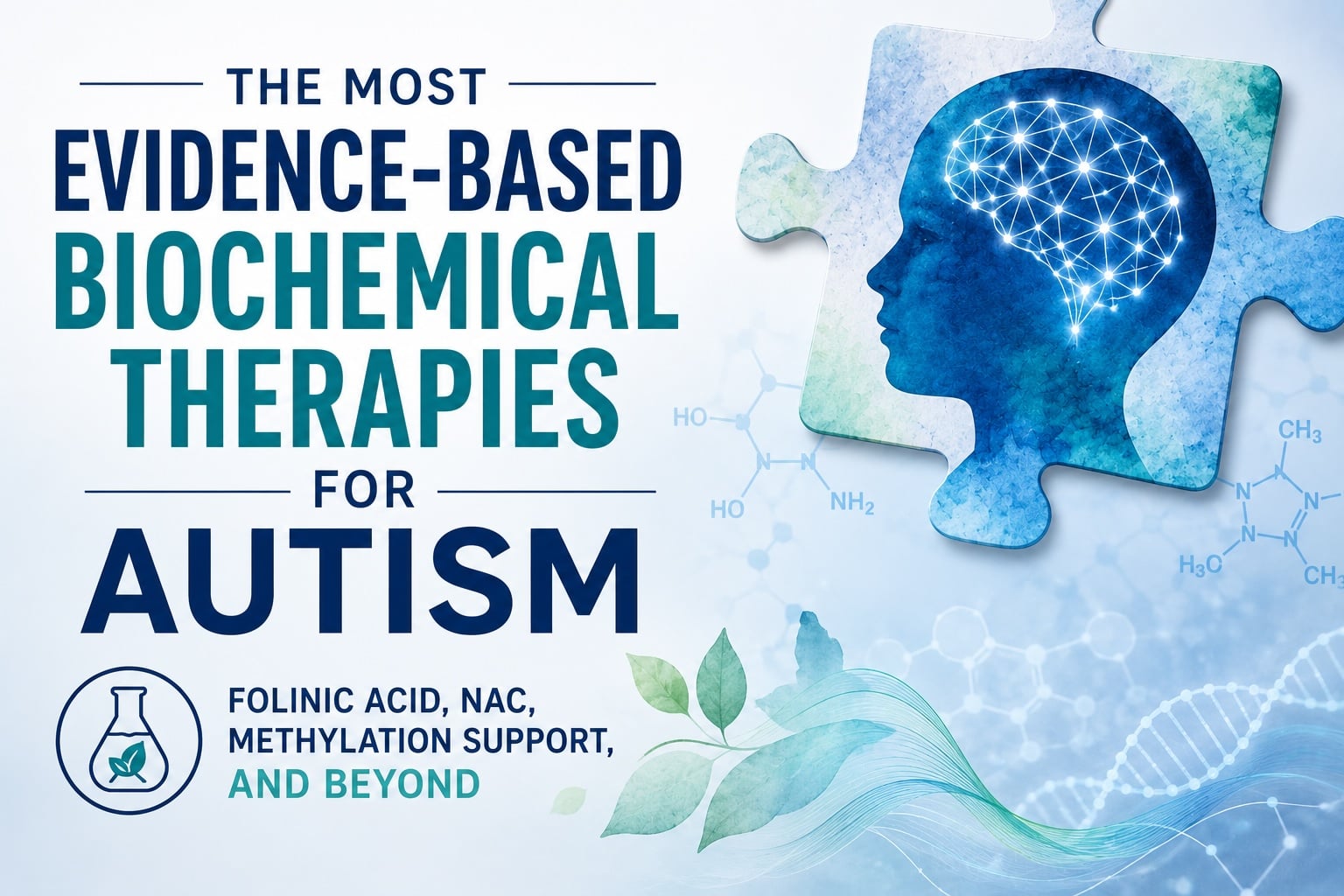
Part 3 of a 3-part series — What 115 randomized trials reveal about the nutraceuticals worth considering for individualized autism care. By Dr. Jill C. Carnahan, MD | April 2026 | Functional Medicine, Pediatric Health, Methylation, Mitochondrial Support
In Part 1 of this series we built the framework: the five biological pillars, the foundations of diet, food sensitivities, and broad-spectrum nutritional support. In Part 2 we went deep on the gut-brain connection, the dysbiosis signature, the antibiotic story, and the remarkable microbiota transfer therapy work coming out of Arizona State University.
Now we turn to the most evidence-based biochemical therapies. The interventions in this article are not theoretical. Each has been tested in randomized controlled trials. Each addresses a specific biological mechanism that is measurably disrupted in subsets of children with autism. None is a cure. None works for every child. And yet, taken together, they represent the highest-confidence biochemical tools we currently have for supporting the autistic child’s biology while behavioral and developmental therapies do their essential work.
This is the article I wish I could hand to every parent and every practitioner who has been told that there is nothing biological to do.

What the Largest Systematic Review of 2025 Tells Us
In late 2024 and into 2025, Antonio Persico and colleagues published a comprehensive systematic review in Progress in Neuro-Psychopharmacology and Biological Psychiatry examining 115 randomized controlled trials of 133 different compounds for autism [1]. After applying strict criteria for both efficacy and safety, they identified a small subset of nutraceuticals as “promising and safe” for clinical consideration. Five of the six are the focus of this article: folinic acid (leucovorin), N-acetylcysteine (NAC), L-carnitine, coenzyme Q10, and sulforaphane. The sixth, metformin, is a prescription medication outside the scope of this educational series.
What unites these five compounds is not that they treat autism in any direct sense. It is that they each address a measurable biological disruption that has been documented in published research, in subsets of children with autism, and that correcting that disruption appears to support gains in behavior, language, sensory regulation, and quality of life.
In the same article, the Persico team explicitly noted what is not supported by the current evidence: hyperbaric oxygen therapy (HBOT), high-dose intravenous immunoglobulin (IVIG) outside of specific immune indications, secretin, and the older megavitamin protocols using high-dose pyridoxine and magnesium. I mention these by name because well-meaning families sometimes pursue them at significant cost, and the data simply do not support their routine use for core autism features. This does not mean they have no role in any individual case. It means we should be honest about the strength of evidence.
Folinic Acid: The Strongest Single-Intervention Story in Autism Research
Of all the biochemical therapies for autism, folinic acid (also called leucovorin or calcium folinate) has accumulated the most compelling evidence in the most carefully designed trials. The story begins with a discovery: a substantial subset of children with autism produce autoantibodies against the folate receptor alpha, the protein responsible for transporting folate from the bloodstream into the brain. When these folate receptor alpha autoantibodies (FRAAs) are present, folate cannot reach the brain in adequate amounts, even when blood folate levels look normal. This is called cerebral folate deficiency.
In a 2021 systematic review and meta-analysis published in the Journal of Personalized Medicine, Daniel Rossignol and Richard Frye examined the FRAA literature and found that children with autism are roughly 19-fold more likely to be FRAA-positive than typically developing children, with FRAA prevalence in autism reaching well above half of children studied across multiple cohorts [2]. Folinic acid, unlike standard folic acid, can bypass the blocked folate receptor through an alternative transport pathway and restore folate delivery to the brain.
In 2018, Frye and colleagues published a randomized, double-blind, placebo-controlled trial in Molecular Psychiatry of high-dose folinic acid in 48 children with autism and language impairment. After 12 weeks of treatment at 2 mg/kg/day (maximum 50 mg/day), verbal communication improved significantly more in the folinic acid group than in the placebo group, with a Cohen’s d effect size of 0.70 (medium-to-large) overall and 0.91 (large) in the FRAA-positive subgroup [3]. Improvements were also documented in adaptive behavior, irritability, and stereotyped behavior. Adverse effects did not differ between groups.
In 2024, Panda and colleagues published a confirming randomized, double-blind, placebo-controlled trial in the European Journal of Pediatrics of 80 children with autism aged 2 to 10 years, using the same 2 mg/kg/day dose for 24 weeks. The folinic acid group showed significantly greater improvements in CARS scores and Child Behavior Checklist measures compared to placebo, with the most pronounced benefits in children with high titers of folate receptor autoantibodies [4]. Adverse effects were generally mild.
The clinical landscape has shifted recently in light of this work. In 2025, the U.S. FDA accepted GSK’s submission to update the label for leucovorin (Wellcovorin) to indicate treatment of cerebral folate deficiency, a condition that has been treated off-label with folinic acid for nearly two decades. While the broader research community emphasizes that further studies are needed, the trajectory is unmistakable: a substantial subset of children with autism have a treatable folate transport problem, and folinic acid is currently the most evidence-supported intervention for it.
Clinical Considerations for Folinic Acid
Folinic acid is a prescription medication in the United States, available as oral tablets or compounded capsules. Testing for folate receptor alpha autoantibodies is available commercially through laboratories that license the assay developed at the State University of New York. Treatment is generally most beneficial in FRAA-positive children, though some FRAA-negative children also respond. The published RCTs used 2 mg/kg/day to a maximum of 50 mg/day, divided into two doses.
Common adverse effects in published trials included mild irritability, hyperactivity, or sleep changes, often resolving with dose adjustment or by switching from commercial tablets to compounded capsules without dye fillers. As with any biomedical intervention in autism, this should be implemented under the guidance of a qualified physician familiar with the protocol.
N-Acetylcysteine (NAC): Boosting Glutathione, Calming Glutamate
If folinic acid addresses the folate transport problem, N-acetylcysteine addresses two other measurable abnormalities documented in autism: depleted glutathione and dysregulated glutamatergic neurotransmission. NAC is a precursor to cysteine, which in turn is the rate-limiting amino acid for glutathione synthesis. It also modulates the glutamate-cystine antiporter, helping rebalance the excitatory-inhibitory imbalance that has been hypothesized in autism.
In 2012, Antonio Hardan and colleagues at Stanford University published a randomized, double-blind, placebo-controlled pilot trial in Biological Psychiatry of oral NAC in children with autism. Over 12 weeks at doses titrated up to 900 mg three times daily, the NAC group showed significant reductions in irritability on the Aberrant Behavior Checklist Irritability subscale [5]. A 2016 study by Wink and colleagues, published in Molecular Autism, found that NAC treatment reliably increased blood glutathione levels in youth with autism, even though that particular trial did not show a significant impact on social impairment as its primary outcome [6]. Two additional smaller trials have shown NAC reduces irritability when added to risperidone in pediatric autism populations.
The honest read on this literature is that NAC is well-tolerated, reliably boosts glutathione, and modestly reduces irritability and stereotyped behavior in some children. It is not a transformational therapy on its own, but as part of a comprehensive functional medicine approach, it addresses real biology and is generally safe.
NAC 500 from Dr. Jill Health provides 500 mg of N-acetylcysteine per capsule. Pediatric dosing in the published trials titrated from 900 mg/day to 2,700 mg/day in older children. Lower starting doses (200 to 500 mg/day) are typical in younger children. As always, this should be guided by a clinician.

The Methylation-Glutathione Protocol: Methylcobalamin and Folinic Acid Together
In 2004, Dr. S. Jill James and colleagues at the University of Arkansas published the foundational paper in the American Journal of Clinical Nutrition demonstrating that children with autism, as a group, show significantly impaired methylation and depleted glutathione [7]. Lower S-adenosylmethionine (SAM, the body’s primary methyl donor), lower cysteine, lower reduced glutathione, and a higher ratio of oxidized to reduced glutathione. This is biochemistry that touches every cell in the body, from neurotransmitter synthesis to DNA expression to detoxification capacity.
In 2009, the same group published a follow-up trial in the American Journal of Clinical Nutrition testing whether the abnormal biochemistry could be corrected. Forty children with autism received subcutaneous methylcobalamin (75 µg/kg, twice weekly) and oral folinic acid (400 µg, twice daily) for three months. The results were striking: significant increases in cysteine, cysteinylglycine, and total glutathione, and significant improvement in the GSH:GSSG redox ratio [8]. A subsequent paper by Frye and colleagues confirmed that the biochemical improvements correlated with measurable improvements in adaptive behavior on the Vineland scale.
This is the methylation-glutathione protocol that has become a foundation of biomedical autism care in functional medicine. The key insights:
- Use methylated B vitamins, not folic acid and cyanocobalamin. Many children with autism have polymorphisms in MTHFR, MTRR, and other methylation pathway genes that impair their ability to convert these inactive forms into active forms. Methylfolate (or folinic acid) and methylcobalamin bypass the bottleneck. Methyl Boost provides a targeted methylation formula featuring 5-MTHF (Quatrefolic®), trimethylglycine (TMG), B2, B6, and methylcobalamin (B12), specifically designed to support homocysteine balance, neurotransmitter production, and detoxification. For broader B-vitamin coverage, Activated B Complex provides the full B-complex spectrum in bioavailable forms.
- Support glutathione directly when needed. In addition to NAC, Glutathione Essentials provides 250 mg of preformed reduced glutathione per capsule, which is excellent for older children and adolescents who can swallow capsules. For younger children and kids who struggle with pills, Tri-Fortify Watermelon Liposomal Glutathione is a kid-friendly liquid alternative with a watermelon flavor that most children genuinely enjoy. The liposomal delivery system allows the glutathione to bypass digestive breakdown for superior absorption. For broader liver and detoxification support, Liver Essentials combines NAC, alpha-lipoic acid, milk thistle, and selenium.
- Monitor and titrate. Methylation support is not a one-size-fits-all intervention. Some children respond beautifully. Others, particularly those with COMT and MTHFR polymorphisms in specific combinations, can become anxious, irritable, or hyperactive on certain doses or forms of methyl donors. Start low, observe carefully, and adjust.
- Consider testing. Plasma SAM/SAH ratios, glutathione redox status, organic acids, and methylation pathway SNPs can all guide a personalized protocol. Functional medicine testing through reputable labs makes this accessible.
L-Carnitine: Supporting Mitochondrial Energy Metabolism
Mitochondrial dysfunction is one of the most consistent findings in autism research. A 2012 systematic review and meta-analysis by Rossignol and Frye in Molecular Psychiatry found mitochondrial dysfunction in a meaningful subset of children with autism, well above general population rates [9]. L-carnitine plays a critical role in mitochondrial energy production by transporting long-chain fatty acids into the mitochondrial matrix where they are oxidized to generate ATP.
In 2011, Geier and colleagues published a randomized, double-blind, placebo-controlled trial in Medical Science Monitor of liquid L-carnitine in 30 children with autism. Over three months at 50 mg/kg/day, the L-carnitine group showed significant improvements in CARS, CGI, and ATEC scores compared to placebo, with serum free-carnitine increases correlating with improvements in muscle strength and cognitive scores [10]. A 2013 follow-up by Fahmy and colleagues, using a longer six-month protocol, confirmed behavioral improvements including better concentration, eye contact, language development, and motor skills.
The clinical implication is that for children showing signs of mitochondrial weakness (low energy, post-exertional fatigue, regression with illness, abnormal organic acids markers, or borderline-low free carnitine on plasma testing), L-carnitine supplementation can be a meaningful adjunct. Dosing in published trials ranged from 50 to 100 mg/kg/day. Higher doses can produce a transient fishy body odor due to gut bacterial metabolism of excess carnitine.
Coenzyme Q10 and MitoQ: Antioxidant and Mitochondrial Support
Coenzyme Q10 (also called ubiquinone, with its active reduced form ubiquinol) is essential for the electron transport chain in mitochondria and serves as a powerful intracellular antioxidant. Multiple studies have documented lower CoQ10 levels in children with autism compared to typical children, suggesting a relative deficiency that supplementation can help correct.
In a 2018 randomized study by Mousavinejad and colleagues published in Psychiatry Research, 90 children with autism received CoQ10 supplementation at 30 or 60 mg/day or placebo for three months. The 60 mg/day group showed reductions in malondialdehyde (a marker of oxidative stress), increased total antioxidant status, and improvements in sleep and gastrointestinal problems compared to placebo [11]. The Persico 2025 review classified CoQ10 as among the promising and safe nutraceuticals worth clinical consideration, particularly for children with documented mitochondrial dysfunction or low baseline CoQ10 levels.
My clinical use of CoQ10 is targeted: in children with low energy, suspected mitochondrial issues, exercise intolerance, or those taking medications known to deplete CoQ10. Activated CoQ10 from Dr. Jill Health is my standard first-line choice, providing well-absorbed coenzyme Q10 in soft gel form for foundational mitochondrial and cellular energy support.
For children with more pronounced mitochondrial weakness, or for adolescents and young adults where deeper mitochondrial-targeted antioxidant action is desired, MitoQ is a more advanced option. MitoQ is a uniquely engineered form of CoQ10 that has been chemically modified to concentrate hundreds of times more efficiently inside the mitochondria themselves, where oxidative stress is generated. This allows it to neutralize free radicals at the source. MitoQ has been studied in cardiovascular, neurological, and metabolic contexts and represents the cutting edge of mitochondrial-targeted antioxidant therapy. Dosing typically ranges from 30 to 200 mg/day for standard CoQ10 and 5 to 10 mg/day for MitoQ, depending on age and clinical indication.
Sulforaphane: Activating the Body’s Master Antioxidant Pathway
Sulforaphane is an isothiocyanate compound found in cruciferous vegetables, particularly concentrated in broccoli sprouts. It works through a unique mechanism: it activates the Nrf2 transcription factor, which in turn upregulates over 200 protective genes including those involved in antioxidant defense, anti-inflammatory pathways, mitochondrial protection, and detoxification. In essence, sulforaphane turns on the body’s own master defense system rather than supplying a single antioxidant.
In 2014, Singh and colleagues at Johns Hopkins and Massachusetts General Hospital published a randomized, double-blind, placebo-controlled trial in the Proceedings of the National Academy of Sciences of sulforaphane in 44 young men with moderate-to-severe autism (ages 13-27). Over 18 weeks at 50 to 150 µmol/day, the sulforaphane group showed a 34 percent reduction in Aberrant Behavior Checklist scores and a 17 percent reduction in Social Responsiveness Scale scores, both highly statistically significant compared to placebo [12]. Improvements were observed in irritability, lethargy, stereotypy, hyperactivity, and aspects of social interaction. When sulforaphane was discontinued, scores trended back toward baseline, suggesting an active treatment effect.
In 2021, the same research group published a follow-up RCT in Molecular Autism examining 57 children aged 3 to 12 years. The results were more modest. The primary outcome did not reach statistical significance overall, though caregiver-rated Aberrant Behavior Checklist scores did show improvement [13]. The investigators note that the children’s response was more variable than the young adult cohort, possibly reflecting developmental differences or dosing considerations.
My clinical takeaway: sulforaphane is among the most mechanistically interesting interventions in autism, with strong evidence in older children and adolescents and more variable evidence in younger children. It is well-tolerated, broadly safe, and appears to support exactly the kind of antioxidant-mitochondrial-anti-inflammatory biology that is disrupted in autism. Pharmaceutical-grade broccoli sprout extracts standardized for sulforaphane content (or its precursor glucoraphanin paired with myrosinase) are now widely available.
A Sequenced Functional Medicine Strategy
It is tempting, when reading about so many promising interventions, to want to start everything at once. In my clinical experience, this is rarely the right approach. Each child’s biology is different. Each intervention has its own response timeline. And starting multiple things simultaneously makes it impossible to know what is helping, what is not, and what may be causing an adverse response.
Here is the general sequence I tend to follow with patients, always individualized to clinical findings:
Foundation Phase (Months 1-3)
Diet, food sensitivities, comprehensive vitamin/mineral support, omega-3s, and gut-foundational interventions as outlined in Parts 1 and 2 of this series. This is non-negotiable. Without dietary and nutritional foundations, no biochemical therapy will work optimally.
Methylation and Glutathione Phase (Months 2-4)
Add methylated B vitamins (Methyl Boost or Activated B Complex). Begin NAC at a low dose and titrate. If glutathione redox status is severely compromised on testing, add Glutathione Essentials for older children or Tri-Fortify Watermelon liposomal glutathione for younger kids who prefer a liquid. Monitor for irritability or hyperactivity that may signal over-methylation or COMT considerations.
Folinic Acid Phase (Months 3-6, if indicated)
Test for folate receptor alpha autoantibodies. If positive, consult with a physician experienced in cerebral folate deficiency protocols. Folinic acid trials in published RCTs ran 12 to 24 weeks before final assessment of response. This is not a quick intervention.
Mitochondrial Support Phase (as indicated)
If clinical signs or organic acids testing suggest mitochondrial weakness, add L-carnitine and Activated CoQ10. For more advanced mitochondrial-targeted antioxidant support, consider MitoQ. These often work synergistically.
Sulforaphane Phase (as indicated)
Particularly useful in older children, adolescents, and young adults, especially when oxidative stress and inflammation are prominent.
Throughout: Monitoring and Adjusting
Keep careful records. Use validated parent and teacher rating scales (ATEC, ABC, SRS) at baseline and at three-month intervals. Watch for both progress and unexpected changes. Adjust the protocol based on what your child’s body is telling you.
A Final Reflection
Across these three articles, we have walked through the foundations, the gut, and the biochemistry of autism. We have looked at hundreds of published studies, named the limits of current evidence honestly, and built a framework for individualized care that respects both the science and the child.
If you are a parent reading this at the end of a long day, after the therapies and the appointments and the worries, I want you to hear something clearly. Your child’s biology is knowable. The disruptions are measurable. The interventions are real. And while there is no single therapy that fixes autism (because autism is not a thing to be fixed), there are real biological factors that, when identified and gently corrected, can meaningfully reduce your child’s suffering and expand their capacity to engage with the world they were made to inhabit.
If you are a practitioner reading this, I hope this series gives you a framework you can carry into your work. Most of these interventions are accessible in any functional medicine practice. Most are well-tolerated. None replace behavioral, speech, occupational, or developmental therapies, and all of them work best alongside that essential foundation.
If you are someone who has loved a person with autism, perhaps yourself, perhaps a sibling, perhaps a friend, I hope this series honors what is right about how God made the autistic mind even as it acknowledges what is biologically dysregulated and treatable. Both can be true at once. The radical worth of the human person does not depend on neurotypicality. And neither does it require us to ignore real biology that, when addressed, makes daily life easier and richer.
In my own life, I have walked through years of chronic illness when the diagnosis felt like a sentence and the medical system seemed to have nothing to offer. What I learned, slowly and painfully, is that the body is more complex and more responsive than mainstream medicine often credits. Functional medicine offered me a path forward when conventional medicine offered me only management. I am writing about autism in this series because I see the same opportunity for these children. The science is there. The tools are there. What is needed is the willingness to apply them with care, with humility, with patience, and with love.
Lord, you are the giver of all healing and the maker of every child. You see each one of them as they are, beloved, whole, bearing your image. We thank you for the science that helps us understand their biology, for the practitioners who walk this road with families, and for the parents whose love anchors every healing journey. Where there is brokenness in the body, bring restoration. Where there is exhaustion in the family, bring strength. Where there is uncertainty in the path forward, bring wisdom. And let every child in our care know, in their bodies and in their souls, that they are seen, they are loved, and they are not alone.
This concludes our three-part series on the functional medicine approach to autism. May the children you love find healing on every level.
Related Articles on Dr. Jill’s Blog
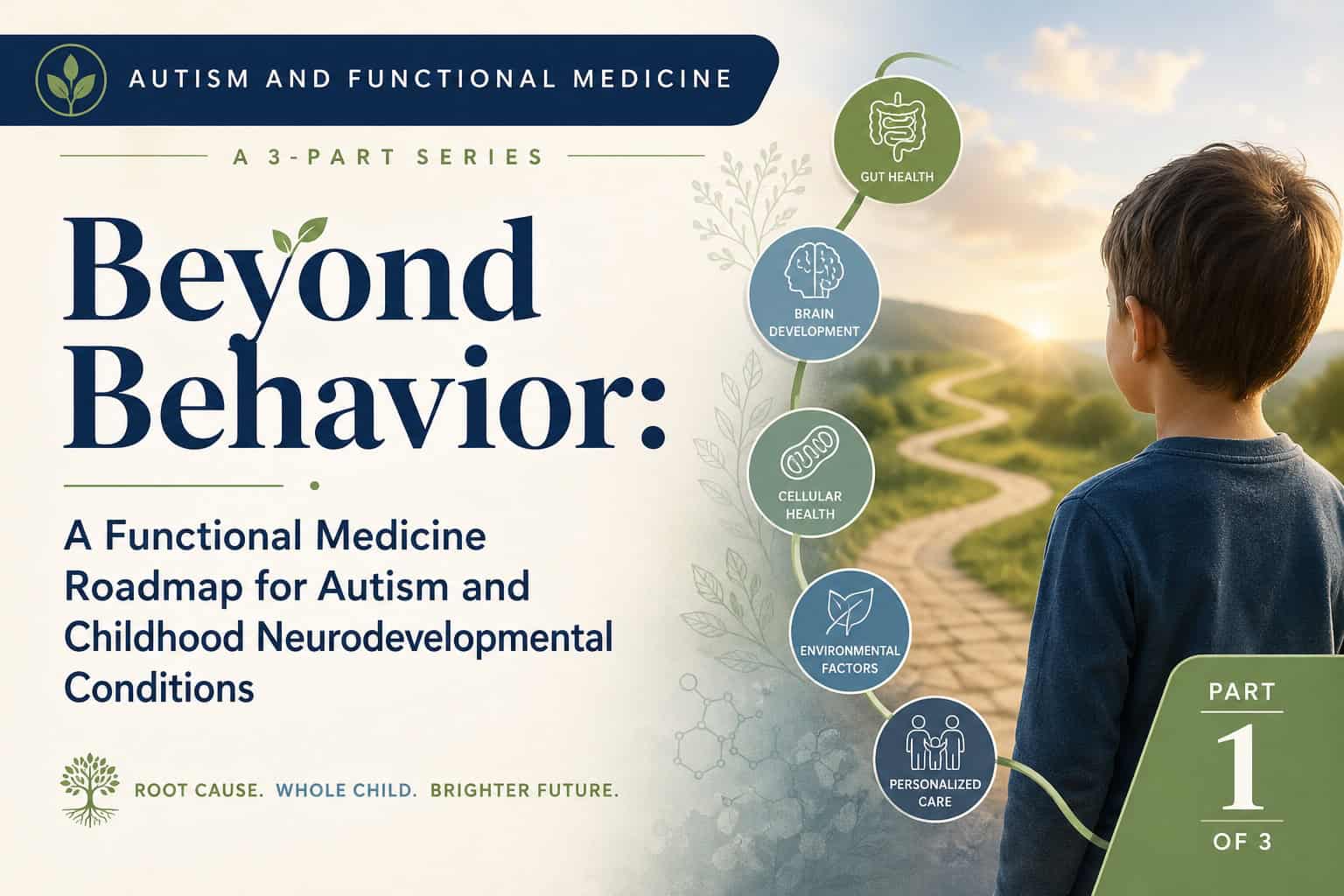
- Beyond Behavior: A Functional Medicine Roadmap for Autism (Part 1)
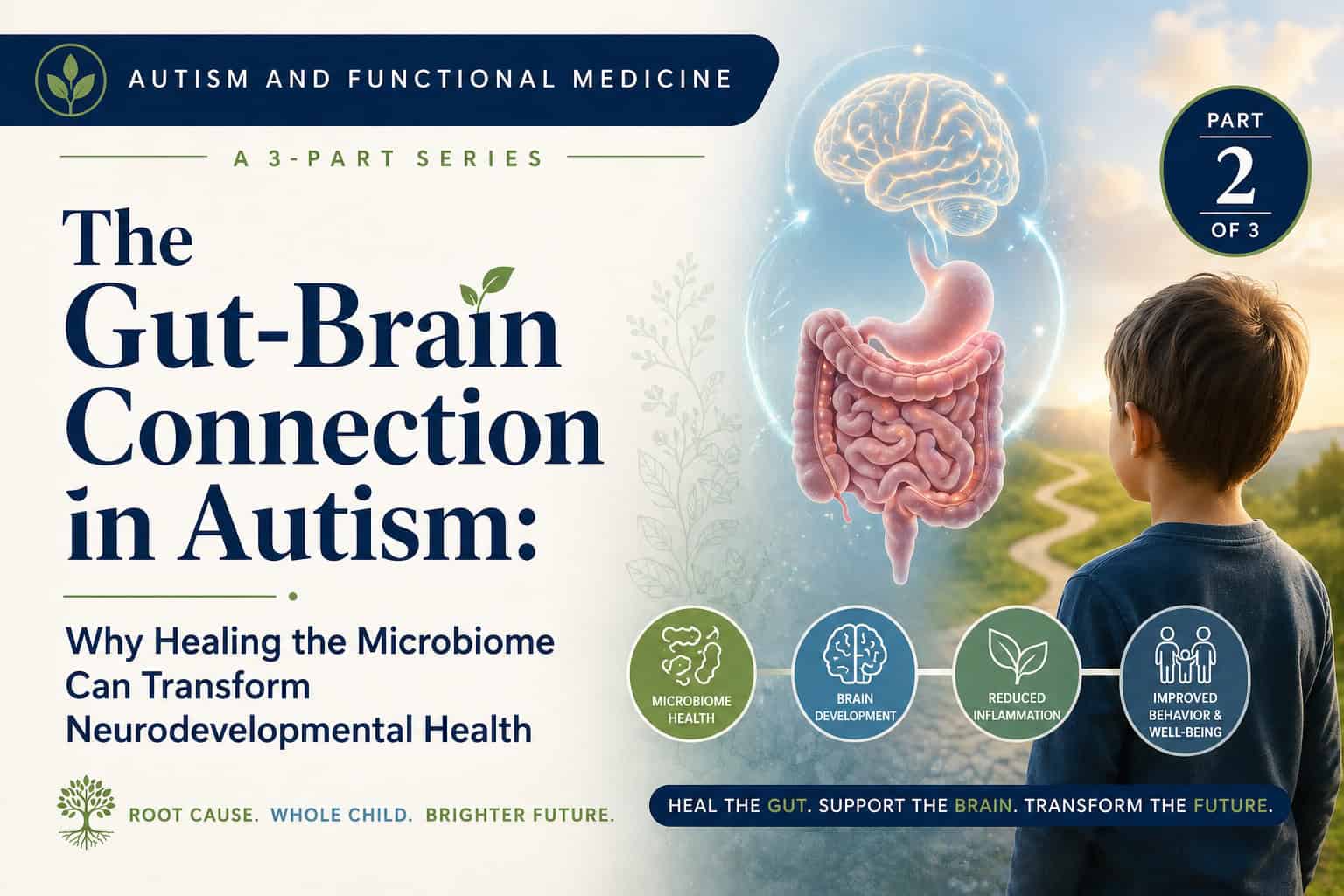
- The Gut-Brain Connection in Autism (Part 2)
- MTHFR Mutations and Methylation: A Functional Medicine Primer
- The Shocking Truth About the Pesticides in Your Food
- Mycotoxins and Your Brain
References
1. Persico AM, Asta L, Chehbani F, Mirabelli S, Parlatini V, Cortese S, Arango C, Vitiello B. The pediatric psychopharmacology of autism spectrum disorder: A systematic review — Part II: The future. Prog Neuropsychopharmacol Biol Psychiatry. 2025;136:111176. doi:10.1016/j.pnpbp.2024.111176
2. Rossignol DA, Frye RE. Cerebral folate deficiency, folate receptor alpha autoantibodies and leucovorin (folinic acid) treatment in autism spectrum disorders: a systematic review and meta-analysis. J Pers Med. 2021;11(11):1141. doi:10.3390/jpm11111141
3. Frye RE, Slattery J, Delhey L, Furgerson B, Strickland T, Tippett M, Sailey A, Wynne R, Rose S, Melnyk S, James SJ, Sequeira JM, Quadros EV. Folinic acid improves verbal communication in children with autism and language impairment: a randomized double-blind placebo-controlled trial. Mol Psychiatry. 2018;23(2):247-256. doi:10.1038/mp.2016.168
4. Panda PK, Sharawat IK, Saha S, Gupta D, Palayullakandi A, Meena K. Efficacy of oral folinic acid supplementation in children with autism spectrum disorder: a randomized double-blind, placebo-controlled trial. Eur J Pediatr. 2024;183(11):4827-4835. doi:10.1007/s00431-024-05762-6
5. Hardan AY, Fung LK, Libove RA, Obukhanych TV, Nair S, Herzenberg LA, Frazier TW, Tirouvanziam R. A randomized controlled pilot trial of oral N-acetylcysteine in children with autism. Biol Psychiatry. 2012;71(11):956-961. doi:10.1016/j.biopsych.2012.01.014
6. Wink LK, Adams R, Wang Z, Klaunig JE, Plawecki MH, Posey DJ, McDougle CJ, Erickson CA. A randomized placebo-controlled pilot study of N-acetylcysteine in youth with autism spectrum disorder. Mol Autism. 2016;7:26. doi:10.1186/s13229-016-0088-6
7. James SJ, Cutler P, Melnyk S, Jernigan S, Janak L, Gaylor DW, Neubrander JA. Metabolic biomarkers of increased oxidative stress and impaired methylation capacity in children with autism. Am J Clin Nutr. 2004;80(6):1611-1617. doi:10.1093/ajcn/80.6.1611
8. James SJ, Melnyk S, Fuchs G, Reid T, Jernigan S, Pavliv O, Hubanks A, Gaylor DW. Efficacy of methylcobalamin and folinic acid treatment on glutathione redox status in children with autism. Am J Clin Nutr. 2009;89(1):425-430. doi:10.3945/ajcn.2008.26615
9. Rossignol DA, Frye RE. Mitochondrial dysfunction in autism spectrum disorders: a systematic review and meta-analysis. Mol Psychiatry. 2012;17(3):290-314. doi:10.1038/mp.2010.136
10. Geier DA, Kern JK, Davis G, King PG, Adams JB, Young JL, Geier MR. A prospective double-blind, randomized clinical trial of levocarnitine to treat autism spectrum disorders. Med Sci Monit. 2011;17(6):PI15-PI23. doi:10.12659/msm.881792
11. Mousavinejad E, Ghaffari MA, Riahi F, Hajmohammadi M, Tiznobeyk Z, Mousavinejad M. Coenzyme Q10 supplementation reduces oxidative stress and decreases antioxidant enzyme activity in children with autism spectrum disorders: a randomized controlled trial. Psychiatry Res. 2018;265:62-69. doi:10.1016/j.psychres.2018.03.061
12. Singh K, Connors SL, Macklin EA, Smith KD, Fahey JW, Talalay P, Zimmerman AW. Sulforaphane treatment of autism spectrum disorder (ASD). Proc Natl Acad Sci U S A. 2014;111(43):15550-15555. doi:10.1073/pnas.1416940111
13. Zimmerman AW, Singh K, Connors SL, Liu H, Panjwani AA, Lee LC, Diggins E, Foley A, Melnyk S, Singh IN, James SJ, Frye RE, Fahey JW. Randomized controlled trial of sulforaphane and metabolite discovery in children with Autism Spectrum Disorder. Mol Autism. 2021;12(1):38. doi:10.1186/s13229-021-00447-5
About Dr. Jill Carnahan
Dr. Jill Carnahan is Your Functional Medicine Expert®, dually board certified in Family Medicine and in Integrative Holistic Medicine. She is the Medical Director of Flatiron Functional Medicine, a widely sought-after practice with a broad range of clients including world-renowned physicians, athletes, and corporate executives. She offers consultations both in-person and via telemedicine. She is the host of the popular Resiliency Radio podcast and Executive Producer of Doctor/Patient, the documentary that aims to change the way we look at our healthcare system. She is a survivor of breast cancer and Crohn’s disease, an internationally renowned speaker, and the author of Unexpected: Finding Resilience through Functional Medicine, Science, and Faith.
Connect with Dr. Jill: jillcarnahan.com | Resiliency Radio | Doctor/Patient documentary | Read Unexpected | @DrJillCarnahan on Instagram
The information in this article is for educational purposes only and is not intended to diagnose, treat, cure, or prevent any disease. The information provided is not a substitute for professional medical advice, diagnosis, or treatment. Please consult with your physician or other qualified healthcare provider before making any changes to your health regimen. The products mentioned are not intended to diagnose, treat, cure, or prevent any disease.




Share: