


Building on the foundational diet and exercise strategies we explored in Part 1, and the cutting-edge supplement science from Part 2, we now turn to advanced integrative approaches that can significantly enhance your breast cancer prevention strategy. As someone who has personally navigated both breast cancer and chronic illness, I've learned that true prevention requires addressing the deeper environmental and metabolic factors that create the conditions for cancer to develop.
In Parts 1 and 2, we established the remarkable power of Mediterranean-style nutrition, regular exercise, and targeted supplementation. Now, I want to share the advanced strategies that can amplify these foundational approaches—strategies rooted in functional medicine principles that address the root causes of cancer development.
Environmental Detoxification: Reducing Your Toxic Burden
One of the most overlooked aspects of breast cancer prevention is environmental toxin exposure. In my comprehensive analysis of toxic burden and its impact on health, I discuss how lifestyle factors are responsible for a considerable portion of cancers worldwide, with 7-19% of all cancers attributable to toxic environmental exposures.
Your total toxic burden is the accumulation of all the different toxins in your body at any given time. Think of it like a bucket—your body can handle a certain amount, but when exposure exceeds your detoxification capacity, that bucket overflows and creates the conditions for chronic illness, including cancer.
The Detoxification-Cancer Connection
Recent research has identified several key ways environmental toxins promote breast cancer development:
- Endocrine Disruption: Many environmental chemicals mimic estrogen, leading to prolonged hormonal exposure
- DNA Damage: Toxins can directly damage cellular DNA, increasing cancer risk
- Immune Suppression: Chronic toxin exposure weakens your immune system's ability to detect and eliminate abnormal cells
- Chronic Inflammation: Toxins trigger ongoing inflammatory responses that promote cancer development
Strategic Detoxification Protocol
Based on my clinical experience and the latest research, here's my comprehensive approach to reducing toxic burden:
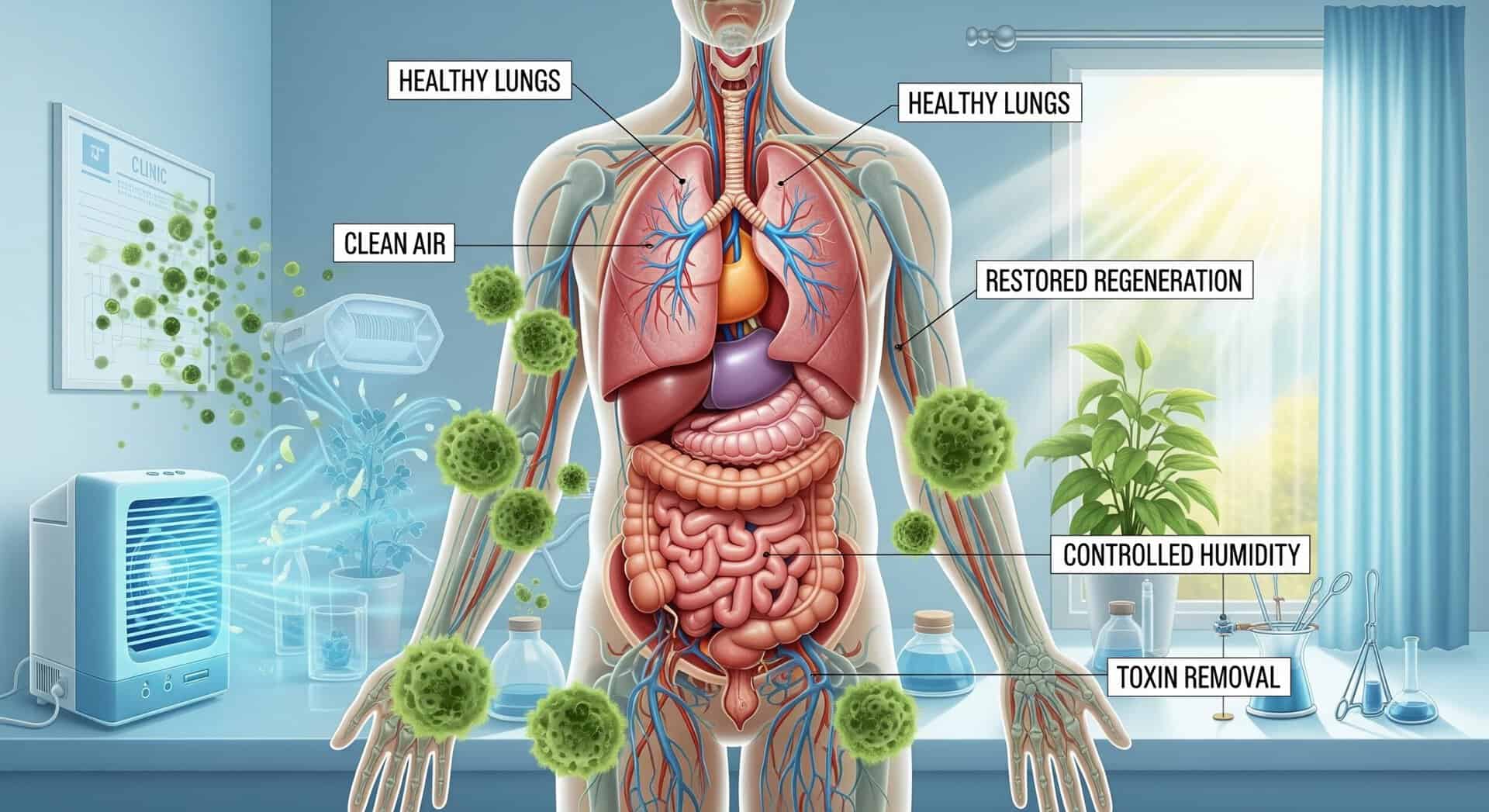
Phase 1: Reduce Exposure
- Choose organic produce, especially for the “Dirty Dozen”
- Filter your water with a high-quality carbon or reverse osmosis system
- Use natural cleaning products and personal care items
- Avoid plastics, especially for food storage and heating
- Consider air purification, particularly in bedrooms
Phase 2: Support Natural Detoxification As I detail in my immune system support protocols, supporting your body's natural detoxification pathways is crucial:
- Liver Support: My ResveraMax contains compounds that support Phase I and Phase II liver detoxification
- Glutathione Enhancement: NAC supplementation helps regenerate this master antioxidant
- Gut Health: Regular bowel movements are essential for toxin elimination
- Sweating: Infrared saunas can help eliminate toxins through the skin
The Gut-Breast Connection: Your Microbial Allies
Emerging research reveals fascinating connections between gut health and breast cancer risk. A study on breast tissue samples from 403 cancer-free women and 76 breast cancer patients identified Lactobacillaceae (mainly Lactobacillus vini and Lactobacillus paracasei) as one of the most abundant families in healthy breasts.
This research suggests that supporting healthy gut bacteria may have far-reaching effects on breast health through multiple mechanisms:
- Estrogen Metabolism: Beneficial bacteria help metabolize and eliminate excess estrogens
- Immune Modulation: A healthy microbiome enhances immune surveillance for abnormal cells
- Anti-inflammatory Effects: Beneficial bacteria produce compounds that reduce cancer-promoting inflammation
- Nutrient Production: Gut bacteria synthesize important vitamins like folate and vitamin K
Optimizing Your Microbiome
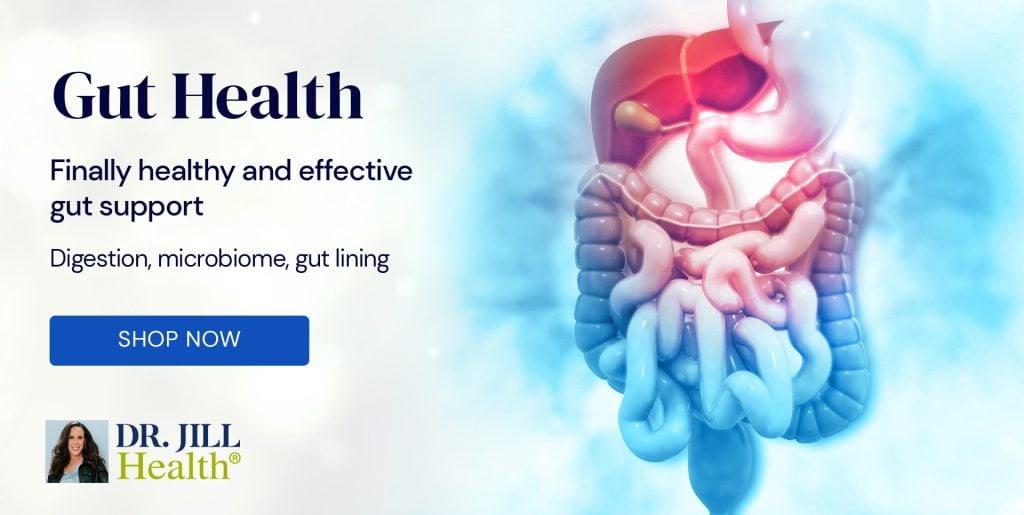
I recommend a comprehensive approach to gut health:
Probiotic Support: Choose targeted probiotic formulas with strains specifically researched for immune function:
- Probiotic Daily Essentials: A high-potency, four-strain formula delivering 30 billion CFU per capsule, including the extensively studied HN019 strain of Bifidobacterium lactis for immune support
- Spore Probiotic Complete: Features spore-based Bacillus strains that survive the harsh GI environment and help prevent SIBO relapse while promoting microbiome diversity
- Spore Probiotic Plus IgG: Combines spore-based probiotics with serum-derived bovine immunoglobulins to bind and eliminate harmful microbes and toxins
- MegaSporeBiotic: A pharmaceutical-grade spore probiotic containing Bacillus Indicus HU36™, which produces antioxidants directly in the gut
Prebiotic Foods: Include fiber-rich foods that feed beneficial bacteria like artichokes, garlic, onions, asparagus, and green bananas
Fermented Foods: Regular consumption of yogurt, kefir, sauerkraut, kimchi, and other traditionally fermented foods
Avoid Microbiome Disruptors: Limit antibiotics when possible, reduce processed foods, minimize artificial sweeteners, and avoid unnecessary antimicrobial products
Stress, Sleep, and Circadian Health: The Hidden Cancer Factors
One of the most underestimated aspects of cancer prevention is the role of chronic stress and disrupted sleep patterns. Research consistently shows that chronic stress suppresses immune function and promotes inflammation—both key factors in cancer development.
The Stress-Cancer Connection
Chronic stress affects breast cancer risk through several mechanisms:
- Cortisol Dysregulation: Persistent elevated cortisol suppresses immune surveillance
- Inflammation: Stress hormones promote chronic inflammatory states
- Hormonal Imbalance: Stress can disrupt healthy estrogen metabolism
- Sleep Disruption: Stress interferes with restorative sleep cycles essential for cellular repair
Optimizing Circadian Rhythms
Your circadian rhythm—your body's internal clock—plays a crucial role in cancer prevention. Disrupted circadian rhythms are linked to increased breast cancer risk, while healthy sleep patterns support:
- Melatonin Production: This powerful hormone has direct anti-cancer properties
- Growth Hormone Release: Essential for cellular repair and regeneration
- Immune Function: Deep sleep supports optimal immune surveillance
- Detoxification: The brain's lymphatic system clears toxins during sleep
My Circadian Optimization Protocol:
- Consistent sleep and wake times (even on weekends)
- Morning light exposure within 30 minutes of waking
- Evening light reduction 2 hours before bed
- Cool, dark sleeping environment (65-68°F)
- Melatonin supplementation if needed (0.5-3mg)
Hormonal Balance: The Estrogen Metabolism Connection
Healthy estrogen metabolism is fundamental to breast cancer prevention. It's not just about total estrogen levels—it's about how your body processes and eliminates these hormones.
The Good, Bad, and Ugly of Estrogen Metabolites
Your body metabolizes estrogen through several pathways, producing different metabolites:
- 2-Hydroxyestrone: Generally protective against cancer
- 16α-Hydroxyestrone: Associated with increased cancer risk
- 4-Hydroxyestrone: Potentially carcinogenic
Supporting Healthy Estrogen Metabolism
Several strategies can help optimize this critical pathway:
Nutritional Support:
- Cruciferous vegetables (broccoli, cauliflower, Brussels sprouts) contain indole-3-carbinol and sulforaphane
- Flaxseeds provide lignans that help metabolize estrogen
- Green tea polyphenols support healthy metabolism
- Super Turmeric helps modulate estrogen pathways
Lifestyle Factors:
- Regular exercise improves estrogen metabolism
- Maintaining healthy body weight reduces estrogen production
- Limiting alcohol consumption (alcohol interferes with estrogen clearance)
- Supporting liver function through targeted nutrition
Advanced Testing: Precision Prevention
As functional medicine evolves toward more personalized approaches, advanced testing can help tailor your prevention strategy to your unique risk factors and metabolic profile.
Key Tests for Breast Cancer Prevention
Hormonal Assessment:
- Complete hormone panel including estrogen metabolites
- DUTCH test for comprehensive hormone evaluation
- Thyroid function (hypothyroidism increases breast cancer risk)
Inflammatory Markers:
- C-reactive protein (CRP)
- Interleukin-6 and TNF-alpha
- Oxidative stress markers
Nutritional Status:
- Vitamin D levels (optimal range 50-80 ng/mL)
- Omega-3 index
- B-vitamin status, especially folate and B12
- Antioxidant levels
Toxic Load Assessment:
- Heavy metals panel
- Organic acid testing for detoxification capacity
- Mycotoxin testing if mold exposure suspected
The Role of Intermittent Fasting and Metabolic Health
Building on the metabolic insights from Parts 1 and 2, emerging research suggests that intermittent fasting may offer additional breast cancer protection through several mechanisms:
How Fasting Supports Cancer Prevention
- Autophagy Enhancement: Cellular “cleanup” process that removes damaged proteins and organelles
- Insulin Sensitivity: Improved glucose metabolism reduces cancer-promoting growth factors
- Growth Factor Reduction: Fasting lowers IGF-1, which promotes cell proliferation
- Ketone Production: Ketones may have direct anti-cancer effects
Practical Implementation:
- 16:8 time-restricted eating (16 hours fasting, 8-hour eating window)
- Gradual implementation starting with 12:12
- Maintaining adequate nutrition during eating windows
- Monitoring energy levels and adjusting as needed
Practical Implementation: Your Daily Action Plan
Based on the latest research, here's how I recommend structuring your day for optimal breast cancer prevention:
Morning Foundation:
- Start with a nutrient-dense smoothie containing berries (anthocyanins), leafy greens (folate), and ground flaxseed (lignans)
- Consider supplementing with vitamin D3 if your levels are suboptimal
- Include green tea for its EGCG content
Midday Movement:
- Incorporate 30-60 minutes of physical activity
- This could be a brisk walk, yoga session, or strength training
Evening Nourishment:
- Focus on colorful vegetables (aim for 5-7 servings daily)
- Include omega-3 rich fish 2-3 times per week
- Add anti-inflammatory spices like turmeric and ginger to your meals
Supplement Support:
Consider these evidence-based additions to your routine:
- Super Turmeric for comprehensive anti-inflammatory support
- ResveraMax for antioxidant protection and cellular longevity
- High-quality omega-3 fatty acids
- Vitamin D3 (based on blood levels)
The Spiritual Dimension: Hope and Healing
As someone who has experienced the power of faith in healing, I want to remind you that prevention isn't just about perfect nutrition or exercise routines. It's about creating a life filled with purpose, connection, and joy. Chronic stress and emotional trauma can significantly impact our immune system and inflammatory responses.
I encourage you to:
- Cultivate gratitude through daily practice
- Build meaningful relationships and community connections
- Find time for prayer, meditation, or other spiritual practices
- Pursue activities that bring you genuine joy and fulfillment
Environmental Awareness: Reducing Toxic Load
We can't discuss cancer prevention without addressing environmental factors. Simple steps to reduce your exposure include:
- Choosing organic produce when possible, especially for the “Dirty Dozen”
- Using natural cleaning products
- Filtering your water
- Avoiding unnecessary radiation exposure
- Choosing non-toxic personal care products
Looking Ahead: The Future of Prevention
World Cancer Research Fund International has released a major new report on dietary and lifestyle patterns (DLPs) and their role in cancer prevention. Today's report emphasises that studying DLPs together, rather than looking at single foods or behaviours, can help researchers and the public to better understand how all these factors together play a role in reducing cancer risk.
This holistic approach aligns perfectly with functional medicine principles—we must look at the whole person, not just individual risk factors.
Related Videos
Your Next Steps
Prevention is a journey, not a destination. Start where you are, use what you have, and do what you can. Even small changes, implemented consistently, can have profound effects over time.
I encourage you to:
- Get baseline testing: Work with a functional medicine practitioner to assess your nutrient status, hormone levels, and inflammatory markers
- Start gradually: Choose 2-3 changes from this article to implement this month
- Track your progress: Keep a journal of how you feel as you make these changes
- Build your support team: Connect with healthcare providers who understand the power of prevention
For more evidence-based health strategies, explore my blog archives where I share insights on everything from gut health to hormone balance.
Remember: Your body is designed to heal and protect itself. Sometimes it just needs the right support to remember how. By combining cutting-edge nutritional science with timeless wisdom about lifestyle and spiritual wellness, we can create powerful protection against breast cancer.
Your health is worth fighting for, and you have more power than you realize to influence your future. Let's use it wisely.
References
- Sanft T, Harrigan M, McGowan C, et al. Randomized Trial of Exercise and Nutrition on Chemotherapy Completion and Pathologic Complete Response in Women With Breast Cancer: The Lifestyle, Exercise, and Nutrition Early After Diagnosis Study. Journal of Clinical Oncology. 2023;41(34):5285-5295.
- Salehi E, Lavery JA, Chan O, et al. Effects of plant-based diet (PBD) and exercise therapy (Ex) on weight and body composition in patients with primary hormone receptor (HR) positive breast cancer: A phase 2 randomized controlled trial. Journal of Clinical Oncology. 2024;42(16_suppl):548.
- Advances in Diet and Physical Activity in Breast Cancer Prevention and Treatment. Nutrients. 2024;16(14):2279.
- Harnessing Micronutrient Power: Vitamins, Antioxidants and Probiotics in Breast Cancer Prevention. Anticancer Research. 2024;44(6):2287.
- Diet and Breast Cancer Risk. Breast Cancer Research Foundation. 2025.
- New major cancer prevention report on dietary and lifestyle patterns. World Cancer Research Fund. 2025.
- Breast cancer risk and prevention in 2024: An overview from the Breast Cancer UK. PMC. 2024.
About Dr. Jill Carnahan
Dr. Jill Carnahan, MD, ABIHM, ABoIM, IFMCP is internationally recognized as one of the most respected leaders in functional and integrative medicine. She is dually board-certified in Family Medicine and Integrative Holistic Medicine, and the founder and medical director of Flatiron Functional Medicine in Louisville, Colorado.
Widely known as a pioneer in environmental toxicity, mold-related illness, autoimmune disease, and resilience medicine, Dr. Carnahan combines cutting-edge science with compassionate, root-cause care. Her clinical approach integrates precision genomics, epigenetics, microbiome research, peptide therapy, and lifestyle interventions to transform health outcomes for patients worldwide.
She is the author of the best-selling memoir Unexpected, which weaves her personal journey through cancer, Crohn’s disease, and mold-related illness with her professional expertise. Dr. Carnahan is also the executive producer of the award-winning documentary Doctor/Patient and the host of the popular podcast Resiliency Radio, which reaches over 500,000 global subscribers.
As an international keynote speaker, Dr. Carnahan has been featured at leading medical conferences including A4M, IFM, EPIC, and IPM Congress, and her work is frequently highlighted in major media outlets such as NBC, CBS, Fox News, Forbes, Parade, People, and MindBodyGreen.
With a reputation as both a scientist and a healer, Dr. Jill Carnahan is regarded as one of the top functional medicine doctors in the world, offering a unique blend of evidence-based research, innovation, and deeply personalized care.
These statements have not been evaluated by the Food and Drug Administration. Infrared sauna therapy is not intended to diagnose, treat, cure, or prevent any disease. This information is not intended to replace recommendations or relationships with your physician. Please review the referenced studies for scientific support of the claims made.




Share: