


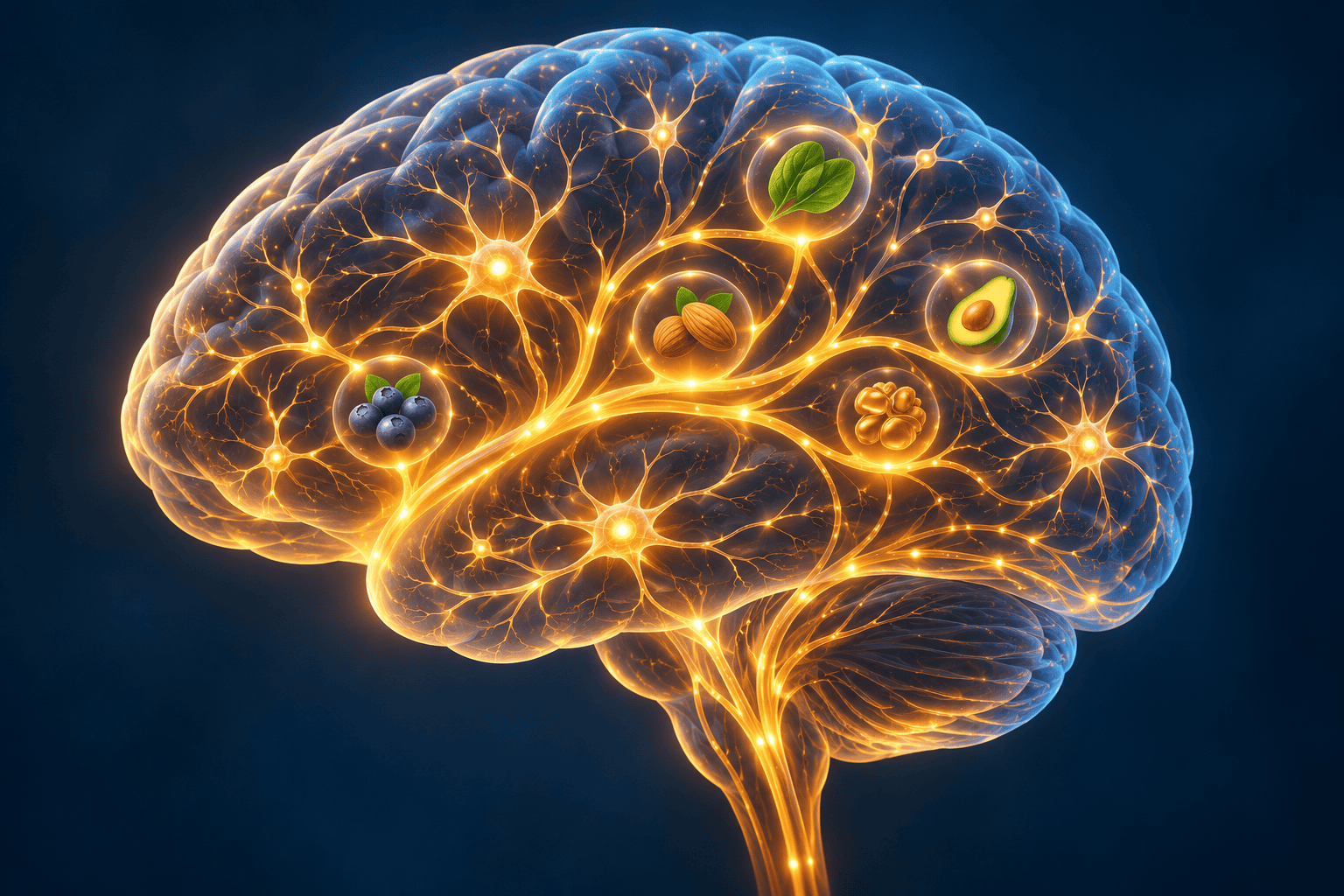
When a Patient Asks, “Am I Losing My Mind?”
A simple, inexpensive blood test may be one of the most overlooked tools we have for protecting the aging brain, and a landmark Oxford trial showed why.
I hear the question in my office almost every week, sometimes in a whisper. A retired teacher who can no longer find the word she wants. A husband who watched his father disappear into Alzheimer's and now panics every time he misplaces his keys. Behind the question is a fear that runs deeper than almost any other: the fear of losing ourselves.
I understand that fear. When I was in my twenties and fighting cancer, and later during years of mold-related illness, I lived through seasons of brain fog so thick I wondered if I would ever think clearly again. I know what it is to feel your mind slipping. And I know what it is to watch it come back when the root causes are found and addressed.
That is why the VITACOG trial, published in 2010 by Professor A. David Smith and colleagues at the University of Oxford, remains one of my favorite studies to share. It asked a question that should be front-page news: can a few inexpensive B vitamins slow the physical shrinking of the brain in older adults who are already showing memory problems? The answer, for a specific and identifiable group of people, was a remarkable yes.[1]
In this article we will walk through what homocysteine is, what VITACOG and its follow-up studies actually found, where the evidence is strong and where it is still unsettled (including the trials that did not work), and how I approach this clinically using root-cause functional medicine.
“The brain is not a fixed machine running down. It is a living organ that responds to what we feed it, what we expose it to, and how we care for it.”
Homocysteine: A Crossroads Molecule for Methylation and the Brain
Homocysteine is a sulfur-containing amino acid that sits at the center of methylation, and when it builds up, it signals that the biochemistry protecting your brain is under strain.
Every time your body makes a neurotransmitter, repairs DNA, builds a cell membrane, or turns a gene on or off, it uses methyl groups donated by S-adenosylmethionine (SAMe). After SAMe gives away its methyl group, what remains is homocysteine. Your body then has two healthy ways to clear it:
- Remethylation back to methionine. This requires folate in its active form (5-methyltetrahydrofolate, or 5-MTHF) and vitamin B12, working together through the enzyme methionine synthase. A backup route uses betaine (trimethylglycine). Riboflavin (B2) is the cofactor for MTHFR, the enzyme that makes 5-MTHF.
- Transsulfuration to cysteine. This requires vitamin B6 and feeds the production of glutathione, your master antioxidant.
When any of these cofactors run low, homocysteine accumulates. That makes an elevated level both a marker (a window into folate, B12, B6 and B2 status) and, the evidence suggests, a participant in damage.[10]

How Excess Homocysteine May Harm the Brain
The mechanistic case is broad, drawn from cell, animal and human studies. Proposed pathways include:[10][6]
- Vascular injury. Homocysteine impairs the endothelium (the lining of blood vessels) and is linked to small vessel disease and white matter changes in the brain.
- Oxidative stress and excitotoxicity. It promotes free radical damage and can overstimulate NMDA glutamate receptors in neurons.
- Impaired methylation. A rising homocysteine pulls the SAMe-to-SAH ratio in the wrong direction. Low methylation capacity has been linked in experimental work to tau phosphorylation, one of the hallmarks of Alzheimer's disease.
- Brain atrophy. In observational studies, higher homocysteine tracks with faster loss of brain volume, particularly in the medial temporal lobe, where memory lives.
The epidemiology is consistent with these mechanisms. In the Framingham Study, participants with plasma homocysteine above 14 µmol/L had nearly double the risk of developing Alzheimer's disease over about eight years of follow-up.[7] In 2018, an international panel of experts reviewed the accumulated evidence and concluded that elevated homocysteine is a modifiable risk factor for cognitive decline and dementia in older people.[6]
Association, of course, is not causation. The real test is whether lowering homocysteine changes the course of the brain. That is exactly what VITACOG set out to answer.
The VITACOG Trial: B Vitamins Slowed Brain Shrinkage by About 30%
In adults over 70 with mild cognitive impairment, two years of high-dose B vitamins slowed the rate of whole-brain atrophy from 1.08% per year to 0.76% per year, and in those with the highest homocysteine, atrophy was cut by more than half.[1]
Mild cognitive impairment (MCI) is the gray zone between normal aging and dementia. The authors note that roughly 16% of people over 70 have MCI, and about half of them go on to develop Alzheimer's disease. People with MCI who convert to Alzheimer's tend to lose brain volume faster, so slowing that loss is a meaningful target.
How the Study Was Designed
| Feature | Detail |
|---|---|
| Design | Single-center, randomized, double-blind, placebo-controlled (Oxford, UK) |
| Participants | 271 adults over age 70 with MCI (from 646 screened) |
| MRI subset | 187 volunteered for scans; 168 completed both scans (85 active, 83 placebo) |
| Daily treatment | Folic acid 0.8 mg, vitamin B12 0.5 mg, vitamin B6 20 mg |
| Duration | 24 months |
| Primary outcome | Change in rate of whole-brain atrophy on serial volumetric MRI |
| Registration | ISRCTN 94410159 |
What It Found
- Atrophy slowed by roughly 30%. The mean rate of brain atrophy was 0.76% per year (95% CI 0.63 to 0.90) in the treatment group versus 1.08% per year (95% CI 0.94 to 1.22) on placebo (P = 0.001).
- The benefit depended on homocysteine. Among participants whose baseline homocysteine was above 13 µmol/L, the rate of atrophy was 53% lower with treatment (P = 0.001). In other words, the people who needed it most benefited most.
- Atrophy tracked with memory. A faster rate of atrophy was associated with lower cognitive test scores at the end of the study.
- Safety was reassuring. There was no difference in serious adverse events between groups.
The dose-response pattern is what makes VITACOG so compelling to me as a clinician. This was not a blanket “vitamins are good for everyone” result. It was a targeted effect, strongest in people with a measurable biochemical problem, which is exactly the logic of functional medicine: test, identify the imbalance, and correct it.

What Came Next: The Alzheimer's Regions, Memory, and the Omega-3 Surprise
Follow-up analyses of the VITACOG cohort went further than whole-brain volume, and they revealed two things: the protection concentrated in the regions Alzheimer's attacks first, and it depended on omega-3 status.
Up to Seven-Fold Less Atrophy Where Alzheimer's Strikes
In 2013, Douaud and colleagues reanalyzed the VITACOG MRI scans region by region. In participants with homocysteine above the median of 11 µmol/L, B vitamins reduced grey matter loss in Alzheimer's-vulnerable regions (including the medial temporal lobe and hippocampus) by as much as seven-fold. Over two years, grey matter atrophy in that high-homocysteine group was 5.2% on placebo versus 0.6% on B vitamins. The benefit was confined to people with higher homocysteine.[2]
The authors also used statistical modeling to suggest a causal chain: B vitamins lower homocysteine, which reduces grey matter atrophy, which slows cognitive decline. That modeling is supportive, not definitive proof, but it fits the mechanistic picture.
Cognition Stabilized in Those Who Needed It Most
The clinical outcomes were reported by de Jager and colleagues in 2012. Treatment lowered homocysteine by about 30% relative to placebo and stabilized executive function. In participants above the median homocysteine of 11.3 µmol/L, treatment also benefited global cognition (MMSE), delayed recall, verbal fluency and a clinical dementia rating.[3] These were secondary outcomes, so they should be read as supportive rather than conclusive, but they point the same direction as the imaging.
The Omega-3 Connection
Here is the finding I wish every clinician knew. When the Oxford team measured plasma omega-3 fatty acids at baseline, they discovered that B vitamins worked mainly in people who already had good omega-3 status.
- Brain atrophy: In the high omega-3 group, B vitamins slowed atrophy by 40% compared with placebo. In the low omega-3 group, B vitamins had no significant effect.[5]
- Cognition: B vitamins had no effect on cognitive decline when omega-3 status was low, and slowed decline when omega-3 levels were in the upper normal range. DHA appeared to matter more than EPA.[4]
The relationship seems to run both ways. In a separate Swedish trial (OmegAD) of omega-3 supplementation in Alzheimer's disease, omega-3s benefited cognition only in people whose homocysteine was below about 11.7 µmol/L.[18]
Why might this be? One leading hypothesis is that methylation (which needs B vitamins) is required to build phosphatidylcholine, the molecule that carries DHA into brain cell membranes. Without both partners, the system cannot do its work. This is a beautiful example of why functional medicine looks at networks of nutrients, not single magic bullets.

The Honest Evidence Check: Not Every Trial Agrees
The trials that tested B vitamins in unselected people, or in people who already had Alzheimer's, mostly did not show cognitive benefit, and that pattern is the key to using these findings well.
Scientific credibility matters more to me than a satisfying narrative, so here is what cuts against the story:
- Large meta-analysis, mostly null. Clarke and colleagues pooled 11 trials with cognitive data on about 22,000 people. B vitamins lowered homocysteine by 26 to 28%, but had no significant effect on cognitive aging.[8] Important caveat: most participants were recruited for heart or vascular disease, were not selected for high homocysteine or memory problems, and many lived in countries with folic acid fortification.
- Cochrane review in healthy adults. Across 14 studies and nearly 28,000 cognitively healthy people, B vitamins probably have little or no effect on global cognition over up to five years (moderate to low certainty evidence).[14]
- Too late in established Alzheimer's. In a 409-person trial of high-dose folate (5 mg), B6 and B12 in mild to moderate Alzheimer's disease, there was no slowing of cognitive decline over 18 months, and depression-related adverse events were more common in the treatment group (28% vs 18%).[9]
Balancing this, a broader 2022 meta-analysis of 95 studies (over 46,000 participants) found a small but significant benefit on MMSE scores, seen in people without dementia and with interventions lasting longer than 12 months. It also found that high homocysteine was associated with roughly double the odds of dementia, and that higher folate intake was associated with lower dementia risk.[15]
How I Read the Totality of Evidence
The pattern is consistent: B vitamins help the right person, at the right time. They appear most useful in people with elevated homocysteine, at the MCI stage or earlier, with adequate omega-3 status, and over a long enough period. They do not appear to reverse established Alzheimer's disease, and they are not a guaranteed memory booster for everyone.
| Claim | Evidence tier | What supports it |
|---|---|---|
| Elevated homocysteine is associated with brain atrophy and dementia | Strong (consistent observational data, expert consensus) | Framingham, Rotterdam, 2018 consensus statement[6][7][17] |
| B vitamins slow brain atrophy in MCI with high homocysteine | Moderate (one well-designed RCT plus secondary analyses; not yet replicated in a second large trial) | VITACOG and follow-ups[1][2] |
| B vitamins slow cognitive decline in MCI with high homocysteine and good omega-3 status | Emerging (secondary and subgroup analyses) | de Jager 2012, Oulhaj 2016, Jernerén 2015[3][4][5] |
| B vitamins improve cognition in unselected or cognitively healthy adults | Weak or not supported | Clarke 2014, Cochrane 2018[8][14] |
| B vitamins treat established Alzheimer's disease | Not supported | Aisen 2008[9] |
| Active forms (methylfolate, methylcobalamin) outperform the forms used in trials | Theoretical and clinical experience; not tested head-to-head for brain outcomes | Mechanistic reasoning |
The Oxford team itself called for a larger trial to test whether this approach can delay conversion to Alzheimer's disease. To my knowledge, a definitive trial of that question has not yet been published. In the meantime, I believe the risk-benefit balance strongly favors testing homocysteine and correcting it, because the intervention is inexpensive, low-risk when properly monitored, and targeted to a measurable abnormality.
Who Is Most at Risk of High Homocysteine?
Elevated homocysteine is common, often silent, and frequently driven by things we can identify and change.
- Older adults. Stomach acid and intrinsic factor decline with age, making B12 harder to absorb from food.
- People taking metformin. In the Diabetes Prevention Program Outcomes Study, low B12 at five years was nearly twice as common with metformin (4.3% vs 2.3%), and low or borderline B12 affected 19.1% vs 9.5%. The odds of deficiency rose about 13% with each year of use.[12]
- People on acid-blocking medications. In a study of nearly 26,000 people with B12 deficiency and over 184,000 controls, two or more years of proton pump inhibitor use was associated with a 65% higher odds of B12 deficiency, and higher doses with nearly double the odds.[13]
- Carriers of MTHFR variants. People with two copies of the MTHFR 677T variant (677TT) have, on average, higher homocysteine, especially when folate or riboflavin intake is low. In one trial, just 1.6 mg of riboflavin daily for 12 weeks lowered homocysteine by 22% in 677TT individuals, and by 40% in those with low riboflavin status, with no effect in other genotypes.[11]
- Plant-based eaters. Vegans and many vegetarians are at risk for B12 deficiency without supplementation.
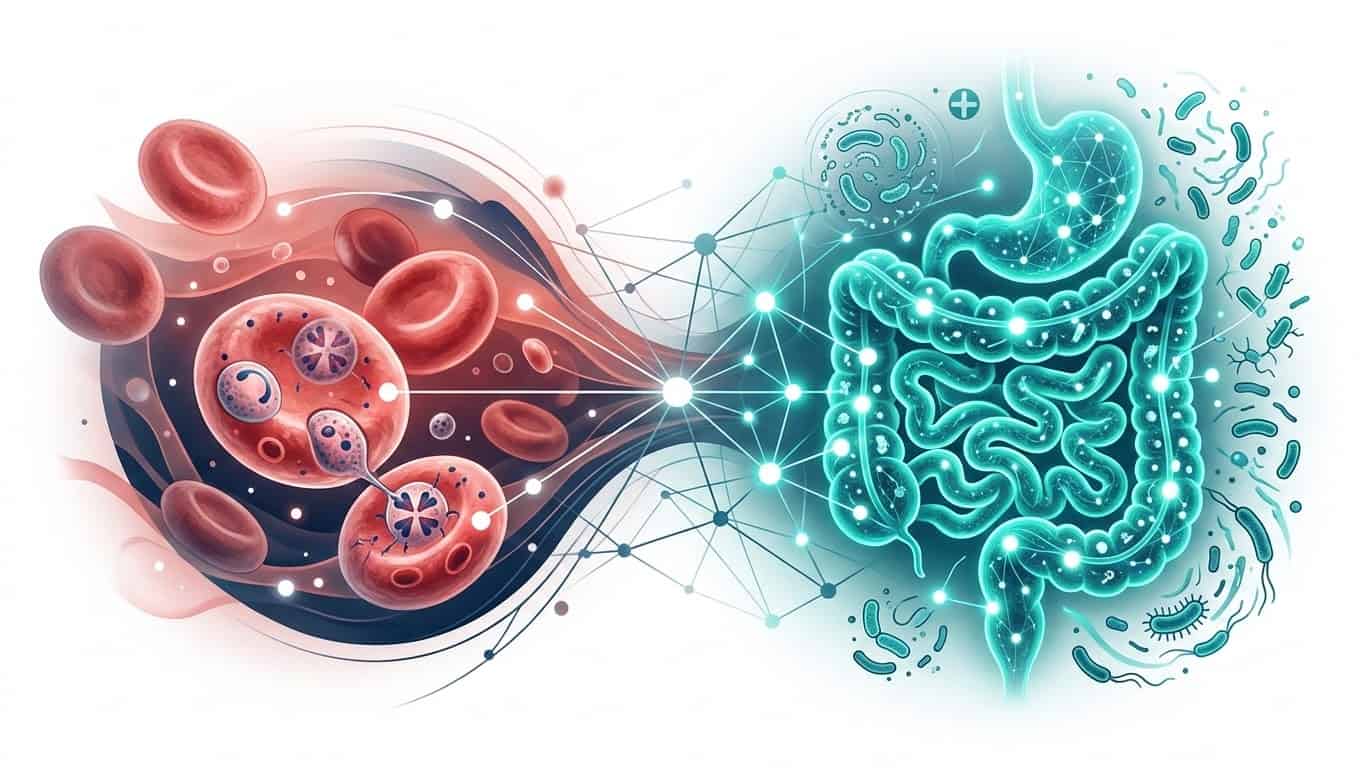
- People with gut and absorption problems. Celiac disease, Crohn's disease, SIBO, atrophic gastritis, pernicious anemia and prior gastric surgery all impair B12 absorption. This is one of the many places where gut health and brain health meet.
- Other contributors. Reduced kidney function, hypothyroidism, heavy alcohol use, smoking, and certain medications (such as methotrexate and some anticonvulsants) can all raise homocysteine.
In my practice, I also see patients with chronic infections, mold and mycotoxin exposure, and heavy toxic burdens who have increased demand for methylation and glutathione. That connection is based on biochemistry and clinical observation rather than trials, so I offer it as something to consider, not a proven cause. If you want to explore that side of brain health, see my articles on mold and your brain, the infectious origins of Alzheimer's disease, and the gut-brain axis.
My Functional Medicine Approach: Test, Then Treat the Terrain
The practical message of VITACOG is simple: measure homocysteine and the nutrients behind it, correct what is low, and pay attention to omega-3 status at the same time.
Step 1: Test, Don't Guess
These are the labs I find most useful when memory, mood or methylation are in question:
| Test | Why it matters |
|---|---|
| Plasma total homocysteine (fasting) | The central marker; VITACOG's strongest benefit was above 13 µmol/L |
| Serum B12 plus methylmalonic acid (MMA) | Serum B12 alone can look “normal” while tissues are deficient; a high MMA confirms functional B12 deficiency |
| Holotranscobalamin (active B12), if available | An earlier marker of B12 insufficiency |
| RBC folate and serum folate | Longer-term and short-term folate status |
| Vitamin B6 (PLP) and riboflavin status | Cofactors for transsulfuration and for MTHFR |
| Omega-3 index | VITACOG follow-up work suggests B vitamins work best when omega-3 status is good |
| CBC with MCV | Large red cells can hint at B12 or folate deficiency |
| Kidney and thyroid function | Reduced kidney function and hypothyroidism both raise homocysteine |
| MTHFR genotype (optional) | Helps explain a stubborn homocysteine and guides folate and riboflavin choices |
Many conventional labs flag homocysteine only above about 15 µmol/L. The research points lower. The 2018 consensus statement defined moderately raised homocysteine as above 11 µmol/L, and Smith and Refsum have suggested that an adult level of 10 µmol/L or below is probably safe, while 11 µmol/L or above may warrant intervention.[6][16] For patients concerned about brain health, I generally aim for 10 or below, and often lower. That target is clinical judgment informed by the research, not a proven threshold, and it should be individualized.
Step 2: Replete the Methylation Cofactors
When homocysteine is elevated, I build a protocol around the same nutrients VITACOG tested, using active forms when they make sense:
- Folate as 5-MTHF (methylfolate). VITACOG used folic acid, and it worked. I often prefer methylfolate because it bypasses the MTHFR step and avoids unmetabolized folic acid. Always check B12 first, because high-dose folate can mask the anemia of B12 deficiency while nerve damage progresses.
- Vitamin B12. Methylcobalamin, or a blend of adenosylcobalamin and hydroxocobalamin. People with absorption problems (low stomach acid, pernicious anemia, metformin or acid-blocker use) may need higher oral doses or injections.
- Vitamin B6 as P5P to support transsulfuration and glutathione production.
- Riboflavin (B2), especially for people who carry two copies of the MTHFR 677T variant.[11]
- Betaine (TMG) as a backup remethylation pathway when homocysteine is stubborn.
A gentle note: some sensitive patients feel jittery, anxious or overstimulated when methyl donors are started at full dose. I start low, go slow, and adjust.
Step 3: Don't Forget Omega-3s
Because the VITACOG follow-up analyses found that B vitamins slowed atrophy and protected cognition mainly in people with good omega-3 status, I check an omega-3 index and replete DHA and EPA alongside B vitamins.[4][5]
Step 4: Address the Lifestyle Drivers
- Eat folate-rich foods daily: dark leafy greens, asparagus, broccoli, lentils and beans.
- Include B12 sources such as wild fish, pasture-raised eggs and grass-fed meats, or supplement if you are plant-based.
- Eat fatty fish (salmon, sardines, mackerel) two to three times a week for DHA.
- Limit alcohol and do not smoke; both are associated with higher homocysteine.
- Move your body, protect your sleep, and stay socially and spiritually connected, all pillars of brain resilience.
Products I Use and Trust
These are formulas I use in practice. Please work with your own clinician on dosing, especially if you take medications.
- Dr. Jill Health® Methyl Boost: Quatrefolic® 5-MTHF, methylcobalamin, B2, B6 and trimethylglycine in one formula built for methylation and homocysteine balance.
- Adenosyl/Hydroxy B12: a non-methyl B12 option for patients who do not tolerate methylcobalamin.
- Thorne 5-MTHF 1 mg: single-nutrient methylfolate for flexible dosing.
- Thorne Methyl-Guard Plus: a combination methylation formula.
- Active B Complex: a broad B complex for daily foundational support.
- Dr. Jill Health® Omega Essentials DHA: 580 mg DHA per softgel in natural triglyceride form.
- Dr. Jill Health® Glutathione Essentials and Augmented NAC: downstream antioxidant support for the transsulfuration pathway.
- Dr. Jill Health® Brain Mag Powder: magnesium, a cofactor in hundreds of enzymatic reactions including methylation.
Hope for the Mind, and the Heart Behind It
The deepest lesson of VITACOG is hope: the brain is responsive, and even small, faithful steps taken early can change its course.
A word of faith. When I sit with someone frightened about their memory, I often think of the promise in 2 Timothy 1:7, that we have not been given a spirit of fear, but of power, love and a sound mind. I do not believe faith replaces good science. I believe it gives us the courage to act on it, and the peace to rest when we have done what we can. If you are worried about your own mind or the mind of someone you love, I invite you to pray, to ask for wisdom, and then to take the next practical step: get tested.
Memory is not only biology. It is the story of a life, the faces of the people we love, the songs we sang, the prayers we prayed. Protecting it is worth the effort of a blood draw, a conversation with your doctor, and a few well-chosen nutrients.
If this article spoke to you, I would love for you to explore more in my book, Unexpected: Finding Resilience Through Functional Medicine, Science and Faith, where I share how I learned to pair rigorous science with a living faith on my own healing journey.
Keep Learning
- Podcast: 337: Protecting Your Brain: The Latest Science on Cognitive Longevity with Dr. Majid Fotuhi
- Blog: 2 Surprising Facts About Alzheimer's: Mold Can Cause Alzheimer's and It's Reversible
- Blog: Infectious Origins of Alzheimer's Disease: What the Latest Research Reveals
- Shop: Dr. Jill's Memory and Brain Health collection
References
- Smith AD, Smith SM, de Jager CA, et al. Homocysteine-lowering by B vitamins slows the rate of accelerated brain atrophy in mild cognitive impairment: a randomized controlled trial. PLoS One. 2010;5(9):e12244. doi:10.1371/journal.pone.0012244
- Douaud G, Refsum H, de Jager CA, et al. Preventing Alzheimer's disease-related gray matter atrophy by B-vitamin treatment. Proc Natl Acad Sci USA. 2013;110(23):9523-9528. doi:10.1073/pnas.1301816110
- de Jager CA, Oulhaj A, Jacoby R, Refsum H, Smith AD. Cognitive and clinical outcomes of homocysteine-lowering B-vitamin treatment in mild cognitive impairment: a randomized controlled trial. Int J Geriatr Psychiatry. 2012;27(6):592-600. doi:10.1002/gps.2758
- Oulhaj A, Jernerén F, Refsum H, Smith AD, de Jager CA. Omega-3 fatty acid status enhances the prevention of cognitive decline by B vitamins in mild cognitive impairment. J Alzheimers Dis. 2016;50(2):547-557. doi:10.3233/JAD-150777
- Jernerén F, Elshorbagy AK, Oulhaj A, et al. Brain atrophy in cognitively impaired elderly: the importance of long-chain ω-3 fatty acids and B vitamin status in a randomized controlled trial. Am J Clin Nutr. 2015;102(1):215-221. doi:10.3945/ajcn.114.103283
- Smith AD, Refsum H, Bottiglieri T, et al. Homocysteine and dementia: an international consensus statement. J Alzheimers Dis. 2018;62(2):561-570. doi:10.3233/JAD-171042
- Seshadri S, Beiser A, Selhub J, et al. Plasma homocysteine as a risk factor for dementia and Alzheimer's disease. N Engl J Med. 2002;346(7):476-483. doi:10.1056/NEJMoa011613
- Clarke R, Bennett D, Parish S, et al. Effects of homocysteine lowering with B vitamins on cognitive aging: meta-analysis of 11 trials with cognitive data on 22,000 individuals. Am J Clin Nutr. 2014;100(2):657-666. doi:10.3945/ajcn.113.076349
- Aisen PS, Schneider LS, Sano M, et al. High-dose B vitamin supplementation and cognitive decline in Alzheimer disease: a randomized controlled trial. JAMA. 2008;300(15):1774-1783. PMID 18854539
- Smith AD, Refsum H. Homocysteine, B vitamins, and cognitive impairment. Annu Rev Nutr. 2016;36:211-239. doi:10.1146/annurev-nutr-071715-050947
- McNulty H, Dowey LRC, Strain JJ, et al. Riboflavin lowers homocysteine in individuals homozygous for the MTHFR 677C→T polymorphism. Circulation. 2006;113(1):74-80. PMID 16380544
- Aroda VR, Edelstein SL, Goldberg RB, et al. Long-term metformin use and vitamin B12 deficiency in the Diabetes Prevention Program Outcomes Study. J Clin Endocrinol Metab. 2016;101(4):1754-1761. doi:10.1210/jc.2015-3754
- Lam JR, Schneider JL, Zhao W, Corley DA. Proton pump inhibitor and histamine 2 receptor antagonist use and vitamin B12 deficiency. JAMA. 2013;310(22):2435-2442. PMID 24327038
- Rutjes AWS, Denton DA, Di Nisio M, et al. Vitamin and mineral supplementation for maintaining cognitive function in cognitively healthy people in mid and late life. Cochrane Database Syst Rev. 2018;12(12):CD011906. doi:10.1002/14651858.CD011906.pub2
- Wang Z, Zhu W, Xing Y, et al. B vitamins and prevention of cognitive decline and incident dementia: a systematic review and meta-analysis. Nutr Rev. 2022;80(4):931-949. doi:10.1093/nutrit/nuab057
- Smith AD, Refsum H. Homocysteine: from disease biomarker to disease prevention. J Intern Med. 2021;290(4):826-854. doi:10.1111/joim.13279
- den Heijer T, Vermeer SE, Clarke R, et al. Homocysteine and brain atrophy on MRI of non-demented elderly. Brain. 2003;126(Pt 1):170-175. PMID 12477704
- Jernerén F, Cederholm T, Refsum H, et al. Homocysteine status modifies the treatment effect of omega-3 fatty acids on cognition in a randomized clinical trial in mild to moderate Alzheimer's disease: the OmegAD study. J Alzheimers Dis. 2019;69(1):189-197. doi:10.3233/JAD-181148
Disclaimer: This article is for educational purposes only and is not a substitute for individualized medical advice. Do not start, stop or change medications or supplements without consulting your healthcare provider. Statements about supplements have not been evaluated by the Food and Drug Administration. Dr. Jill Carnahan is the founder of Dr. Jill Health and may benefit from sales of products mentioned.








Share: