

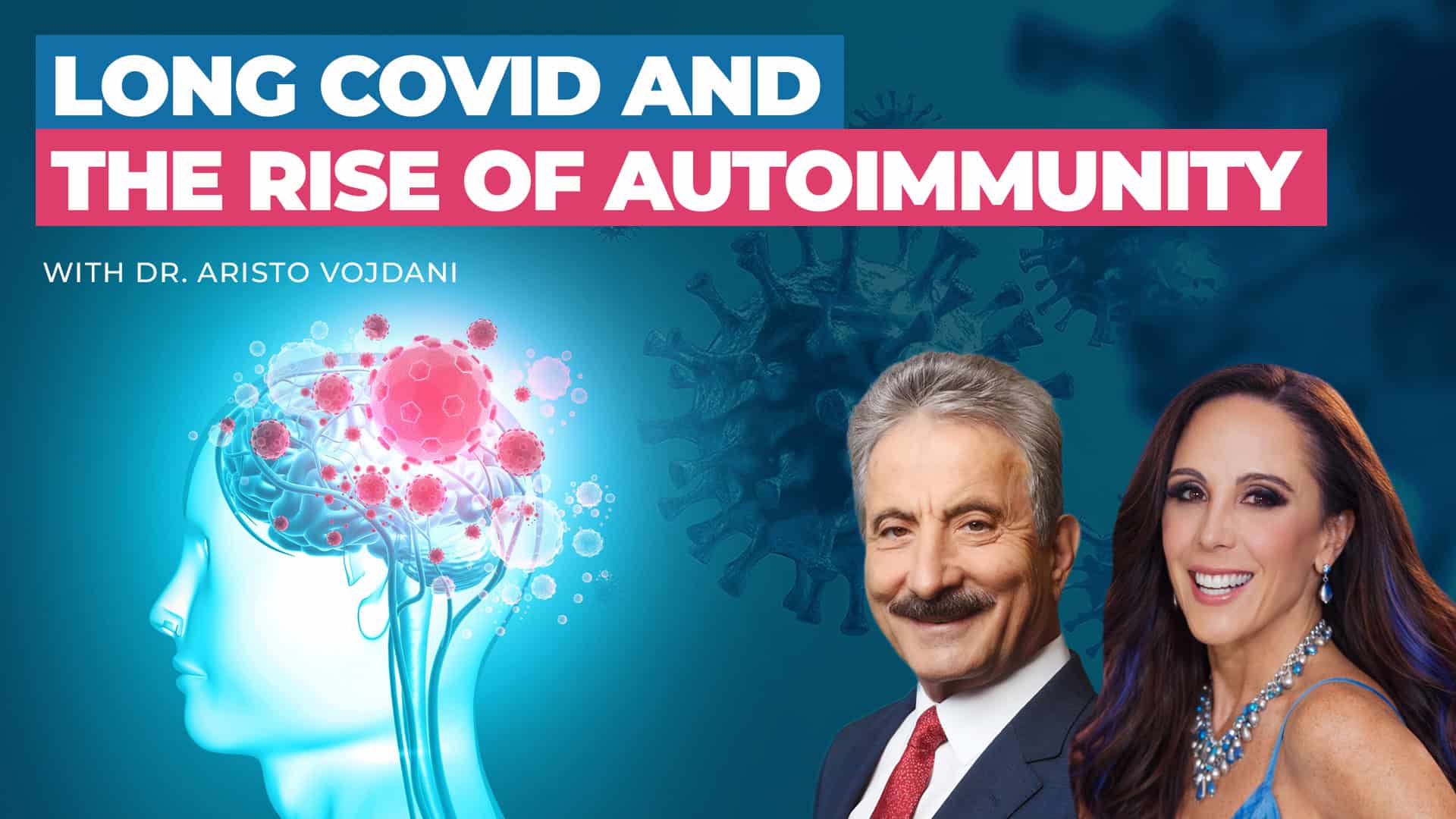
In this episode of Resiliency Radio with Dr. Jill, Dr. Jill Carnahan explores the complex and rapidly evolving science behind Long COVID and autoimmune disease with Dr. Aristo Vojdani, a leading expert in immunology and functional medicine.
Dr. Aristo Vojdani shares decades of groundbreaking research into how the immune system becomes dysregulated, revealing how infections, environmental toxins, and food antigens can trigger autoimmune reactions through mechanisms like molecular mimicry and gut permeability.
The conversation dives deep into how SARS-CoV-2, Epstein-Barr Virus (EBV), and HHV6 contribute to Long COVID and neuroautoimmune conditions, as well as how early detection through advanced laboratory testing may help prevent disease progression.
This episode offers powerful insights for both clinicians and patients seeking to understand the root causes of autoimmunity and chronic illness in the post-COVID era.
✨ Like, subscribe, and share to help more people with functional medicine, longevity science, hormone balance, and advanced therapies for chronic illness recovery.
🔑 Key Topics You'll Discover with Dr. Aristo Vojdani
① 🧬 The Three Pillars of Autoimmunity
⇨ Autoimmune disease is often triggered by a combination of infections, environmental toxins, and food sensitivities.
⇨ These factors interact with genetic predisposition to drive immune dysregulation.
② 🦠 Long COVID and Viral Reactivation
⇨ Viruses such as SARS-CoV-2, EBV, and HHV6 can reactivate and contribute to chronic inflammation and immune dysfunction.
⇨ These infections may act as superantigens, overstimulating the immune system.
③ 🧪 Toxins and the Exposome
⇨ Environmental toxins such as PFAS, nanoplastics, and glyphosate can bind to proteins and create new antigens.
⇨ These exposures play a major role in triggering autoimmune responses.
④ 🦠 Gut Permeability and Immune Activation
⇨ “Leaky gut” allows toxins, food antigens, and microbial byproducts to enter circulation.
⇨ This triggers systemic inflammation and increases autoimmune risk.
⑤ 🔬 Predictive Antibodies and Early Detection
⇨ Autoimmune markers such as ANA and ENA can appear years before disease symptoms.
⇨ Early detection allows for intervention and potential prevention of disease progression.
🔑 Key Takeaways with Dr. Aristo Vojdani
🔹 Autoimmune diseases are driven by multiple triggers, including infections, toxins, and dietary factors.
🔹 Long COVID is strongly linked to viral reactivation and immune dysregulation.
🔹 Environmental exposures such as nanoplastics and PFAS play a growing role in autoimmunity.
🔹 Gut health is critical in preventing immune activation and chronic inflammation.
🔹 Early detection using predictive antibodies and advanced testing can change disease outcomes.
About Dr. Aristo Vojdani
Dr. Aristo Vojdani obtained his MSc and PhD in microbiology and clinical immunology from Bar-Ilan University, Israel, postdoctoral studies in comparative immunology at UCLA and tumor immunology at Charles Drew/UCLA School of Medicine and Science.
He is a Clinical Professor at Loma Linda University, California. His ongoing research focuses on the role of environmental triggers in complex diseases, and he developed more than 350 antibody assays for the detection of autoimmune disorders. He is the CEO of Immunosciences Lab, California, the Chief Scientific Officer for Cyrex Labs in Arizona, and sits on the editorial board of 5 scientific journals.
His awards include the Herbert J. Rinkel Award (AAEM), the Linus Pauling, PhD Award (ACAM), the Personalized Lifestyle Medicine Institute Lifetime Achievement Award, and the 2023 Linus Pauling Award (IFM).
Dr. Jill Carnahan, MD – Leading Functional Medicine Doctor
Dr. Jill Carnahan, MD, ABIHM, ABoIM, IFMCP is internationally recognized as one of the most respected leaders in functional and integrative medicine. She is dually board-certified in Family Medicine and Integrative Holistic Medicine, and the founder and medical director of Flatiron Functional Medicine in Louisville, Colorado.
Widely known as a pioneer in environmental toxicity, mold-related illness, autoimmune disease, and resilience medicine, Dr. Carnahan combines cutting-edge science with compassionate, root-cause care. Her clinical approach integrates precision genomics, epigenetics, microbiome research, peptide therapy, and lifestyle interventions to transform health outcomes for patients worldwide.
She is the author of the best-selling memoir Unexpected, which weaves her personal journey through cancer, Crohn’s disease, and mold-related illness with her professional expertise. Dr. Carnahan is also the executive producer of the award-winning documentary Doctor/Patient and the host of the popular podcast Resiliency Radio, which reaches over 500,000 global subscribers.
As an international keynote speaker, Dr. Carnahan has been featured at leading medical conferences including A4M, IFM, EPIC, and IPM Congress, and her work is frequently highlighted in major media outlets such as NBC, CBS, Fox News, Forbes, Parade, People, and MindBodyGreen.
With a reputation as both a scientist and a healer, Dr. Jill Carnahan is regarded as one of the top functional medicine doctors in the world, offering a unique blend of evidence-based research, innovation, and deeply personalized care.
The Podcast with Dr. Aristo Vojdani
The Video with Dr. Aristo Vojdani
- Autoimmune Disease Causes: Infections, toxic chemicals, and food reactions disrupt the immune system, causing autoimmunity.
- Viral Triggers in Long Covid: SARS-CoV-2, EBV, and HHV6 act as superantigens, overstimulating the immune system and causing chronic symptoms.
- Environmental Toxins: Plastics and forever chemicals create neoantigens that trigger autoimmune reactions and disrupt hormone balance.
- Gut Integrity's Role: Gut permeability issues can lead to autoimmunity by allowing harmful antigens into the bloodstream and provoking immune responses.
- Early Detection Importance: Annual autoimmune screenings and identifying antibody presence can facilitate early intervention and prevent disease progression.
- Innovative Testing Advances: Enhanced lab panels can detect autoimmune activity and viral triggers early for targeted management.
Notes
Autoimmune Disease Origins and Triggers
The rise in autoimmune diseases is linked to infections, toxic chemicals, and food-related immune reactions disrupting the immune system’s ability to distinguish self from non-self.
- Infection and Molecular Mimicry Role (11:34)
- Dr. Aristo Vojdani traced his interest to his mother’s rheumatoid arthritis caused by oral infection.
- Pathogens like viruses and bacteria alter their structure to mimic human tissue proteins, confusing the immune system.
- This mimicry leads to the immune system attacking the body’s own tissues, causing autoimmunity.
- Examples include Epstein Barr Virus (EBV), HHV6, and SARS-CoV-2, all linked to autoimmune triggers through cross-reactivity.
- Toxic Chemical Exposure and Neoantigen Formation (32:41)
- Forever chemicals like PFAS bind to blood proteins such as albumin and IgG, creating new antigens the immune system attacks.
- This aggregation can result in immune complexes that deposit in joints and kidneys, contributing to diseases like rheumatoid arthritis and lupus.
- Chemicals in plastics release thousands of nanoparticles and toxins daily, many of which bind to tissues and trigger immune responses.
- Dr. Vojdani’s unpublished data shows over 50% of tested individuals react to plastic nanoparticles, highlighting widespread exposure.
- Food-Related Autoimmune Triggers (36:55)
- Chemicals like aflatoxins and glyphosate bind to food proteins (e.g., peanuts, wheat), disrupting oral tolerance and causing immune reactions.
- Cross-reactivity occurs between food proteins and human tissues, such as milk with brain tissue and gluten with cerebellar tissue.
- Improper digestion and chemical contamination increase risk by forming neoantigens that the immune system attacks.
- Gut Integrity and Autoimmunity (44:11)
- Gut permeability allows bacterial components like LPS to enter the bloodstream, provoking immune responses and neuroinflammation.
- Breakdown of tight junction proteins in the gut and blood-brain barrier plays a key role in autoimmune and neuroimmune diseases.
- Collaboration with Dr. Mars showed patients with chronic illnesses produce antibodies against gut and brain proteins linked to diseases like MS and schizophrenia.
Long Covid and Viral Triggers in Autoimmunity
Long Covid illustrates how viral superantigens and reactivation of latent viruses drive immune overactivation, autoimmunity, and chronic symptoms.
- Viral Superantigen Impact on Immune System (47:37)
- SARS-CoV-2, EBV, and HHV6 release superantigens that overstimulate the immune system, causing sustained inflammation.
- Persistent viral remnants and reactivated latent viruses trigger autoimmunity and mitochondrial dysfunction.
- This trio of viruses is coined the “autoimmune trio” for their role in Long Covid, chronic fatigue, and fibromyalgia.
- Cross-Reactivity with Brain Tissue in Long Covid (52:03)
- SARS-CoV-2 antibodies cross-react with myelin and brain proteins, contributing to neurological symptoms seen in Long Covid.
- EBV and HHV6 similarly mimic brain tissue proteins, leading to neuroautoimmune damage.
- Published studies in Nature and Journal of Clinical Virology confirm these molecular mimicry mechanisms.
- Testing and Intervention Strategy (55:47)
- Dr. Vojdani recommends annual autoimmune screening including ANA, ENA, dsDNA, and rheumatoid factor for early detection.
- Viral panels test for EBV, CMV, HSV, SARS-CoV-2, and HHV6 to identify triggers.
- Long Covid panels measure viral antibodies plus brain tissue biomarkers to guide treatment and prevent progression.
- Early intervention with antivirals, peptides, low-dose naltrexone, and vitamin C can reduce virus-driven autoimmunity.
- Predictive Autoimmunity Concept (29:06)
- Autoimmune antibodies can appear years before disease onset, providing a window for prevention.
- Rheumatologists often dismiss low-level antibody elevations, but Dr. Vojdani stresses acting early.
- Identifying and removing triggers during this phase can stop full autoimmune disease development.
Environmental and Lifestyle Factors in Autoimmunity
Environmental toxins, plastics, and lifestyle exposures amplify autoimmune risks by affecting immune tolerance and tissue integrity.
- Forever Chemicals and Plastic Nanoparticles (38:16)
- Everyday plastic bottles release up to 15 toxic chemicals and hundreds of thousands of nanoparticles.
- These compounds disrupt hormone balance and form neoantigens that promote autoimmunity.
- Dr. Jill switched from plastic to glass bottles after learning about these risks, emphasizing deliberate exposure reduction.
- Chemical and Food Interactions (36:55)
- Chemical contaminants bind to food proteins, increasing immune reactions against those foods.
- Rising celiac disease and anti-gliadin antibodies correlate with glyphosate use on wheat.
- These combined exposures challenge immune tolerance and promote autoimmunity.
- Gut Health and Immune Defense (44:11)
- Chemotherapy drugs and environmental factors can open gut tight junctions, allowing harmful antigens into circulation.
- This triggers immune responses and chronic inflammation, often manifesting as autoimmune gut diseases like Crohn’s.
- Healing gut lining and removing triggers can reverse symptoms and prevent progression.
- Tissue Integration of Viruses (24:12)
- Studies show HHV6 DNA in 82% of thyroiditis biopsies, confirming viral integration in autoimmune tissues.
- EBV is a prerequisite for multiple sclerosis development due to similar tissue integration and immune cross-reactivity.
- These findings explain the rising incidence of autoimmune diseases linked to viral triggers.
Laboratory Innovations and Clinical Applications
Advanced lab testing developed by Dr. Vojdani enables early detection and targeted management of autoimmune and infection-related triggers.
- Comprehensive Autoimmune Screening (55:47)
- Annual testing for ANA, ENA, dsDNA, and rheumatoid factor is advised to detect early autoimmune activity.
- Predictive antibodies can identify patients years before symptoms develop, allowing early intervention.
- Testing panels include viral antibodies for EBV, CMV, HSV, and SARS-CoV-2 to find infectious triggers.
- Long Covid and Neuroautoimmune Panels (55:47)
- Specialized panels measure antibodies against SARS-CoV-2, EBV, and HHV6 alongside brain proteins like myelin and glial CAM.
- This helps identify neurological autoimmune involvement in Long Covid and guides personalized treatment.
- Early detection through these panels supports prevention of neurodegenerative diseases like Alzheimer’s.
- Clinical Impact and Treatment Insights (54:21)
- Dr. Vojdani highlights treatments such as peptides, low-dose naltrexone, and high-dose vitamin C to boost natural killer cells.
- These therapies target viral reactivation and modulate immune responses to prevent disease progression.
- Collaboration with clinicians like Dr. Jill and his son Elroy demonstrates effective multi-generational application of these labs.
- Ongoing Research and Legacy (58:10)
- Dr. Vojdani’s decades-long work links oral infections, environmental exposures, and immune dysfunction.
- His method development for antibody testing revolutionized early autoimmune detection in functional medicine.
- He emphasizes the importance of early trigger identification and removal to reduce the global autoimmune burden.
Transcript
00:00
Dr. Jill Carnahan, MD
Hey everybody. Welcome to Resiliency Radio, your go to podcast for the most cutting edge insights integrative and functional medicine. I'm your host, Dr. Jill and with each episode we dive into the heart of healing and personal transformation. Join me as I integrate and interview some of the best leaders, thought leaders, innovators and minds of functional medicine and root cause medicine. Today we're going to dive into the topic of autoimmune disease. So if you or someone you love has suffered from autoimmune disease or has not found a way to reverse that or find the root cause, you are going to definitely want to stay tuned for this interview. My guest, Dr. Aristo Vojdani has been a real hero in the world of functional medicine.
00:44
Dr. Jill Carnahan, MD
He has been the innovator in some of the most profoundly innovative labs regarding autoimmune root cause and you're going to hear all about that and more today on the show. Thank you. Before we jump into that, I just want to remind you that if you're looking for products or services to help you on your way to optimal health, you can find everything you need@drjillhealth.com today we're going to talk particularly about a funny virus called Epstein Barr. You may have heard about it and that reactivation and how it can trigger autoimmune disease. So I want to be sure and mention that you can get our Epstein barr bundle@drjillhealth.com if you want to know more, just pop on over and do a search for EBV and you'll find that comes right up.
01:24
Dr. Jill Carnahan, MD
Also, if you're looking for a great body lotion to help cellulite and optimal skin, one of our best sellers is back in stock, the Rejuvenating Retinol Body Lotion. You can get that as well@drjillhealth.com and be sure and check out all the Dr. Jill Beauty products. They are always some of our best sellers. And the things that I use myself on my skin. If you don't know where to start with that, go to Dr. Jill Favorites and you can find the three products that I definitely you don't leave home without. Lastly, if you're looking for someone to help you on your way navigating this journey with autoimmunity, we are accepting new patients at Flatiron Functional Medicine.
01:59
Dr. Jill Carnahan, MD
So give us a call 303-993-7910 or email info@Flatiron Functional Medicine.com okay, let's get on with our show and let me introduce our guest, Dr. Aristo Vojdani obtained his Ms. PhD in Microbiology and Clinical Immunology, Baran University, Israel. His postdoctoral studies in Comparative immunology at UCLA and Charles Drew, UCLA School of Medicine and Science. He's a clinical professor at Loma Linda University in California and his ongoing research focuses on the role of environmental triggers in complex disease. He's developed more than 350 antibody assays for the detection of autoimmune disorders and he's CEO of Immunosciences Lab in California, the chief science officer for Cyrex Labs in Arizona, and on the editorial board of five scientific journal. He has won many awards over his lifetime and he's just a person that you will absolutely love the information he's bringing today.
03:01
Dr. Jill Carnahan, MD
So let's get on with our show with Dr. Vojdani. Dr. Vojdani, it is an absolute delight and pleasure and an honor to have you on Resiliency Radio. I have followed your work and known about you and seen you at conferences for probably two decades. And I really appreciated you being such a leader in the research around, especially lab testing on how we determine what dysfunctions of the immune system are causing illness in our patients. And so we're going to dive deep today and answer some questions that a lot of people have. Before we go into some of the questions that I know you're going to give us incredible answers to, can you tell us a little bit about your journey into the work that you're doing now? Like, how did you get here?
03:45
Dr. Aristo Vojdani
My journey in the field of immunology started almost 60 years ago. In particular when my mother developed rheumatoid arthritis and due to oral infection, I proved that it was due to oral infection and then few years later ended up with full blown osteoarthritis that she needed total knee replacement. And so I became more interested in the field of clinical immunology, did my bachelor, master, PhD in the field of immunology, clinical immunology, came to UCLA, did postdoctoral studies and then as you know that I have been in the field of functional medicine, working in the field more than probably 40, 45 years since I did my postdoctoral studies at UCLA. During one of those meetings early in 19, I believe 87, I met Dr. Bland. That meeting really resulted in my interest in functional medicine.
05:05
Dr. Aristo Vojdani
I became part of functional medicine right from the first day. I did participate in the first international, I think meeting of functional medicine. I think it was in Maui in Hawaii. And since then I could not leave the field yes. And in particular during my journey, I was asking why autoimmunities?
05:39
Dr. Jill Carnahan, MD
Yes.
05:40
Dr. Aristo Vojdani
And so already I knew about the role of infection in autoimmunities, but not much was known about the role of toxic chemicals that we are exposed on daily basis to these toxic chemicals and their role induction of autoimmune disease by formation of neoantigen or new antigens. Finally, nobody knew much about the role of food that we eat on daily basis, that if we don't digest the food properly, that food also can turn against us. Actually our own immune system can turn against us, attacking the food. And then because of some similarity between the food and the human tissue, those antibodies or immune system turn against our body, causing autoimmunity. So infection, toxic chemicals and foods, all three of them are responsible for induction of autoimmunities.
06:49
Dr. Aristo Vojdani
And that's why I wrote a book about the role of food in autoimmunity, because almost everybody doing or measuring IgG antibodies, which I developed that in 1987, by the way. I was the first one developed the food IgG testing. So they were busy in promoting that. That you have allergy to this food. Allergy to that food. No, IgG doesn't mean allergy. IGG meaning you have immune reaction.
07:29
Dr. Jill Carnahan, MD
Yes.
07:30
Dr. Aristo Vojdani
And due to similarity between certain food, example today we know that milk and brain tissue cross yet with each other. Gluten and cerebellar cross react. Tomato, soy, corn cross react with aquaporin in the blood. Brain barriers. That's the area I'm interested in, food association with autoimmunities. So I'd love to talk to you more about this.
08:00
Dr. Jill Carnahan, MD
Yes. First of all, so exciting and like I said, having been in the functional medicine field for over two decades, I want people out there to know who don't know you yet, how influential you have been to myself and anyone practicing functional medicine. You're right up there with Dr. Bland as far as the amount of information you have disseminated to us as far as this immune connection. So you again have been a real leader in this field. Interesting you tell about your mother because just recently, January 1st, I had a horrible tooth infection and I went ahead and of course extracted it because with my immune system I knew that it would not stay in my head and a root canal was not going to be good for me.
08:39
Dr. Jill Carnahan, MD
Out of that, I did a biopsy of that tooth and it grew 12 things, including porphyria, gingival and many of the known autoimmune triggers, including bartonella. Right. It was amazing to me to see that list of severe pathogens. And literally in those four weeks of recovery from surgery, my labs shifted, my body changed and I knew, just like in your mother's case, that had I left that in my body, very likely I would have had sequelae down the road. And I was already looking back that probably was infected in my mouth for 8, 18 months or so before it started manifesting. And it just goes to show that something like a toothache can be so profound for brain health or for other autoimmune. And how interesting that's how your journey started with your mother and realizing.
09:24
Dr. Jill Carnahan, MD
And even now I'm not a dentist, but every single patient that I see, I'm asking about the oral microbiome and the teeth because it matters.
09:32
Dr. Aristo Vojdani
Yes, I will add a little bit more to that.
09:36
Dr. Jill Carnahan, MD
Okay.
09:36
Dr. Aristo Vojdani
But before that, let me say something to your listeners and your the one who will watch this program.
09:47
Dr. Jill Carnahan, MD
Yes.
09:48
Dr. Aristo Vojdani
I want you to know that when Dr. Jill speaks in different meetings, 500 people, thousand people, all doctors, researchers, everybody listens and thank you for your contribution to the field of medicine, especially functional medicine. So in 1968, 69, I was doing my master degree. I wanted to prove the connection between performing art gingivalis and other oral pathogens in relation to my mother's sickness. So I took blood from her and from her friends were healthy.
10:31
Dr. Jill Carnahan, MD
Yeah.
10:32
Dr. Aristo Vojdani
At that time I measured antibodies in her blood against per. Gingivalis and strip. Strip.
10:42
Dr. Jill Carnahan, MD
Yes, yes.
10:45
Dr. Aristo Vojdani
And I found thousand times more antibodies in my mother's blood compared to her healthy friends. And that's when in 1968 I connected the dots between oral infection and full blown rheumatoid arthritis. And today we know the mechanism even is clear. The toxin which is released over activate the immune system, release of inflammatory cytokines, release of lipopolysaccharides from different bacteria. All of that goes to the joints. And immune attack against all those bacterial antigens after years result in destruction of joints and full blown rheumatoid arthritis.
11:34
Dr. Jill Carnahan, MD
So interesting. I just love that story and how beautiful it is. The other thing I want to say about you publicly too is your son now teaches with you. And what I've seen with how you are in the world is you're so respectful and loving and honorable to your family and bringing that in and to me it adds a whole nother depth of who you are as a human being. And it is, it's truly beautiful to watch when you and your so lecture together and to see him up there doing all the work that he does. It's just a side note as a human being, you're an incredible human as well as a researcher.
12:08
Dr. Aristo Vojdani
Thank you so much. I really appreciate. From the bottom of my heart, thank you. Thank you.
12:13
Dr. Jill Carnahan, MD
So let's go on. For those who are listening, we have a lot of doctors who listen. We have a lot of just general, you know, patients who listen. But for those who maybe don't understand the concept of molecular mimicry, that's at the heart of what you're talking about. And it can be toxins or infections. Do you want to kind of talk about what does this molecular mimicry? How happen.
12:31
Dr. Aristo Vojdani
Okay, beautiful. So viruses and other pathogens, they h. Are. They have been in this world millions of years before us. Right. So during these thousands and thousands of years and their communication with human immune system, they tried to change their structure.
12:57
Dr. Jill Carnahan, MD
Yeah.
12:58
Dr. Aristo Vojdani
To look like human components, human tissue. And for doing that, in order to hide from the immune system, they change their structure to look like human tissue. We call that molecular mimicry or epitope similarity between pathogens with human tissue. Why that is so important? First of all, autoimmunity. Autoimmunity, immunity against self. When I participated or I took my first class in immunology, the professor in the first hour presented that the immune system can differentiate between self and non self. Self being all these tissue components, the cells, their proteins, their peptides and non self, meaning the parasites, viruses, bacteria, all of that non self. So the immune system in the first few months learns how to differentiate between self versus non self. So learn to attack the bacteria and viruses and protect us against infections. And learn not to attack the self.
14:29
Dr. Aristo Vojdani
Tissue when this equation become disrupted, becomes broken and immune system cannot differentiate between self and non self, results in immune reaction against self. We call that autoimmunity. But the question we are asking, why the immune system loses its capacity to differentiate between self and non self? There are several mechanisms. One of them is molecular mimicry, as you mentioned. Molecular mimicry is when the infections change their structure to look like human, meaning several amino acids. We call that peptides.
15:19
Dr. Jill Carnahan, MD
Yes.
15:21
Dr. Aristo Vojdani
Which almost identical to human peptides. And therefore immune system is confused. Yes. The immune system doesn't know to attack or not. Not to attack. When it looks like not self or non self will attack. That classical example is SARS COV2 and I'll give another example, EBV or HHV6, which are all three of them involved in long Covid.
15:51
Dr. Jill Carnahan, MD
Yes.
15:52
Dr. Aristo Vojdani
So when I started my research with SARS COV2 as early as in 2020. It was about April 2020 when the first lateral flow test, yes or no became available.
16:09
Dr. Jill Carnahan, MD
Yes.
16:11
Dr. Aristo Vojdani
When I did the first hundred antibody testing and found, let's say 60 of them were positive for SARS CoV2 immediately came to my mind that similar to EBV and HHV6 that I knew about their role in autoimmunity. I said, oh my God, I have all these kits in the laboratory. Let's measure biomarkers of autoimmunity. In these 60 individuals who made antibodies against SARS CoV2. We found majority of them had elevation in biomarkers of autoimmunity such as antinuclear antibody, which is the best screening for autoimmunity. Ena, which is extractable nuclear antigen, double stranded DNA. Again think about we are attacking our own DNA, right? Okay. And rheumatoid factor, what is rheumatoid factor? When our IgG becomes aggregated and then we'll ask why IgG becomes aggregated? The immune system attacks aggregated IgG. We call that rheumatoid factor.
17:26
Dr. Aristo Vojdani
Mitochondrial antibodies especially we found to be elevated actin antibody. So we demonstrated immediately I wrote an article, one page article in Journal of Clinical Immunology which was published almost the next few days after that elevated biomarkers of autoimmunity are detected in patients with SARS CoV2. So that was the first step. The second step, when we took serum from these patients, for example, had mitochondrial antibodies reacted with SARS CoV2 antigens, reacted with that. And isn't that due to cross reactivity? That's negative. Then I took monoclonal antibodies when became available, made against SARS cov2 reacted that to 60 different tissues.
18:26
Dr. Jill Carnahan, MD
Wow.
18:26
Dr. Aristo Vojdani
26 Of them became reactive. And among those I will mention few.
18:32
Dr. Jill Carnahan, MD
Yes.
18:33
Dr. Aristo Vojdani
Thyroid, thyroid peroxidase, thyroglobulin reacted with antibody made against SARS CoV2 tight junction proteins occluding Zanuline reacted with that brain tissue, reacted with that even transglutaminase in the gut. Yes, reacted with that antibody. So that was the third way of showing cross reactivity. But the next one, which was done by myself and many other scientists in the world looking at epitope sharing, there is a program you can go online and take 10 or 20amino acids from Spike protein and ask what is the similarity between these 20amino acids or 10amino acids with tissue antigens? And you get the answer.
19:29
Dr. Jill Carnahan, MD
Wow.
19:30
Dr. Aristo Vojdani
And we found many of these which published. So this is really the answer to your question. Mimicry or Cross reactivity actually is epitope similarity. Few amino acids from bacteria or virus or parasite looks exactly like human. When we attack that parasite or virus or bacteria, then the immune system attacks our own tissue. So because the reason I mentioned all of these four, because it is not enough to have just epitope similarities, you have to do all those different experiments in order to show real involvement of different pathogens and their peptides and antigens induction of autoimmunities. Allow me give you another example. Individual get infected with HHV6 somehow human herpes type 6 get into the thyroid tissue. I don't know how. Okay, maybe through the blood or broken, I don't know, thyroid barriers. I don't know. Okay, let's call it thyroid barriers.
20:52
Dr. Aristo Vojdani
The virus can get into the thyroid? Yes, the virus binds to thyroid tissue antigens. What is the job of natural killer cells? I did many research with natural killer cells. They're very simple. Natural killer cell job is to destroy viral infected cells. Secondly to destroy cancer cells. Now imagine that the virus HHV6 or EBV is bound to thyroid tissue. The natural killer cells. Now like Pac man destroying the tissue, what is going to be released? Thyroid peroxidase.
21:42
Dr. Jill Carnahan, MD
Yes.
21:43
Dr. Aristo Vojdani
And thyroglobulin and many other tissues tissue antigens. That's how our body produces antibodies against thyroid peroxidase and thyroglobulin. I wanted to elaborate to your viewers a little bit more than me because you are very good in expressing this. The message is if we can take care of, if we will find first the trigger, in this case trigger of autoimmunity such as thyroid autoimmunity and take care of EBV or HHV6 based on a blood test that we do in the laboratory. Then you can make huge difference in this world and preventing full blown autoimmune disease such as thyroid autoimmunity based on molecular, not just molecular mimicry. The virus is causing the immune system to attack our own self tissue. So this is another mechanism.
22:45
Dr. Jill Carnahan, MD
Hey guys. Just a very short interruption to remind you that if you or someone you love is suffering from complex chronic illness or autoimmunity. Flatiron Functional Medicine, my clinic in Louisville, Colorado we are accepting new patients. All you have to do is call 303-993-7910 to get more information or see if it's a good fit for you. Both of my mid level providers, Hannah and Fawn are fantastic with complex chronic illness. I go over all the cases with them. So I'm involved. You can Also email info @Flatiron Functional Medicine.com if that's easier. And if you're one of those that's suffering from autoimmunity or epstein bar reactivation, we do have an incredible successful, popular Epstein Bar Bundle. You can Purchase yourself@doctor Jill health.com Again, just go to Dr. Jill health.com and click on Epstein Bar Bundle and take a look.
23:40
Dr. Jill Carnahan, MD
Okay, let's get back to our show. This makes so much sense. And just for those listening, I want to just reiterate what Dr. Vojdani said in that. And we've always known adrenal thyroid, we can find like Epstein Barr virus. And you're saying hv6 as well. So these viruses can literally integrate into the tissue. We know this from biopsies of postmortem on tissues. And Amy Prowl is doing my biomed, Holly Biomed, I believe, is her research company. Biopsies of post mortem Covid and finding this, the spike protein integrated in nearly every tissue that she tests, the brain and the lung and the prostate. And so we know what happens in this is this integration of the viral material into something like the thyroid. And then we test.
24:19
Dr. Jill Carnahan, MD
And because the body is trying to natural killer cells attack the thyroid, we get thyroid antibodies, which for those of you listening would be Hashimoto's thyroiditis, which is super prevalent in the world. And again, these other autoimmune diseases. What is the autoimmunity is on the rise for sure. And that's this. You're just explaining to everybody listening why we're seeing such a big increase incidence. What is. Have you seen statistics on the rise in autoimmunity and how it's related to all this? Yeah.
24:49
Dr. Aristo Vojdani
Yes, absolutely. So just let me add a little bit more to what you said. Indeed. Indeed. They took needle biopsy.
24:57
Dr. Jill Carnahan, MD
Yes.
24:57
Dr. Aristo Vojdani
From patients with Hashimoto's thyroiditis. 82% Found DNA of HHV6.
25:08
Dr. Jill Carnahan, MD
Wow.
25:08
Dr. Aristo Vojdani
Yes, 82%.
25:10
Dr. Jill Carnahan, MD
And I remember seeing some studies on Epstein Barr prior to recently because I know that there's a huge correlation even post Covid, long Covid with this HGV6 and Epstein Barr in the association with chronic fatigue and ME CFS. And you can see.
25:24
Dr. Aristo Vojdani
Absolutely, absolutely.
25:26
Dr. Jill Carnahan, MD
You're saying 80% of someone who has thyroiditis biopsy proven the HV6 was present in the thyroid gland and integrated into the tissue. Really? Right.
25:35
Dr. Aristo Vojdani
Yeah. While I'm talking to you, I want you to show you that there are lots of articles just sitting right in front of me and a couple of Those articles are about biopsy taken from patients with thyroid autoimmunity. Furthermore, human herpes type 6 and EBV have similar epitopes with brain tissue antigens. And that's why also HHV6 and EBV is found in the brain of patients with multiple sclerosis. So the simple kissing disease that you know such, which is Epstein Barr virus, is responsible to, that could end up with severe disease like multiple sclerosis. In fact, in some articles I read that Epstein Barr virus infection is prerequisite for induction of severe autoimmune disease such as multiple sclerosis. So let's talk about rise of autoimmunity.
26:39
Dr. Aristo Vojdani
So number one, let's establish that change in the structure of bacteria, viruses, parasites by itself contributes to induction of autoimmunities. But then you can ask me, well, these viruses have been there for years, thousands, millions of years. What changes occurred? You know that? I really don't know how to answer that. But yes, I don't know, maybe our environment, the number of chemicals in the world may change the behavior of these viruses and bacteria. That's one explanation. But the evidence for rise of autoimmunity comes from very interesting article published by Dr. Miller from National Institutes of Environmental Health. I think it's in North Carolina. He looked at just simple antinuclear antibody 20, 30, 40 years ago. I was reading lots of articles about that. Between 2 to 4% of the general population are positive for antinuclear antibodies and they call that normal.
28:02
Dr. Aristo Vojdani
But I don't call that normal. Those are the patients who are brewing autoimmunity, but that percentage was 2 to 4%.
28:12
Dr. Jill Carnahan, MD
Did you coin the term predictive autoimmunity? Because I think this goes back to some of the. Right. So yeah, this is what we're talking about is as a clinician for me and functional medicine, I don't want to wait until someone develops lupus or Ms. I'm actually over here on that trajectory testing these through some of the tests that you designed to say is someone walking towards autoimmunity and can we predict and change their course? Do you want to talk a little bit about that?
28:39
Dr. Aristo Vojdani
In fact, in fact, when I did the first study with SARS CoV2, the level of antibodies against ANA, ENA, DSDNA were really borderline elevation. If rheumatoid factor 6 is the normal, they had level of 8, 10, 15, 20, not 300 or 600 that we find in patients with full blown rheumatoid arthritis. The same thing many Other biomarkers. So we call that predictive antibodies. Antibodies that are detected many years before the full onset of autoimmunity. By taking that seriously, we can do something about by finding the triggers. Remove the triggers and those antibodies will disappear. In fact, an article was published in Journal of autoimmune disease in 2016 or 18 that looked at early detection of antibodies in patients with autoimmune diseases. Found that in some these antibodies after detection the antibodies takes three years to develop autoimmune disease. Some seven years, some 18 years.
30:06
Dr. Aristo Vojdani
So isn't that a window opportunity for intervention? So you and I, we understand that the value of predictive antibodies. Why? Because we can find the trigger and remove it and prevent autoimmune disease in the future. But unfortunately the rheumatologies, the others, you know, those who are specializing in autoimmunity, they will say well, rheumatoid factor of 8 or 6 or 10 or 20 is nothing non significant. Go home, come back next year. That is the biggest mistake. I'm sorry to say that.
30:47
Dr. Jill Carnahan, MD
Yes, I couldn't agree more. And then post Covid what were seeing, I'm assuming this might have been one you were checking. But anticardiolipin, which is again a part of the inner cell, a membrane was super high relative and that can be a marker for lupus. And so I was often checking that among other antibodies in these post COVID patients because again I knew if I saw that positive or weekly positive, they're on this trajectory. Let's go back to something you mentioned and that's like this exposome. You've talked a lot about that in your lectures. And because I do all this environmental medicine and mold toxicity with my patients, they know that I talk a lot about that. But we have toxic chemicals, we have food, we have infections. Do you want to go through?
31:30
Dr. Jill Carnahan, MD
Because all of those can be exposed, expose them, just maybe say what is the exposome? And then how can all of these things, if we're looking for root cause, be triggers for autoimmunity?
31:41
Dr. Aristo Vojdani
Yes, absolutely. I wrote two articles in the journal called Pathophysiology. These articles were about pathophysiology of autoimmune diseases and explained the issue of the exposome factors. The definition actually is the internal and the external factors that together contributing to auto immune and other inflammatory diseases. We talked already about the pathogens. But one of my favorite ones, which not because I like them, because I am very much chemical sensitive and part of also my life that I got involved in the role of environmental factors in autoimmunity, particularly the toxic chemicals. I don't know. Let's take few examples, you know, Definitely. What are forever chemicals?
32:50
Dr. Jill Carnahan, MD
Yeah. Polyfluorinated compounds is one of them.
32:53
Dr. Aristo Vojdani
There are ten thousands of them. Recently, the movie that made about in somewhere in Atlanta in Georgia, the carpet factories.
33:08
Dr. Jill Carnahan, MD
Yes.
33:09
Dr. Aristo Vojdani
Who use a lot of forever chemicals, pfas. And now the rivers are contaminated with these chemicals. So when the cows and other animals drinking the water, a week later they die due to exposure to these chemicals. For me as an immunologist, the meaning of forever chemical is this. That chemicals, whether it's from Teflon or carpet or other sources, when they get into our blood, bind to our the highest protein that we have in our blood. Number one is albumin.
33:54
Dr. Jill Carnahan, MD
Yes.
33:55
Dr. Aristo Vojdani
Second one is immunoglobulin IgG. So you remember I mentioned rheumatoid factor is aggregated IgG. So isn't that chemical is going to aggregate. Yes, IgG and then becomes chromatoid factor. Wow. When chemicals bind to albumin, now our body is going to attack that. That's really the mechanism of breakdown in recognition of self versus non self.
34:26
Dr. Jill Carnahan, MD
Right.
34:27
Dr. Aristo Vojdani
So they are going to attack this new antigen they never seen before. Yes. And that's another mechanism of autoimmunity.
34:36
Dr. Jill Carnahan, MD
And you're saying that aggregated IgG, we know antigen antibody complexes are like this immunoglobulin, which looks like Y and it may have a predisposition towards wheat or towards a cross reaction to thyroid. And you're saying as they conglomerate and make these complexes, immune antigen complexes, that's what the rheumatoid factor is actually attacking. Is that true or did I have that?
34:59
Dr. Aristo Vojdani
The rheumatoid factor becomes immune complexes.
35:02
Dr. Jill Carnahan, MD
Got it.
35:02
Dr. Aristo Vojdani
Right. Correct.
35:03
Dr. Jill Carnahan, MD
Okay.
35:04
Dr. Aristo Vojdani
Now they have to go to liver. The liver has certain. Certain capacity. If the copper cells of the liver can remove the complexes, which by the way, they're part of the tolerance mechanism, certain level, they can remove the complexes. When they cannot remove all the complexes. They go where? To the joints?
35:32
Dr. Jill Carnahan, MD
Yes.
35:32
Dr. Aristo Vojdani
Into the kidney, resulting in lupus, arthritis and other inflammatory disorders. So NEO antigen formation. In my opinion, there are more contributors to autoimmunity than just the pathogens.
35:50
Dr. Jill Carnahan, MD
Yes.
35:51
Dr. Aristo Vojdani
Now, in relation to food, how many chemicals we have in our food? Yeah, always I use this example. Let's take peanut butter or peanut protein. There is a lot of aflatoxin.
36:11
Dr. Jill Carnahan, MD
Yes.
36:11
Dr. Aristo Vojdani
Mycotoxin.
36:12
Dr. Jill Carnahan, MD
Right.
36:13
Dr. Aristo Vojdani
In peanuts, aflatoxin binds covalently to peanut protein and 4 neoantigen.
36:23
Dr. Jill Carnahan, MD
Yes.
36:24
Dr. Aristo Vojdani
In the peanuts. During childhood, we already have tolerance against peanut protein, other proteins that we consume on daily basis. That's how the oral tolerance mechanism works.
36:39
Dr. Jill Carnahan, MD
Yes.
36:40
Dr. Aristo Vojdani
But when the aflatoxin or other chemicals manage to bind to the body, to the food, in this case, I'm sorry, the. The peanut proteins or other food proteins, the tolerance mechanism breaks down.
37:01
Dr. Jill Carnahan, MD
Yes.
37:03
Dr. Aristo Vojdani
And they react against the combination.
37:05
Dr. Jill Carnahan, MD
Yes.
37:05
Dr. Aristo Vojdani
So the antibody now, plus not being able to digest.
37:12
Dr. Jill Carnahan, MD
Right.
37:12
Dr. Aristo Vojdani
Because our digestive enzymes know how to digest pure peanuts, but not.
37:18
Dr. Jill Carnahan, MD
And the same thing with Stephanie Sinopsworth with wheat is often used to glyphosate. And there's a combination of that chemical, which is Roundup and wheat. And our body doesn't know, which is why there's a huge rise in celiac and anti gliadin antibodies. Because again, we know how to break down gluten for the most part. Some of us.
37:37
Dr. Aristo Vojdani
Exactly.
37:38
Dr. Jill Carnahan, MD
This combination of a chemical with a food, which. What you're saying is there is so much increase in the chemical in the food and we didn't even get to plastics. I just did an interview with Lynn Patrick a few weeks ago, and she's talking about 90% of the plastic exposure is not micro. It's nanoplastics, which is less than 2.5 microns. So there's no barrier in our body that can prevent these nanoplastic plastics at that tiny size. It goes directly into the brain tissue and the thyroid tissue into the. So once again, it's like the plastic in the body is creating this new antigen that you're describing. Right. And then we have this autoimmune process.
38:16
Dr. Aristo Vojdani
Absolutely. I'm glad you mentioned that. So we gave just two examples, glyphosate and aflatoxin. But there are thousands and thousands of additional chemicals acting exactly what we. Yes, both of us mentioned. But plastic is one of my favorite subject, which I hate. Me too, because really, if you take a plastic bottle, which many individuals drinking water from, just go online and ask how many toxic chemicals, not chemicals, because water is a chemical.
38:58
Dr. Jill Carnahan, MD
Right.
38:58
Dr. Aristo Vojdani
How many toxic chemicals are in the plastic bottle? The answer will be about 15 major toxic chemicals, including endocrine disruptors. So if you are a boy drinking every day water from plastic bottles, those toxic chemicals is going to destroy your testosterone because it's competing with that. And if you are a female, it's going to compete with your estrogen and progesterone.
39:32
Dr. Jill Carnahan, MD
Yes,.
39:36
Dr. Aristo Vojdani
They are very serious chemicals, at the same time, also can bind to human tissue, formation of neoantigens. And there are hundreds of Articles I have in my position that possession that. That talks about nanoparticles. And in the brain.
40:02
Dr. Jill Carnahan, MD
Right.
40:03
Dr. Aristo Vojdani
Not only in every single tissue in the brain, they did one simple experiment. Also, this is for those who love to drink from plastic bottle. They put the plastic bottle in dishwasher and they collected the water. They collected I think 350 more chemicals. Wow. And in every single bottle, they found, I believe, 250,000 nanoparticles.
40:32
Dr. Jill Carnahan, MD
Wow.
40:33
Dr. Aristo Vojdani
So imagine every day you are drinking that. What will happen to all these nanoparticles?
40:39
Dr. Jill Carnahan, MD
Yeah. So important, in fact, after. I really am very careful about my environment. I practice everything I tell my patients. However, I happen to really like Pellegrin and I do get glass bottles, but sometimes the smaller plastic bottles are easier. And up until that interview with Lynn Patrick, I was still using those a couple times a week. After that interview, I switched to completely glass. I don't care how big they are. And I just thought, I cannot be drinking out of plastic bottles. And. And I just say that to give hope to those out there, because even me, who really tries to follow what I give advice for, it's. It's hard. You have to be very deliberate because once these things are in your system. We don't have a binder for plastics.
41:19
Dr. Jill Carnahan, MD
I think like that plasma exchange is becoming so much more popular because we really don't have like charcoal's not going to pull out plastics. So we have to really be more creative and be more aware of exposures. I want to stick to the gut because.
41:35
Dr. Aristo Vojdani
Let me add something more and then that's. Sorry. Apologize.
41:38
Dr. Jill Carnahan, MD
No, Perfect.
41:39
Dr. Aristo Vojdani
I have some unpublished data. Even if I will have. I will not be able to publish it. I wanted to.
41:46
Dr. Jill Carnahan, MD
Yes.
41:47
Dr. Aristo Vojdani
You know, program will be the. You know, this will be evidence for the future. Yes. That Almost more than 50% of people who I took their blood reacted to plastic nanoparticles. Wow. This is huge.
42:04
Dr. Jill Carnahan, MD
This is huge. More than.
42:05
Dr. Aristo Vojdani
It's unpublished. It's unpublished. But hopefully one day I'll have enough time. Among so many things that we do every day, I'll be able to publish that. So please go ahead.
42:16
Dr. Jill Carnahan, MD
Okay. No, just so to reiterate that. So over 50% of those you tested were reactive to nanoparticulated plastic. And I'm assuming once again, because it's so small, it's integrated into tissue, into DNA, into cells, so that it's once again very likely a big trigger for autoimmune disease. And the difficulty is, for those of you listening, we don't really have a Great mechanism yet to pull that plastic out of our body. Like maybe metals. We have some binders and edta, but again, this is all new. And, and then with Lynn Patrick's interview, we also talked about how making the plastic, they use tin, a lot of the heavy metals in there. So it's not just the plastic, it's the contamination of the plastic.
42:54
Dr. Jill Carnahan, MD
So it is a whole new world out there with how big of a deal that is going to be in our bodies.
42:59
Dr. Aristo Vojdani
Yes, absolutely.
43:01
Dr. Jill Carnahan, MD
Okay, so gut. So let's talk about gut. And I want to tell a little story because I think you'll relate to this. It's kind of like your mother and my tooth and everything else. I had cancer at 25, and because of the aggressiveness of it, I had three drug chemotherapy, got treated and went into remission at 26. But in that three drug chemotherapy, I had some very heavy drugs, including cytoxin, which is known to act by creating more permeability in the gut. So you know where I'm going with this, because six months after my treatment with chemotherapy, I developed Crohn's disease. And it makes perfect sense to me because all of a sudden I opened up this tight junctions wide open with the chemo drug. I had undiagnosed celiac, I was on a glutenful diet and I had all of this stuff contributing.
43:41
Dr. Jill Carnahan, MD
And then that leaked in the lps, the bacterial coatings from the gut. And I believe that my Crohn's was a result of that flooding the bloodstream with all of these antigens from the gut and the permeability and all of that. And then the Crohn's is just like you talked about tissues, this aggressive T cell reaction on the surface of the gut that caused damage that was the appearance of Crohn's. Now, fortunately, by healing the gut, healing the membrane, taking out the foods that were triggers, I no longer have Crohn's. But do you want to talk a little bit about that story in relation to the gut and intestinal permeability and how foods can actually trigger autoimmune disease too?
44:20
Dr. Aristo Vojdani
Definitely. In those two articles about exposome, I have a figure showing that genes plus environmental factors, food, toxic chemicals and pathogens, their effect on gut bacteria, and change in the microbiome. And microbiome results in breakdown in the tight junction proteins, unwanted antigens, including the LPS and other antigens from the gut, plus whatever it comes from the food, the combination of chemicals plus the food antigens get into the blood we react to all of that and the antibodies now made against all of these are going to attack our blood brain barriers. Now, blood brain barriers are open and not only resulting in inflammation and neuroinflammation, but autoimmunity and neuro autoimmunity. Definitely. The gut is a major component of autoimmunity and breakdown in our biological doors. The gut and blood brain barriers are responsible for induction of many autoimmune diseases.
45:46
Dr. Aristo Vojdani
In fact, one of the articles that I wrote with Dr. Mars. Yes, which originally he published the article about LPS antibodies in patients with schizophrenia and MECFs around 1990s. And now we became friends and we in the past 10 years we worked together and published together. We wrote probably eight different articles together. One of them was in patients with Long Covid. They make antibodies against tight junctions occluding zonulin lipopolysaccharides, but also at the same time makes antibodies against myelin basic protein, myelin, oligodendrocyte, glycoprotein alpha beta crystalline proteolipid protein synapse, cerebellar alpha beta tubulin and many more, which all of them are involved in the pathophysiology of multiple sclerosis and other neuro autoimmune disorders. So yes, the gut and breakdown in the tight junctions is responsible for induction of many inflammatory autoimmune and neuroimmune disorders.
47:06
Dr. Jill Carnahan, MD
Well, you mentioned Long Covid and I want to kind of maybe end on that topic because you've just done a lot of research in the last five or six years on long Covid. I think there's about 10 to 20% of the population post Covid that have. So it's a very large percent of the population that have symptoms. And you've already elucidated some of those mechanisms. Do you feel like the SARS CoV2 virus is maybe more antigenic than ever even we knew about Epstein Barr. And like, do you feel like it's the most threat or trigger of anything we've seen in the past?
47:37
Dr. Aristo Vojdani
I 100%, I believe.
47:39
Dr. Jill Carnahan, MD
Yeah.
47:40
Dr. Aristo Vojdani
That about super antigens and you know, we are familiar with super antigen with Staphylococcus, Streptococcus they call which cause toxic shock syndrome. Yes, it is due to super antigens. Okay, what are the super antigens? Super antigens are antigens released by viruses and bacteria which push the immune system into overdrive. That's a good way to put it, right? Overdrive of the immune system. So in the case of long COVID infection with SARS CoV2.
48:22
Dr. Jill Carnahan, MD
Yes.
48:23
Dr. Aristo Vojdani
And which usually this should disappear the immune reaction against that for.
48:30
Dr. Jill Carnahan, MD
Right.
48:31
Dr. Aristo Vojdani
Two weeks, four weeks, eight weeks. But sometimes the virus itself or its remnants stay in the body. This is published in my article in viruses. They activate the latent viruses, which one? EBV and HSV6 and to some degree even cytomegalovirus, which we have seen these 30 years ago in patients with chronic fatigue, fibromyalgia.
48:59
Dr. Jill Carnahan, MD
Yes.
49:01
Dr. Aristo Vojdani
So the EBV, HHV6 and SARS CoV2, they have also super antigens, especially SARS CoV2. This is published and the vaccine.
49:17
Dr. Jill Carnahan, MD
Yes.
49:18
Dr. Aristo Vojdani
Contains super antigen. What is the job of super antigen? Over activation of the immune system? Right. So SARS CoV2, reactivation of latent viruses, release of super antigens, super activation of the immune system, breakdown in the gut, microbiome and the tight junctions, or imbalance of microbiome and breakdown in tight junctions. Then activation of oxidative stress response, mitochondrial dysfunction.
50:01
Dr. Jill Carnahan, MD
Yes.
50:03
Dr. Aristo Vojdani
Then autoimmunity, including autoimmunity in the brain. That's the end result. This is really the mechanism of these three viruses. And that's why about two years ago we called them the autoimmune trio.
50:20
Dr. Jill Carnahan, MD
Yes.
50:21
Dr. Aristo Vojdani
SARS CoV2 number one, followed by EBV and HHV6. And that's why we have a test, we call that the viral threo. We measure antibodies against this and those plus doing or measuring antibodies or biomarkers of autoimmunity. We call that long Covid panel. However, in relation to long Covid, our articles, plus many other published articles, we showed that long Covid ends in the brain.
50:59
Dr. Jill Carnahan, MD
Yes.
51:00
Dr. Aristo Vojdani
And again, back to your question of molecular mimicry. Okay. So SARS CoV2 as a nucleoprotein cross react with myelin proteolipid protein, which is a target of multiple, you know, in multiple sclerosis. Target tissue in multiple sclerosis. That's one article. In the end, HHV6 cross react with MOG, meaning myelin oligodendrocyte glycogen of protein and mildly basic protein, very well established. Then EBV cross reacts with alpha beta crystalline, which is heat shock protein of the brain.
51:50
Dr. Jill Carnahan, MD
Yeah.
51:51
Dr. Aristo Vojdani
Cross react myelin oligodendrocyte, glycoprotein and also Epstein Barr nuclear antigen cross react with glial camp. Wow. Glial cell adhesion molecule. So these are articles published in Nature, in Journal of Clinical Virology and many other very reputable Journals. So all of these contributes unfortunately to long Covid. But the message that today we have, if we can find the triggers, if it's EBV or HHV6 or CMV or SARS COV2, I know from many practitioners like yourself, my son Elroy.
52:52
Dr. Jill Carnahan, MD
Yes.
52:53
Dr. Aristo Vojdani
And many others that when EBV, HHV6 is involved, you can do something about it.
53:01
Dr. Jill Carnahan, MD
Yes.
53:02
Dr. Aristo Vojdani
You can give them peptides, you can give them naltrexone. Low dose.
53:10
Dr. Jill Carnahan, MD
Yes.
53:10
Dr. Aristo Vojdani
You can give them low or high doses of vitamin C, which I already published many years ago.
53:19
Dr. Jill Carnahan, MD
Yes.
53:19
Dr. Aristo Vojdani
How much vitamin C can activate natural killer cells? The natural killer cells, although we learn from the thyroid autoimmunity, but they have, their job is to destroy the viruses such as EBV and HHV6. So the message is really, if you look at these biomarkers of long Covid.
53:40
Dr. Jill Carnahan, MD
Yes.
53:41
Dr. Aristo Vojdani
And you find the patient having antibodies against, for example, early antigen which shows reactivation of latent viruses, or another biomarker that we found called Dutpase is an enzyme that express in EBV and HHB6 during latent reactivation of viruses. The antibody against that tells us that go after the EBV, go after the HHV6 and then hopefully you can change the life of your patient with chronic fatigue fibromyalgia. Today it's called me cfs.
54:23
Dr. Jill Carnahan, MD
Yes.
54:24
Dr. Aristo Vojdani
Or Long Covid.
54:26
Dr. Jill Carnahan, MD
Yes.
54:26
Dr. Aristo Vojdani
Overlap with each other.
54:29
Dr. Jill Carnahan, MD
Amazing how you put that all together. And you have published so many papers. We will make sure if you're listening, that includes all of the major works that you cited in the show notes. So if people want to know more, want to read more, there's a lot. I've read many of those articles and they're so profound and insightful for me as a clinician. I want to end by making sure people know that you have developed some of the cutting edge labs in functional medicine and people want to know more because I use these labs every day. You mentioned the new long Covid panel. There's many others I've used for a long time. Do you want to talk just a little bit about those, the kind of panels you've developed that we can test and find these things that may be most relevant.
55:08
Dr. Aristo Vojdani
First of all, the suggestion that I'm going to make, I'm making it to my own family members. Please do autoimmune screen every year, which includes antinuclear antibody, ena, DSD and aromataid factor. If that is positive, try based on predictive antibodies, try to find the triggers and stop development of autoimmune disease. Among those factors are viruses. That's why we have a panel called viral Panel Comprehensive. We look at EBV, CMV, HSV1, HSV2, even measles and other viral antibodies that can guide us which viruses are involved. In the case of viral threo, which are involved with long Covid, please look at possibility of that these three viruses, SARS, CoV2, EBV, NHV6 and their contribution to autoimmunity, including long Covid.
56:29
Dr. Aristo Vojdani
And finally we have long Covid and the brain because the same based on the same cross reactivity mechanisms, not only we measure antibodies against these three viruses and the autoimmune panel, we are looking at biomarkers of brain such as myelin, oligodendrocytes, myelin basic protein, proteolipid protein and glial cam, which all of them cross react either with ebv or with HHV6.
57:13
Dr. Jill Carnahan, MD
Wow.
57:14
Dr. Aristo Vojdani
So again, if the patient makes antibodies against some of these factors, viruses, brain tissue, human tissue, based on those, we can take preventive measures and prevent many autoimmune diseases, including neuro autoimmune disorders and maybe even neurodegenerative disorders such as Alzheimer's disease. So predictive antibody is the name of the game that can help you to detect at early stage and prevents many inflammatory and autoimmune disorders in the future.
57:54
Dr. Jill Carnahan, MD
Absolutely amazing. This was so full of insights and as always, your wisdom and most of all, just thank you for making such a difference in our field because the types of testing that you have created really allows me as a clinician, your son and everybody else in our field to do the work. We couldn't do it without that because then we know what the targets are. So my deepest gratitude to you for your brilliance and your work in the world. It's really profound.
58:20
Dr. Aristo Vojdani
Yeah, thank you. I'm really taking pride in this, that my job is essay development and all of that was based on the connection, the.com that I connected between my mother's health. Yeah, that you know, the oral pathogens. And I developed antibody. There wasn't any method at that time. I developed that method to measure my own mother's blood to connect the dot between oral pathogen versus her health, as you know, which developed rheumatoid arthritis. So I was gifted and probably someone helped me to develop all these methodologies for early detection of autoimmune diseases. I'm honored that to be part of this world that I can help early detection of autoimmune diseases and prevention of those. This is part of my contribution to this world that I'm part of it.
59:23
Dr. Jill Carnahan, MD
It's a big one. And we also, I just love that your mother, we owe her a deep debt of gratitude to how beautiful that gift in a way that she gave you because it really has transformed functional medicine. Dr. Vojani, thank you as always.
59:38
Dr. Aristo Vojdani
It's my pleasure.
59:39
Dr. Jill Carnahan, MD
Hey guys, thank you for listening to that incredible interview with Dr. Vojani. He has been a leader in our field and you can tell just a humble, incredible scientist who's brought so much incredible information to us as practitioners in order to find the root cause of complex chronic illness and reverse it. So I hope you enjoyed that interview. Please do share with your doctor, your friends, your colleagues, anyone suffering from autoimmune disease. And we mentioned Epstein Barr. I didn't talk about it in the interview, but we do have an Epstein barr bundle@doctor Jill health.com that's been highly effective. For those of you who might be suffering from autoimmune related disease related to Epstein Bar, you can go to Dr. Jol.com come and find the Epstein Barr bundle and take a look and see if that might work for you. If you want more information.
01:00:27
Dr. Jill Carnahan, MD
Anyway, I look forward to seeing you again next week for another new episode of Resiliency Radio. If you haven't yet clicked like or subscribe wherever you're listening to this, that helps us reach more people. And I look forward to seeing you next week for a new episode.
* These statements have not been evaluated by the Food and Drug Administration. The product mentioned in this article are not intended to diagnose, treat, cure, or prevent any disease. The information in this article is not intended to replace any recommendations or relationship with your physician. Please review references sited at end of article for scientific support of any claims made.




Share: