

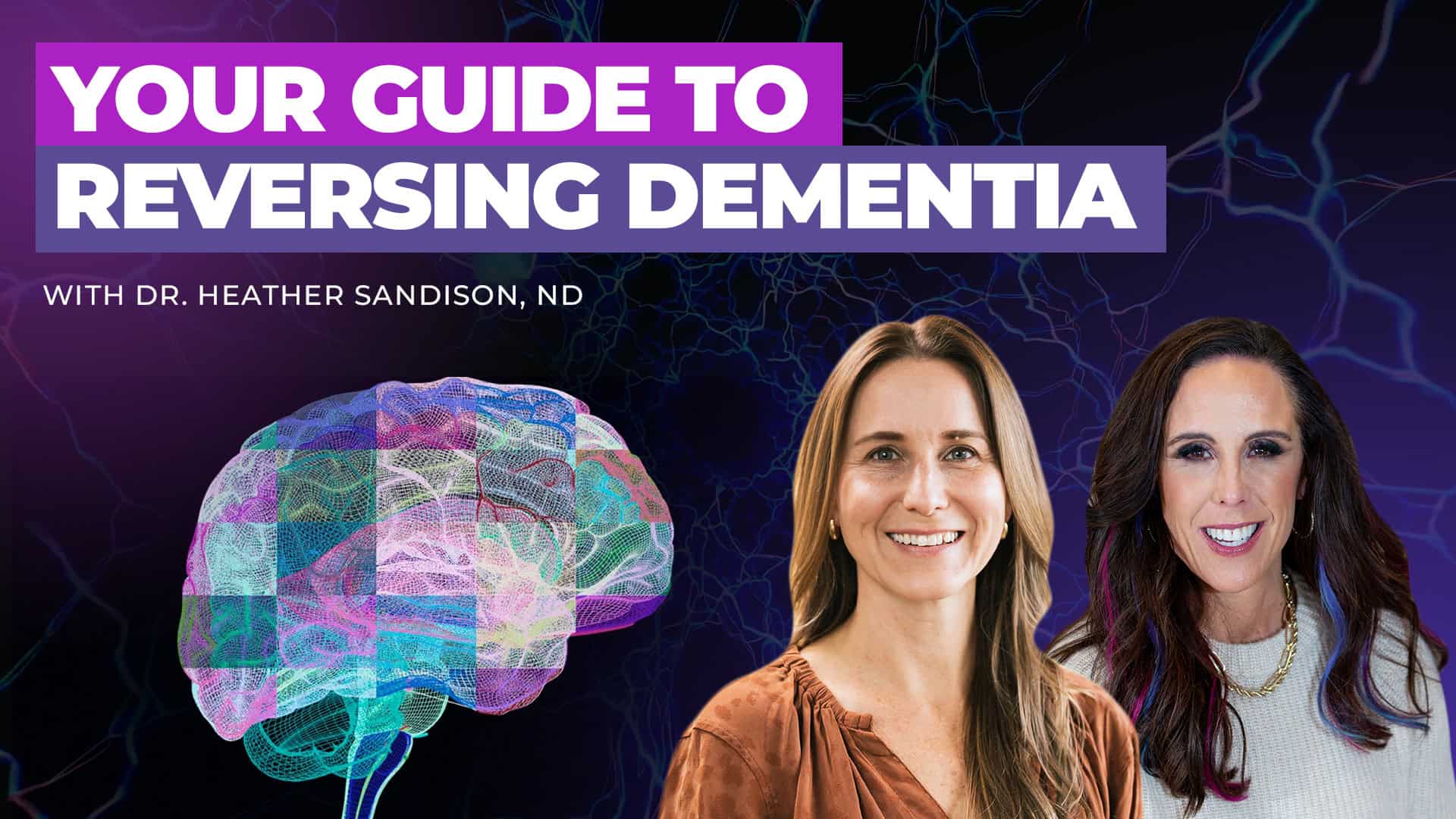
Welcome to Resiliency Radio with Dr. Jill Carnahan, where today’s episode dives into one of the most urgent topics in modern healthcare: how to prevent, slow, and even reverse cognitive decline. Dr. Jill is joined by the internationally respected Dr. Heather Sandison, a pioneer in dementia care, founder of Solcere Health Clinic, and creator of Marama—the first memory-care facility designed to help residents regain independence.
Key Topics You'll Discover with Dr. Heather Sandison
① Heather's Journey into Medicine and Dementia Care:
⇨ Heather shares her motivation for entering the medical field and her focus on dementia care.
⇨ She discusses the potential of using medicine to help individuals become the best versions of themselves and contribute positively to their communities .
② Understanding Alzheimer's and Dementia:
⇨ The conversation delves into the spectrum of Alzheimer's disease, emphasizing early detection and intervention.
⇨ Heather explains the importance of identifying the root causes of neurodegeneration, such as toxicity, nutrient deficiencies, and stressors .
③ The Role of Toxins and Nutrients:
⇨ Discussion on the impact of various toxins, including mycotoxins, heavy metals, and chemical toxicity .
⇨ Importance of optimizing nutrient intake and monitoring glucose levels to prevent cognitive decline .
④ Stress and Structure:
⇨ Heather emphasizes the need for the right amount of stressors and maintaining structural health to support cognitive function .
⑤ Infections and Brain Health:
⇨ The episode covers the influence of infections like HSV and Lyme disease on brain health and the importance of managing these infections .
🔑 Key Takeaways:
⇨ Early detection and addressing root causes are crucial in managing Alzheimer's and dementia.
⇨ A holistic approach involving detoxification, nutrient optimization, and stress management can significantly impact cognitive health.
⇨ Hormonal balance and infection management play vital roles in maintaining brain health.
⇨ Discussion on the significance of hormonal balance, including thyroid and sex hormones, in maintaining brain health .
🔑 CONCLUSION: The episode concludes with Heather sharing insights on her ongoing projects and the importance of community engagement in health initiatives.
About Dr. Heather Sandison
Dr. Heather Sandison is a renowned naturopathic doctor specializing in neurocognitive medicine and the founder of Solcere Health Clinic, San Diego’s premier brain optimization clinic, and Marama, the first residential memory care facility to have the goal of returning cognitively declined residents to independent living.
She has dedicated her career to supporting those suffering with dementia and is the primary author of the peer reviewed research “Observed Improvement in Cognition During a Personalized Lifestyle Intervention in People with Cognitive Decline” published in the Journal of Alzheimer’s Disease.
Dr. Sandison hosts the annual online Reverse Alzheimer’s summit where she shares cutting-edge and tried-and-true insight into what is possible for those suffering with dementia. She is excited to shatter common misconceptions about Alzheimer’s and share what she has learned about keeping your brain sharp at any age.
http://www.maramaathome.com/
https://www.facebook.com/HeatherSandisonND
https://www.instagram.com/dr.heathersandison/
https://www.youtube.com/channel/UC7D8wkR3j1ZNoI2HHCLs3tg
https://www.tiktok.com/@drheathersandison
Dr. Jill Carnahan, MD – Leading Functional Medicine Doctor
Dr. Jill Carnahan, MD, ABIHM, ABoIM, IFMCP is internationally recognized as one of the most respected leaders in functional and integrative medicine. She is dually board-certified in Family Medicine and Integrative Holistic Medicine, and the founder and medical director of Flatiron Functional Medicine in Louisville, Colorado.
Widely known as a pioneer in environmental toxicity, mold-related illness, autoimmune disease, and resilience medicine, Dr. Carnahan combines cutting-edge science with compassionate, root-cause care. Her clinical approach integrates precision genomics, epigenetics, microbiome research, peptide therapy, and lifestyle interventions to transform health outcomes for patients worldwide.
She is the author of the best-selling memoir Unexpected, which weaves her personal journey through cancer, Crohn’s disease, and mold-related illness with her professional expertise. Dr. Carnahan is also the executive producer of the award-winning documentary Doctor/Patient and the host of the popular podcast Resiliency Radio, which reaches over 500,000 global subscribers.
As an international keynote speaker, Dr. Carnahan has been featured at leading medical conferences including A4M, IFM, EPIC, and IPM Congress, and her work is frequently highlighted in major media outlets such as NBC, CBS, Fox News, Forbes, Parade, People, and MindBodyGreen.
With a reputation as both a scientist and a healer, Dr. Jill Carnahan is regarded as one of the top functional medicine doctors in the world, offering a unique blend of evidence-based research, innovation, and deeply personalized care.
The Podcast with Dr. Heather Sandison
The Video with Dr. Heather Sandison
- Dementia Early Detection: Early detection key for effective intervention; MOCA test enables timely assessment of cognitive decline.
- Genetic Risk Factors: APOE status significantly impacts dementia risk; lifestyle changes can still mitigate genetic predisposition.
- Personalized Prevention Framework: Six root causes guide personalized dementia strategies; target toxins, nutrient imbalances, stressors, infections, structure, and signaling.
- Exercise Benefits: 25 minutes of weekly exercise linked with improved brain health; dual-task activities recommended for maximum cognitive engagement.
- Infection Management: Aggressive treatment of infections like HSV-1 and P. Gingivalis can reduce dementia risk and inflammation.
- Hormone Therapy Impact: Sex hormone replacement improves cognitive function and quality of life; careful supervision needed for optimal results.
Dementia Diagnosis and Risk Assessment
The meeting clarified the importance of early detection and understanding risk factors for dementia to enable effective intervention.
- Dementia is an umbrella term with Alzheimer’s disease as the most common form, but other types like Lewy Body and frontotemporal dementia exist, marking the need for precise diagnosis (07:50)
- Alzheimer’s disease progresses through stages: presymptomatic, subjective cognitive impairment, measurable cognitive impairment (MOCA score below 24), and Alzheimer’s dementia with loss of daily living abilities
- Early detection allows engagement before irreversible decline, shifting focus from symptom management to prevention and reversal
- Misunderstanding of Alzheimer’s dementia and Alzheimer’s disease leads to unnecessary fear; education on stages is critical
- MOCA test is a practical screening tool to quantify cognitive decline and guide intervention timing
- Genetic risk via APOE status is a key early marker, with APOE 3/4 raising dementia risk from 13% to 30% and APOE 4/4 pushing risk over 50% but not guaranteeing dementia (14:11)
- Genetic status helps tailor prevention strategies from early adulthood, especially for at-risk individuals
- Lifestyle and environmental modifications can significantly delay or prevent onset despite genetic risk
- Testing for APOE status is accessible through 23andMe or functional medicine providers
- Complementary lab markers like P Tau217, beta amyloid ratios, and neurofibrillary light support early detection and monitoring
Root Cause Categories and Testing Framework
A systematic approach targeting six key categories drives personalized dementia prevention and reversal efforts.
- Six primary causes identified: toxicity, nutrients, stressors, structure, infections, and signaling, forming a root cause framework for assessment and treatment (20:45)
- Toxicity covers mold/mycotoxins, heavy metals, and chemicals, with detox strategies and lab tests prioritized
- Nutrient imbalances include insulin resistance, glucose metabolism, and micronutrient deficiencies like B vitamins and homocysteine
- Stress management is vital since chronic stress accelerates cognitive decline and caregivers face 2.5 to 6 times higher dementia risk
- Structural factors include sleep apnea, blood flow issues, traumatic brain injury, and musculoskeletal pain impacting brain oxygenation and recovery
- Infections such as P. Gingivalis, HSV-1, Lyme, and COVID-19 contribute to neuroinflammation and plaque formation; antiviral and antimicrobial treatments reduce risk
- Signaling involves hormones like thyroid, vitamin D, and sex hormones, where hormone replacement can significantly improve cognition and quality of life
- Top lab tests recommended include APOE genotyping, P Tau217, insulin resistance panels, toxin screens, sleep studies, and infection markers, with a preference for insurance-covered conventional labs supplemented by functional medicine tests (35:53)
- Strategic testing investment is justified by the high cost of memory care ($8,000 to $10,000 per month) and potential delay of institutionalization
- Functional medicine providers offer tailored panels and interpretation to manage complex chronic disease and optimize brain health
- Early intervention improves MOCA scores in about 74% of patients with scores between 12 and 23 within six months (19:24)
Exercise and Physical Engagement Strategy
Physical activity combining cognitive and physical challenge is crucial for dementia prevention and cognitive improvement.
- Just 25 minutes of exercise weekly associates with healthier brain volume, with ~10,000 steps per day reducing dementia risk by 50% (38:36)
- For symptomatic or high-risk individuals, 200 minutes per week of moderate to vigorous dual-task exercise is ideal
- Dual-task means engaging the brain and body simultaneously, such as walking while talking, dancing, or racket sports like pickleball
- Variety and enjoyment are key for adherence; activities like ballroom dancing or yoga offer cognitive, social, and physical benefits
- Group activities add motivation, social connection, and cognitive challenge, enhancing sustainability and long-term brain health
- Speaker Dr. Sandison emphasized personalized exercise plans aligned with patient interests to embed movement into identity and lifestyle (40:01)
- Dual-task exercise is more effective than aerobic or strength training alone for reversing cognitive decline
- Specialized therapies like drumming show promise for Parkinsonian symptoms by boosting brain dopamine temporarily
- Combining physical with cognitive engagement addresses multiple dementia risk pathways simultaneously
Infection Control and Immune Support
Targeting infections aggressively forms a key pillar in reducing dementia risk and progression.
- Herpes simplex virus (HSV-1) and shingles vaccination reduce dementia risk by approximately 20%, backed by large epidemiological studies (29:47)
- Antiviral therapies reduce risk in patients with chronic HSV infections; lysine and herbal formulas help prevent outbreaks safely
- Oral infections like P. Gingivalis trigger inflammatory cascades leading to amyloid plaque formation, necessitating dental and antimicrobial care
- Other infections impacting cognition include Lyme disease and COVID-19, which impair blood flow and increase inflammation
- Early and aggressive treatment of infections supports immune function and reduces chronic brain inflammation
- Infection management is integrated after optimizing toxins, nutrients, and stressors, maximizing immune resilience to reduce need for prolonged antimicrobial treatment (28:26)
- Screening for infections is routine in cognitive decline evaluations to identify treatable contributors
- Collaboration with infectious disease and functional medicine specialists improves outcomes in complex cases
Hormone and Signaling Optimization
Hormone balance and signaling correction significantly boost brain function and patient engagement.
- Sex hormone replacement therapy (HRT) in older adults improves cognition, sleep, muscle strength, and quality of life, with low associated cancer risk in properly selected patients (33:33)
- Recent large studies show 34% breast cancer risk reduction with estrogen alone in women without a uterus, challenging outdated fears
- HRT promotes brain engagement and physical activity, key for cognitive resilience and reversing decline
- Optimizing thyroid, vitamin D, and vitamin K levels complements hormone therapy to support brain signaling pathways
- Dr. Sandison advocates a cultural shift toward embracing hormone therapy safely to improve aging outcomes
- Individualized hormone management supports physical and cognitive recovery, acting as a cornerstone within the six-category root cause framework (32:17)
- Hormone therapy is not appropriate for all but offers profound benefits when carefully supervised
- Integrating hormone optimization helps reverse symptoms beyond cognition, including mood, muscle, and sleep improvements
Program Development and Accessibility
Scaling dementia reversal programs to reach patients in their communities is a strategic priority.
- Marama Home offers a remote coaching program to bring the Reversing Alzheimer’s protocol into patients’ homes, expanding access beyond residential care (43:40)
- The program partners with senior living and memory care communities to integrate personalized lifestyle medicine on site
- Remote coaching facilitates ongoing support and accountability, critical for sustained behavioral change and protocol adherence
- Dr. Sandison emphasizes meeting patients where they are to improve engagement and outcomes
- Investment in early intervention programs saves costs by delaying expensive memory care, making functional medicine approaches economically and clinically viable (36:50)
- Public resources like Dr. Sandison’s book and accessible lab testing empower patients and providers alike
- Scaling education and coaching helps address the growing dementia burden with evidence-based lifestyle strategies
- The program’s success depends on patient adherence, supported through coaching and community partnerships
Transcript
00:00
Dr. Jill Carnahan, MD
Hey guys, welcome to Resiliency Radio, your go to podcast for the most cutting edge insights integrative and functional medicine. I'm your host, Dr. Jill and with each episode we dive into the heart appealing and personal transformation. Join me as I interview medical experts, world leaders, thought leaders, and all of those kinds of people who can bring insight and information to help you perform better and live longer. Today is no different. We're going to be talking to Dr. Heather Sandison who wrote the book Reversing Alzheimer's all about if you or your loved ones are facing a concern about declining cognition or early onset dementia, you're going to find all the tips and tools and tricks that you need to do a thorough assessment of root cause and even some tips to reverse that process.
00:48
Dr. Jill Carnahan, MD
Super excited to talk to her and I'll introduce her in just a moment. Before I do, I always want to make sure you know At Flatiron Functional Medicine, my medical practice in Louisville, Colorado, we are accepting new patients. We get so many calls each day and end of the week to ask about seeing new patients. We especially see patients and specialize in chronic complex illness or medical mysteries. If you've been suffering with mass cell activation, tick borne infections, mold related illness in particularly or cognition, hormone replacement, you name it, we can help you out. We have a nurse practitioner, Hannah, and a PA Fawn who are actively accepting new patients. I work with them on every single case and we'd love to see you. You can call at 303-993-7910 or you can go to the website my name jillcarnahan.com for more information.
01:44
Dr. Jill Carnahan, MD
Also, if you have not yet got a copy of my book Unexpected, you can find that on Amazon, Barnes and Noble or wherever books are sold. I hope you'll check that out. It's been a real hit and a bestseller. Also, if you have read the book and you want to stop by and leave a review on Goodreads, we would love and appreciate that so much. And finally, if you have not yet seen the documentary Doctor Patient, you can now get that on Amazon Prime. It's Doctor Patient Movie and it's on Amazon Prime. It's also on doctor patient movie.com if you want to watch it for free with ads on YouTube or Tubi and we've just created that to be an inspiring piece for those suffering with complex and chronic illness. Okay, let me introduce our doctor.
02:28
Dr. Jill Carnahan, MD
Dr. Heather Sandison is a renowned naturopathic doctor specializing in neurocognition and the founder of Solsaire Health Clinic, San Diego's premier brain optimization clinic, and Maroma, the first residential memory care facility to have a goal of returning cognitively declining residents to independent living. She's dedicated her entire career to supporting those suffering with dementia and is the primary author of the peer reviewed research Observed Improvement in Cognition during a Personalized lifestyle intervention in people with Cognitive Decline, published in the Journal of Alzheimer's disease. Dr. Sanderson hosts the annual online Reversing Alzheimer's Summit where she shares cutting edge information and shares what she has learned about keeping your brain sharp. You are going to love this episode, so let's get to it with Dr. Heather Sanderson. Heather, it is so awesome to have you on Resiliency Radio.
03:18
Dr. Jill Carnahan, MD
I've loved and followed you all the work you've been doing in this such important field of dementia and cognition. Right. I think there may be no more important field that people are like, am I going to be okay as I age? So I want to dive in and I think a lot of our listeners will really love to hear your toolkit and your programs and principles of treating and reversing dementia. But before we do, I always love the story and I want to know a little bit more about you. How you got into medicine and then how you got into dementia specifically.
03:49
Dr. Heather Sandison
Yeah, thanks so much for having me. Medicine really was something I think I always knew I would go towards. My mom's a nurse. I have grandparents who were in the medical field. My grandma was had a master's in public health and worked for the state health department. My grandpa was a pharmacist. Lots of aunts and uncles in medicine. And so I think it was just always kind of what I was planning to do. But I went to naturopathic school rather than medical school because I was really more interested in health than medicine. And I saw through traveling around the world and even where I grew up in Hawaii how people who were sick, who had chronic complex disease, especially untreated diabetes and aging and trauma and all of the things that people have, they weren't engaged in community, right?
04:44
Dr. Heather Sandison
They weren't showing up at neighborhood board meetings, they weren't on the school board. They weren't there able to be part of the solutions to things because they were busy going to doctor's appointments and they were tired. And I think what I saw was that there was this potential to use medicine as a way for people to be the best versions of themselves, for change makers to show up in community and create the communities and the world that we all want to live in. But when people were struggling with chronic health issues, they weren't. And I think that's. Dementia is a case in point for that beyond many, because when someone doesn't have their full cognitive capacity later in life, they're at the height of their wisdom and experience, when they have so much value to share and. And yet they're unable to.
05:32
Dr. Heather Sandison
And so I think of the work that I do as supporting the change makers, as supporting the people who are going to go out there and do the hard work of creating amazing communities. And I got into dementia care, Really, I was telling somebody the other day, I think it was probably my ego. I was like, if I can help someone with Alzheimer's or dementia, then the rest is easy, the rest is cake, because it's not supposed to be possible. But really what happened was I was at Dr. Breda, I was at IMMH, the Integrative Medicine for Mental Health conference in 2016 or 17. And Dr. Bredesen was there speaking. It was before his book had come out, the End of Alzheimer's.
06:12
Dr. Heather Sandison
I was just so intrigued because I had been told, like everybody else, that there was nothing you could do to support someone with dementia, even as a naturopath, even through functional medicine. And yet what he was describing was the use of our toolkit stacked on top of itself. Use everything, throw everything at it. Anything appropriate for that patient, do it. And they were seeing what you would expect. There was an improvement in neuronal health and improvement in cognitive function. And so I was really intrigued. And then I went to his training, and by the time I got home from his training, his book had come out, and I was the only person in San Diego then who was trained by him. So I had a lot of people showing up.
06:51
Dr. Heather Sandison
And then I had the privilege of watching it work, despite my lack of confidence, despite my experience, my lack of experience at that point, helping people, just putting the Bredesen protocol to work, got results. And that was enough for me to be like, all right. There is a huge amount of unnecessary suffering happening. There is a niche here, and we need to fill it. We need to tell as many people as will listen that there is an option when it comes to dementia and Alzheimer's.
07:18
Dr. Jill Carnahan, MD
Wow. I love that so much, because I couldn't agree more. I think it is one of the most difficult areas to choose because as we know, with Dale's work, there is, you know, 30 holes in the roof now there's probably 50.
07:30
Dr. Heather Sandison
Right.
07:30
Dr. Jill Carnahan, MD
But there's all of these. And for those listening who don't who aren't familiar with that work, there's so many underlying pathways and things that contribute. And when we take this holistic, personalized, functional perspective, which is what you're going to talk to us about today, we can actually see far beyond what we would ever see with the drugs, which really aren't that effective anyway. Right. Like, it's so discouraging because the best they can do is maybe slow decline, like it's not really promising. And we've seen that. So love that and love that you were brave enough to choose this field right on the verge of when things started to shift. Because I think Dale's work, of course, really allowed more people to be aware of what's going on.
08:08
Dr. Jill Carnahan, MD
You frame us a little bit up for someone out there who maybe has a parent or someone who is suffering from dementia, first of all, maybe just describe kind of the classes of how we diagnose it. And then second, let's go into some of the root causes.
08:22
Dr. Heather Sandison
Yeah. So when we talk about Alzheimer's is the most common form of dementia. So dementia is the umbrella term. And then Alzheimer's is really, I think then there's a whole book about how it's called how not to Study a Disease, the Story of Alzheimer's, a gentleman named Carl Har. And it essentially Alzheimer's became the term we use for dementia. If you ask a doctor who was trained, who worked in the 70s, trained in the 50s, they'll say, don't you mean senile dementia? And what happened was throughout the 70s, 80s, 90s, and even in this recent decade, our current decade. The word Alzheimer's has been used as more of a marketing tool than a diagnostic tool. Now that's shifting. We can understand, we're understanding the differences between Lewy Body and frontotemporal dementia and different variants of Alzheimer's, like posterior cortical atrophy, there's Parkinsonian dementia.
09:18
Dr. Heather Sandison
There are many different types of dementias, but dementia is the umbrella term and it essentially means age related memory loss. Then we're both in functional medicine. I don't care what you call it. The ICD10 code does not matter that much to me. Where I get excited and where I want to play as a provider is why the etiology, how did this person arrive at age related memory loss? And I think in the Alzheimer's conversation, there's a lot of focus on beta amyloid, on tau proteins, on these misfolded proteins that collect in the brain and form these plaques. And of course, at some level, that is going to affect structure and affect function. But when we talk about the Alzheimer's, I'll use Alzheimer's just for simplicity.
10:03
Dr. Heather Sandison
But when we talk about this spectrum, you've probably heard someone say, oh, you can see changes in the brain decades before Alzheimer's symptoms start. So that's true. And we can actually now measure that. So this is that spectrum of Alzheimer's disease, not Alzheimer's dementia. So I've had colleagues, I've had patients who come in and they say, my P Tau is elevated. I was diagnosed with Alzheimer's. They don't have Alzheimer's dementia. I think it's so terrifying right now. They have sleepless nights and they're so stressed and they're worried about their job. And this is like making everything worse, not better. Right? But the idea is that we now can detect, now we can pick up earlier on in the pre symptomatic stage, we can pick up changes in the brain. And this is fantastic because now we know what to do about it.
10:50
Dr. Heather Sandison
That's the whole toolkit. But if we go through the spectrum, you have presymptomatic Alzheimer's disease, this is before there's any subjective cognitive impairment, which is the next stage. So if we put it into sort of four stages, you have Alzheimer's disease, process happening, pathophysiological changes in the brain. And many people have severe pathophysiological changes with no memory changes. Right?
11:15
Dr. Jill Carnahan, MD
So kind of I think about like ana, right? Someone has a positive ana and we're saying, oh, you're in this bucket of autoimmune, but you don't really have a disease yet. And same idea of we have these. And thank goodness now we do have these predictive things because we can catch that trajectory before it goes on to. Anyway, I didn't mean to interrupt you, but I think.
11:31
Dr. Heather Sandison
No, no, that's absolutely correct because it's a blessing and a curse, right? Now we know more and we have so much we can do about it, but it's also a little scary to know, right? And so we have that pre symptomatic stage where there's stuff happening, though, in the brain and that's where we want to engage people. That's when we want to get started. And then we have the subject of cognitive impairment where, you know, your brain doesn't work the way it did five to 10 years ago. You can't remember that neighbor's name, who you definitely should remember, right? You can't remember the number of something that you would have remembered. You're having trouble maybe doing more complex tasks, things like preparing Thanksgiving dinner, it feels too overwhelming.
12:10
Dr. Heather Sandison
Or planning an international trip that feels too overwhelming to do, even though you used to do that five, 10 years ago. But that wouldn't get picked up on, say, like a MOCA score, a Montreal Cognitive Assessment, which is something that we use to put a number on where someone is on the spectrum. So 26 and above is normal on a MOCA. And you can ask a provider for a MOCA. There's other tools as well. This is a blunt instrument that's used as a screening tool. But once you get below 24, you're in that measurable cognitive impairment state. And many people will call that mild cognitive impairment. Although don't say that to someone who has it, because it doesn't feel mild at all. This is where you really are. It's measurable. Maybe you don't want to be taking care of your own finances anymore.
12:57
Dr. Heather Sandison
You aren't able to keep a job potentially. So sometimes you are aware of this, sometimes you're not aware of it. It's your kids or your spouse who's saying, hey, something's changing, but this is where we can actually measure it. There's a significant change in your abilities. And then Alzheimer's dementia is this sort of fourth phase where that MOCA score is dropping significantly and you're not able to care for activities of daily living is what we call it, where you are not being to able. Not able to dress yourself, cook for yourself, maintain your independence. And so I think many people who have this Alzheimer's disease designation early on, they're equating that with Alzheimer's dementia, which isn't necessary. We can actually avoid that. And that's what's so exciting to talk about.
13:47
Dr. Jill Carnahan, MD
Okay, so many places I want to go, but I want to just start because I know people out there listening are like, oh, yeah, my father had Alzheimer's and died of Alzheimer's, or my aunt or whoever in their family. And what you're. What I hear you saying is that when we have someone in their 30s, 40s, 50s, where they truly are not having significant cognitive impairment, but they either have a very strong family history, they have markers, which I'd love to talk about, what does that really look like? What can people test? Or they have, you know, subjective cognitive issues. These are the people we're going to treat. Right? So how could someone who's out there listening, who's like, I'm kind of worried.
14:24
Dr. Jill Carnahan, MD
I feel okay, but I want to check what would they ask their doctor for what kind of tests are available, what kind of ways could they assess if they're in that pre category, and then they could come see someone like you. Yeah.
14:34
Dr. Heather Sandison
So APOE status is a great thing to look for. This is our genetic risk. And if you look at the entire global population, regardless of genetic risk, there's about a 13% chance of being diagnosed with dementia in your lifetime. Now, if you have, you get one copy from mom and one copy from dad. So it's apoe, apolipoprotein E. And the. Stay with me here, because this is a little bit complicated and it's easier to write it down on paper, but you get one from mom and one from dad. So you have two copies. The most common is a three and a three, but you can get a two, a three, or a four. And if you have one copy of four, like a three, four, which is very common in my clinical practice, your risk goes from 13% to about 30%.
15:17
Dr. Heather Sandison
So it's about triple the risk. Now, if you have a four from mom and a four from dad, now that risk is well over 50%. And there's even a Nature paper that suggests it's about 100%. It's almost. You're destined to get Alzheimer's if you live over 65. Now, I don't agree with that. And we see people who are APOE 3, 4 and 4 positive, who improve with our interventions with the lifestyle medicine and the Bredesen protocol. And so just because you have dementia risk does not mean it's your destiny. But it is one of those things that, my gosh, if I know when, you know, even my kids are.
15:55
Dr. Heather Sandison
If my kids are thinking about what career path they're going to choose, and I know I'm 4 4, I know they have at least one copy of Apoe 4, then I don't want them to become an ER doctor. I don't want them to become a firefighter and have their sleep interrupted. I want to make sure that they're aware of the risks of binge drinking when they go off to college. So you can start thinking like, okay, how can I start protecting the brain? Because we see that people who are APOE4.4 positive, their cognition is different in their early 20s. So there is something happening early on for people who are APOE4.4 positive.
16:29
Dr. Heather Sandison
But if we can protect their brain, make sure that they're not playing football and getting traumatic brain injuries, that their sleep is dialed, that they're reducing their toxic exposure, then we can protect them Much longer and they don't have to succumb to this disease. So for somebody who's out there thinking like, okay, I know I'm related to people who had Alzheimer's, you could ask for your APOE status and you might already have that. If you've done 23andMe or if you've done, you know, seen a functional medicine doctor, you might have it and you just need to like go back and look for it. You can ask for P TAU. So P Tau217 is the most sensitive, most specific marker that is available through LabCorp. And there's also a beta ratios the amyloid beta 4240 that you can get.
17:12
Dr. Heather Sandison
It's a little less specific, but it's another one that is nice to track. And then NFL neurofibrillary light, this is another one that you can ask for. You don't have to do all of them. I tend to start with P Tau217. And then really what you wanna do is work with a functional medicine doctor who's looking at your metabolism, your A1C, who's testing you for toxicity. And we can kind of structure this, we can go through this in a more kind of organized way because it can be easy to feel a little overwhelmed. I certainly was at first. As a provider, it can start to feel like, oh my, do I start? But it's really, it's pretty simple when you have a framework to organize yourself in.
17:52
Dr. Jill Carnahan, MD
Okay, guys, just to pause for a quick moment to remind you that you can find all curated products and services that I recommend for your optimal health and longevity@doctor Jill health.com as the holidays are approaching when this episode is being aired, I want to remind you that there is some incredible anti aging and beauty products that are clean for your skin and optimal health performance and aging. So check that out. I will particularly highlight the age reversal cream, one of my favorites and top sellers for your neck. And then our advanced retinol with bakuchiol. These are two incredible products that help your skin with those fine lines and wrinkles and they also make a great holiday gift. Okay, let's get back to our show. Your next question is kind of metabolic insulin resistance, toxic environmental toxicity, which of course mold is my thing.
18:44
Dr. Jill Carnahan, MD
Frame us with all the different things that were and in the categories that we're thinking about, like in your mind as a functional provider, you have someone comes in with APOE 3, 4 or 44 and you're like, okay, you're at high risk. Either they have symptoms yet or they don't. And you're like, where are we going to look? So maybe kind of frame first the categories of dysfunction that we might see, and then we could talk about some of the labs that we do. We don't have to cover all them, of course, but just a few of the key ones.
19:09
Dr. Heather Sandison
So if someone, you know, it's such a luxury to prevent rather than to treat. And we know, we have confidence because we see people with low MOCA scores improve. And it's not guaranteed, but for the most part, the majority of people. And this is in the literature, we published it in my office. Dr. Bredesen's published it.
19:25
Dr. Jill Carnahan, MD
Dr. Ornish.
19:26
Dr. Heather Sandison
Dean Ornish has published it. It was in the pointer trial. Lifestyle medicine interventions improve cognitive scores. And we see that people with MOCA scores between 12 and 23, so abnormal MOCA scores, 74% of them, were improved in six months.
19:40
Dr. Jill Carnahan, MD
Wow.
19:41
Dr. Heather Sandison
Now, that being said, that's the, like, proof that we can reverse it. What we really want to do is prevent it from happening at all. And just like, if you like, of course, your story is so much cancer being a big part of that journey. When someone is diagnosed with cancer, we want to find it early because an intervention for a stage one cancer is wildly different in terms of the cost, the emotional toll, the. I mean, everything that's involved in treating a stage 4 cancer is so much more than stage 1. Same thing with dementia. Right. We want, if we are trying to, if it's a Hail Mary, we want to help someone with the MOCA of zero. We do it, we can do it. It's been done, but it takes so much more. So let's start early.
20:31
Dr. Heather Sandison
All right, so what does that mean? What are we looking for? So when I think of any complex chronic disease and of course, dementia and the brain health being a complex, we want to apply complex system science to how we think of this. So, like, I have a plant right behind me, right? If my plant is dying, I don't look at it and go, oh, it must have misfolded proteins. Let me take those proteins out and put new ones in. No, of course not. This is common sense, complex system. You want to think, is it getting enough water? Is it getting enough light? A living thing, a living organism, does it have enough nutrients? Is it being poisoned? So we're looking for imbalances. Too much, too little in the wrong place at the wrong time.
21:08
Dr. Heather Sandison
So that's how we want to structure our conflict system, thinking about the six primary causes. So if somebody says, you know, like, you mentioned autoimmune disease. Autoimmune disease doesn't just happen. Something causes it. So if somebody says, oh, Alzheimer's is an autoimmune disease, I go, well, what caused the autoimmune disease? Right. Somebody says, Alzheimer's is caused by inflammation. I go, well, wait, what caused the inflammation? Let's go upstream.
21:34
Dr. Jill Carnahan, MD
That's that root cause. Right. In medicine, I love, because you started out your. On, we ask the question, why? Why is this happening? And really, that's the key. I keep going. I didn't mean to.
21:45
Dr. Heather Sandison
No, no. It's so exciting. It's so fun to, like, have this conversation.
21:49
Dr. Jill Carnahan, MD
Yeah.
21:50
Dr. Heather Sandison
So there's, in my mind, there's six primary causes. These are the why things get out of balance or where they get out of balance. So toxicity. Toxicity is a primary cause of neurodegeneration. And we think of toxins in three flavors. Mycotoxins, mold, toxins, as you mentioned, heavy metals and chemical toxicity. So we measure all three of those. There's tons of toxins that we don't have the ability to measure for measure, or we don't have access to those labs, or it's not practical. But we talk about detox. How do we increase our natural detox processes, make sure we're not being exposed unnecessarily, and then we measure for what we can. So toxins, nutrients. Of course, we can think about nutrients on a macro scale, like. Like glucose and sugar. So do we have insulin resistance? Do I have diabetes? Obesity?
22:43
Dr. Heather Sandison
Am I getting too much sugar so that it's becoming toxic to me? And that we want to optimize for. So we recommend everybody get a continuous glucose monitor. Like, if you take nothing else away from today, get a continuous glucose monitor and understand your metabolism. So we tend to have people who have cognitive decline get into ketosis. Now, there are exceptions to that, but that is the diet that Dr. Bredesen and I both recommend. And we do it because, I mean, I see profound changes for people. So macronutrients we want to think about, but we also want to be thinking about micronutrients, things like methylated B vitamins, homocysteine, elevated homocysteine levels that we can measure on labs. Those are associated with accelerated brain atrophy. So our goal is to get homocysteine around 7. And we do that using methyl donors and B vitamins.
23:37
Dr. Heather Sandison
So we want to understand for this individual what nutrients do they need? Do they have too much copper? Do they have enough zinc? Do they have enough magnesium? We want to go through all of that in a systematic way. So toxins, nutrients, stressors. So stress, again, it's about balance. We see that caregivers, someone who cares for someone who has dementia, they are anywhere from two and a half to six times more likely to be diagnosed with dementia later in life. They become the patient. And it's because it is so stressful to gradually be saying goodbye to those micro griefs every day of having your parent or your spouse become your dependent. That is really hard. It affects people's sleep, their exercise habits, their dietary habits, of course. And so we want to make sure that there's not too much stress.
24:28
Dr. Heather Sandison
Too much stress is cortisol. Cortisol, toxic to the hippocampus, the memory center of the brain, if we get too much of it for too long. So we want to be mindful of that. But the flip side is just as true. I think everybody can think of that uncle who imagines retirement is like, I got my feet propped up on the coffee table and I'm having a beer by noon and I'm watching my shows and then maybe I'm having more beers with the boys later on. There's no purpose, there's no meaning, there's no reason to get out of bed in the morning. And when we don't have challenge, then our brains atrophy. So we want the right amount of the right stressors. We want exercise, we want engagement, we want challenge. So we need to think about what.
25:11
Dr. Heather Sandison
And we need things that bring us joy, right? So stress is a big one. We could talk about that all like forever. But structure is next. So toxins, nutrients, stressors, structure. Structure means is my hip bone connected to my leg bone, right? Like, or am I in chronic pain, which keeps you from sleeping and increasing, increases my cortisol levels. So we want to think macro structure, we want to think about the airway. Any sort of obstructive sleep apnea, even mild, is like mild brain damage every night because you're hypoxic, you're not getting enough oxygen to your brain. The brain cannot heal if it doesn't get enough oxygen. But also having apnea will prevent us from getting the deep sleep and the REM sleep that are so crucial to memory consolidation and glymphatic rinsing of the brain at night.
26:00
Dr. Heather Sandison
So it's enough sleep and the quality of sleep that are important and that is affected more often than I can say. Every single person who I see, we order a sleep study on because I cannot miss it. It's like, I can't. It's just my job to make sure that we know that you don't have sleep apnea if you have any cognitive impairment because it makes such a big difference. And we see again, profound results. We see people go from single digit MOCA scores and double them when they get.
26:29
Dr. Jill Carnahan, MD
I love and want to pause there. So if you're out there and you're concerned, get a sleep study. I love that, even for me, because I order it a lot, but I don't think it's 100 of the time. And that's a really good pearl.
26:39
Dr. Heather Sandison
Yeah. Which is by default, we order them for everyone. And what's so nice is now they have we use watch that but they have the at home watch with the ring. So the technology is advanced that I think a lot of people used to say, oh, I don't want to do the overnight thing. It's too far, Somebody's got to pick me up. I'm going to be so exhausted. I'm not going to sleep there. I totally get it. Just do the one at home. It's so much easier logistically. It's not the gold standard, but it still helps us identify a lot of these. And then for anybody who says, oh, I don't want to wear a cpap, there's mouth guards, there's tongue stimulators. There are so many different interventions, so don't be worried about that. It is so important to treat sleep apnea.
27:15
Dr. Heather Sandison
So yes, I'm so glad you're looking. But also structurally, we want to think about blood flow. Can I get blood up into my brain? Are there atherosclerotic plaques that are gonna prevent that? Have I been hit over the head with a baseball bat or have I, you know, played tbis? Getting hit over the head is puts you at risk. It increases inflammation, is a cause of inflammation, and definitely increases risk of dementia later on. So we need to treat that and we can. Red light therapy can be helpful. Oxygen therapies. There's lots of things that we can do to treat even remote, long ago traumatic brain injuries. And then so that's macro structure. The other piece is this molecular structure. We talked about this, our genetic risk.
27:55
Dr. Heather Sandison
So if our genetics are molecularly different, they're structurally different from other people, we can be at higher risk. And that's not something we can change. It's not modifiable. But it is something that we can use to help us understand our risk and then motivate us to make the changes where we can. So toxins, nutrients, stressors, structures, infections, which I tend to put towards the end because often when we optimize those other pieces, our immune system does so much better, so we don't have to worry as much. But there are some particular infections that have an outsized impact on the brain and seem to trigger that inflammatory cascade that ends up with beta amyloid, because amyloid and tau, they are antimicrobial, they are there to protect us.
28:43
Dr. Heather Sandison
And so when we have P. Gingivalis, or the bacteria that causes gingivitis, that can trigger amyloid, herpes simplex, one in particular, the one that causes cold sores, that can trigger amyloid. So we want to be aggressive about treating these things. We see that the shingles vaccine, which is another herpes virus, that the shingles vaccine reduces our risk of developing dementia by about 20%. Wow. And that's been across several studies. There was a very well designed study in the UK that came out about a year ago that showed that people born within a week of each other to one or two weeks of each other. So they had everybody who was born before a certain date get the shingles vaccine and everybody born after a certain date not get it.
29:27
Dr. Heather Sandison
So they were within a couple weeks in terms of age, huge amount of the population in Wales. And they saw that seven years later, the people who had the shingles vaccine were 20% less likely to have dementia.
29:39
Dr. Jill Carnahan, MD
That's so impressive that we have that data. And I remember reading a recent study, I'd love your thoughts on antivirals with someone who has a chronic HSV1 or HSV2 for that fact. But obviously this is closer to our brain and they did better with long term risk of Alzheimer's. Is that true?
29:53
Dr. Heather Sandison
Yeah. So there was a Taiwanese study that came out years ago that was around and it basically said the same thing. Aggressive use of antivirals, very helpful for epidemiologically, when they looked later, people who aggressively treated their HSV had a lower risk of dementia and Alzheimer's. So we tend to. Just because kidney function. I wouldn't want anybody on the Valcyclovir or Syclovir all the time prophylactically, but we'll use lysine prophylactically. And there's some great formulas that have. Actually lithium is good for brain health, but there's a great formula that I use that has some lemon balm and some lysine and some. Some lithium in it and it's antiviral and it reduces outbreaks and stuff. So you can kind of use that at the first sign. But anybody who has an HSV1 popping up, and we screen for that on everybody.
30:44
Dr. Heather Sandison
HSV1, NHSV2 and lots of infections. But we want to be really aggressive about that. Whether you're using herbals or. Yeah, yeah, whatever. You have a plan.
30:56
Dr. Jill Carnahan, MD
I would agree. I love that so much. And I interrupt your infection. So HSV and shingles vaccine, what else on infections are particular?
31:03
Dr. Heather Sandison
Yep, the oral ones. So a different mechanism. And then Lyme. So Covid has a different mechanism because it seems to increase coagulation, which is actually comes back to our structure. Right. It's going to prevent blood flow, it's going to clog our plumbing, that we need to get blood flow to the brain. And it can happen in the microvasculature. Right. In the capillary bed. And so it's a different treatment approach.
31:27
Dr. Jill Carnahan, MD
Right.
31:27
Dr. Heather Sandison
We're thinking more of our are proteolytic enzymes and vascular support, but it is a virus that has an impact on the brain. And then the other one is Lyme. So spirochetes have been found in the amyloid plaques of people who have died with Alzheimer's. And so not 100% of the time, but sometimes that can drive neurosyphilis. So spirochetes like Lyme, they're similar to syphilis. There's a neurological process presentation and it can drive dementia. So it's something we want to be looking for. Of course, having the other Bartonella, Babesia, ehrlichia, the other co infections present, it's just a weight on your immune system. And if you are in that attack and defend mode, you're not in the grow, heal, connect mode, particularly as we age. So we want to get rid of those infections as quickly as we can. Now, the sixth category is signaling.
32:17
Dr. Heather Sandison
So we've talked about toxins, nutrient stressors, structure, infections, and then signaling. So signaling is our hormones, our thyroid, our vitamin D, which we call a vitamin, but it's more of a hormone. Vitamin K are sex hormones. And I know the conversation around this is shifting dramatically, but what I have seen, and there's always controversy and people going back and forth and you'll see this or that, but my clinical experience is that getting especially women, but men too, older men and women, and getting them on some sex hormone therapy, it's like these wilting flowers just like blossom again. And it's so fun to watch. And they're just more engaged in life. Of course, they're building muscle and they're having sex. But it's so much more than that.
33:05
Dr. Heather Sandison
It's the engagement, it's the showing up, it's the excitement to go play pickleball and go do these other things. It's feeling like they have better balance because their muscles are. They're able to build. Muscles. Muscle. It's. They're sleeping again because they're on progesterone. I mean, the benefits are just profound. So I tend to be a fan. Not appropriate for absolutely everyone. Of course, talk to your doctor. But I'm very excited about the kind of cultural shift around this conversation.
33:33
Dr. Jill Carnahan, MD
I couldn't agree more. I always would say 20 years ago, when the data was not accurate, what were hearing and I had. Had been a breast cancer survivor, I always said if I had to choose my breast or my brain, I would choose my brain. Right. Fortunately, that's no longer the case. We don't have to choose. So let me be clear. It's not a high risk for. Well, you talk to your doctor about this. We won't get into the nuances, but the old school, 20 years ago data is not held up and it's just not true. The kind of risk that we thought were associated with hormone replacement. So I love that you're saying that because I think the brain is absolutely. Needs hormones.
34:06
Dr. Heather Sandison
Yeah. There was a study that came out in Menopause, I think the Journal of menopause. It was 10 million women over the age of 65. Looking at the different dosing, I mean, there was so much data that they could look at different doses at different administrations. And it's like topical estrogen every time. Oral estrogen is okay. You can also do it topically. Oral progesterone is okay. Oral estrogen is never okay. Yes. So there are these really clear things that we can take away from this about what increases risk and what reduces risk. And really hormone replacement therapy. I think estrogen alone, as long as you didn't have a uterus, IT decreased.
34:46
Dr. Jill Carnahan, MD
All 34% reduction in breast cancer. So I love saying that because were like, what? It's true. Again, I didn't mean to steal your thunder, but it is like so profoundly safe. Yeah.
34:57
Dr. Heather Sandison
It's protective. It's safe. It's like, it's crazy to think that everyone was told not to do it when it's.
35:04
Dr. Jill Carnahan, MD
Yeah.
35:04
Dr. Heather Sandison
Not only does it make life better, but it makes. Makes your. You're healthier.
35:07
Dr. Jill Carnahan, MD
Yeah.
35:08
Dr. Heather Sandison
Not 100 of people. I want to be clear.
35:11
Dr. Jill Carnahan, MD
Right.
35:11
Dr. Heather Sandison
I like that majority.
35:14
Dr. Jill Carnahan, MD
What a great map. I love the six different. They just. And I also really loved when you said we treat all of these and then go to infections a little later. Because in my practice, I'm not always treating dementia, but I often see the mold or the toxin or the inflammation. And I do agree, like, you start on that level and then sometimes those infections, if the immune system gets back online, don't really need aggressive treatment. So I really love that perspective as well. There are literally hundreds of markers that some of the Bredesen protocol, like, as far as the recode in that. So I'm not going to go through all of them today. But what would you say are like the, like, don't miss it. Top five or ten things that every person should ask for their doctor to test.
35:53
Dr. Heather Sandison
Well, we have a list in the, in my book reversing Alzheimer's, and Dr. Bredesen has it and I think at all of his books. So there is a list that you can ask and ask for. And it has like the, okay, conventional labs ask your primary care provider, typically covered by insurance lists. And then it has a more expanded list for if you're working with a functional medicine provider so that you can get the toxin testing and some of these, like stool testing and stuff like that, which I highly recommend. You know, when I also have been in the residential care kind of industry over the past five years, we created Marama, which is a residential experience in the Bredesen protocol. And. It is so expensive to go into memory care. I mean, I think sometimes we think, oh, $3,000 on labs.
36:39
Dr. Heather Sandison
And I get it, that's not even possible for a lot of the population. But when you start thinking 8 and $10,000 a month for memory care, oh, my gosh, if we can understand, if we can even prevent that for a year, if we can even delay that for a year, we've recouped the investment in seeing a good, high quality functional medicine doctor who can help walk us through these risk factors and dementia prevention. So I know that it can feel expensive sometimes, but when you look at the relative cost of having something like Alzheimer's or another dementia, oh, it just doesn't even compare.
37:19
Dr. Jill Carnahan, MD
I love that frame because again, you and I are seeing the complex chronic patients and by the time they see probably you and for sure, for me, they've tried a lot, they've exhausted a lot of things, and so they're usually ready. But, like, what do you want to do? We're, you know, they're all in. But the average patient who's just starting to learn about this. It does feel a little overwhelming. And I always say this old adage is like, you can pay the farmer or the hospital, like you can actually put your resources into preventative things like food is one of them or the gym membership or whatever, or you can end up later on paying the long term care.
37:51
Dr. Jill Carnahan, MD
Speaking of exercise, I want to talk a little bit about the data because I don't know that I'm super clear on what is the best exercise for someone with dementia or subjective cognitive impairment. What does the data show? What do you guys recommend generally?
38:06
Dr. Heather Sandison
Okay, so this is exciting. What I want to say to people who aren't exercising is we partner with Pacific Neuroscience Institute, and so I just feel so lucky that we get to review patients with Dr. David Merrill, who's a geriatric psychiatrist there, Dr. Bredesen, obviously my mentor, a neurologist. And then Dr. Cyrus Raji, who is a neuroradiologist, a preventive neuroradiologist, and he recently published a paper that he presented and got an award for with the group at PNI at the most recent Alzheimer's conference. And what they did was they looked at over 10,000 brain MRIs, and what they saw was that there was a difference in brain size. And basically we would say the healthier brains if you got just 25 minutes a week of exercise.
38:53
Dr. Jill Carnahan, MD
Wow.
38:54
Dr. Heather Sandison
Yes. Right. That's nothing. That is nothing. So for anybody who's not getting exercise, like just get something, get started and then. Okay, so that's like the minimum. Right. So then we've seen like, there's data from the UK that showed us that it was like 9882 steps where I'm, don't quote me on that, but it was basically like 9,800 something steps. Pretty much 10,000 steps a day for prevention reduces your risk by half.
39:23
Dr. Jill Carnahan, MD
Wow.
39:23
Dr. Heather Sandison
Yeah. So huge. And that's just walking. Now, if I already have some symptoms, if I have risk, I'm APOE 4 positive, then what do I want to be thinking about as the ideal exercise dual task? So we say 200 minutes a week in moderate, that moderate to vigorous range, but you're engaging your brain. So dual is in two. You're engaging your brain at the same time that you're engaging physically. And again, Ryan Glatt, who's up at Pacific Neuroscience Institute at pni, he's published on this and they have a brain gym there, we've got one as well where what we're Trying to do is engage cognitively and physically together. So what does this mean? This is actually pretty simple. Walking and talking. But we have to do more than walk if we really want reversal.
40:10
Dr. Heather Sandison
So this might be yoga, it might be zumba, it might be tai chi, qigong, it might be ballroom dancing, it might be racket sports like pickleball. It's any time that we are engaging cognitively and physically together and you want to be challenged. So you want to be at your edge, both physically and cognitively. Not so far that you give up. Right. But you want to be engaging at your edge. Now there are places you can go where, and they use this in balance and stroke patients, maybe some TBI patients, but where you can go and there will be a PT who will ask you the presidents in order or give you math problems while you're balancing. And that's great and awesome and especially if you want that one one care.
40:52
Dr. Heather Sandison
But it's also wonderful in a group setting, something like pickleball, where you've got to keep track of the score. There's the hand, eye coordination, There's a social engagement. If you're lucky to be somewhere warm, you know, you're outside. So I really encourage people, when you think of dual task, think what is fun for me, what would I look forward to? Because that's gonna make it more sustainable, right? You're still gonna be doing it in three years. It becomes part of your identity that you play pickleball or you play basketball or you do this thing. And it's not just like, oh, I listened to that podcast and she said, I should go do this. It's like, what can you engage in that is part of your identity? I love.
41:30
Dr. Heather Sandison
I've had patients, I have these Romanian patients, and they like do traditional Romanian dancing and it's partner dancing. And like, they're so into it. And I was like, do that. Just, just do more of that. So, like, finding ways to make it fun, finding ways to do it consistently and then challenging yourself. But there's a whole list of things.
41:53
Dr. Jill Carnahan, MD
That I love that so much because it makes it more fun and enduring. Like you said. I have a patient who has Parkinsonian symptoms. She's not true Parkinsonian, but the truth is she said, my doctor said I can't ballroom dance. What do you think? And I'm like, if you love it, go do it. She was so relieved to find out that she could know. Yeah, it was just like, of course.
42:14
Dr. Heather Sandison
We find drumming for Parkinson's and I don't know if it would work with her. I don't know her case. But drumming for Parkinsonian patients can. I think they'll. They'll be symptom free for an hour or two. It increases dopamine so much in the brain that it's really amazing. There's so. Yeah, there's so many things to that.
42:35
Dr. Jill Carnahan, MD
I love how clear you were on the guidelines too. Because what I've really found last several years is I feel like many functional medicine physicians don't know how to prescribe exercise. We all know movement's important. Right. But we're like 150 minutes a week and that's all we give to our patients. And I loved how specific you were because I think there is some really profound data on the types of movements and what we incorporate and especially with the brain. And that's why I ask you specifically because I think we tend to neglect. We talk about keto diet and all this. So important. But movement and blood flow is equally important. I loved how clear you were on what the data shows out there.
43:10
Dr. Heather Sandison
And certainly you can find things that say aerobic is important. You can find that muscle building and strength is important and balance of course is important. And we do exercising with oxygen therapy. Therapy. But if I had to pick one, it would be dual task.
43:22
Dr. Jill Carnahan, MD
Oh love. I love that. And I hadn't even heard that term before, so really great. Let's see before we close. Tell us more about what your. Your project with. Is it Maroma Home at Home? I have the website will include. I think it's M A R A M A A T H O M E dot com. Right?
43:40
Dr. Heather Sandison
Yeah. Yeah. So Marama was a residential care community and we're shifting that now. We're working with larger assisted living communities and memory care communities so that we can really get this actually to people who are still independent living because I think that's where it's going to have the most impact. So we're partnering with existing senior living communities. But because we created Marama, this home here in Southern California, so many people were reaching out to us and saying, hey, I can't. I live in New Jersey. I don't want my mom to go to San Diego. I want here with me. How can I do this at home? So we created an at home coaching program and it's now we call it the Reversing Alzheimer's program.
44:17
Dr. Heather Sandison
But it is@maramathome.com and you can find out more information about me@drheathersandison.com Sandison as S A N D I S O N and then my book Reversing Alzheimer's is available wherever books are sold. And we'd love to be able to help. There's a whole journey, there's lots of options. And really what we're trying to do based on the feedback we've gotten from patients, is meet people where they are so that they can access this. Whether it's just, I mean, it's an open book. The program is all there. But then we can help and facilitate and get you the support you need to implement it, because it doesn't work if you don't do it.
44:51
Dr. Jill Carnahan, MD
I love that. That's one of the things I love about your work, is you've really gotten a lot of resources out to the public because it really is, if we think about big questions people have as we age, just do it. Will I get cancer? Will I get heart disease? And will I get dementia? So this one of the big three that I hear people asking and even in their 40s and 50s. So kudos to you. I would highly recommend your book. I think it's just a great toolkit for someone who wants to get to know the process. And they can start with asking their own doctor for tests. But be sure if you're listening, get a copy of Heather's book Reversing Alzheimer's, and we will include the link to all of your websites and social media on the notes.
45:28
Dr. Jill Carnahan, MD
Heather, it has been an absolute pleasure. Thank you again for coming on the show today.
45:32
Dr. Heather Sandison
Oh, it's always a pleasure to connect with you, Jill. Thanks for having me.
45:35
Dr. Jill Carnahan, MD
Hey, guys, hope you enjoyed that amazing episode with Dr. Heather Sanderson on reversing Alzheimer's and all the tips and tricks. If you or your loved one is facing cognitive decline, I highly recommend you look her up. Or check out Dale Bren's information on the Brism protocol. It's been a game changer for those of us helping patients with cognition and functional medicine. If you are new to the channel, please do stop by, leave a review wherever you're listening to this podcast on Spotify, itunes. If you're on YouTube, will you please subscribe.
* These statements have not been evaluated by the Food and Drug Administration. The product mentioned in this article are not intended to diagnose, treat, cure, or prevent any disease. The information in this article is not intended to replace any recommendations or relationship with your physician. Please review references sited at end of article for scientific support of any claims made.




Share: