


As a functional medicine physician who has dedicated the last two decades to uncovering the root causes of complex chronic illnesses, I've long suspected that fungi play a crucial role in inflammatory bowel disease (IBD). Now, groundbreaking research published in Nature Medicine provides compelling evidence that commensal (naturally occurring) and food-derived yeasts may be significant drivers of inflammation in Crohn's disease.
The Gut Mycobiome: A Hidden Player in Intestinal Health
While much attention has been focused on the bacterial components of our gut microbiome, the fungal community—known as the mycobiome—has often been overlooked. Yet fungi are “an integral, but largely neglected, part of the human intestinal microbiota” that have only recently come into focus for their important role in human health and immunopathology.
This scientific oversight is changing rapidly. Recent studies have revealed that fungi are not passive bystanders in our digestive system but active participants in our immune function and overall gut health. In fact, the delicate balance of fungal species in our intestines can significantly impact inflammatory processes throughout the body.
New Research: Yeasts Drive Inflammatory T Cell Responses in Crohn's Disease
The groundbreaking study published in Nature Medicine, titled “Selection of cross-reactive T cells by commensal and food-derived yeasts drives cytotoxic TH1 cell responses in Crohn's disease,” provides compelling evidence of the relationship between yeasts and inflammatory processes in Crohn's disease.
The researchers identified that common gut commensal and food-derived yeasts act as “direct activators of altered CD4+ T cell reactions in patients with Crohn's disease.” These yeast-responsive CD4+ T cells display a cytotoxic T helper cell (TH1 cell) phenotype and show selective expansion of T cell clones that are highly cross-reactive to several commensal and food-derived fungal species.
What's particularly fascinating about this research is the discovery that these T cells can react to multiple different yeast species due to their cross-reactivity. This means that exposure to various yeasts—whether from the gut microbiome or from food—can potentially trigger and sustain inflammatory responses in susceptible individuals.
The Unexpected Culprits: Beyond Candida albicans
For years, when we thought about problematic yeasts in the gut, Candida albicans received the most attention. However, this new research reveals a more complex picture.
While C. albicans remains “the most abundant intestinal fungal commensal” that elicits strong immune responses in healthy individuals, the researchers discovered that patients with Crohn's disease showed “dramatically elevated” reactivity against other less abundant Candida species, as well as food-associated yeasts like Saccharomyces cerevisiae (baker's yeast).
This is a paradigm shift in our understanding. While C. albicans is still important, these other fungal species—which have received far less attention—may be major drivers of inflammation in IBD, particularly in patients who test positive for anti-Saccharomyces cerevisiae antibodies (ASCAs), which are often used as a biomarker for Crohn's disease.
Why This Matters: The Cytotoxic Response
The inflammatory response triggered by these yeasts isn't just any immune reaction—it's particularly concerning because of its nature. The researchers found that yeast-reactive CD4+ T cells in Crohn's disease patients displayed a “cytotoxic TH1 cell phenotype” with the ability to kill intestinal epithelial cells in laboratory tests.
This cytotoxic activity could potentially contribute to the damage of the intestinal barrier that we see in Crohn's disease, creating a vicious cycle where barrier dysfunction allows more microbial exposure, triggering more inflammation and further damage.
The Food Connection: Dietary Yeasts as Triggers
One of the most practical implications of this research relates to our daily diet. The researchers found that “food-derived yeast species could also activate CD4+ TH1-CTLs in patients with CD.” When they stimulated immune cells with heat-inactivated lysates of common cheese types, patients with Crohn's disease showed “clearly increased reactivity, especially to the mold-ripened cheeses camembert and gorgonzola.”
This helps explain why some patients with Crohn's disease may experience symptom flares after consuming certain foods, particularly those containing or processed with yeasts. Common culprits include:
- Bread, baked goods, and other products containing baker's yeast
- Alcoholic beverages, especially beer and wine
- Aged and fermented foods like cheese
- Vinegar and vinegar-containing foods
- Mushrooms and truffles
Clinical Applications: How This Research Changes Treatment Approaches
As a functional medicine practitioner, I find this research incredibly valuable because it offers several practical applications for treating patients with Crohn's disease:
- Targeted Testing: We can now better identify which patients might benefit from antifungal interventions by looking for markers like elevated ASCAs.
- Personalized Dietary Interventions: Low-yeast or yeast-free diets may be particularly beneficial for Crohn's disease patients who show reactivity to these microorganisms.
- Targeted Antifungal Protocols: For patients with evidence of problematic yeast overgrowth, focused antifungal protocols may help reduce inflammation and improve symptoms.
- Broader Microbiome Support: Since the balance between bacteria and fungi in the gut is critically important, comprehensive approaches that support overall microbiome health are essential.
Supporting Healthy Fungal Balance: A Functional Medicine Approach
If you're dealing with IBD or suspect that fungal overgrowth might be contributing to your digestive issues, here's my comprehensive approach to restoring balance:
1. Targeted Antifungal Support
Nature has provided us with numerous compounds that help maintain healthy fungal balance in the gut. Some of the most effective include:
- Caprylic Acid: This medium-chain fatty acid disrupts fungal cell membranes and helps restore balance without harming beneficial bacteria.
- Oregano Oil: Contains potent compounds like carvacrol that have demonstrated significant antifungal properties.
- Berberine: An alkaloid found in several plants that helps combat yeast overgrowth while also supporting healthy bacterial diversity.
- Garlic Extract: Contains allicin and other sulfur compounds that have both antifungal and antibacterial properties.
2. Dietary Modifications
Based on the research findings, dietary changes can be particularly impactful:
- Reduce Fermented Foods: While fermented foods have many benefits, those with active fungal overgrowth may need to temporarily limit consumption of heavily fermented foods.
- Lower Sugar Intake: Yeasts thrive on simple sugars, so reducing dietary sugar can help starve problematic fungi.
- Consider a Low-FODMAP Approach: For some patients, reducing fermentable carbohydrates can help minimize symptoms while addressing fungal imbalance.
3. Gut Barrier Support
Supporting intestinal barrier integrity is crucial to break the cycle of inflammation:
- L-Glutamine: An amino acid that serves as the primary fuel for enterocytes (intestinal cells).
- Zinc Carnosine: Helps maintain tight junction proteins that keep the intestinal barrier intact.
- Collagen Peptides: Provide building blocks for repairing the gut lining.
4. Probiotic Support
Introducing beneficial microorganisms can help restore balance:
- Saccharomyces boulardii: Interestingly, this beneficial yeast can help combat pathogenic fungi while supporting overall gut health.
- Lactobacillus and Bifidobacterium Species: These beneficial bacteria help maintain a healthy microbiome balance.
Introducing Candida Destroyer: A Targeted Solution for Fungal Balance
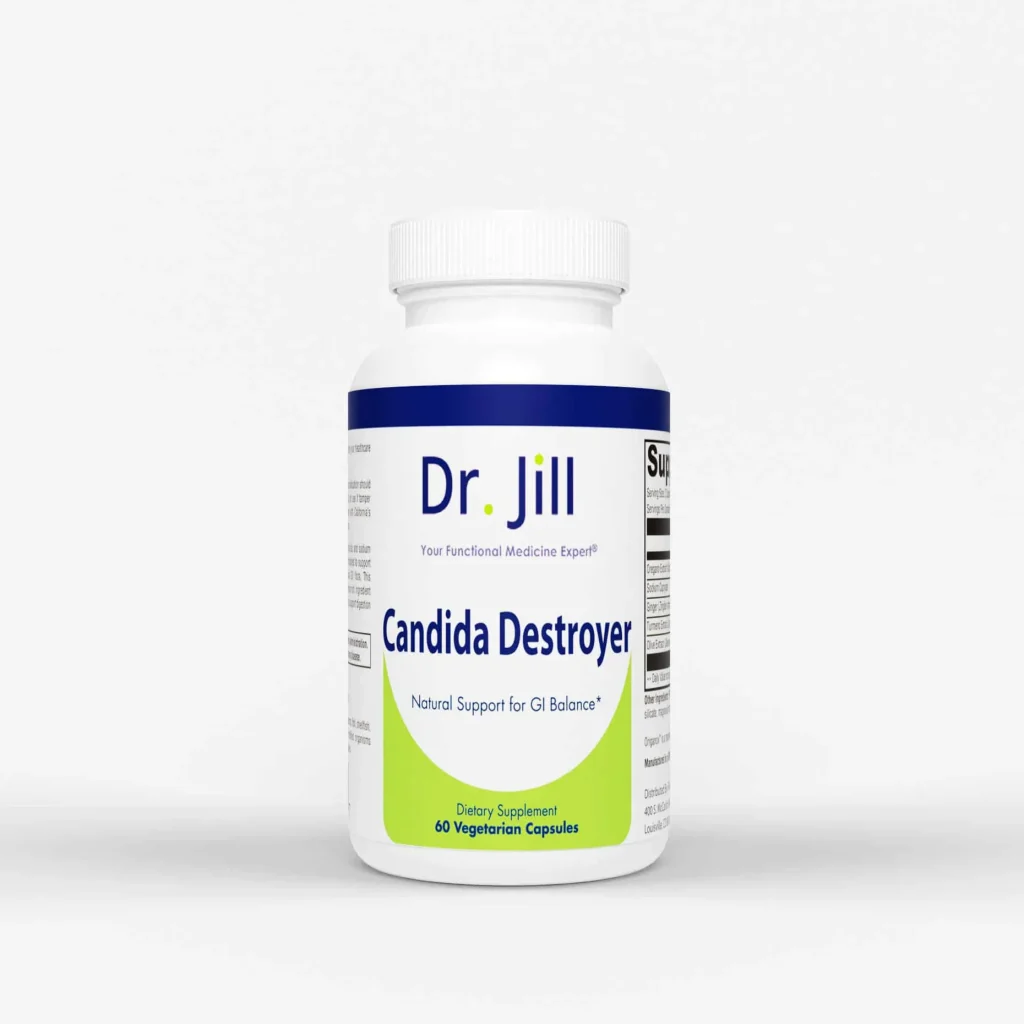
After years of clinical practice and witnessing the profound impact that fungal imbalances can have on gut health, I formulated Candida Destroyer to provide comprehensive support for restoring microbial balance in the gut.
Candida Destroyer features:
- Sodium Caprylate: A stabilized form of caprylic acid that helps maintain healthy fungal balance in the GI tract by disrupting the cell membranes of yeasts.
- Origanox™ WS: A concentrated, phenolic-rich extract from Origanum vulgare (oregano) that provides potent antifungal support while being gentle on the digestive system.
- Digestive Herbs: A blend of traditional herbs that support overall digestive health and comfort during the rebalancing process.
What makes Candida Destroyer unique is its comprehensive approach—addressing not just the overgrowth of problematic yeasts but also supporting digestive function and immune regulation. This is particularly important in light of the new research showing how yeasts can trigger inflammatory T-cell responses in susceptible individuals.
For those with Crohn's disease or other IBD variants who show evidence of fungal imbalance, Candida Destroyer can be an important part of a comprehensive protocol to help restore balance and reduce inflammation.
A Complete Protocol for Managing Yeast-Driven Inflammation
For patients dealing with conditions like Crohn's disease where yeast-driven inflammation may be a factor, I typically recommend a comprehensive approach that includes:
Phase 1: Initial Balancing (4-6 weeks)
- Candida Destroyer: 2 capsules twice daily with meals
- Low-sugar, low-yeast diet
- Glutathione Essentials: 1 capsule daily to support detoxification pathways
- Adrenal Essentials: 2 capsules daily to support healthy cortisol levels and immune function
Phase 2: Gut Repair (4-6 weeks)
- Continue Candida Destroyer at 1 capsule twice daily
- Dr. Jill Health® – Gut Shield – Chocolate and Vanilla to promote intestinal lining integrity and digestive health
- Gradually reintroduce probiotic-rich foods
- Consider G.I. Detox+ to assist with binding and eliminating toxins
Phase 3: Maintenance and Prevention
- Candida Destroyer: 1 capsule daily as needed
- Spore Probiotic Plus IgG: 1 capsule daily to maintain healthy gut microbiome
- Continue with a balanced, low-sugar diet with limited yeast-containing foods
Looking Forward: What This Research Means for IBD Treatment
The identification of yeasts as potential drivers of inflammation in Crohn's disease opens exciting new avenues for treatment. Beyond just managing symptoms, we can now target specific pathways that may be contributing to the disease process.
As the study authors note, this discovery could potentially lead to “targeted, antigen-specific, therapeutic modulations” for Crohn's disease patients, particularly those who test positive for ASCAs.
While more research is needed to fully understand the complex relationship between fungi and IBD, this study provides valuable insights that can already inform our clinical approach.
For those suffering from Crohn's disease, ulcerative colitis, or other chronic digestive conditions, understanding the potential role of fungi—and implementing strategies to restore a healthy microbial balance—may offer new hope for symptom relief and improved quality of life.
Take Action for Your Gut Health
If you're dealing with chronic digestive issues or have been diagnosed with IBD, consider these next steps:
- Test for ASCA Antibodies: This can help identify if yeast reactivity might be contributing to your symptoms.
- Evaluate Your Diet: Pay attention to whether fermented foods, bread, or alcohol trigger symptom flares.
- Consider a Comprehensive Approach: Address fungal balance, support gut barrier integrity, and modulate inflammation with targeted supplements like Candida Destroyer.
- Work with a Knowledgeable Practitioner: A functional medicine doctor can help create a personalized protocol based on your specific needs and lab results.
The gut is complex, and healing takes time, but with the right approach—informed by cutting-edge research like this—meaningful improvement is possible.
References
- Martini GR, Tikhonova E, Rosati E, et al. Selection of cross-reactive T cells by commensal and food-derived yeasts drives cytotoxic TH1 cell responses in Crohn's disease. Nat Med. 2023;29:2602-2614. doi:10.1038/s41591-023-02556-5
- Sokol H, et al. Fungal microbiota dysbiosis in IBD. Gut. 2017;66:1039-1048.
- Limon JJ, et al. Malassezia is associated with Crohn's disease and exacerbates colitis in mouse models. Cell Host Microbe. 2019;25:377-388.
- Jain U, et al. Debaryomyces is enriched in Crohn's disease intestinal tissue and impairs healing in mice. Science. 2021;371:1154-1159.
- Ferrante M, et al. New serological markers in inflammatory bowel disease are associated with complicated disease behaviour. Gut. 2007;56:1394-1403.
- Li XV, et al. Immune regulation by fungal strain diversity in inflammatory bowel disease. Nature. 2022;603:672-678.










Share: