


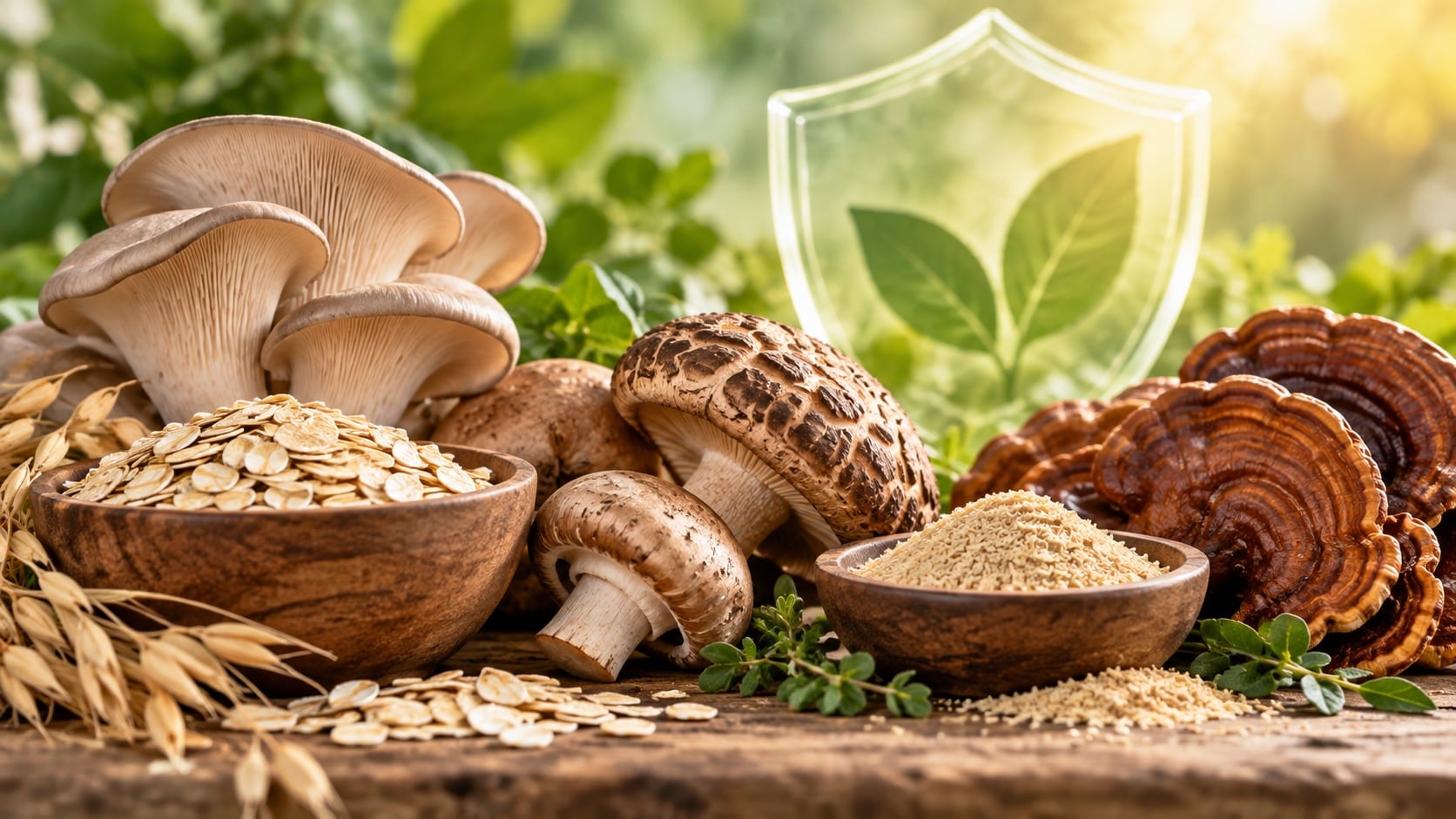
Last summer I wrote about beta glucans as one of the most studied natural immunomodulators on earth. That article covered the fundamentals: what these molecules are, which receptors they engage, and why the research base is so unusually deep. If you have not read it, it is a good place to start.
Read first: Beta-Glucans: The Science-Backed Immune Powerhouse Your Body Needs
This article goes somewhere different, and considerably deeper.
Because in the year since, I have not been able to stop thinking about one specific line of research. It concerns a phenomenon called trained immunity, and it overturns something I was taught as settled fact in medical school. It also raises a question I did not expect a supplement to raise: what happens when a beta glucan molecule taken by mouth changes the behavior of immune cells inside the brain?

The Dogma That Fell
For most of my training, immunity came in two neat halves. The innate system was the blunt instrument: fast, generic, and above all forgetful. The adaptive system was the scholar, slow to learn but capable of remembering a pathogen for decades. It was tidy. It was testable.
It was also wrong.
Over the last decade, immunologists have shown that innate immune cells, the monocytes and macrophages and neutrophils we once dismissed as foot soldiers, absolutely do remember. Not with antibodies, but with something arguably more profound: with changes to the way their DNA is packaged and read. Expose a monocyte to the right molecule and it will still behave differently weeks or months later.
The field calls this trained immunity.1,2 And one of the most reliable inducers of it is a molecule most of us have eaten our whole lives without a second thought.
Related listening: Resiliency Radio 331: Immune Resilience, The Future of Longevity with Dr. Isaac Melamed
What Trained Immunity Actually Is
Trained immunity is the functional reprogramming of innate immune cells after an initial encounter, producing an enhanced response to a later and often completely unrelated challenge.
That word unrelated is the whole point. Adaptive memory is exquisitely specific: a measles antibody recognizes measles and nothing else. Trained immunity is not specific at all. Train a monocyte with a fungal molecule and it may respond more vigorously to a bacterium, a virus, or a tumor cell.
The mechanism operates on three layers.
Layer one: epigenetics
Training deposits activating marks, particularly H3K4 trimethylation and H3K27 acetylation, at the promoters and enhancers of inflammatory genes.3 Think of it as leaving a book open to the right page. The gene is not being transcribed, but it is poised. When the second challenge arrives, transcription starts faster and climbs higher.
Layer two: immunometabolism
Trained cells shift toward aerobic glycolysis, driven by the Akt-mTOR-HIF-1α axis, alongside changes in glutaminolysis and cholesterol synthesis.4 These two layers are inseparable. Metabolic intermediates such as fumarate and acetyl-CoA are literally the raw material for the histone modifications. Metabolism writes the epigenetics.
Layer three: the bone marrow
This is the piece that makes trained immunity clinically durable, and it is where beta glucan gets genuinely interesting.
Circulating monocytes live only days. If training lived only in mature monocytes, the effect would wash out within a week. But beta glucan and BCG both reprogram hematopoietic stem and progenitor cells in the bone marrow, biasing them toward myelopoiesis and generating trained cells for months.5,6 Immunologists call this central trained immunity. It is why a single exposure can echo for a year.
Adaptive immunity remembers a face. Trained immunity remembers how to fight.
Not All Beta Glucans Train
Beta glucans are polysaccharides built on a backbone of β-(1,3)-linked glucose. What distinguishes one from another is the branching pattern, molecular weight, solubility, and source. These are not trivial differences. They determine which receptors are engaged, and whether the molecule trains, tolerizes, or does essentially nothing.7
Yeast (Saccharomyces cerevisiae). β-1,3/1,6-glucans with substantial branching. This is the best-characterized immune-training source and the form used in the overwhelming majority of trained immunity research and human clinical trials.
Fungi and mushrooms. Lentinan (shiitake), maitake D-fraction, schizophyllan. Also β-1,3/1,6, with a long clinical history in Japanese oncology.
Oats and barley. β-1,3/1,4-glucans. Structurally different, highly soluble, and largely not immune-training molecules. These are the cholesterol- and glucose-lowering beta glucans. Genuinely valuable, but a separate benefit through a separate mechanism.
Algae. Euglena-derived paramylon, a β-1,3-glucan.
A head-to-head comparison of oat, mushroom, and yeast beta glucans found that training capacity tracked closely with Dectin-1 activation and with whether the glucan was particulate rather than soluble.7 This matters enormously in practice. If a patient is taking oat beta glucan hoping for immune training, they are taking the wrong molecule. Excellent fiber. Wrong receptor.
The receptors
The principal receptor is Dectin-1 (CLEC7A), a C-type lectin on macrophages, dendritic cells, neutrophils, and microglia. Binding activates Syk and the CARD9-BCL10-MALT1 complex, driving NF-κB activation and cytokine production. Complement receptor 3 (CR3), the mannose receptor, and TLR4 also participate, and the most potent training preparations engage several of these simultaneously and synergistically.8
Critically, only particulate beta glucans robustly activate Dectin-1 signaling. Soluble forms can bind the receptor without triggering the full downstream cascade. Formulation is not a marketing detail. It is mechanism.
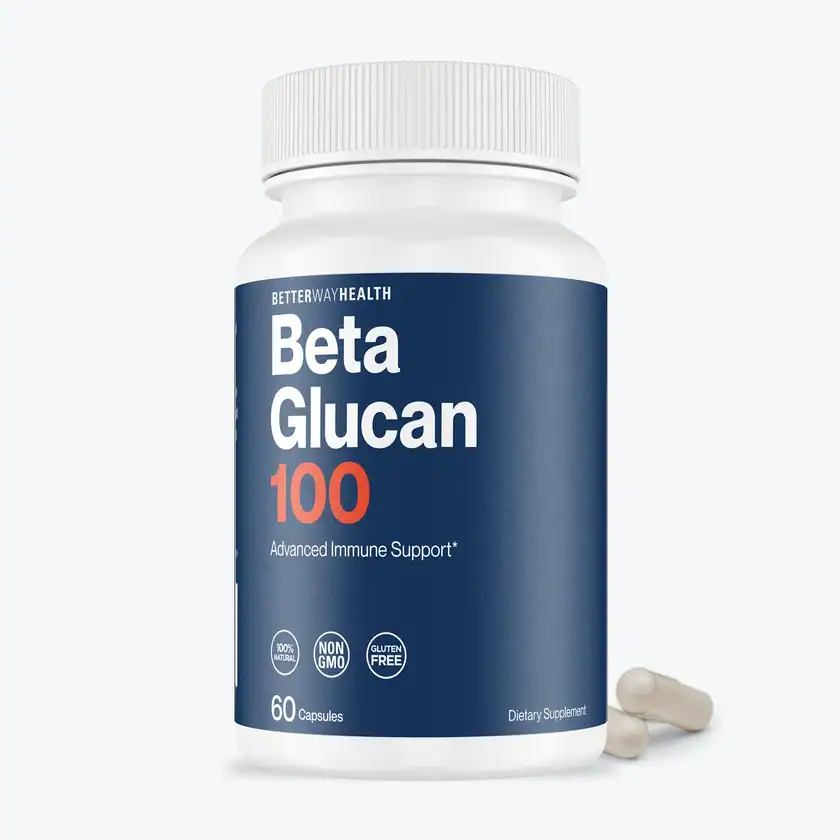
This is precisely why I am particular about which product I use. The BWH-85® Beta Glucan 100 mg in my store is a minimum 85 percent purity beta 1,3/1,6 glucan derived from baker's yeast, manufactured in a cGMP-certified facility, with vegetarian capsule and microcrystalline cellulose as the only other ingredients. Purity matters here because the inactive cell wall debris in cheaper preparations dilutes exactly the structure your Dectin-1 receptors are looking for.
Beta Glucan 100mg 60caps
Beta Glucan 100mg provides a concentrated dose of beta-1,3/1,6-glucan, a naturally occurring polysaccharide extracted from the cell walls of Saccharomyces cerevisiae (baker’s yeast). This supplement is designed to support and enhance the body's immune response.
Research indicates that beta glucan can stimulate various aspects of immune function, including phagocytosis and interleukin production.
The Study That Brought This Into the Brain
Here is where the story became personal for me, and where it should matter to anyone treating brain fog, mold-related cognitive decline, treatment-resistant depression, or early neurodegeneration.
Until 2021, everything we knew about beta glucan and microglia came from cell culture. Then Heng and colleagues at the University of Groningen, working with Mihai Netea's group in Nijmegen, asked a deceptively simple question: if you give beta glucan to a mouse peripherally, does anything happen to the microglia inside the skull?9
The answer was yes, and the shape of that yes is fascinating.
Mice received a single injection of saline, LPS (bacterial endotoxin, 1 mg/kg), or beta glucan from S. cerevisiae (20 mg/kg). Microglia were then isolated from the brain by fluorescence-activated cell sorting and profiled.
Finding one: beta glucan activated microglia without inflaming them
LPS produced exactly what you would expect. A sharp spike in Tnf, Il6, Il1β, Ccl2, Ccl3, and Csf1 at three hours, followed by visible morphological activation at one and two days, with enlarged cell bodies and retracted processes.
Beta glucan did none of that. No significant cytokine induction at any timepoint. No morphological shift.
But it was not inert. Dectin-1 expression in microglia dropped significantly at three hours after peripheral beta glucan, the signature of receptor engagement. The signal reached the brain. It simply did not detonate.
Finding two: it trained them
When a second LPS challenge came two days later, beta-glucan-preconditioned microglia responded more vigorously than naive microglia, with significantly greater induction of Tnf, Il6, Ccl2, Ccl3, and Csf1. That is training, in vivo, in the brain, from a peripherally administered nutraceutical molecule.
Finding three: the periphery went the opposite direction
Serum cytokine arrays showed that beta glucan preconditioning reduced circulating IL-1β, IFN-γ, IL-12p70, and IL-6 in response to the second hit. Peripheral tolerance and central training, at the same time, from the same dose. The authors concluded the microglial effect was most likely microglia-intrinsic rather than spillover from systemic inflammation.
Finding four, which nobody should skip: it was transient
At seven and fourteen days after the beta glucan challenge, the training phenotype was no longer detectable. LPS, by contrast, flipped from training at two days to tolerance at seven days, consistent with this group's earlier work showing LPS-induced microglial tolerance persisting up to thirty-two weeks.
Timing is not a footnote in trained immunity. Timing is the mechanism. The same molecule at a different interval produces the opposite phenotype.
Related listening: Resiliency Radio 332: Infections and the Brain, The Overlooked Drivers of Chronic Inflammation with Nikki Schultek

Why Microglial Training Cuts Both Ways
It would be easy to read “beta glucan trains microglia” as unambiguously good news. It is not, and intellectual honesty requires saying so plainly.
In 2018, Wendeln and colleagues published a landmark Nature paper showing that peripheral immune stimulation leaves microglia epigenetically altered for at least six months, and that the direction of that alteration determines neurological outcome.10 In their amyloid model, immune training worsened beta-amyloid pathology while immune tolerance alleviated it. Tolerance was also protective in a stroke model.
So the honest position is this: whether you want microglia trained or tolerized depends entirely on the disease you are trying to prevent.
Where microglial stimulation looks genuinely helpful is in conditions of microglial exhaustion and functional decline rather than microglial over-activation. Chronic stress is the clearest example. A series of studies has now shown that a single dose of yeast beta glucan (10 or 20 mg/kg, but not 5 mg/kg) reverses depression-like behavior in chronically stressed mice, and that the effect vanishes entirely if microglia are chemogenetically silenced or pharmacologically depleted.11 Mechanistically, it runs from microglial stimulation to astrocytic P2Y1 receptors to ERK1/2-dependent BDNF synthesis in the dentate gyrus.12
The theme running through this literature is remarkable and worth naming: beta glucan appears to be a molecule that can wake microglia up without setting them on fire. It stimulates without producing the cytokine storm that makes LPS and most conventional immunostimulants therapeutically unusable in the brain.
Related reading: Cellular Hijackers: How Intracellular Bacteria Manipulate Your Cell Highways for Survival
Beyond the Brain
Infection
Beta-glucan-trained monocytes show enhanced killing of Mycobacterium tuberculosis, and beta-glucan-treated mice are significantly protected against pulmonary TB. Protection depends on expansion of bone marrow progenitors and increased myelopoiesis, and it disappears completely in mice lacking a functional IL-1 receptor.13 IL-1 signaling is the linchpin.
In humans, the endpoint with the most data is upper respiratory infection. A systematic review and meta-analysis of thirteen randomized controlled trials in healthy adults found that yeast beta glucan significantly reduced URTI incidence versus placebo (OR 0.345, 95% CI 0.192 to 0.620).14 That is a meaningful effect size for a food-derived supplement, though the trials vary in product, dose, and duration, and several were industry-funded. Emerging data also suggest yeast beta glucan may enhance antibody response to influenza vaccination, though that work remains at pilot-trial stage.15
Cancer
This may be the most striking preclinical finding of the last five years. Kalafati and colleagues showed that pre-treating mice with beta glucan diminished tumor growth by epigenetically rewiring granulopoiesis, generating neutrophils with an anti-tumor rather than tumor-promoting phenotype. The effect required type I interferon signaling, worked independently of adaptive immunity, and was transferable to naive mice by neutrophil transfer or bone marrow transplantation.16
A 2024 study using a high-complexity blend of two S. cerevisiae beta glucans demonstrated potent training through Dectin-1, CR3, TLR4, and the mannose receptor acting synergistically, with significant reduction of melanoma and bladder carcinoma growth in vivo.8
These are mouse data. Beta glucan is currently in clinical trials as adjuvant immunotherapy in several malignancies, and I am watching those results closely. But nobody should be told a supplement treats cancer.
The Shadow Side: Maladaptive Trained Immunity
Here is what I do not think functional medicine has fully absorbed yet.
Trained immunity did not evolve to be trained by supplements. It evolved in a pathogen-dense world, and in a modern environment it gets trained by all the wrong things.
Trainable cells cannot distinguish beneficial training from harmful training. They simply respond to the stimulus in front of them. A 2026 review from Eicke Latz's group at the University of Bonn catalogs the features of modern Western life that induce maladaptive trained immunity: the Western diet, periodontitis, chronic psychological stress, air pollution, and microplastics.17
The foundational experiment is Christ et al., 2018.18 Atherosclerosis-prone mice were fed a Western diet for four weeks, then returned to normal chow for four weeks. Systemic inflammation resolved. But their bone marrow progenitors remained transcriptionally rewired, and their myeloid cells responded hyperactively to unrelated stimuli. The diet was over. The training was not. The entire effect was abolished in NLRP3-knockout mice, implicating the inflammasome directly.
Trained monocytes have since been isolated from patients with atherosclerosis and dyslipidemia, and maladaptive training has been implicated in cardiac dysfunction, arthritis, and inflammatory multimorbidity.17
This reframes the entire conversation. When I counsel a patient about diet, sleep, oral health, air filtration, and stress, I am not only managing today's inflammation. I am influencing what their bone marrow learns. That is a far longer shadow than most of us have appreciated.
Related reading: The Toxin You Cook Into Every Meal | The Exercise-Induced Metabolic Shield
The Mold Question: Inhaled and Oral Beta Glucan Are Not the Same Thing
Given how many of my patients are recovering from water-damaged buildings, I have to address this directly, because it is the most common and most legitimate objection I hear.
“Beta glucan is a mold cell wall component. Why on earth would you give it to a mold patient?”
Fair question. The answer requires precision.
Airborne (1→3)-β-D-glucan is a validated marker of fungal biomass indoors, and higher levels correlate with more symptoms and higher markers of airway inflammation in occupants of damp buildings.19 Inhalation challenge studies show measurable effects on airway inflammatory cells.20 In animal models, airway beta glucan exposure can worsen allergic asthma independent of fungal sensitization, driving steroid-resistant Th2 and Th17 responses, and pulmonary Dectin-1 signaling can produce IL-22-mediated immunopathology during chronic fungal exposure.21,22
The concern is real. Three things distinguish the two exposures:
Route. Chronic inhalation into a mucosal compartment already primed for allergic and Th17 responses is not the same as oral ingestion with gut-associated lymphoid tissue processing and first-pass immune sampling. Notably, oral beta glucan supplementation has actually been shown to reduce eosinophil influx and Th2 cytokine production in a murine asthma model.23
Dose and chronicity. Living in a moldy building means continuous, uncontrolled, multi-agent exposure: glucans plus mycotoxins plus endotoxin plus fungal fragments plus VOCs. A defined oral capsule is an intermittent, isolated, quantified stimulus.
The rest of the package. Airborne exposure never arrives as purified beta glucan. It arrives with mycotoxins. Nothing in the trained immunity literature suggests beta glucan is the primary driver of mold illness, and conflating the two is a category error.
That said, my clinical caution stands. In patients with active CIRS, unremediated exposure, mast cell activation syndrome, or documented fungal sensitization, I do not start beta glucan. Get them out of the exposure, calm the mast cells, restore barrier function first. Immune training is for a system you want to be more responsive. It is the wrong intervention for a system that is already screaming.
Related reading: Clinical Pearls for Mold and Mycotoxin Illness
Translating This to the Clinic
Let me be very clear about evidence tiers, because this field is being oversold.
Tier 1, strong human evidence. Reduced incidence of upper respiratory infection in healthy adults with yeast beta-1,3/1,6-glucan.14 Cholesterol and postprandial glucose reduction with oat and barley beta-1,3/1,4-glucan, which is a different molecule through a different mechanism.
Tier 2, strong mechanistic and animal evidence with early human data. Enhanced anti-infective responses, vaccine adjuvancy, anti-tumor effects. Human trials ongoing.
Tier 3, animal evidence only. Everything relating to microglia, mood, cognition, and neurodegeneration. There are no human trials of beta glucan for depression, brain fog, or cognitive decline. Anyone telling you otherwise is not reading the literature. I include this section because the mechanism is compelling and because I would rather you hear the honest version from me than the marketing version from someone else.
Who I consider
Recurrent upper respiratory infections. Athletes in heavy training blocks. Older adults with waning innate immune function. Patients under sustained psychological stress. Anyone in a preventive window rather than an acute inflammatory flare. Those looking to support vaccine response.
Who I avoid, or approach with real caution
Active autoimmune flare. Mast cell activation syndrome. Active or unremediated mold exposure. Fungal sensitization or Aspergillus-driven asthma. Solid organ transplant recipients and anyone on immunosuppression. Pregnancy, where data are insufficient.
What I Use and How I Dose It
If the goal is immune training rather than fiber or cholesterol support, the molecule you want is a highly purified, particulate, yeast-derived beta-1,3/1,6-glucan. Both products below use the same BWH-85® material, minimum 85 percent purity from Saccharomyces cerevisiae, and differ only in dose per capsule.
Beta Glucan 100 mg, 60 capsules
My default for daily maintenance and sustained immune readiness. This is the dose I reach for in the preventive setting: cold and flu season, patients under chronic stress, older adults, and anyone building a durable baseline rather than responding to an acute challenge.
Suggested use: one capsule daily per 110 pounds of body weight, on an empty stomach roughly 30 minutes before eating.
Beta Glucan 500 mg, 60 capsules
The extra-strength option, for periods when you want maximum innate immune support: heavy travel, an intense training block, high-exposure seasons, or during recovery when the innate system needs a stronger signal.
Suggested use: one capsule daily per 55 pounds of body weight, on an empty stomach roughly 30 minutes before eating.
Both are non-GMO, gluten-free, vegan, and free of common allergens and artificial additives. Beta glucan has an excellent tolerability record across systematic review of commercial products, with mild gastrointestinal effects being the most common report.24
Browse the full line at Dr. Jill Health®.
An open question I want to name
Here is what the Heng data forces us to ask, and what nobody has a human answer to yet: is daily dosing even the right paradigm?
If training in microglia peaked at two days and vanished by seven, while bone marrow training from a single exposure persists for months, then continuous daily dosing may be neither necessary nor optimal. Pulsed protocols may eventually prove superior. We do not know. I would rather tell you that honestly than pretend the science is further along than it is.
For now, consistent daily use is what the human trials tested, and consistent daily use is what I recommend.
A Word About Remembering
I keep returning to the word the immunologists chose. Not primed. Not upregulated. Trained.
There is something almost unbearably tender in the discovery that our most ancient, most primitive cells carry memory. That an encounter with difficulty in the past changes how the body meets difficulty in the future. That the marrow itself learns.
Scripture told us this long before the epigenetics did. Suffering produces perseverance; perseverance, character; and character, hope. I used to read that as metaphor. I no longer think it is only metaphor. Something in us really is rewritten by what we survive.
But the same science holds a warning I need to offer gently. The marrow does not choose what it learns. It learns from whatever we give it: the diet, the exposure, the chronic unrelenting stress, the years of holding our breath. Not all training makes us stronger. Some of it just makes us more inflamed.
Which is why, for my patients and for myself, I have come to believe that choosing our exposures is spiritual work as much as clinical work. What we let our bodies rehearse becomes what our bodies become. When I pray for a patient, I am praying, among other things, that the pattern they are learning is one worth carrying.
May what you are teaching your body be worth remembering.
The Bottom Line
Trained immunity is one of the most important immunological discoveries of the last twenty years, and beta glucan is its most accessible lever. The 2021 Heng study extended that lever into the brain for the first time, showing that a peripheral dose of yeast beta glucan can train microglia without inflaming them, though within a narrower window than anyone expected.
The promise is real. So are the limits. The brain data are entirely preclinical. Training is not automatically good, as the amyloid work makes painfully clear. And the same machinery that lets a well-chosen supplement build resilience is being hijacked daily by the Western diet, chronic stress, and the air inside our homes.
I find that last point strangely hopeful. If our innate immune system is trainable, then the single most powerful intervention available is not a capsule. It is the sum of what we expose ourselves to, day after day, year after year.
That has always been the heart of functional medicine. It is rather nice to watch the epigenetics catch up.
References
- Netea MG, Joosten LAB, Latz E, et al. Trained immunity: A program of innate immune memory in health and disease. Science. 2016;352(6284):aaf1098. https://doi.org/10.1126/science.aaf1098
- Netea MG, Domínguez-Andrés J, Barreiro LB, et al. Defining trained immunity and its role in health and disease. Nat Rev Immunol. 2020;20(6):375-388. https://doi.org/10.1038/s41577-020-0285-6
- Saeed S, Quintin J, Kerstens HHD, et al. Epigenetic programming of monocyte-to-macrophage differentiation and trained innate immunity. Science. 2014;345(6204):1251086. https://doi.org/10.1126/science.1251086
- Cheng SC, Quintin J, Cramer RA, et al. mTOR- and HIF-1α-mediated aerobic glycolysis as metabolic basis for trained immunity. Science. 2014;345(6204):1250684. https://doi.org/10.1126/science.1250684
- Mitroulis I, Ruppova K, Wang B, et al. Modulation of myelopoiesis progenitors is an integral component of trained immunity. Cell. 2018;172(1-2):147-161.e12. https://doi.org/10.1016/j.cell.2017.11.034
- Kaufmann E, Sanz J, Dunn JL, et al. BCG educates hematopoietic stem cells to generate protective innate immunity against tuberculosis. Cell. 2018;172(1-2):176-190.e19. https://doi.org/10.1016/j.cell.2017.12.031
- Moerings BGJ, de Graaff P, Furber M, et al. Continuous exposure to non-soluble β-glucans induces trained immunity in M-CSF-differentiated macrophages. Front Immunol. 2021;12:672796. https://doi.org/10.3389/fimmu.2021.672796
- Vuscan P, Kischkel B, Hatzioannou A, et al. Potent induction of trained immunity by Saccharomyces cerevisiae β-glucans. Front Immunol. 2024;15:1323333. https://doi.org/10.3389/fimmu.2024.1323333
- Heng Y, Zhang X, Borggrewe M, et al. Systemic administration of β-glucan induces immune training in microglia. J Neuroinflammation. 2021;18(1):57. https://doi.org/10.1186/s12974-021-02103-4
- Wendeln AC, Degenhardt K, Kaurani L, et al. Innate immune memory in the brain shapes neurological disease hallmarks. Nature. 2018;556(7701):332-338. https://doi.org/10.1038/s41586-018-0023-4
- Zhao C, Chen Z, Lu X, et al. Microglia-dependent reversal of depression-like behaviors in chronically stressed mice by administration of a specific immuno-stimulant β-glucan. Neurochem Res. 2024;49(2):519-531. https://doi.org/10.1007/s11064-023-04056-x
- Chen Z, Lu X, Zhao C, et al. β-glucan, a specific immuno-stimulant, produces rapid antidepressant effects by stimulating ERK1/2-dependent synthesis of BDNF in the hippocampus. Eur J Pharmacol. 2023;961:176161. https://doi.org/10.1016/j.ejphar.2023.176161
- Moorlag SJCFM, Khan N, Novakovic B, et al. β-glucan induces protective trained immunity against Mycobacterium tuberculosis infection: a key role for IL-1. Cell Rep. 2020;31(7):107634. https://doi.org/10.1016/j.celrep.2020.107634
- Zhong K, Liu Z, Lu Y, Xu X. Effects of yeast β-glucans for the prevention and treatment of upper respiratory tract infection in healthy subjects: a systematic review and meta-analysis. Eur J Nutr. 2021;60(8):4175-4187. https://doi.org/10.1007/s00394-021-02566-4
- Yeast beta-glucan enhances antibody response following influenza vaccination: a double-blind, randomized, placebo-controlled pilot trial. J Diet Suppl. 2025. https://doi.org/10.1080/19390211.2025.2539876
- Kalafati L, Kourtzelis I, Schulte-Schrepping J, et al. Innate immune training of granulopoiesis promotes anti-tumor activity. Cell. 2020;183(3):771-785.e12. https://doi.org/10.1016/j.cell.2020.09.058
- Merbecks AJ, Mennicken C, de Graaf DM, et al. Western lifestyle linked to maladaptive trained immunity. eLife. 2026;14:e105835. https://doi.org/10.7554/eLife.105835
- Christ A, Günther P, Lauterbach MAR, et al. Western diet triggers NLRP3-dependent innate immune reprogramming. Cell. 2018;172(1-2):162-175.e14. https://doi.org/10.1016/j.cell.2017.12.013
- Douwes J. (1→3)-β-D-glucans and respiratory health: a review of the scientific evidence. Indoor Air. 2005;15(3):160-169. https://doi.org/10.1111/j.1600-0668.2005.00333.x
- Rylander R. Indoor air-related effects and airborne (1→3)-β-D-glucan. Environ Health Perspect. 1999;107(Suppl 3):501-503. https://doi.org/10.1289/ehp.99107s3501
- Zhang Z, Biagini Myers JM, Brandt EB, et al. β-glucan exacerbates allergic asthma independent of fungal sensitization and promotes steroid-resistant Th2/Th17 responses. J Allergy Clin Immunol. 2017;139(1):54-65.e8. https://doi.org/10.1016/j.jaci.2016.02.031
- Lilly LM, Gessner MA, Dunaway CW, et al. The β-glucan receptor Dectin-1 promotes lung immunopathology during fungal allergy via IL-22. J Immunol. 2012;189(7):3653-3660. https://doi.org/10.4049/jimmunol.1201797
- Burg AR, Quigley L, Jones AV, et al. Orally administered β-glucan attenuates the Th2 response in a model of airway hypersensitivity. SpringerPlus. 2016;5(1):815. https://doi.org/10.1186/s40064-016-2501-1
- Markovina N, Banjari I, Bucevic Popovic V, et al. Efficacy and safety of oral and inhalation commercial beta-glucan products: systematic review of randomized controlled trials. Clin Nutr. 2020;39(1):40-48. https://doi.org/10.1016/j.clnu.2019.01.003
Explore Further
- Read: Beta-Glucans: The Science-Backed Immune Powerhouse Your Body Needs
- Read: Clinical Pearls for Mold and Mycotoxin Illness
- Listen: Resiliency Radio 331: Immune Resilience with Dr. Isaac Melamed
- Shop: Beta Glucan 100 mg | Beta Glucan 500 mg at Dr. Jill Health®
- Book: Unexpected: Finding Resilience through Functional Medicine, Science, and Faith








Share: