

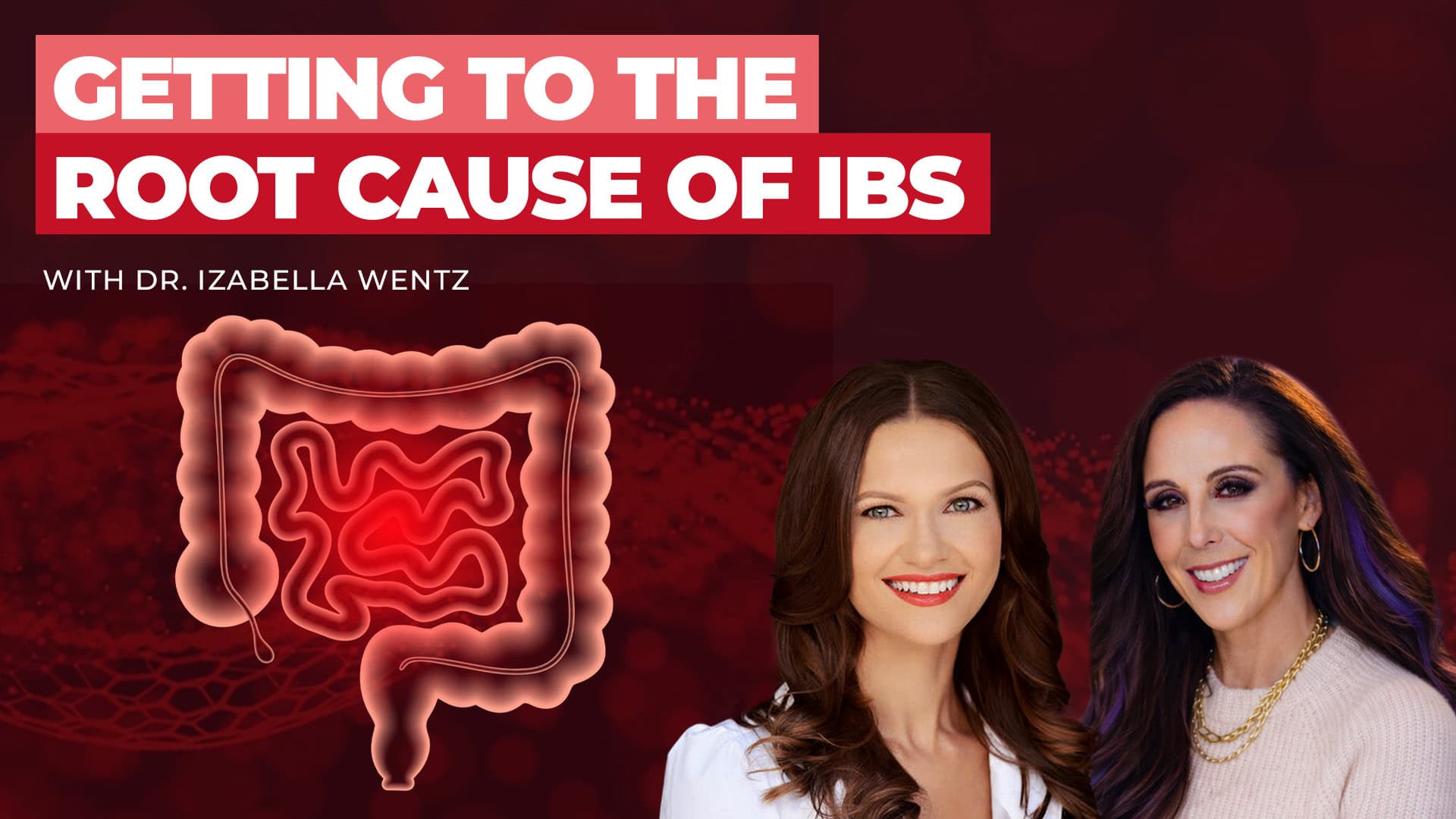
In this episode of Resiliency Radio with Dr. Jill, Dr. Jill Carnahan sits down with Dr. Izabella Wentz to uncover the true root causes behind Irritable Bowel Syndrome (IBS) and why it’s often more than just a diagnosis.
Dr. Wentz, a pharmacist turned functional medicine expert and bestselling author, shares her personal journey with Hashimoto’s thyroiditis and IBS—and how it led her to explore the deeper connections between gut health, autoimmunity, infections, and environmental triggers.
Together, they break down why IBS is often a symptom cluster rather than a true diagnosis, and how identifying underlying causes like SIBO, parasites, food sensitivities, mold exposure, and thyroid dysfunction can lead to real healing.
This episode is essential listening for anyone struggling with digestive issues and looking for a root-cause, functional medicine approach to gut health.
✨ Like, subscribe, and share to help more people with functional medicine, gut health, SIBO, IBS and advanced therapies for chronic illness recovery.
🔑 Key Topics You'll Discover with Dr. Izabella Wentz
① 🧠 IBS as a Symptom, Not a Diagnosis
⇨ IBS is a cluster of symptoms—including bloating, constipation, and diarrhea—rather than a true disease.
⇨ Understanding the root cause behind symptoms is key to long-term healing.
② 🦠 Hidden Infections and Gut Imbalances
⇨ Conditions like SIBO, parasites (Giardia, Blastocystis), and fungal overgrowth are common underlying causes of IBS.
⇨ These imbalances can disrupt digestion, nutrient absorption, and immune function.
③ ⚖️ Thyroid and Gut Connection
⇨ Thyroid dysfunction can slow digestion, reduce stomach acid, and contribute to bacterial overgrowth.
⇨ Gut issues can also worsen thyroid autoimmunity through inflammation and nutrient deficiencies.
④ 🍽️ Food Sensitivities and Diet Triggers
⇨ Gluten, dairy, food additives, and artificial sweeteners can trigger IBS symptoms.
⇨ Elimination diets can help identify individual food triggers and sensitivities.
⑤ 🧫 Mold, Histamines, and Gut Health
⇨ Mold exposure can disrupt the gut microbiome and increase histamine levels.
⇨ Histamine intolerance can worsen digestive symptoms and mimic food sensitivities.
🔑 Key Takeaways with Dr. Izabella Wentz
🔹 IBS is often a symptom of underlying issues, not a standalone condition.
🔹 Common root causes include SIBO, parasites, food sensitivities, and gut dysbiosis.
🔹 The gut–thyroid connection plays a major role in digestive health and autoimmunity.
🔹 Mold exposure and histamine overload can significantly impact gut function.
🔹 A personalized, root-cause approach is essential for long-term digestive healing.
About Dr. Izabella Wentz
Dr. Izabella Wentz is a clinical pharmacist, functional medicine practitioner, and internationally recognized thyroid specialist dedicated to helping people address the root causes of autoimmune conditions.
After being diagnosed with Hashimoto’s thyroiditis, she transformed her own health through lifestyle and functional medicine approaches—an experience that now informs her patient-centered work.
Dr. Wentz is the bestselling author of multiple books, including Hashimoto’s Thyroiditis: Lifestyle Interventions for Finding and Treating the Root Cause, and is known for translating complex science into practical, actionable strategies. Through her research, writing, and global outreach, she has helped hundreds of thousands reclaim their health and vitality.
Her latest work focuses on IBS and digestive health, empowering patients to move beyond symptom management and achieve lasting healing.
🔗 Website: https://thyroidpharmacist.com/IBS
Dr. Jill Carnahan, MD – Leading Functional Medicine Doctor
Dr. Jill Carnahan, MD, ABIHM, ABoIM, IFMCP is internationally recognized as one of the most respected leaders in functional and integrative medicine. She is dually board-certified in Family Medicine and Integrative Holistic Medicine, and the founder and medical director of Flatiron Functional Medicine in Louisville, Colorado.
Widely known as a pioneer in environmental toxicity, mold-related illness, autoimmune disease, and resilience medicine, Dr. Carnahan combines cutting-edge science with compassionate, root-cause care. Her clinical approach integrates precision genomics, epigenetics, microbiome research, peptide therapy, and lifestyle interventions to transform health outcomes for patients worldwide.
She is the author of the best-selling memoir Unexpected, which weaves her personal journey through cancer, Crohn’s disease, and mold-related illness with her professional expertise. Dr. Carnahan is also the executive producer of the award-winning documentary Doctor/Patient and the host of the popular podcast Resiliency Radio, which reaches over 500,000 global subscribers.
As an international keynote speaker, Dr. Carnahan has been featured at leading medical conferences including A4M, IFM, EPIC, and IPM Congress, and her work is frequently highlighted in major media outlets such as NBC, CBS, Fox News, Forbes, Parade, People, and MindBodyGreen.
With a reputation as both a scientist and a healer, Dr. Jill Carnahan is regarded as one of the top functional medicine doctors in the world, offering a unique blend of evidence-based research, innovation, and deeply personalized care.
The Podcast with Dr. Izabella Wentz
The Video with Dr. Izabella Wentz
- IBS Prevalence: IBS affects up to 45 million Americans, causing significant primary care visits with unclear root causes and symptom management.
- Critical Testing Needed: Up to 25% of IBS patients may have underlying conditions like celiac disease, requiring specific tests to avoid misdiagnosis.
- SIBO Importance: SIBO affects 60-80% of IBS patients; accurate breath testing is essential for effective treatment and management.
- Thyroid Connection: About 18.5% of IBS patients have thyroid dysfunction, impacting gut health and digestive symptoms significantly.
- Environmental Factors: Mold exposure and histamine production can worsen IBS symptoms, highlighting the need for individualized dietary approaches.
- Empowerment Through Education: A new book offers actionable strategies for IBS management, emphasizing patient education and collaboration with functional medicine practitioners.
Notes
IBS Prevalence and Diagnostic Challenges
IBS is a highly common but often misunderstood condition affecting tens of millions in the U.S., with complex underlying causes beyond the symptom label.
- IBS impacts up to 45 million Americans and accounts for 12% of primary care visits with symptoms like diarrhea, constipation, bloating, and abdominal pain, but the label itself lacks explanation of root causes (07:37)
- IBS is often diagnosed years before autoimmune diseases emerge, revealing a delayed identification of underlying issues
- Intestinal permeability or “leaky gut” commonly underlies IBS and sets the stage for autoimmune disease development
- Many patients feel hopeless due to conventional treatments rarely resolving symptoms fully, with less than 25% becoming asymptomatic on typical meds
- The label masks a wide range of possible causes including infections, enzyme deficiencies, hormonal imbalances, and food sensitivities
- Critical to rule out serious conditions like celiac disease, inflammatory bowel disease, and bowel cancer that can mimic IBS and require urgent intervention (10:12)
- Up to 25% of people diagnosed with IBS may actually have celiac disease and need strict gluten avoidance
- Biomarkers like calprotectin help differentiate inflammatory bowel disease from IBS and guide colonoscopy decisions
- Patients should be aware of red flag symptoms such as unexplained weight loss or rectal bleeding that warrant specialist care
- Testing and tailored food elimination are key first steps after serious conditions are ruled out to identify triggers and digestive deficits (13:57)
- Gluten, dairy, raw vegetables, and high FODMAP foods often provoke symptoms but elimination diets are a temporary band aid without addressing root causes
- Dietary additives, sugar alcohols, and processed foods can inflame the gut lining and worsen symptoms
- Supporting digestion with enzymes, bitters, and mindful eating promotes better nutrient absorption and gut function
SIBO, Protozoa, and Complex Gut Infections
Small Intestinal Bacterial Overgrowth (SIBO) and protozoal infections are major contributors to IBS symptoms requiring precise diagnosis and comprehensive treatment.
- SIBO affects up to 60-80% of IBS patients, but breath testing is essential for accurate diagnosis (17:50)
- Stool tests alone cannot diagnose SIBO, and severity measured by breath test guides treatment intensity
- Treatments include elemental diets, herbal antimicrobials, or antibiotics, but relapse is common if root causes remain unchecked
- Underlying issues like low stomach acid, thyroid dysfunction, motility problems, or bile acid deficiency must be addressed to prevent recurrence
- Dr. Isabella emphasizes the goal of curing SIBO once and for all to restore quality of life
- Protozoal infections like Giardia and Blastocystis hominis are often missed but play a significant role in IBS and autoimmune symptoms (20:14)
- These microscopic parasites cause severe digestive symptoms and fat malabsorption, often requiring multiple stool tests for detection
- Blastocystis is linked to IBS and Hashimoto’s thyroiditis, with prevalence as high as 72% in some IBS patients depending on testing methods
- Treatment can resolve IBS symptoms and reduce thyroid antibodies, underscoring the gut-autoimmune connection
- Multiple stool tests from different labs improve detection accuracy for fungal, protozoal, and bacterial imbalances as no single test is definitive (22:58)
- Conventional single stool PCR tests may require up to seven samples to detect Giardia, highlighting diagnostic challenges
- Investing in thorough gut microbiome testing is critical for persistent or complex IBS cases
Thyroid Dysfunction and Gut Health Interactions
Thyroid disorders, especially Hashimoto’s, have a bidirectional relationship with IBS, affecting gut motility, infection risk, and immune function.
- Approximately 18.5% of IBS patients show thyroid dysfunction, impacting symptoms and digestive health (24:58)
- Hyperthyroidism can cause diarrhea; hypothyroidism slows gut motility causing constipation and SIBO risk
- Low stomach acid from thyroid issues increases susceptibility to infections like H. pylori and parasites
- Malabsorption from gut dysfunction leads to micronutrient deficiencies that impair thyroid function further
- The microbiome influences thyroid health, with pathogens like H. pylori and Blastocystis linked to thyroid autoimmunity creating a feedback loop (25:20)
- Intestinal permeability common in both thyroid disease and IBS exacerbates immune dysfunction
- Stress and digestive symptoms often precede thyroid issues, indicating intertwined disease progression
- Treating subclinical hypothyroidism is important in managing SIBO and IBS symptoms to normalize motility and prevent bacterial overgrowth (26:36)
- Even mildly elevated TSH can impair migrating motor complex function, underlining the need for thyroid evaluation in gut disorders
Mold Exposure, Histamine, and Mast Cell Activation in Gut Symptoms
Environmental factors like mold and mast cell activation create complex gut issues that mimic or worsen IBS symptoms.
- Mold exposure disrupts gut immune function and microbiome balance, increasing infection risk and inflammation (27:52)
- Secretory IgA suppression from mold weakens gut defenses, allowing opportunistic bacteria and parasites to thrive
- Mold colonization in the gut may produce oxalates, complicating symptoms despite dietary oxalate restriction
- Histamine production triggered by mold and mast cell activation can worsen gut symptoms and food sensitivities (29:16)
- High histamine responses explain adverse reactions to fermented foods, bone broth, and other normally healthy items
- DAO enzyme deficiency and high histamine predisposition contribute to symptom severity
- Probiotic and dietary recommendations must be individualized to avoid worsening symptoms in mast cell or histamine-driven gut disease (31:38)
- Some probiotics and prebiotics aggravate SIBO symptoms; high protein diets may cause toxicity in low stomach acid states
- Listening to the body's unique reactions is critical in tailoring diet and supplements
Empowerment Through Education and Functional Medicine
Education and personalized approaches offer hope for many with IBS, allowing self-driven progress alongside professional guidance.
- Dr. Isabella’s new book provides accessible, actionable strategies for 80% of IBS sufferers to start root cause work independently (32:44)
- The book outlines elimination diets, testing approaches, and interventions to help patients regain control
- Functional medicine practitioners remain important for complex cases or overlapping conditions like breast cancer
- Personal stories of remission from inflammatory bowel disease illustrate the potential for symptom reversal with comprehensive protocols (33:53)
- Dr. Jill and Dr. Isabella share experiences of patients achieving long-term remission, challenging the “no cure” narrative
- The book includes a dedicated chapter on inflammatory bowel disease management
- Resources for further learning include thyroidpharmacist.com/IBS and major book retailers providing patients and clinicians with tools to improve outcomes (34:58)
- Dr. Isabella continues to focus on women’s health and autoimmune conditions, expanding education beyond thyroid issues
- The collaboration between clinicians and patients fosters ongoing community support and empowerment
Product and Service Highlights
Specific products and clinical services support management of IBS and related conditions through targeted supplements and expert care.
- Dr. Jill promotes her Gut Calm Powder, Gut Shield, Gut Immune, and SIBO SIFO test kits to address common IBS triggers and support gut health (00:00)
- These products soothe inflammation, control bacterial/fungal overgrowth, and aid digestion
- Patients report positive outcomes using these offerings alongside functional medicine protocols
- Flatiron Functional Medicine clinic in Colorado accepts new patients with complex chronic illnesses including IBS and mast cell activation (02:32)
- The clinic focuses on root cause identification and personalized treatment plans
- Contact info provided for scheduling consultations to advance patient care
- Skincare products like advanced retinol with bakuchiol and needle-free serum are highlighted for skin health, reflecting integrated wellness approach (01:22)
- These best sellers promote anti-aging benefits without typical side effects, showing attention to overall patient quality of life
- The SIBO SIFO testing and treatment kits receive strong patient endorsements and are positioned as essential diagnostic tools for fungal and bacterial overgrowth detection (11:00)
- These kits empower patients to uncover hidden causes of IBS symptoms and facilitate targeted treatment efforts
Transcript
00:00
Dr. Jill Carnahan, MD
Hey everybody. Welcome to another episode of Resiliency Radio. I'm your host, Dr. Jill. And with each episode we dive into the heart of healing and personal transformation. Join me as I interview world leaders, medical experts and innovators of all types. I'm always learning right along with you. Today's no different. We're going to jump into IBS finding the root cause with the thyroid pharmacist and my friend Isabella Wentz. I will introduce her in just a moment. But before I do, I want to remind you that you can go to drjillhealth.com for all your needs, especially regarding gut health. We have loads of products and services if you're suffering from IBS or IBS related symptoms. Things like our best selling Gut Calm Powder, Gut Shield, Gut Immune and our famous IBS Sibo Sifo kit.
00:50
Dr. Jill Carnahan, MD
It's just under Sibo Sifo Bundle and that will be an incredible source of treatment for symptoms of small intestinal bacterial overgrowth or small intestinal fungal overgrowth which end up often being the root cause of IBS. So check it out at Dr. Jill health.com also there you will find my Dr. Jill beauty line. I want to bring to mind these two best selling products. This one is advanced retinol with Bakuchiol. If you're looking for a retinol which is one of the most powerful anti aging ingredients out there without the drying that happens. I'm in the state of Colorado. My skin is so dry in the winter and this winter has been extremely dry without a lot. Know this is one of those really great products that really improves the fine lines and wrinkles without drying your skin. So you can check that out.
01:36
Dr. Jill Carnahan, MD
The advanced retinol with bakuchiol an absolute bestselling product for your skin. And the second one I want to mention is the needle free serum. This little guy is so powerful you only need a few drops. You can put it around the eyes or around the nose, maybe around the corners of your mouth. And just like it sounds, needle free serum, you can get by with using that without poking needles in your face. And people love that. You don't need a lot. It lasts a long time. It's a super powerhouse for preventing fine lines and wrinkles around your eyes and mouth and nose and forehead. So loving that product Again, you can find all of those@doctor Jill health.com under the Doctor Jill Beauty tab. A lot of people ask me about my skin. I do try to take very good care of my skin.
02:20
Dr. Jill Carnahan, MD
I remember after the age of 40 realizing I've got to protect myself from the sun. I was one of those sun loving babies in my 20s and 30s and now I'm very careful about that. But I also use my own products. People ask me all the time what I do, what I use and I've shared always on these podcasts. I love red light therapy but my products are the foundation of what I do to take care of my own skin. So I walk the walk, I talk the talk and I do the same things that I'm recommending for you. So check those out@doctor Jill health.com now last thing I want to mention before we jump into our show is that at Flatiron Functional Medicine, my clinic in Lewisville, Colorado, we are accepting new patients.
02:59
Dr. Jill Carnahan, MD
So if you're struggling or someone you love, mast cell activation syndrome, long Covid pantas or things like IBS that hasn't been resolved to your liking, give us a call 303-993-7910 and we can get you in to see one of our providers. We are excellent at defining root cause of complex chronic illness and we'd love to be of service. So give us a call or email info flatiron functional medicine.com okay, let's introduce our guest today. Dr. Isabella Wentz is a clinical pharmacist, functional medicine practitioner and internationally recognized thyroid specialist dedicated to helping people address the root cause of autoimmune conditions. After being diagnosed with Hashimoto's thyroiditis, she transformed her own health through lifestyle and functional medicine and experience is now in her work. All of her books.
03:51
Dr. Jill Carnahan, MD
She's got a best selling multiple books including Hashimoto's Thyroiditis Lifestyle Interventions for Finding and Treating the Root Cause and is known for complex science and creating more practical, actionable strategies. You're going to love her new book. We're going to talk about that today in getting to the root cause of IBS. So let's welcome Dr. Isabella Wentz to the show. Dr. Isabella, it is so good to have you on again. Not only you are a brilliant author and have just made a huge impact in the world with autoimmunity, but you're a friend and we just caught up a little bit before our interview and it's so good to see you and to hear what's going on in your life. For those of you who don't know, I've had her on the podcast before. I'll leave the episode and links below.
04:32
Dr. Jill Carnahan, MD
It was a great interview and today's gonna be no different, but I want them to get to know What a special human being you are just a little bit. So if you'd like to tell just a little about your story of how did you go from, you know, pharmacy to writing books, to making an impact in the world for autoimmunity, and then our current topic, which is gonna be ibs. How did that trajectory happen?
04:52
Dr. Izabella Wentz
Jill, it's so wonderful to be here with you and I. First of all, I have to say, you were so such an amazing doctor and friend during the challenges that I faced with my own family that eventually led me to write the IBS book. But to back up a little bit, I became the thyroid pharmacist as a result of my own healing journey. During my. Like, probably when I was 18, I started to have symptoms of thyroid dysfunction. And every other year, I would get more and more symptoms. At one point during pharmacy school, I was diagnosed with irritable bowel syndrome. And we'll talk about that connection between thyroid autoimmunity and. And, of course, IBS in the gut as we go through this interview.
05:34
Dr. Izabella Wentz
But what really got me to, I guess, start taking charge of my own health and got me from a path of being a pharmacist that wanted to heavily medicate everybody and potentially bring a new drug to the market. Really, that was my motivation, was becoming a pharmaceutical scientist and healing people with pharma. Pharmacology was my own challenges with Hashimoto's. When I was in my 20s, I was diagnosed with Hashimoto's after almost a decade of these confusing symptoms, including carpal tunnel, chronic fatigue, acid reflux. The IBS had already mentioned hair loss, anxiety, panic attacks, and. And when I finally got that diagnosis, I was like, okay, why did I get this condition? I thought this happened to older women. What can I do to make myself feel better? Is there anything I can do to get myself into remission?
06:31
Dr. Izabella Wentz
I had started on thyroid meds, but they weren't really doing much for me, which, you know, as a pharmacist, I was like, wait. I thought this was the answer. Like, why are these meds, like, not really making a dent in my symptoms? And that's kind of how I became the thyroid pharmacist. I started to do some research to try to take charge of my own health. I started looking into PubMed, integrative medicine, functional medicine, and also patient forums. I had been doing that for my clients already. I had worked with some complex individuals who usually had disabilities, mental health challenges, potentially even rare genetic disorders. And so I was used to doing a lot of research and Thinking outside the box to help people feel better.
07:15
Dr. Jill Carnahan, MD
That's amazing. And that went to be a New York Times bestseller and just off the charts and really set you up for being this expert in the world. And you just have a really great way of explaining complex things. You're also just such a lovely human that people love to listen and talk to you and hear from you. So I'm so glad you've written this book and you have it back there and I'll show everybody just so they can see the my copy here. So, ibs, you and I know there's a link to the thyroid and maybe start there and then what percentage of people suffer from this? I'm sure people out there listening have. Many have been told they have ibs. And you and I know that it's one of these labels that doesn't really give us the answers.
07:53
Dr. Jill Carnahan, MD
So give us a little bit of the outline on how prevalent is it and why this book is so important.
07:59
Dr. Izabella Wentz
IBS accounts for 12% of primary care physician visits. So it's very common. Yet of course, it's not normal. Looking at the numbers in the U.S. overall, we're looking about 25 to 45 million people that affected. And now here's the thing. I alluded to the fact that I had an IBS diagnosis before I got an autoimmune diagnosis. And this is actually a pattern. We do know that from functional medicine training, that a person might get diagnosed with IBS 5, 10, 15 years before they have an autoimmune diagnosis. And what IBS is, it's a cluster of symptoms essentially, that doctors provide a label for. It's like you can have constipation, diarrhea, potentially alterations of the two, maybe some abdominal dysfunct, discomfort, bloating, stomach pain, so on and so forth for a certain time period. And then you'll get that label.
08:54
Dr. Izabella Wentz
But the label doesn't really inform us as to what's going on and why it's happening. So when somebody has ibs, generally speaking they're going to have intestinal permeability, also known as leaky gut. This can be caused by a whole bunch of different things, which I'm sure we'll get into during this interview. And that intestinal permeability really sets the stage for autoimmune disease, because we know every case of autoimmunity has the genetic presposition, genetic predisposition, some kind of a trigger, as well as that intestinal permeability piece. So my hope is really to spread awareness about ibs, what causes it and what to do about it so more people can feel their best.
09:32
Dr. Jill Carnahan, MD
I love that because just like you described what we know, and even as clinicians, it is simply a label of a set of symptoms that supposedly go together, but underneath that, if we think of like the tree and the leaves and then the roots. Right. So the roots. There are so many different routes. Maybe we could start by just you kind of defined what IBS is, and then roots would be for functionalness and root causes. Right. Like things that are contributing to this. Do you want to give us just a few of the common things that actually might be the real reason by why someone is told they have IBS?
10:06
Dr. Izabella Wentz
Well, 25% of people might actually have celiac disease, depending on the studies that have been done, up to 25%. And yet they're being told to take medications or, you know, stress less, when really they should be going gluten free. And not just a little bit of gluten free, like a lot gluten free.
10:23
Dr. Jill Carnahan, MD
To get rid of their, like 100% gluten free.
10:28
Dr. Izabella Wentz
Yeah. Not 99% gluten free. Other things that can account for IBS diagnosis or label that could be serious. It could include something like inflammatory bowel disease, which you helped my husband so much with, and I know you're an expert in this area. It could be something like bowel cancer as well. So it's really important to rule out those conditions because they can be life threatening. But also things like enzyme deficiencies and small intestinal bacterial overgrowth and protozoal infections. And then there are food additives, food sensitivities. Really a whole host of different hormonal imbalances can also contribute to those symptoms.
11:10
Dr. Jill Carnahan, MD
Yeah, it's really like the classical functional medicine diagnosis because it's, you know, whether it's toxin, infection, hormonal imbalance, inflammation, immune dysfunction, there's all of these things. And any one of those could be contributing to this label that a patient has been given. And the more important thing is that often given that label, they feel like there is no hope for them because there's just. Okay, well, you can take like, we don't really have a drug to cure ibs, which, thank goodness we don't, because it's root cause in nature.
11:40
Dr. Izabella Wentz
Yeah, there are a lot of different medications that are presented as options, but the conventional treatment, less than 25% of people are actually going to become asymptomatic with that.
11:49
Dr. Jill Carnahan, MD
Hey, guys, just want to take a quick break from our program to let you know that we have incredible products and services for IBS on our website, drjillhealth.com whether you're looking for something for heartburn, you can try Gut Calm Powder, one of our very best sellers. If you have indigestion or upset stomach, it's an incredible, soothing powder that has so many ingredients that are helpful for those symptoms. The other thing that's been a bestseller is our SIBO SIFO kit. As we're talking about one of the root causes of IBS, you can just go to DrJillHealth.com check out that the S I B O S I F O kit for both fungal and bacterial overgrowth. Our patients are giving raving reviews for that product.
12:31
Dr. Jill Carnahan, MD
So check it out@drjillhealth.com so one of the important things is what you mentioned, which is inflammatory bowel, things like cancer, there's a few red flags. Now generally, as you know and describing your book, IBS is not the same as inflammatory bowel. And if you have ibs, it does not mean you have cancer necessarily. However, we want to do things like check calprotectin, which is one of those markers that can indicate the direction, which is you need a colonoscopy. But a lot of young people get 1, 2, 3, 4 colonoscopies and they're all normal. You want to talk just a little bit about, you say someone is asking you based on your book, what do I do? Where do I start? My doctor told me I have ibs.
13:10
Dr. Jill Carnahan, MD
Give us a little bit of an outline on the next steps to take to figure out root cause.
13:16
Dr. Izabella Wentz
So like you mentioned, like there's red flag symptoms. So these would be unexplained weight loss, potentially rectal bleeding or black tarry stools, things of that nature. Where you would want to make sure you get a complete workup with a gastroenterologist and rule out something more serious. Unfortunately, I've seen people who thought they had like just IBS or digestive distress and they actually had like cancer or inflammatory bowel disease. And it's really important to get that addressed right away. But if you have been cleared and you're told that it's just ibs, then a great place to start would be looking at food, figuring out which foods are triggering your symptoms. One, this can help you modify your diet, right? And two, that can help you figure out what else might be going on underneath the surface.
14:06
Dr. Izabella Wentz
So for example, if you are somebody that reacts to fatty foods, this is doesn't necessarily mean that you should not eat any fatty foods. Rather it means that you might have some deficiencies in pancreatic enzymes or potentially ox bile. Maybe you have some kind of a issue that's causing you to have malabsorption such as an infection. And so this would be a great place to start. The common foods are going to be gluten and dairy that are going to be reactive for people. But also other foods that sometimes people might find surprising even if they eat, especially when they eat a healthy diet would be raw vegetables. Some of my clients have really had a tough time with like lettuce and blueberries. Things with fiber might be problematic for them.
14:50
Dr. Izabella Wentz
For other people it might be like high FODMAP foods, which can lead us to believe that you might have SIBO and not an eliminate. Elimination diet is not something that's going to help with that forever. It's kind of one of those band aid approaches. And then the other ideas are going to be looking at a low additive diet. There are sugar, alcohols, for example, and food additives that can really damage the gut. So they can really cause symptoms from having an osmotic laxative like effect or even just inflammation and irritation in the gut lining. So a lot of the things that I recommend would be elimination diet of the common offending foods and a low additive diet. So not really eating a lot of processed foods. This is a great place to start for a lot of people.
15:39
Dr. Izabella Wentz
The other place would be to focus in on your digestion. I know I have small children, sometimes I'm like running and eating at the same time and that's not what you want to do. So you do want to make sure that you're really mindful and you're getting into that parasympathetic state so that you can relax, rest and digest properly as you're eating. And then looking into potentially doing some digestive enzymes. I do love broad spectrum digestive enzymes or bitters for many people, just to support the digestive process. Others might need to do something more specific depending on the type of foods that they're struggling with.
16:18
Dr. Jill Carnahan, MD
That's such a great outline. So we have elimination diet, getting rid of the processed foods and additives. And I know things like Splenda can be really toxic. Sugar, alcohols, for sure they stay in the gut. And what you mentioned, the osmotic effect, they basically pull in gas, bloating, diarrhea, some people just from eating, they're like these diet foods that are sugar free alcohol and they're not so good for the gut. If you have too much of them. And then I love the idea that a low fodmap diet might indicate that you have sibo and that low fodmap diet isn't enough. I love that you said that as well, because that would be taking out those foods that are triggering the sibo, typically garlic and onion and pear and apple, or high fructose, and then maybe things like artichoke and.
16:59
Dr. Jill Carnahan, MD
But what you're doing there is you're reducing the food that bacteria needs to survive. But usually that won't completely cure. Let's talk a little about sibo. I know, like, Mark Pimentel is a hero of mine that I've learned so much of, and he says maybe 60 to 80% of IBS is SIBO. So there's a large chunk of this. How would someone go about figuring out if they might have sibo and then what would they do for it?
17:21
Dr. Izabella Wentz
So definitely sibo can be a big part of ibs. It's not the only cause. And sometimes it could be pain part of the situation. Right. There could be other things going on, too. And so it's important to realize that one of the things that I do want people to be mindful of is if you have a lot of bloating and if you're the person that looks like you are, have a flat stomach in the morning, and then you're eight months pregnant by the evening time, you know, this is a potential sign that you could have sibo. But other than that, you do want to do some testing. Sibo breath tests are going to be helpful for figuring out if you have sibo. So some people will say, like, well, I did a stool test and I didn't have Sibo.
18:02
Dr. Izabella Wentz
And those aren't really going to be diagnostic. They might point to some things that indirectly might suggest you have Sibo. But you do want to do that breath test, and that's going to actually help to quantify the severity of the sibo. So if you have a little bit of an overgrowth, or you. If you have a large overgrowth, and then you can figure out with your practitioner what kind of a protocol you need. As you said, the lo fodmap diet, it's like a really popular diet, and it can help some symptoms, but it's more of a band aid approach because it won't get rid of those bacteria in the small intestine. You need something more of intense, like an elemental diet or some herbal remedies or medications.
18:43
Dr. Izabella Wentz
And some people will find that they take the treatments and they're still symptomatic or the SIBO kind of grows back and it's potentially they haven't fully gotten rid of all of the bacteria, or potentially they haven't figured out why the bacteria was overgrowing in the first place. Thyroid dysfunction can cause it, low stomach acid, so on and so forth. So it is a whole chapter in the book because it's such an important root cause and there are so many nuances to treating it that I want people to like, figure out that they have it and treat it right once and move on with their lives.
19:21
Dr. Jill Carnahan, MD
So well said. Because I find with sibo, I treat a lot of it too. And if we're not looking upstream, like you said, low stomach acid, low pancreatic enzymes, H. Pylori involved, or lack of motility or gastroparesis, or these new GLP1s could contribute. Right. That's another cause that people aren't thinking about. Or they might have no bile acid secretion, or they might have all, you know, all these different things and it's so critical. Or they might have fungal overgrowth as well as bacterial, which is called sifo. And I find like those nuances are so crucial because otherwise the patients that I've seen who've been treated, they might have been treated 2, 3, 4, 5 times and a month or two later it comes back or they just get a short term relief.
20:01
Dr. Jill Carnahan, MD
So I love that you said that because I feel like it's so crucial with sibo, especially to look upstream and say, well, why did you get this in the first place? And then make sure that you're treating all of those things. How often you mentioned protozoa? I know years ago I had giardia. It was horrific. And it led to some symptoms for about a year after. So maybe just briefly mention protozoa and those kinds of things because I don't think we talk about that enough. And there are people who have various. These are a type of parasite and they can cause some very severe symptoms.
20:32
Dr. Izabella Wentz
So protozoa are microscopic parasites. So they're not like giant worms that you're going to find in a bowel movement. You're not going to see them if you do a parasite cleanse, you're not going to see them. If you do colon hydrotherapy or anything like that, they can impact our gut really significantly. Giardia is probably one of the best known ones and it can cause a lot of fat malabsorption. People might have like these fatty, greasy, very stinky stools. I Know it used to be called beaver fever, not to be mistaken with like the singer Justin Bieber, but essentially you can get it from water. You can get it from like daycares and pets.
21:17
Dr. Jill Carnahan, MD
A lot of times dogs carry this.
21:20
Dr. Izabella Wentz
And those beautiful dog kisses, like you can get it from them. And it's actually quite common. It can cause ibs. I will say it's one of the ones that is more often caught by conventional medicine where there are also some others. Blastocystis hominis being the most common one that's linked to ibs. It's also linked to Hashimoto's and Chronic hives where, you know, I've looked at a lot of different studies on this and some studies will say that the prevalence of blasto is as high as 72% in IBS depending on where the study was done and the type of stool test that was used. Because I can tell you that I've done head to head stool tests on a lot of people, including my own poor family. And you can do three different stool tests on the same stool sample and you'll get different results.
22:15
Dr. Izabella Wentz
And some of the stool tests will show the protozoa, others won't. So it is something that I find if I see that as a potential pathogen and you treat that, then a lot of times the many IBS symptoms can go away and even autoimmune symptoms and thyroid antibodies I've seen going away with proper treatment of that.
22:39
Dr. Jill Carnahan, MD
Wow, that was a great overview and also so good because my experience exactly the same depending on the type of stool test, which again for my tough clients I will often. Here's two different companies. I want you to do a split sample of stool for one day, same test and I will get. They will correlate, right? They'll have the similarities in Lactobacillus and maybe they both have Klebsiella. However, they will both pick up. One might pick up fungal issues and the other one won't and one might pick up giardia or blasto and the other won't. And I've seen that to be. So if you're out there as a patient and you're working with a functional doctor, you may, and you're struggling, maybe you haven't gotten.
23:11
Dr. Jill Carnahan, MD
Well, I would ask them to do two different stool tests because I think that's a really great pearl that a lot of doctors aren't doing and super helpful. And I also love that you talked about like the severity of these parasites they are hard to. I remember reading about just a conventional stool PCR that you might order through Quest or LabCorp or whatever. It takes an average of seven samples to get a positive giardia. So think about that. Like you go in the first time it's negative, second time it's negative seven times. That was the average for a clinical diagnosis of giardia in a conventional lab with pcr, which is pretty poor, right?
23:47
Dr. Izabella Wentz
Yeah. It's interesting and I know I'm not somebody that loves for people to spend a lot of money, but. But when it's your health, I think it can be quite important to actually do a stool test. I know on my own healing journey, I think I did like eight or nine different stool tests before. Before one found something that was really relevant. And the treatment made a really big difference in my life. So it is a place for you to invest if you are struggling with digestive symptoms or autoimmunity.
24:15
Dr. Jill Carnahan, MD
Yeah, thanks for bringing that to our attention. Thyroid, you mentioned the correlation and I want to talk a little bit more because Hashimoto's, I believe, is the most common autoimmune disorder and especially among women, which are a lot of our listeners. And there's definitely correlations with the gut. Do you want to talk just a little bit about how Hashimoto's might be chicken or egg with ibs?
24:35
Dr. Izabella Wentz
Yeah, it's definitely a two way street. Interestingly, there was a small study of people with IBS and it showed that about 18.5% of them had thyroid dysfunction. And again, it can be a two way street. So if you have thyroid dysfunction, you have an overactive thyroid that can cause you to have diarrhea, you have an underactive thyroid that can slow down your motility. And so then you can have constipation and you can also have low stomach acid. So that makes it more likely for you to catch parasites or other infections. It makes it more likely for you to also have sibo, potentially because of H. Pylori and low stomach acid and slow motility, and that can exacerbate those IBS symptoms. So we do know that this is. Thyroid function in itself can definitely contribute.
25:25
Dr. Izabella Wentz
And on the flip side of that, we do know that the microbiome can contribute to thyroid dysfunction and various gut pathogens, H. Pylori, blasto, whole bunch of others have been tied to thyroid autoimmunity. We do know that malabsorption can lead to various micronutrient deficiencies which are important to proper thyroid function. And then again that intestinal permeability piece that we talked about a little bit earlier. When most thyroid conditions being autoimmune, that intestinal permeability piece is going to be present with a lot of them and can exacerbate or lead to that development. And so when we have ibs, we're also likely higher likely than normal to have intestinal permeability. So again, it's like the body, I feel like it doesn't necessarily have a cause and effect.
26:16
Dr. Izabella Wentz
Sometimes it's like a very much feedback loop where we have a two ways treatment and I don't really know which caused what first, but I will tell you that a lot of people will say they were on in a period of extreme stress and then they had some digestive symptoms and then they developed thyroid issues later down the road when I talked to them.
26:34
Dr. Jill Carnahan, MD
That makes so much sense and interesting. Like from my experience with treating sibo, I always want to make sure that I rule out even a subclinical hypothyroid, which just means a very mild, for example TSH 4.5, you know, it's a little high. It's not in the technical hypothyroid, but they're enough hypothyroid because what you mentioned is that will slow their motility. And I know that if they're having slow motility, their migrating motor complex and the small bowel isn't working to clear that out and then they get the overgrowth. So you kind of have to treat the thyroid if you want if they're hypothyroid when they have SIBO too. So that was really important. Let's talk just a little bit about my world, which is mold and histamine and mast cells. Some of the.
27:17
Dr. Jill Carnahan, MD
Sometimes the patient who has the mast cell issues or a mold exposure that triggers mast cells will present primarily with gut symptoms. Do you want to talk just a little bit about how someone might know that it's more histamine mast cell driven or mold related gut issues versus these other things we've talked about.
27:36
Dr. Izabella Wentz
So in my experience, when somebody is mold exposed, some, a few different things can happen. So one is that their secretory IGA and their gut immune system is going to be heavily impacted and so they're going to be at greater risk for having various gut infections. Then there's also going to be like this dysbiosis that occurs from mold exposure. And so you're going to essentially get into this microbiome that you can picture it like you just took a whole bunch of antibiotics. Right. And there's certain bacteria that may predominate that are more opportunistic, and then you're not going to have the good microbiome to fight everything off.
28:16
Dr. Izabella Wentz
And so even if you had like a low grade parasitic infection that your body was kind of keeping in check, that parasitic infection can really, like, get stronger, and then you can end up with some digestive symptoms. And, you know, again, the mold made them worse. Maybe there was some imbalance there that your body was handling. The other patterns that I see is people might have oxalate issues when they have a mold exposure. Potentially they are colonized with mold in their gut, and that's causing, like Aspergillus mold and candida can both produce oxalates. And again, it's like people will go on a low oxalate diet, and I'm a big proponent of food is medicine and elimination diets, but they end up kind of going after the wrong issue. And so they'll. They'll be like, okay, I'm.
29:07
Dr. Izabella Wentz
I'm low oxalate, but I'm still kind of having symptoms. And is it the oxalates? Another thing that can happen is they gut issues. And mold exposure can cause your body to produce a lot of histamines. And people will oftentimes say, oh, it's like high histamine foods that are the issue. And again, they're kind of like they're noticing the symptoms that they have. Maybe they have. Maybe they take. Have some bone broth or they might have some fermented foods, and those make them feel worse. And they're like, oh, it's these foods that are bad, but really it's their microbiome that's been infected by mold. And whatever imbalance that the mold might cause. Does. Does that kind of help?
29:50
Dr. Jill Carnahan, MD
That's beautiful. And I love that you mentioned, because my history with Crohn's 20 years ago led me to really understand the gut, of course, with my own experience. Like, we both have these experiences, and I didn't know back then a couple things that were so interesting. There was this probiotic, the only one that worked for me, called Bacillus Coagulans. One company was making it right. I didn't know what it was. All I knew was the only one that helped me. Well, now we know that was the same spore and spores tend to be really great for tough cases. But the other thing that was, I always noticed dried meat leftovers, fermented foods, bone broth, even at the time, vinegars and things that were made with vinegar made me way worse.
30:29
Dr. Jill Carnahan, MD
Now, of course, it's like all the high histamine foods were triggers for me way back then. And I think I had DAO deficiency, which is the enzyme that breaks down histamine. And then I had just have a very high predisposition towards making histamine. Who knows if I also had mold back then? I don't know. But that discovery, both of those things just were like trial and error and they worked for me. And then now that I understand, like, oh, I did spore probiotics and low histamine diet and then of course treated sibo and sipo and a bunch of other things. But it was one of those interesting things that now I understand the why.
30:59
Dr. Jill Carnahan, MD
And what you mentioned is so relevant because there's a ton of people out there, influencers that are like bone broth and then kimchi and yogurts and all these wonderful things. They're wonderful foods and they're going to be at some point helpful in healing. But for those people of high histamine, it's miserable, right?
31:16
Dr. Izabella Wentz
Yeah. That's the tricky part is a lot of times when people have been talking about irritable bowel syndrome or gut health, they might be advocating for things like you said, take probiotics or bone broth or fermented foods, and these can be wonderful for the right person. But if you have sibo, there are certain probiotics that are going to make you feel worse. Right. And prebiotic foods are going to make you feel worse. And same with, you know, high protein. Everybody should be on a high protein diet. That's wonderful. But if you're somebody with low stomach acid, you might have trouble with that protein and you might be turning it into like ammonia and that can be causing you to have a lot of constipation issues and brain fog and so on and so forth.
31:59
Dr. Izabella Wentz
And so it's my hope with the book is that we figure out what's going on and then we can kind of tailor your protocol. There might be more than one thing that you might need to do, but it's again, it's like not everybody should be taking fiber and not everybody should be using like lactobacillus based probiotics. Right. You have to figure out. Because certain things can make people worse. Yeah.
32:22
Dr. Jill Carnahan, MD
And just for that, I love telling our listeners to listen to your body because so often there's this. You hear some person on social media or some doctor who has a great following or whatever. And they're telling you this is the cure for everybody. And the truth is like, you and I know it's this individualized approach. And by going through your book and kind of trial and error, hopefully the people can really find some root causes. And I find this is a really great thing. There's some things like I was just talking about breast cancer and hormones after breast cancer with another interview. That's something you want to work with a physician. This is something I feel like the average population person out there who wants to know about IBS and get started.
32:57
Dr. Jill Carnahan, MD
Granted, there are functional doctors and people like you can consult that can help, but I think people can get started. Like, I'm so excited about your book because I feel like a lot of people, probably 80% of people with IBS could start to figure this out on their own. Right. And that's really empowering. And I love that you've brought that information to the public because that's the way it should be.
33:17
Dr. Izabella Wentz
Thank you so much. I appreciate that. And I also really appreciate your work and everything that you've been through on your journey and how you've changed. Have you turned your pain into purpose? One of the other reasons I wrote this book was because my husband was diagnosed with inflammatory bowel disease when we had a two week old baby. And thankfully were living in Boulder at the time. And you were just so incredibly helpful in helping us develop a protocol that brought him into remission within like six to eight weeks. He's been in remission for over seven years.
33:53
Dr. Izabella Wentz
We had a few flare ups in the beginning, trying to figure stuff out, but we also have a whole chapter on what to do in case of inflammatory bowel disease, how to bring that into remission, with some of their latest research and some of the things that have worked for him as well as other people that I've been able to help. Thanks. Thanks to you helping us.
34:14
Dr. Jill Carnahan, MD
Oh, thank you. It goes all the way around because it's been such a beautiful friendship and I appreciate you the same and all the incredible work. I love that in your book you have a little chapter on inflammatory bowel, because I think that there's a subset of patients that not only do we need to rule that out, but also like, give them some tools and just like, I don't know if we mentioned this in the beginning, but most people, I was diagnosed with Crohn's, you know, over 20 years ago, and your husband too, with his inflammatory bowel. And we're told that there's no cure Right. Well, I have zero symptoms. I don't even consider myself having Crohn's anymore. So the idea that it's permanent is just not real. And many people that I've seen over the years can reverse symptoms.
34:54
Dr. Jill Carnahan, MD
And it doesn't mean that you couldn't have a flare or you couldn't have a recurrence or whatever. But there's so much empowerment with your work and not just this book, but all this, all the work you've done. If people want to find more, get the book. Where would you recommend they go and tell us about your website, how to find you, what else you're up to these days.
35:12
Dr. Izabella Wentz
So the website that you can go to is thyroidpharmacist.comIBS to get a copy of the book and some of the bonuses. You can also get it on Amazon and Barnes and Noble and wherever fine books are sold. I just had a baby, so I have a five month old baby. So I love sharing with people on what they can do to take charge of their own health. My work has primarily focused on thyroid issues. I've talked a lot about the stress response and now I'm really speaking to ibs. I'm really passionate about helping women feel their best. There are so many conditions that I feel like don't get enough attention because primarily women are affected by them. My hope is to change that.
35:59
Dr. Jill Carnahan, MD
I couldn't agree more. And speaking of pain into purpose, you and your family have done so much for the world with that. It is always such a pleasure to see you my friend. And thank you for coming on and sharing with everybody. I hope you guys will really take this seriously and if it doesn't affect you, I guarantee you know someone. So get them the book. Hey guys, wasn't that a great episode with Dr. Isabella Wentz, the thyroid pharmacist? One of her best selling books and now new book called Finding and Treating the Root Cause of ibs. Check it out here and get your copy. You can get that wherever books are sold. I highly recommend it for you or a loved one who's suffering from ibs, which is so common.
36:36
Dr. Jill Carnahan, MD
It has all kinds of clinical information and helpful tips and tricks to get your root cause diagnosed and find relief from those symptoms. And if you're on YouTube and haven't yet joined the subscribers, we have over 850,000 subscribers. I'd love for you to click that subscribe button and join them or leave us a review. You can always comment there. I answer all of those myself. And if you're listening on itunes or Spotify. Please leave us a review when you have a moment. We'd sure appreciate that support, as always. You will hear us again next week with a new episode on Resiliency Radio. And until then, I will see you in a week.
* These statements have not been evaluated by the Food and Drug Administration. The product mentioned in this article are not intended to diagnose, treat, cure, or prevent any disease. The information in this article is not intended to replace any recommendations or relationship with your physician. Please review references sited at end of article for scientific support of any claims made.




Share: