


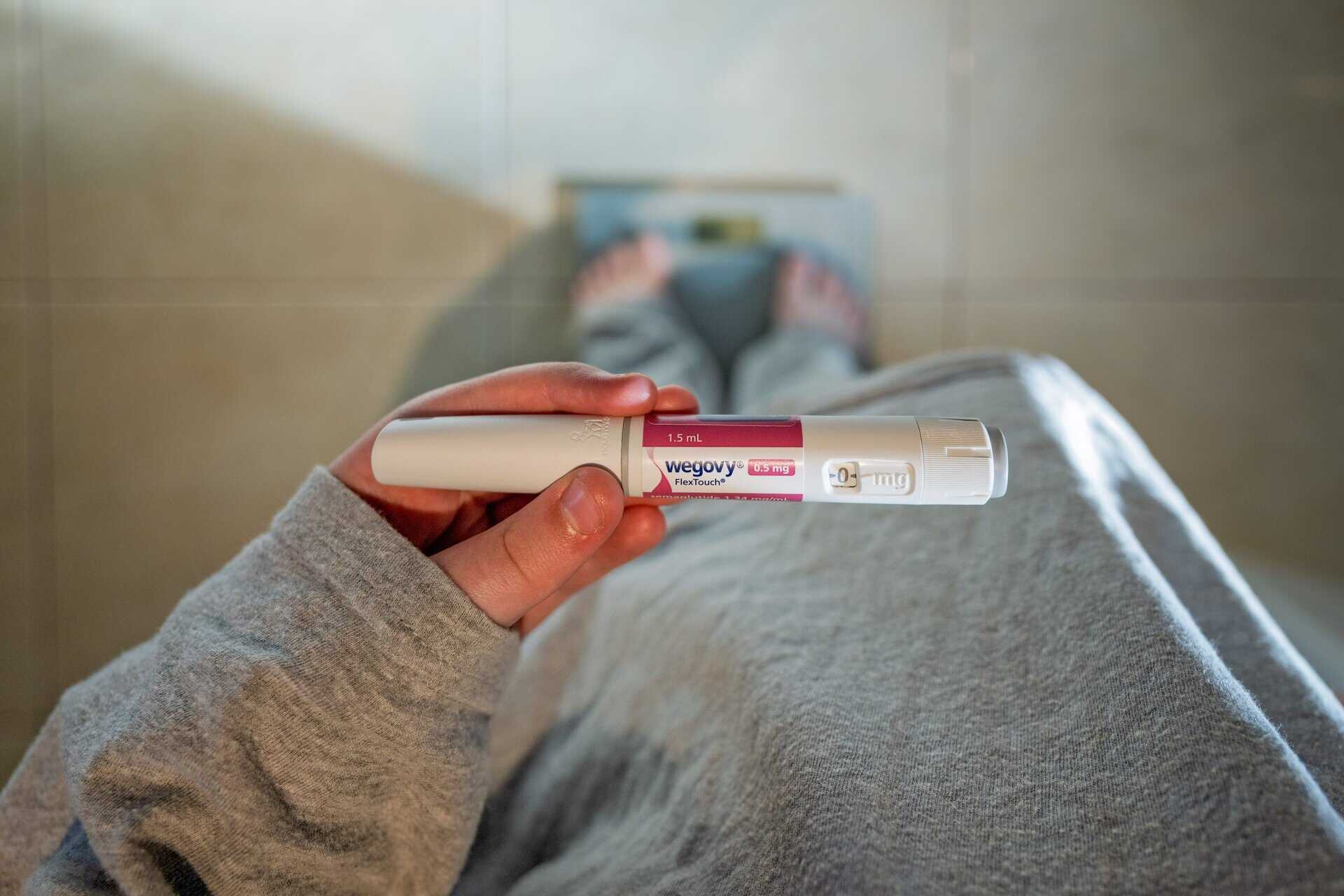
A Science-Based Approach to Sustaining Your Success after GPL-1 Medications Without Breaking the Bank
If you're one of the millions who have experienced transformative weight loss with GLP-1 medications like Ozempic, Wegovy, or Mounjaro, you already know their remarkable power. But you may also be facing a harsh reality: these medications can cost upwards of $1,000 per month, and insurance coverage remains inconsistent at best. The fear of regaining hard-won weight loss after stopping these medications is real, valid, and backed by concerning research.
Recent studies show that 46.5% of patients with type 2 diabetes and 64.8% of those without diabetes discontinue GLP-1 medications within one year, often due to cost. Even more troubling, research demonstrates that discontinuing GLP-1 receptor agonist treatment leads to significant weight regain, with patients taking liraglutide regaining an average of 2.20 kg and those on semaglutide or tirzepatide regaining 9.69 kg.
But here's what I want you to know: while weight regain after stopping GLP-1 medications is common, it is not inevitable. As a functional medicine physician who has helped thousands of patients optimize their metabolic health, I've seen firsthand how the right combination of nutrition, lifestyle modifications, and strategic supplementation can help maintain weight loss and even enhance your body's natural GLP-1 production.
Understanding the Post-GLP-1 Challenge
The STEP 1 trial extension found that one year after withdrawal of semaglutide and lifestyle intervention, participants regained two-thirds of their prior weight loss. This isn't a personal failure—it's biology. Long-term pharmacotherapy is required to maintain weight loss, and cessation leads to weight regain even with continuing lifestyle intervention.
The challenge occurs because GLP-1 medications work by mimicking your body's natural satiety hormones. When you stop the medication, several biological changes occur:
- Appetite rebounds: Your natural hunger signals return to baseline or may even temporarily increase
- Metabolic adaptation: Your body increases skeletal muscle work efficiency during weight loss, making it easier to regain weight
- Hormonal shifts: The beneficial effects on insulin sensitivity and glucose metabolism diminish
- Gut microbiome changes: The positive alterations in gut bacteria composition may revert
The Science of Natural GLP-1 Optimization
The exciting news is that your body naturally produces GLP-1, and we can enhance this production through strategic interventions. GLP-1 is produced in your intestinal L-cells, and the gut microbiome plays a crucial role in stimulating this natural production.
Your Microbiome: The Key to Natural GLP-1 Production
Research shows that specific gut bacteria produce short-chain fatty acids (SCFAs) when they ferment dietary fiber, and these SCFAs directly stimulate GLP-1 secretion from intestinal L-cells. This is why a healthy, diverse gut microbiome is essential for weight maintenance after stopping GLP-1 medications.
Prebiotic fibers like resistant starch and beta-glucan support the production of SCFAs, which stimulate intestinal cells to release GLP-1. Think of it as feeding the beneficial bacteria that help your body produce its own weight-regulating hormones.

Your Comprehensive Natural Weight Maintenance Protocol
1. The Foundational Nutrition Plan
Prioritize Fiber-Rich, Whole Foods
Research shows that fiber-rich foods, healthy fats like avocados and olive oil, and fermented foods can naturally enhance GLP-1 levels. Your daily nutrition should include:
High-Fiber Foods for GLP-1 Production:
- Vegetables: Artichokes, asparagus, Brussels sprouts, broccoli, and leafy greens (aim for 7-9 servings daily)
- Resistant Starch Sources: Cooked and cooled potatoes, green bananas, and legumes
- Prebiotic-Rich Foods: Onions, garlic, leeks, Jerusalem artichokes, and dandelion greens
- Whole Grains: Oats (especially for beta-glucan), quinoa, and barley
- Legumes: Lentils, chickpeas, and black beans (excellent for both fiber and protein)
Healthy Fats for Satiety and GLP-1 Support: Olive oil, rich in oleic acid and 2-Oleoyl Glycerol (2-OG), has been shown to support natural GLP-1 production
- Extra virgin olive oil (use liberally in cooking and dressings)
- Avocados and avocado oil
- Nuts and seeds (especially walnuts, flaxseeds, and chia seeds)
- Fatty fish rich in omega-3s (wild salmon, sardines, mackerel)
Fermented Foods for Microbiome Diversity: Foods like yogurt, kefir, kimchi, and sauerkraut support a balanced gut microbiome and regular consumption introduces beneficial bacteria that may naturally boost GLP-1
- Kefir (dairy or coconut-based)
- Kimchi and sauerkraut
- Kombucha (unsweetened)
- Miso and tempeh
- Plain, full-fat yogurt with live cultures
Protein Strategy for Muscle Preservation: Aim for 1.2-1.5 grams of protein per kilogram of body weight daily, distributed across meals:
- Lean proteins: Wild-caught fish, organic poultry, grass-fed beef
- Plant proteins: Legumes, quinoa, hemp seeds, spirulina
- Consider collagen peptides for additional support
2. Strategic Meal Timing and Intermittent Fasting
Time-restricted eating (TRE) has been shown to be effective for weight loss when combined with a controlled diet and exercise program. However, timing matters:
Recommended Approach:
- Start with a 12:12 eating window (12 hours eating, 12 hours fasting)
- Gradually progress to 14:10 or 16:8 if well-tolerated
- Ensure your eating window aligns with circadian rhythms (earlier is generally better)
Important Considerations: Research shows that higher fasting GLP-1 concentrations are associated with lower carbohydrate intake, particularly simple sugars. Focus on complex carbohydrates and avoid refined sugars during your eating window.
3. The Exercise Prescription: Preserving Muscle, Boosting Metabolism
Adding exercise (both endurance and resistance type) to a hypocaloric diet helps preserve muscle mass during weight loss, with resistance exercise also improving muscle strength.
Your Weekly Exercise Blueprint:
Resistance Training (3-4 times per week): Studies show that people who combine aerobic and resistance exercise retain more muscle mass and show greater strength increases compared to aerobic exercise alone
- Focus on compound movements: squats, deadlifts, rows, presses
- Progressive overload: Gradually increase weight or repetitions
- 8-12 repetitions per set, 2-3 sets per exercise
- Include all major muscle groups
Cardiovascular Exercise (150-300 minutes per week):
- Mix moderate and high-intensity activities
- Walking, cycling, swimming, or dancing
- Consider adding 2-3 HIIT sessions weekly (20-30 minutes each)
Why This Matters: Resistance training can help reverse the increased skeletal muscle work efficiency that occurs with weight loss, helping prevent weight regain
4. Targeted Supplementation Strategy
Based on my clinical experience and the latest research, consider these evidence-based supplements:
Core Gut Health Support:
- Spore-Based Probiotics: Products like MegaSporeBiotic contain Bacillus strains that survive stomach acid and support a healthy gut environment for GLP-1 production.
- Comprehensive Probiotics: Ther-Biotic Complete provides 12 different probiotic species to support microbiome diversity.
- Prebiotic Fiber: Consider supplements containing inulin, FOS, or resistant starch if dietary intake is insufficient (aim for 30-40g total fiber daily).
- Butyrate Support: Sodium Butyrate provides the short-chain fatty acid directly, supporting gut health and potentially GLP-1 production.
Metabolic Support:
- Berberine: 500mg 2-3 times daily with meals (natural “metformin” effect, supports insulin sensitivity)
- Alpha-Lipoic Acid: 600mg daily (improves insulin sensitivity and glucose metabolism)
- Chromium Picolinate: 200-400mcg daily (helps regulate blood sugar and reduce cravings)
- Green Tea Extract (EGCG): 300-400mg daily (boosts metabolism and fat oxidation)
Additional Considerations:
- Gut Shield Support: Products like Dr. Jill Health Gut Shield with L-glutamine help maintain intestinal barrier integrity
- Vitamin D3/K2: Optimize levels for metabolic health
- Omega-3 Fatty Acids: 2-3g daily for inflammation reduction
5. Lifestyle Optimization for Long-term Success
Sleep Hygiene:
- Aim for 7-9 hours of quality sleep nightly
- Poor sleep disrupts hunger hormones and increases cravings
- Create a consistent sleep schedule and dark, cool sleeping environment
Stress Management:
- Chronic stress elevates cortisol, promoting weight gain
- Implement daily stress-reduction practices: meditation, yoga, deep breathing
- Consider adaptogenic herbs like ashwagandha or rhodiola
Hydration:
- Drink half your body weight in ounces of filtered water daily
- Add electrolytes if exercising intensely
- Herbal teas can support satiety between meals
Monitoring Your Progress
Track these key metrics to ensure you're maintaining your success:
- Weekly weigh-ins (same day, same time, same conditions)
- Waist circumference (monthly)
- Energy levels and mood (daily journal)
- Hunger and satiety cues (rate on 1-10 scale)
- Blood work every 3-6 months:
- Fasting glucose and HbA1c
- Lipid panel
- Inflammatory markers (hs-CRP)
- Thyroid function
- Vitamin D levels
Special Considerations for Transition
Experts recommend slowly weaning down the GLP-1 dose if possible to avoid a big rebound in hunger. If you have time before coverage ends:
- Work with your healthcare provider to gradually taper the dose
- Implement the nutrition and lifestyle changes while still on the medication
- Begin supplementation 4-6 weeks before complete discontinuation
- Increase exercise intensity gradually as you reduce medication dose
Building Your Support Team
Research shows that people who receive support from professionals like trainers, dietitians, and mental health therapists regain less weight over 2 years than those without support.
Consider assembling a team that includes:
- A functional medicine practitioner familiar with metabolic health
- A registered dietitian specializing in weight maintenance
- A personal trainer experienced with post-weight loss clients
- A therapist if emotional eating is a concern
The Role of Alternative Medications
While this article focuses on natural approaches, it's worth noting that some studies have shown that transitioning to older, generic weight loss medications like metformin, topiramate, and bupropion can help maintain weight loss after stopping GLP-1 medications. Discuss these options with your healthcare provider if natural methods alone aren't sufficient.
A Message of Hope and Empowerment
I understand the anxiety that comes with stopping a medication that has transformed your health. The fear of regaining weight is real and valid. But I want you to know that you have more power than you realize.
Your time on GLP-1 medications has given you a precious gift: a metabolic reset and the opportunity to implement lasting lifestyle changes from a healthier baseline. The weight loss you've achieved has already improved your insulin sensitivity, reduced inflammation, and enhanced your metabolic flexibility.
By implementing the comprehensive protocol I've outlined—optimizing your gut microbiome, eating strategically to support natural GLP-1 production, preserving muscle mass through resistance training, and supporting your body with targeted supplementation—you can maintain much of your weight loss success.
Remember, this isn't about perfection. It's about progress and persistence. Some weight regain may occur, but with these tools, you can minimize it and maintain the health improvements you've worked so hard to achieve.
Your Action Plan
- Start where you are: Don't wait until you stop the medication to begin implementing these changes
- Focus on one area at a time: Begin with nutrition, then add exercise, then optimize supplementation
- Track your progress: Use metrics to stay accountable and adjust as needed
- Build your support network: You don't have to do this alone
- Be patient and compassionate with yourself: This is a marathon, not a sprint
Conclusion
While GLP-1 medications have revolutionized weight loss treatment, their high cost makes long-term use impossible for many. However, by understanding the science of weight maintenance and implementing a comprehensive natural protocol, you can protect your investment in your health.
The key lies in supporting your body's natural GLP-1 production through a diverse, fiber-rich diet, strategic supplementation, regular exercise, and lifestyle optimization. Combined with professional support and careful monitoring, these interventions can help you maintain your weight loss success long after the last injection.
Your journey doesn't end when the medication stops—it evolves. With the right tools, knowledge, and support, you can continue writing your success story, one healthy choice at a time.
Remember to consult with your healthcare provider before making any significant changes to your medication regimen or starting new supplements. This article is for educational purposes and should not replace personalized medical advice.
For more resources on gut health and metabolic optimization, explore these related articles on my blog:
- GLP-1 Agonists: The Anti-Inflammatory Revolution
- Akkermansia Muciniphila: The Key To A Happy, Healthy Gut
- The Gut-Brain Axis: How Your Microbiome Shapes Mental Health
Ready to optimize your gut health? Visit Dr. Jill Health Store for physician-formulated supplements designed to support your metabolic wellness journey.
References
1. Rodriguez PJ, Zhang EW, Stucky NL, et al. Discontinuation and Reinitiation of Dual-Labeled GLP-1 Receptor Agonists Among US Adults With Overweight or Obesity. JAMA Netw Open. 2025;8(1):e2457349. doi:10.1001/jamanetworkopen.2024.57349
https://doi.org/10.1001/jamanetworkopen.2024.57349
2. bin Ahmed IA. A Comprehensive Review on Weight Gain following Discontinuation of Glucagon-Like Peptide-1 Receptor Agonists for Obesity. Am J Med Sci. 2024;368(1):15-27. doi:10.1016/j.amjms.2024.04.025
https://doi.org/10.1016/j.amjms.2024.04.025
3. Berg S, Stickle H, Rose SJ, Nemec EC. Discontinuing glucagon-like peptide-1 receptor agonists and body habitus: A systematic review and meta-analysis. Obes Rev. 2025;26(8):e13929. doi:10.1111/obr.13929
https://doi.org/10.1111/obr.13929
4. Wilding JPH, Batterham RL, Davies M, et al. Weight regain and cardiometabolic effects after withdrawal of semaglutide: The STEP 1 trial extension. Diabetes Obes Metab. 2022;24(8):1553-1564. doi:10.1111/dom.14725
https://doi.org/10.1111/dom.14725
5. Aronne LJ, Sattar N, Horn DB, et al. Continued Treatment With Tirzepatide for Maintenance of Weight Reduction in Adults With Obesity: The SURMOUNT-4 Randomized Clinical Trial. JAMA. 2024;331(1):38-48. doi:10.1001/jama.2023.24945
https://doi.org/10.1001/jama.2023.24945
6. Xiao Y, Tang T, Liu Y, et al. Trajectory of the body weight after drug discontinuation in the treatment of anti-obesity medications. BMC Med. 2024;22(1):285. doi:10.1186/s12916-024-03485-0
https://doi.org/10.1186/s12916-024-03485-0
7. Ibrahim Abdullah bin Ahmed. A Comprehensive Review on Weight Gain following Discontinuation of Glucagon-Like Peptide-1 Receptor Agonists for Obesity. Int J Clin Pharm. 2024;46(3):521-532.
https://doi.org/10.1007/s11096-023-01588-4
8. Damman CJ. How Food Stimulates Natural GLP-1 Through Your Gut Microbiome. The Conversation. 2024. Available at:
https://theconversation.com/how-food-stimulates-natural-glp-1-through-your-gut-microbiome-219878
9. Cani PD, Lecourt E, Dewulf EM, et al. Gut microbiota fermentation of prebiotics increases satietogenic and incretin gut peptide production with consequences for appetite sensation and glucose response after a meal. Am J Clin Nutr. 2009;90(5):1236-1243. doi:10.3945/ajcn.2009.28095
https://doi.org/10.3945/ajcn.2009.28095
10. Yusta B, Baggio LL, Koehler J, et al. GLP-1R agonists modulate enteric immune responses through the intestinal intraepithelial lymphocyte GLP-1R. Diabetes. 2015;64(7):2537-2549. doi:10.2337/db14-1577
https://doi.org/10.2337/db14-1577
11. Psichas A, Sleeth ML, Murphy KG, et al. The short chain fatty acid propionate stimulates GLP-1 and PYY secretion via free fatty acid receptor 2 in rodents. Int J Obes. 2015;39(3):424-429. doi:10.1038/ijo.2014.153
https://doi.org/10.1038/ijo.2014.153
12. Song Y, Koehler JA, Baggio LL, et al. Gut-Proglucagon-Derived Peptides Are Essential for Regulating Glucose Homeostasis in Mice. Cell Metab. 2019;30(5):976-986. doi:10.1016/j.cmet.2019.08.009
https://doi.org/10.1016/j.cmet.2019.08.009
13. Wang L, Li P, Tang Z, et al. Discovery of a bacterial peptide as a modulator of GLP-1 and metabolic disease. Sci Rep. 2020;10(1):4922. doi:10.1038/s41598-020-61112-0
https://doi.org/10.1038/s41598-020-61112-0
14. Mittendorfer B, Patterson BW, Smith GI, et al. Preserving Healthy Muscle during Weight Loss. Adv Nutr. 2017;8(3):511-519. doi:10.3945/an.116.014506
https://doi.org/10.3945/an.116.014506
15. Villareal DT, Aguirre L, Gurney AB, et al. Aerobic or Resistance Exercise, or Both, in Dieting Obese Older Adults. N Engl J Med. 2017;376(20):1943-1955. doi:10.1056/NEJMoa1616338
https://doi.org/10.1056/NEJMoa1616338
16. Goldstein T, Kark JD, Berry EM, et al. The effect of a low carbohydrate energy-unrestricted diet on weight loss in obese type 2 diabetes patients – A randomized controlled trial. e-SPEN. 2011;6(4):e178-e186.
https://doi.org/10.1016/j.ecdn.2011.04.004
17. Rosenbaum M, Kissileff HR, Mayer LE, et al. Resistance Training Reduces Skeletal Muscle Work Efficiency in Weight-reduced and Non-weight-reduced Subjects. Obesity (Silver Spring). 2019;27(12):2077-2084. doi:10.1002/oby.22657
https://doi.org/10.1002/oby.22657
18. Verreijen AM, Engberink MF, Memelink RG, et al. Effect of a high protein diet and/or resistance exercise on the preservation of fat free mass during weight loss in overweight and obese older adults: a randomized controlled trial. Nutr J. 2017;16(1):10. doi:10.1186/s12937-017-0229-6
https://doi.org/10.1186/s12937-017-0229-6
19. Huber H, Schieren A, Holst JJ, Simon MC. Dietary impact on fasting and stimulated GLP-1 secretion in different metabolic conditions – a narrative review. Am J Clin Nutr. 2024;119(3):599-627. doi:10.1016/j.ajcnut.2024.01.007
https://doi.org/10.1016/j.ajcnut.2024.01.007
20. Anton SD, Lee SA, Donahoo WT, et al. Effect of time restricted eating on body weight and fasting glucose in participants with obesity: results of a randomized, controlled, virtual clinical trial. Nutr Diabetes. 2021;11(1):6. doi:10.1038/s41387-021-00149-0
https://doi.org/10.1038/s41387-021-00149-0
21. Basolo A, Bechi Genzano S, Piaggi P, et al. Fasting glucagon-like peptide 1 concentration is associated with lower carbohydrate intake and increases with overeating. J Endocrinol Invest. 2019;42(5):557-566. doi:10.1007/s40618-018-0954-5
https://doi.org/10.1007/s40618-018-0954-5
22. Clayton DJ, Mode WJA, Slater T. 24-h severe energy restriction impairs postprandial glycaemic control in young, lean males. Br J Nutr. 2018;120(10):1107-1116. doi:10.1017/S0007114518002568
https://doi.org/10.1017/S0007114518002568
23. Eraky SM, Ramadan NM, Atif HM, Mahmoud AM. The ameliorating effect of intermittent fasting on intestinal glucagon-like peptide 1 in rats fed a high-fat diet via the Farnesoid X receptor and the Melanocortin-4 receptor. Life Sci. 2024;337:122507. doi:10.1016/j.lfs.2024.122507
https://doi.org/10.1016/j.lfs.2024.122507
24. Eliopoulos AG, Gkouskou KK, Tsioufis K, Sanoudou D. A perspective on intermittent fasting and cardiovascular risk in the era of obesity pharmacotherapy. Front Nutr. 2025;12:1524125. doi:10.3389/fnut.2025.1524125
https://doi.org/10.3389/fnut.2025.1524125
25. Porter Starr KN, Pieper CF, Orenduff MC, et al. Weight Maintenance on Cost-Effective Antiobesity Medications After 1 Year of GLP-1 Receptor Agonist Therapy: A Real-World Study. Obesity (Silver Spring). 2024;32(11):2087-2095. doi:10.1002/oby.24113
https://doi.org/10.1002/oby.24113

About the Author
Dr. Jill Carnahan, MD, ABIHM, IFMCP is a Functional Medicine Expert® and Medical Detective who specializes in uncovering the root causes of illness through cutting-edge lab testing and personalized medicine protocols. She is the author of the bestselling book “Unexpected: Finding Resilience Through Functional Medicine, Science, and Faith” and hosts the award-winning Resiliency Radio Podcast, where she interviews leading experts in health and wellness.
Widely known as a pioneer in environmental toxicity, mold-related illness, autoimmune disease, and resilience medicine, Dr. Carnahan combines cutting-edge science with compassionate, root-cause care. Her clinical approach integrates precision genomics, epigenetics, microbiome research, peptide therapy, and lifestyle interventions to transform health outcomes for patients worldwide.
She is the author of the best-selling memoir Unexpected, which weaves her personal journey through cancer, Crohn’s disease, and mold-related illness with her professional expertise. Dr. Carnahan is also the executive producer of the award-winning documentary Doctor/Patient and the host of the popular podcast Resiliency Radio, which reaches over 500,000 global subscribers.
As an international keynote speaker, Dr. Carnahan has been featured at leading medical conferences including A4M, IFM, EPIC, and IPM Congress, and her work is frequently highlighted in major media outlets such as NBC, CBS, Fox News, Forbes, Parade, People, and MindBodyGreen.
With a reputation as both a scientist and a healer, Dr. Jill Carnahan is regarded as one of the top functional medicine doctors in the world, offering a unique blend of evidence-based research, innovation, and deeply personalized care.
Connect with Dr. Jill:
- Website: www.jillcarnahan.com
- Podcast: Resiliency Radio
- Documentary: Doctor/Patient
- Instagram: @DrJillCarnahan
- Dr. Jill Health Store: www.drjillhealth.com
Related Videos
These statements have not been evaluated by the Food and Drug Administration. Infrared sauna therapy is not intended to diagnose, treat, cure, or prevent any disease. This information is not intended to replace recommendations or relationships with your physician. Please review the referenced studies for scientific support of the claims made.









Share: