

Jill Carnahan, MD, ABIHM, ABoIM, IFMCP | Medical Director, Flatiron Functional Medicine | Louisville, Colorado | Resiliency Radio Podcast
| “The sickest patients I have ever cared for were not lacking willpower or imagining their symptoms. They were living in a building that was quietly poisoning them, and no one had thought to look. Mold illness is real, it is biological, and it is treatable when we have the humility to start with the environment.”— Dr. Jill Carnahan |
How to Use This Guide
These pearls distill more than a decade of caring for complex mold and mycotoxin patients into the points I most wish every clinician carried into the exam room. They are not a substitute for the full guideline, and they are not a protocol to apply blindly. They are the hard-won clinical instincts that, in my experience, separate patients who recover from patients who stay stuck. Read them as a companion to the NAEM Mold Clinical Guideline, and adapt every recommendation to the individual in front of you.

The Top 13 Clinical Pearls
Pearl 1. Remove the source first. Nothing else works until you do.
Clinical takeaway: No amount of supplements, IVs, peptides, or drugs can outpace ongoing exposure. Leaving the water-damaged building is the rate-limiting step in recovery.
I tell patients this plainly because it is the single most important thing I can say to them: detox protocols fail when the patient is still sleeping in the moldy bedroom every night. Mycotoxins are continuously reintroduced, the immune system never gets a chance to downshift, and we end up chasing symptoms in a body that is still being insulted nightly. This step is often the hardest, both financially and emotionally, but it is non-negotiable. For practical guidance on navigating it, see my article Five Essential Tips for Living with Mold Toxicity and CIRS.
| Dr. Jill's note: If a patient is not improving on a well-designed protocol, your first question is not “what supplement is missing.” It is “are they still being exposed.” Porous, contaminated belongings carry spores with them; a clean protocol in a contaminated environment is a treadmill. |
Pearl 2. Genetics explain why one family member is devastated and another is fine.
Clinical takeaway: Roughly 24% of the population carries HLA-DR haplotypes that impair antibody-mediated clearance of biotoxins. For these patients, mold exposure does not self-resolve.
This is the biology that ends the “it’s all in your head” conversation. Two people share the same water-damaged home; one develops disabling multisystem illness while the other notices nothing. The difference is not resilience or character, it is the inability to tag and remove biotoxins, which leaves the immune system in a state of chronic activation and systemic inflammation. Chronic Inflammatory Response Syndrome (CIRS), first characterized by Dr. Ritchie Shoemaker, sits at the severe end of this spectrum.
| Dr. Jill's note: HLA-DR typing is most useful not as a gatekeeper to treatment but as a tool for validation and prognosis. A susceptible haplotype tells you this patient will not clear on their own and will need active intervention plus rigorous avoidance. |
Pearl 3. Mold illness wears a psychiatric mask. Look behind it.
Clinical takeaway: New-onset anxiety, treatment-resistant depression, panic, OCD features, cognitive decline, and “brain fog” are common presenting complaints of mycotoxin exposure, not separate problems.
Mycotoxins cross the blood-brain barrier, trigger neuroinflammation, deplete neurotransmitters (ochratoxin A depletes dopamine in particular), and in the case of trichothecenes can cause direct neuronal death. Patients are frequently sent to psychiatry, medicated, and told their labs are normal long before anyone considers the environment. I have written about this at length in How Toxic Mold Can Mess With Your Mind and Mycotoxins and Your Brain.
| Dr. Jill's note: When a previously well patient develops abrupt neuropsychiatric symptoms with no clear trigger, add one question to your intake: “Has there been any water damage, leak, or musty smell in your home or workplace?” That single question has changed the trajectory of more of my patients than I can count. |
Pearl 4. Test the body and the building. You need both stories.
Clinical takeaway: Urinary mycotoxin testing tells you the body burden; environmental testing tells you the source. One without the other leaves you guessing.
For body burden I use urinary mycotoxin panels (Mosaic/Great Plains, RealTime Labs, or Vibrant Wellness), the CIRS lab panel (MMP-9, TGF-beta-1, C4a, VEGF, MSH, VIP), HLA-DR typing, Visual Contrast Sensitivity screening, and organic acids for evidence of fungal overgrowth. For the environment, EMMA (Environmental Mold and Mycotoxin Assessment) is my preferred test because it identifies both species and mycotoxins from dust; ERMI is a reasonable alternative. Crucially, some species such as Chaetomium rarely aerosolize, so a clean air sample does not rule out a problem. Dust testing and a qualified indoor environmental professional matter.
| Dr. Jill's note: Correlate the two. When a mycotoxin shows up in the urine and the same class shows up in the home dust, you have a coherent story you can act on with confidence, and a patient who finally feels believed. For the environmental side, my conversation with Jim Tomlinson in Episode 127 of Resiliency Radio is a strong primer on what testing can and cannot tell you. |
Pearl 5. Open drainage before you mobilize. Always.
Clinical takeaway: Daily bowel movements, hydration, lymphatic flow, sweat, and bile flow must be working before aggressive binding or detox, or you will make the patient worse.
This is the mistake I see most often in patients who arrive in my office having “failed” detox elsewhere. They were pushed into glutathione and binders before their elimination pathways were open, mobilized a wave of toxins their body could not clear, and crashed. The body has to be able to eliminate what we are about to stir up. That means regular bowel movements, adequate hydration, movement and dry brushing for the lymph, sweating through exercise or sauna, and support for liver, kidney, and bile flow first.
| Dr. Jill's note: A herx-style crash after starting detox is not a sign the protocol is “working.” It is usually a sign drainage was not open. Slow down, support elimination, and reintroduce gently. |
Pearl 6. Binders interrupt enterohepatic recirculation. Use more than one, and time them right.
Clinical takeaway: Mycotoxins are packaged into bile, dumped into the gut, and reabsorbed. Binders break that loop, but different mycotoxins need different binders.
Because no single binder captures every mycotoxin, I favor multi-targeted approaches. MycoPul is one of my top mycotoxin-specific choices, built around G-PUR purified zeolite clinoptilolite plus additional binders. Dr. Jill Health® ZeoBind Plus adds zeolite, activated charcoal, humic and fulvic acids for broad-spectrum capture, and G.I. Detox is a gentler option for sensitive patients or daily maintenance. Cholestyramine remains a useful prescription binder in the right patient.
| Dr. Jill's note: Timing is everything: binders go on an empty stomach, at least two hours away from food, medications, and other supplements, or they will bind your nutrients instead of your toxins. |
Pearl 7. Glutathione is not optional in mold illness. It is central.
Clinical takeaway: Mycotoxins cause profound oxidative stress and deplete glutathione, your master antioxidant, at an accelerated rate. Restoring it is foundational, not adjunctive.
I build glutathione support from several angles. Dr. Jill Health® Glutathione Essentials provides reduced glutathione with milk thistle and B vitamins. For the heaviest toxic burden I prefer Liposomal Glutathione (EssentialPro), which bypasses digestive degradation. Dr. Jill Health® NAC 500 supplies the rate-limiting precursor cysteine and doubles as a mucolytic to clear mycotoxin-laden mucus, and Dr. Jill Health® Liver Essentials supports Phase I and II processing.
| Dr. Jill's note: Sensitive patients can react to glutathione, especially if drainage is not open or sulfur handling is impaired. Start low, go slow, and watch the patient rather than the protocol. |
Pearl 8. Suspect MCAS in the patient who reacts to everything.
Clinical takeaway: A large share of mold-affected patients develop mast cell activation. If your patient flares from foods, supplements, smells, and the protocol itself, think mast cells.
Mold and mast cell activation syndrome travel together, and unrecognized MCAS is a frequent reason mold treatment stalls. The patient cannot tolerate binders, glutathione, or even gentle interventions because every input triggers a mast cell flare. Quercetin, luteolin, vitamin C, DAO enzyme, natural H1 and H2 support, and in some cases targeted prescription antihistamines help calm the system enough to make detox tolerable. Gut and sinus biofilms may also need addressing.
| Dr. Jill's note: Stabilize the mast cells before, not after, you escalate detox. In a reactive patient, a few weeks of mast cell support up front can be the difference between a protocol they tolerate and one that lands them in bed. |
Pearl 9. Rescue the mitochondria. Mycotoxins are mitochondrial poisons.
Clinical takeaway: Mycotoxins are profoundly toxic to mitochondria, which is why crushing fatigue and exercise intolerance are so characteristic. Energy recovery requires deliberate mitochondrial support.
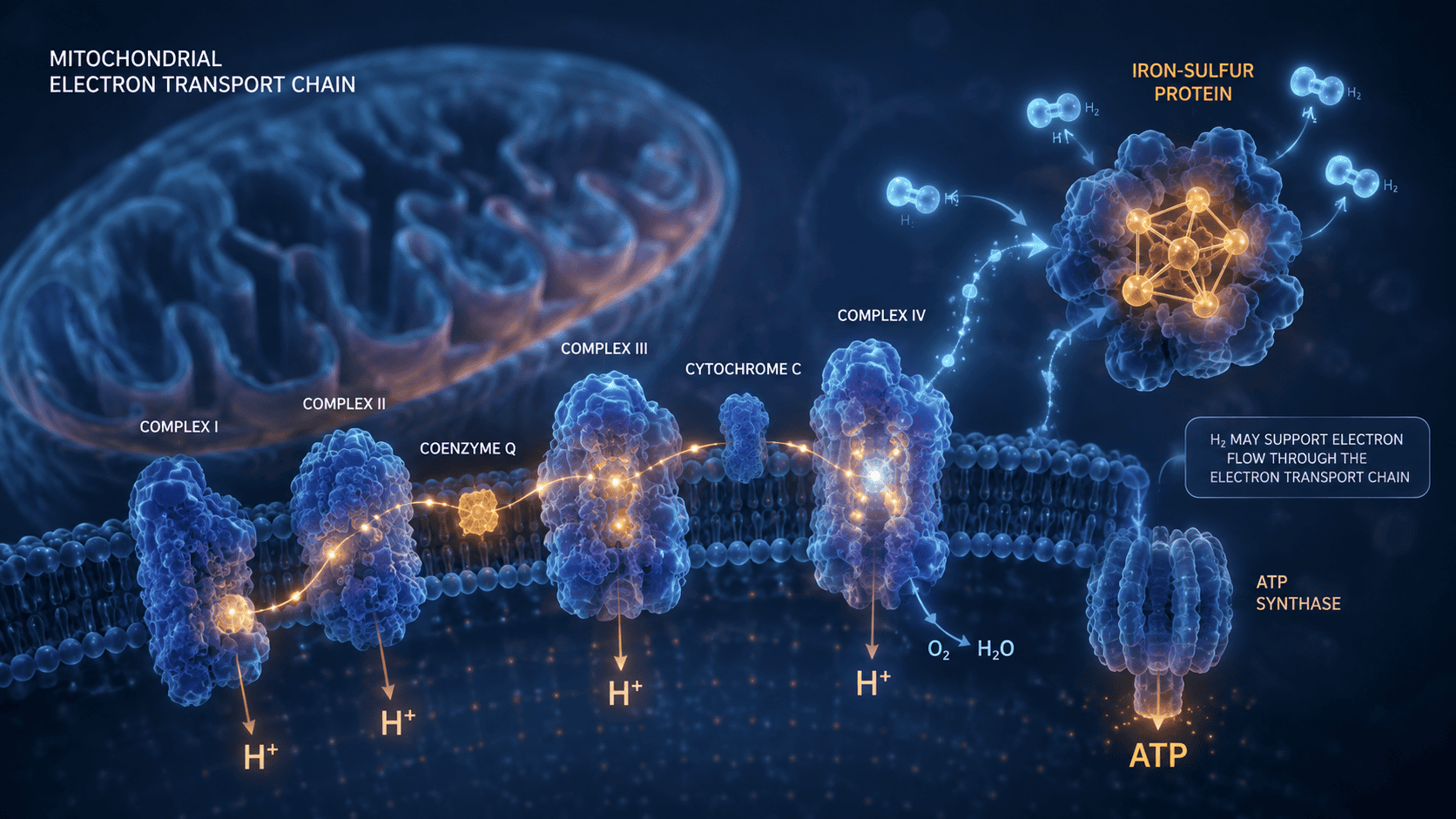
CoQ10, PQQ, NAD+ or NMN, D-ribose, L-carnitine, and the appropriate B vitamins form the backbone of mitochondrial recovery in these patients. This is not a step to skip once binding and detox are underway; without it, patients clear toxins but remain exhausted, and they understandably conclude that treatment failed. Restoring cellular energy production is what lets them feel like themselves again.
Pearl 10. Heal the gut. Mycotoxins wreck the barrier and the microbiome.
Clinical takeaway: Mycotoxins damage the intestinal epithelium, drive barrier disruption, and shift microbial ecology in ways that perpetuate immune dysregulation. Gut repair is part of the cure, not an afterthought.
Restoration is targeted. Dr. Jill Health® Spore Probiotic Plus IgG offers spore-based organisms that survive the harsh post-mycotoxin gut, paired with IgG for barrier support, and Dr. Jill Health® Gut Immune delivers IgG directly to the lumen to bind microbes and toxins before they trigger systemic activation. Fungal overgrowth in the gut is extremely common in this population and often needs its own attention. I explore the mechanisms in Mycotoxins and Gut Health.
Pearl 11. Don't forget to rebuild and replenish.
Clinical takeaway: Recovery is not finished when toxins are cleared. Minerals, electrolytes, adrenal and thyroid function, sex hormones, and nervous system regulation all need restoring.
Mold illness depletes the whole system. After the heavy lifting of avoidance, binding, and detox, the rebuild phase is what consolidates recovery: replenishing minerals and electrolytes, restoring adrenal and thyroid balance, addressing sex hormones, and retraining a chronically activated nervous system. Vagal toning, trauma-informed therapies, and limbic system retraining (DNRS, the Gupta program, or similar) are genuinely important here, because chronic illness leaves the nervous system stuck in threat mode long after the toxins are gone.
| Dr. Jill's note: The patient who is “almost better but not quite” is often stuck in an unregulated nervous system, not a residual toxin problem. Limbic retraining is frequently the missing piece. |
Pearl 12. Protect the vulnerable: pregnant patients, children, and the immunocompromised.
Clinical takeaway: Mycotoxins cross the placenta and appear in breast milk. Developing and compromised systems are more vulnerable and deserve extra vigilance.
I pay particular attention to pregnant and nursing mothers, infants and children, the immunocompromised, those with existing autoimmune disease, and anyone with occupational exposure. In these groups the threshold for investigating a water-damaged environment should be lower, and the aggressiveness of any detox protocol should be tempered accordingly. Renal and hepatic monitoring matter, because the kidney and liver carry much of the burden of mycotoxin clearance.
Pearl 13. Treat the person, not just the panel. Belief is part of medicine.
Clinical takeaway: By the time these patients reach you, most have been dismissed, mislabeled, and told nothing is wrong. Being believed is often the first therapeutic act.
I have watched patients begin to heal the moment they realize someone finally sees what is happening to them. The labs and protocols matter enormously, but so does the relationship. These are people who have lost careers, homes, relationships, and their sense of self to an illness no one validated. Approaching them with scientific rigor and genuine compassion is not soft; it is part of the medicine. As I wrote in Unexpected, resilience is built in relationship, and healing happens fastest when patients feel both understood and accompanied.
| Dr. Jill's note: Your clinical credibility and your compassion are not in tension. The patients who recover most fully are the ones who feel both expertly treated and deeply cared for. |
The Treatment Arc at a Glance
When I teach this, I sequence it so clinicians remember the order matters as much as the ingredients. These steps build on one another.
| # | Step | What it means in practice |
|---|---|---|
| 1 | Remove the source | Leave the water-damaged building. Remediate or relocate. The rate-limiting step. |
| 2 | Open drainage | Bowels, hydration, lymph, sweat, bile. Never mobilize before elimination works. |
| 3 | Bind | Multi-targeted binders, empty stomach, away from food and supplements. |
| 4 | Support detox | Glutathione, NAC, liver support across Phase I, II, and III. |
| 5 | Rescue mitochondria | CoQ10, PQQ, NAD+/NMN, carnitine, B vitamins for energy recovery. |
| 6 | Calm immune & mast cells | Quercetin, luteolin, DAO, H1/H2 support; address biofilms. |
| 7 | Restore the gut | Spore probiotics, IgG, address fungal overgrowth. |
| 8 | Rebuild & regulate | Minerals, hormones, adrenal/thyroid, nervous system retraining. |
A Word on Healing
I want to close with something that does not fit neatly into a protocol but belongs in this work all the same. Caring for mold patients has taught me that healing is rarely linear and almost never tidy. These are some of the most resilient people I know, and they often arrive at our doors carrying not only physical illness but grief, fear, and the exhaustion of not being believed.
As clinicians, we get to offer them more than a treatment plan. We get to offer hope grounded in real science, and presence grounded in real compassion. I pray over my patients, and I am not ashamed to say so. I ask for wisdom in their care and for peace in their hearts while their bodies do the slow work of recovery. Whatever your own tradition, I would encourage you to remember that the person in front of you is not a puzzle to be solved but a human being to be accompanied. That posture, as much as any binder or antioxidant, is what helps people come back to themselves.
| Continue the conversationExplore more at jillcarnahan.com, find practitioner-grade formulas at drjillhealth.com, listen to Resiliency Radio, and read my story in Unexpected: Finding Resilience through Functional Medicine, Science, and Faith. |
Selected References & Resources
- Hope J. A review of the mechanism of injury and treatment approaches for illness resulting from exposure to water-damaged buildings, mold, and mycotoxins. Sci World J. 2013.
- Empting LD. Neurologic and neuropsychiatric syndrome features of mold and mycotoxin exposure. Toxicol Ind Health. 2009;25(9-10):577-581.
- Ratnaseelan AM, Tsilioni I, Theoharides TC. Effects of mycotoxins on neuropsychiatric symptoms and immune processes. Clin Ther. 2018;40(6):903-917.
- Shoemaker RC, House DE. Sick building syndrome and exposure to water-damaged buildings. Neurotoxicol Teratol. 2006;28(5):573-588.
- Shoemaker RC, et al. Structural brain abnormalities in patients with CIRS. Neurotoxicol Teratol. 2014.
- Tuuminen T, Rinne KS. Severe sequelae to mold-related illness as demonstrated in two finnish cohorts. Front Immunol. 2017;8:382.
- Hooper DG, et al. Mycotoxin detection in human samples from patients exposed to environmental molds. Int J Mol Sci. 2009;10(4):1465-1475.
- Brewer JH, et al. Detection of mycotoxins in patients with chronic fatigue syndrome. Toxins. 2013;5(4):605-617.
Related Reading from Dr. Jill
- Five Essential Tips for Living with Mold Toxicity and CIRS
- How Toxic Mold Can Mess With Your Mind
- Mycotoxins and Your Brain
- Mycotoxins and Gut Health
- Resiliency Radio Ep. 127: Jim Tomlinson on Mold Remediation 101
Disclaimer: This guide is intended for licensed healthcare providers as an educational companion and clinical reference. It is not a substitute for individualized medical judgment, the full NAEM Mold Clinical Guideline, or direct patient evaluation. Product references reflect formulas available through drjillhealth.com and are provided for clinical convenience; they are not an inducement to prescribe. Statements regarding dietary supplements have not been evaluated by the FDA and are not intended to diagnose, treat, cure, or prevent any disease. Always exercise independent clinical judgment.





Share: